The arrival of late summer marks a significant seasonal event for culinary enthusiasts and agricultural markets across the Southwestern United States: the harvest of the Hatch chile. Cultivated exclusively in the Hatch Valley of southern New Mexico, these peppers have achieved a near-cult status due to their unique flavor profile, which is attributed to the region’s high altitude, intense daytime heat, and cool evening temperatures. As the harvest window remains narrow—typically spanning from August through early September—demand for these chiles often outpaces local supply, prompting a sophisticated distribution network that now includes direct-to-consumer online shipping.
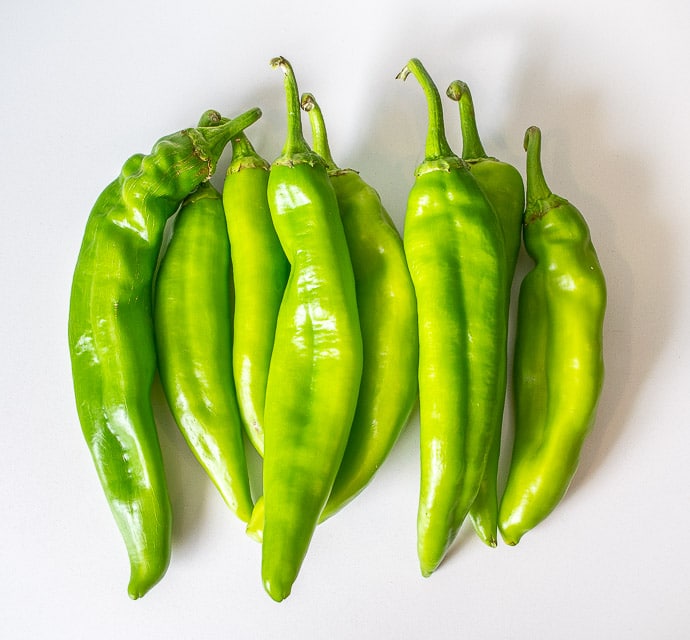
The cultural and economic impact of the Hatch chile cannot be overstated. For New Mexico, the crop is a cornerstone of the state’s agricultural identity, contributing millions of dollars to the regional economy. During the peak of the season, the scent of roasting chiles permeates entire towns, as grocery stores and roadside stands deploy large rotating metal drums to char the skins of the peppers, a process essential for both texture and the development of the chile’s signature smoky, savory depth.
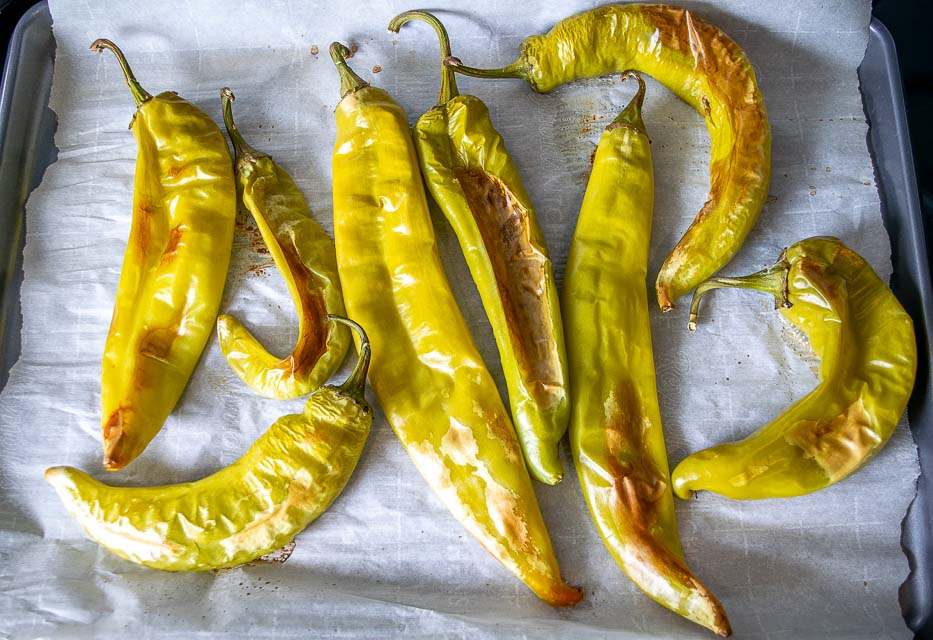
The Anatomy of the Hatch Chile and Culinary Utility
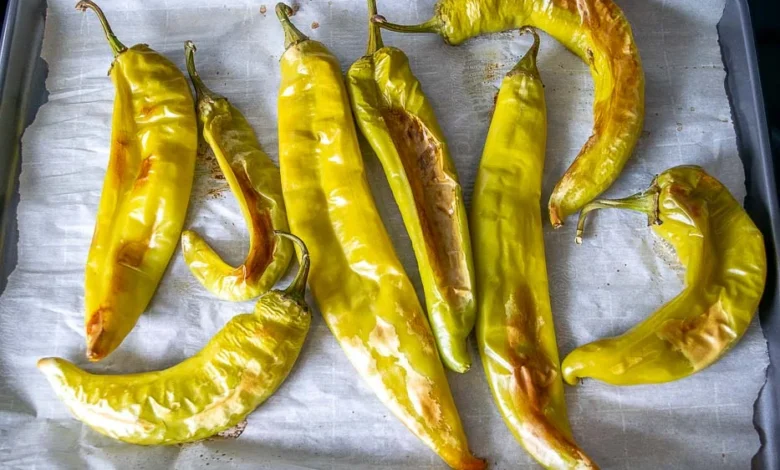
Hatch chiles are a variety of the Capsicum annuum species. While often compared to other green chiles like the Anaheim, Hatch chiles are distinguished by their thicker flesh and a complex heat profile that ranges from mild to extra hot, depending on the specific strain and the conditions of the growing season.
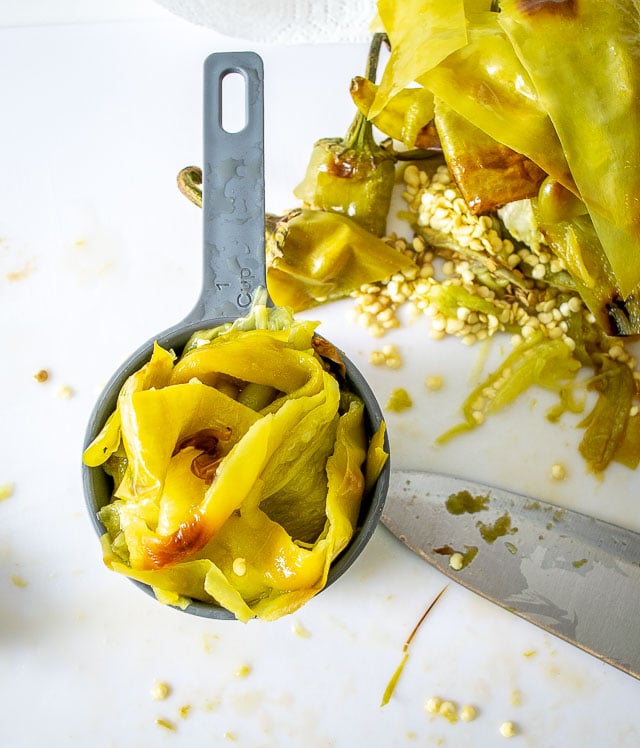
From a culinary perspective, the roasted Hatch chile serves as a versatile foundation for a variety of dishes. Among the most popular applications is the green chile enchilada, a staple of New Mexican cuisine. The preparation of this dish involves a multi-step process that highlights the importance of traditional techniques, such as proper roasting and the creation of a balanced, chile-forward sauce.
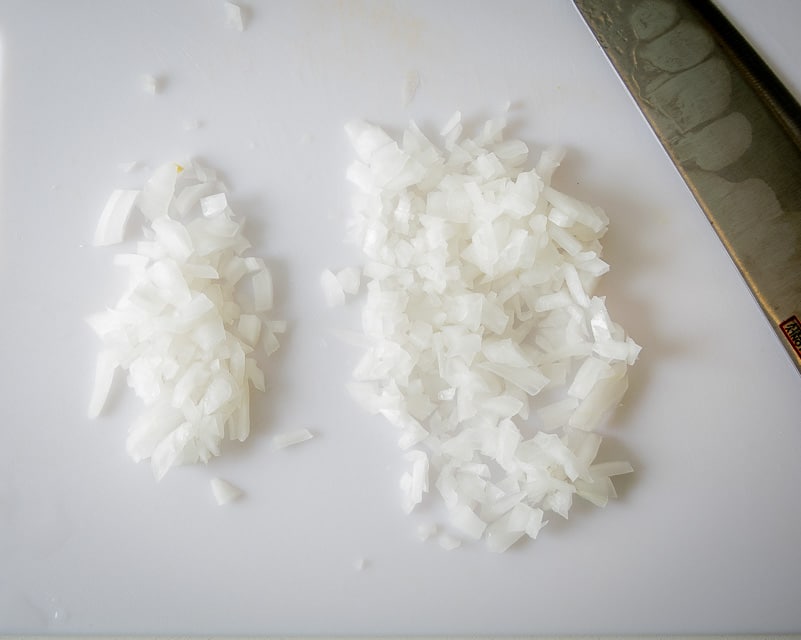
A Chronology of Preparation
The preparation of authentic Hatch enchiladas begins with the sourcing and treatment of the raw product. Culinary experts advise that while frozen, pre-roasted options are available in many retail freezer aisles, fresh roasting provides a superior flavor profile. The standard protocol for home preparation is as follows:
- Roasting: Chiles are subjected to high heat—either via an oven at high temperatures, a backyard grill, or an open flame—for approximately 25 to 30 minutes. This process blisters the skin, allowing for easy removal.
- Post-Roast Processing: Once the chiles have cooled, they are de-stemmed and de-seeded. While some residual seeds and charred skin may remain, the primary goal is to extract the softened, smoky flesh. A yield of approximately 1.5 cups of diced chile is typically sufficient for a standard serving size of eight enchiladas.
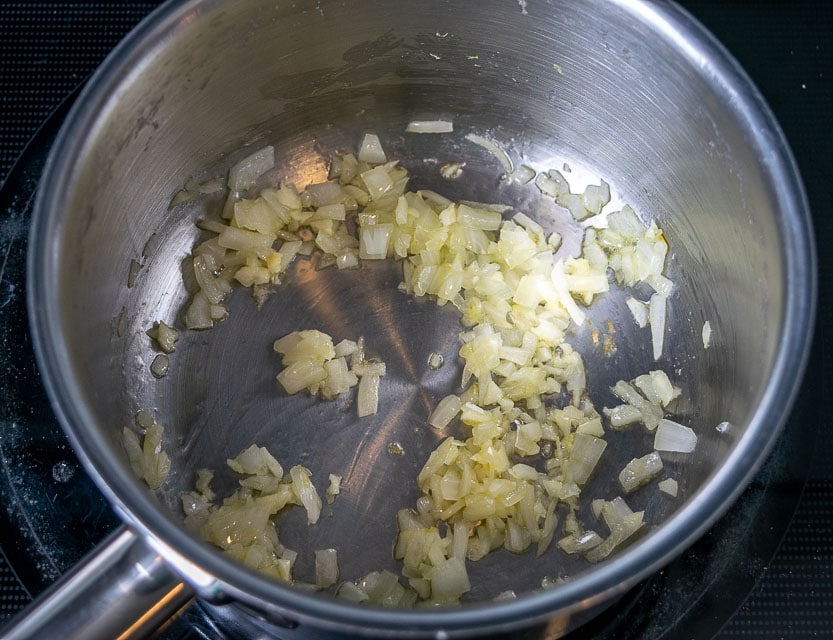
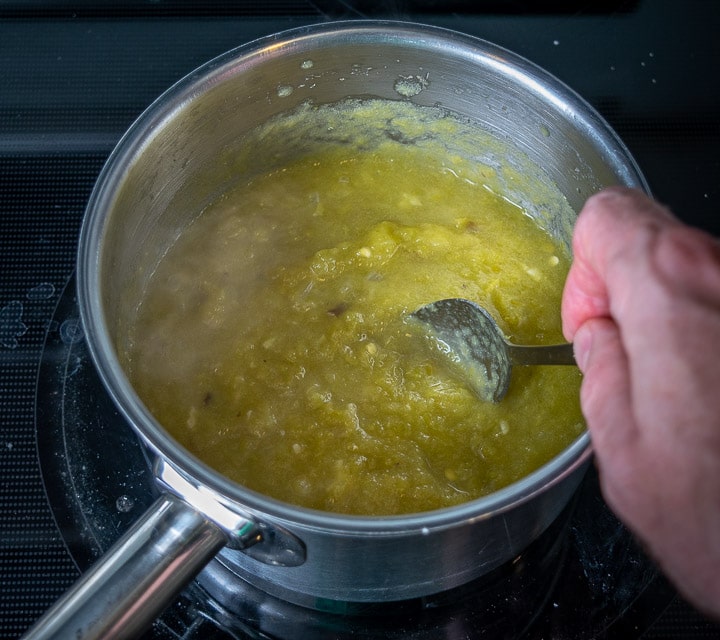
- Sauce Development: The foundation of the sauce requires a sauté of finely diced onions and minced garlic. These aromatics are combined with the processed chiles in a blender with a small amount of liquid, such as stock or water. This mixture is then simmered with seasonings, including cumin, freshly cracked black pepper, and Mexican oregano. The choice of stock—whether homemade or commercial—significantly alters the sodium content and overall flavor intensity of the final dish.
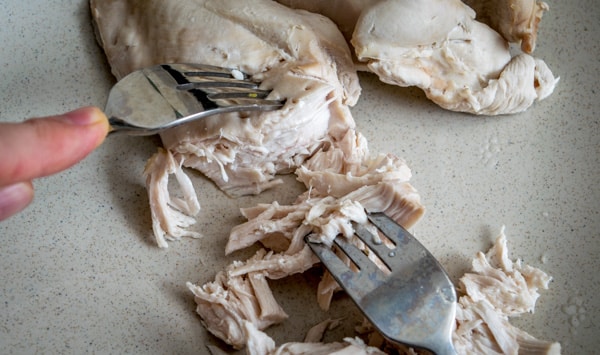
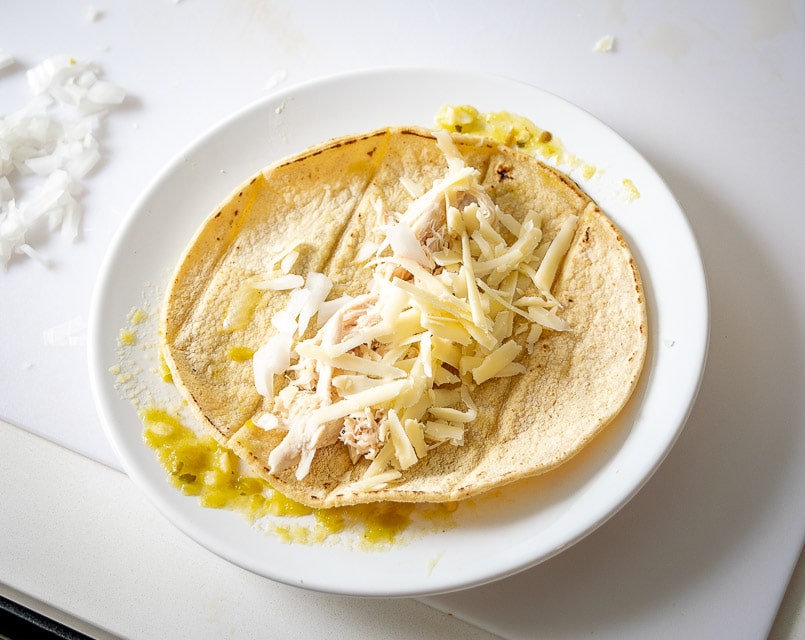
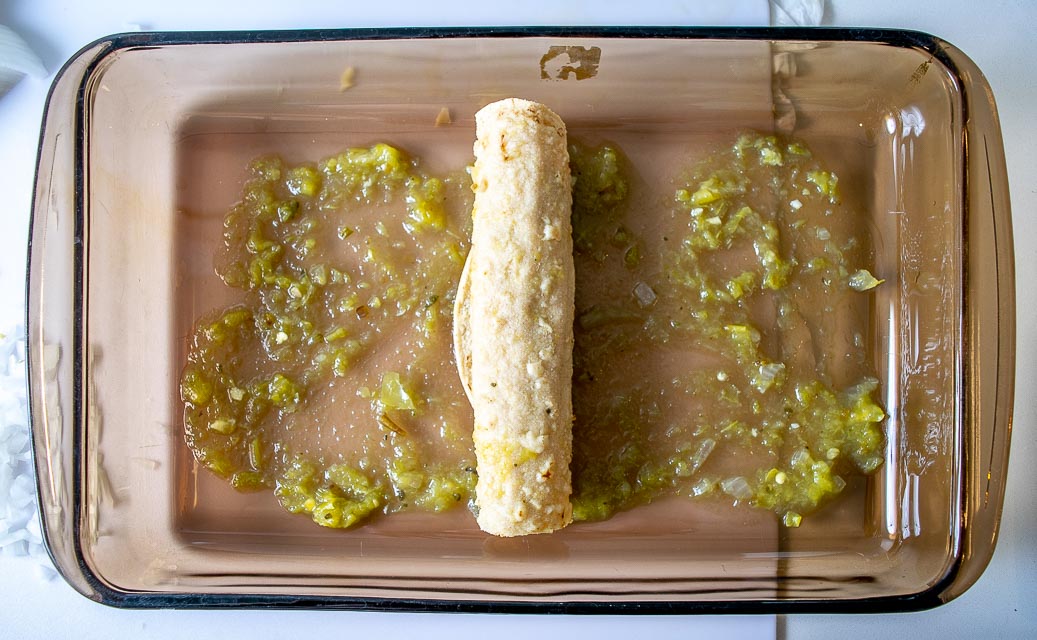
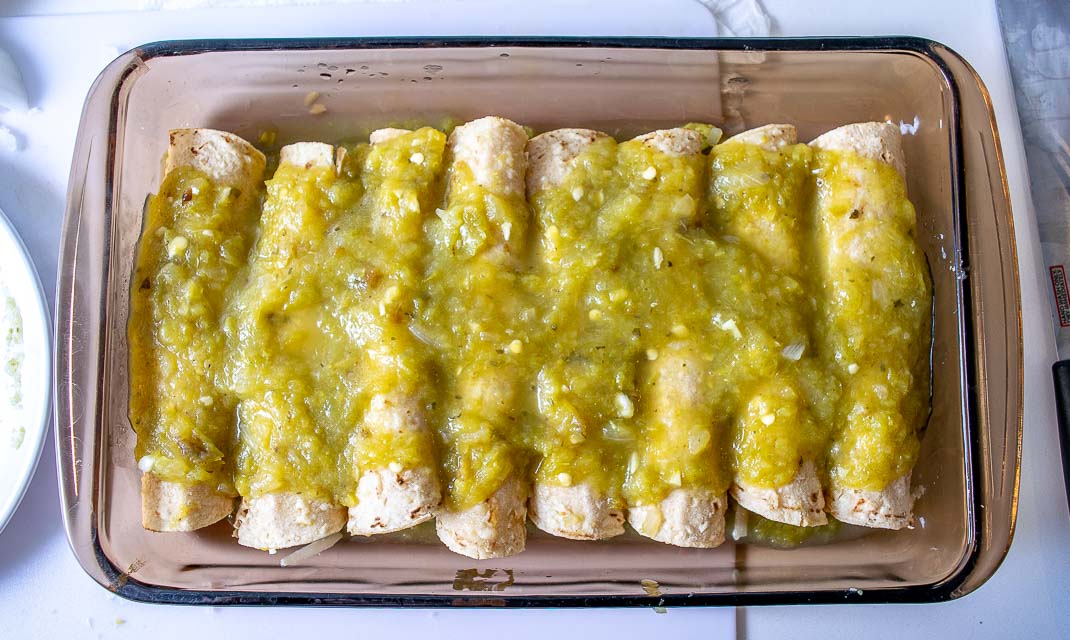
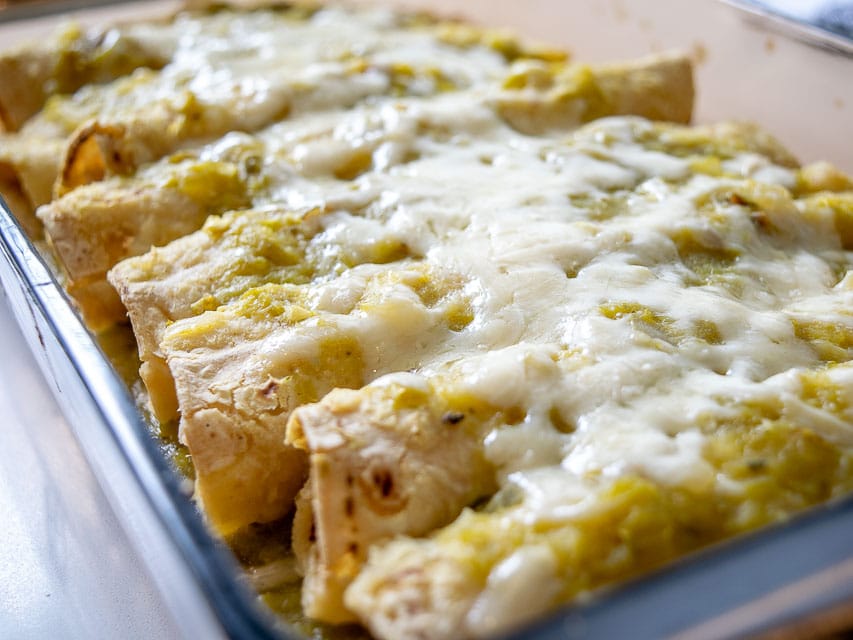
- Assembly and Baking: To assemble the enchiladas, corn tortillas are warmed to increase pliability. Each tortilla is lightly dredged in the prepared sauce, filled with a protein (traditionally shredded chicken), additional diced onion, and shredded cheese, then rolled and placed in a baking dish. After being covered in the remaining sauce and an additional layer of cheese, the dish is baked at 400°F (approx. 200°C) until the cheese is melted and the edges are slightly crisped.
Supporting Data and Nutritional Context
The popularity of the Hatch chile has led to a significant increase in online retailers specializing in the direct shipment of fresh or roasted chiles to consumers nationwide. Data suggests that the convenience of these logistics has helped normalize the use of fresh Hatch chiles in kitchens far outside the New Mexico border.
Nutritionally, the Hatch chile is an excellent source of Vitamin C and Vitamin A, and the capsaicin present in the peppers is linked to various metabolic benefits. However, when prepared as part of an enchilada dish, the nutritional profile is modified by the inclusion of cheese and animal proteins. Chefs often emphasize that the dish is highly adaptable; while chicken is the standard protein, the sauce is the defining element, allowing for a wide variety of vegetarian or alternative protein substitutions without compromising the integrity of the meal.
Broader Impact and Industry Trends
The "Hatch season" phenomenon has created a robust secondary market for kitchen equipment, such as heavy-duty roasting drums and specialized chile-peeling tools. Furthermore, the industry has seen an evolution in how these products are marketed. No longer treated as a niche regional item, Hatch chiles are now frequently featured in national food media, prompting large-scale grocery chains to prioritize procurement during the late summer months.
The rise of the "Farm-to-Table" movement has also bolstered the Hatch market. Consumers are increasingly interested in the provenance of their ingredients, and the specific designation of "Hatch" serves as a mark of quality. Industry analysts note that as climate change impacts water availability in the Southwest, the agricultural sector is working to optimize irrigation and sustainable farming practices to ensure the long-term viability of this iconic crop.
Expert Recommendations for Home Preparation
For those attempting to replicate the dish at home, experts offer several key insights. First, balance is essential. Because the heat levels of Hatch chiles can vary significantly from one harvest to the next, it is recommended to start with a portion of the roasted chiles and taste-test the sauce before adding the remainder.
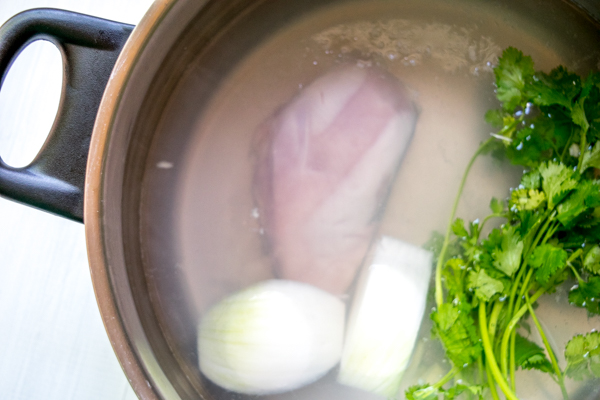
Second, the brining of the chicken—a process involving a salt-water solution—is a highly recommended step to ensure the protein remains moist during the baking process. By soaking chicken breasts in a 1/4 cup salt-to-one-quart-water solution for 30 minutes prior to cooking, home cooks can achieve a restaurant-quality texture that pairs well with the acidity and heat of the chile sauce.
Finally, the use of Mexican oregano, a member of the verbena family rather than the mint family, is noted for its citrusy, earthy notes, which complement the flavor of the roasted chiles far better than standard Mediterranean oregano. If this specific ingredient is unavailable, it is generally advised to omit it entirely rather than using a substitute that may clash with the delicate balance of the sauce.
As the season progresses, the cultural tradition of the Hatch chile continues to bridge the gap between historical agricultural practices and modern culinary demand. Whether consumed in a simple salsa, a complex soup, or the traditional enchilada, the Hatch chile remains a vital link to the heritage of the American Southwest.
Related posts: