The Cultural and Historical Significance of Colombian Fritters
The evolution of Colombian fritters is deeply tied to the agrarian history of the Andean highlands. In these regions, where dairy farming and fruit cultivation—specifically the production of bocadillo—have been primary economic activities for centuries, the local cuisine naturally gravitated toward ingredients that were readily available and shelf-stable.
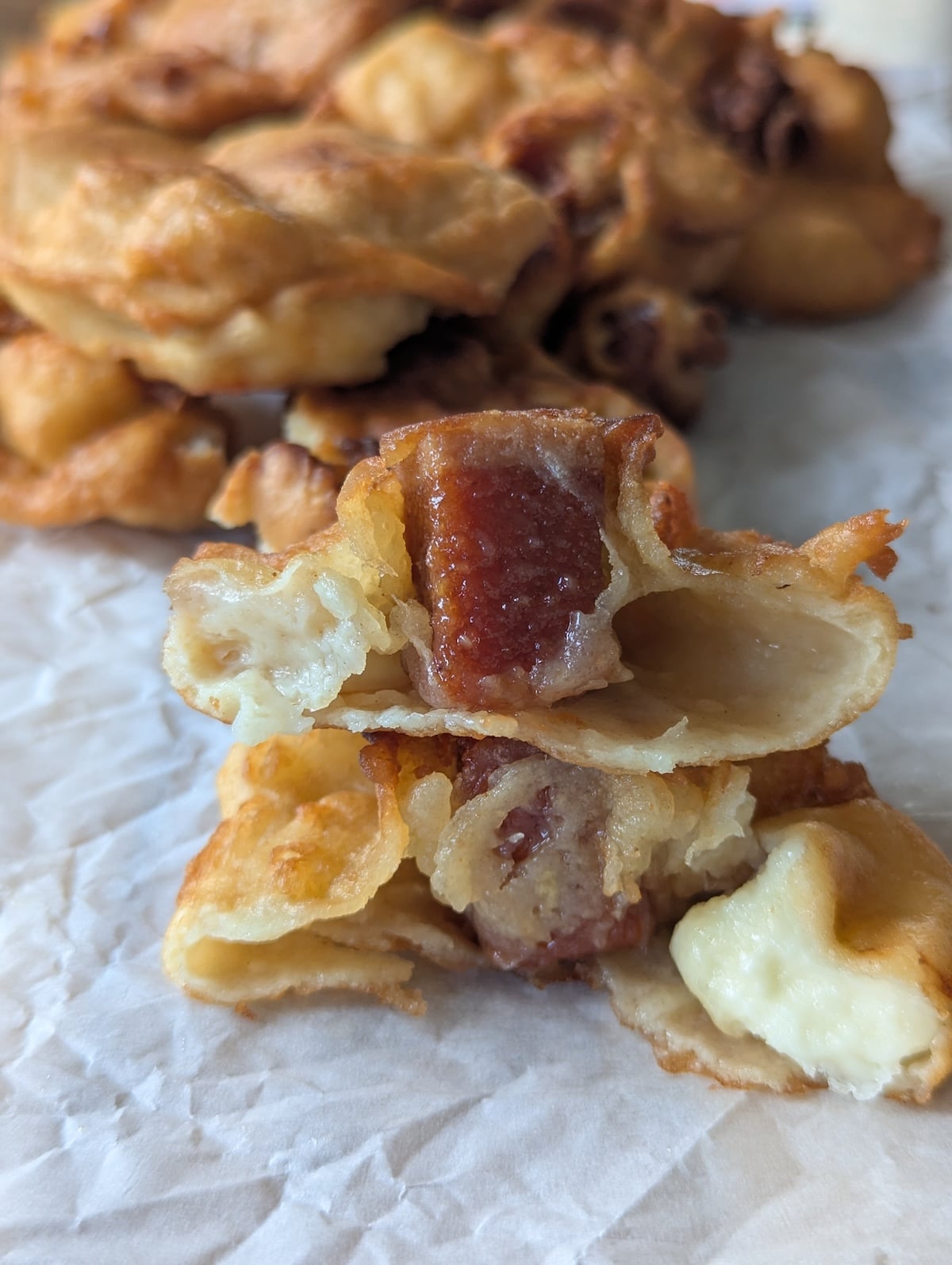
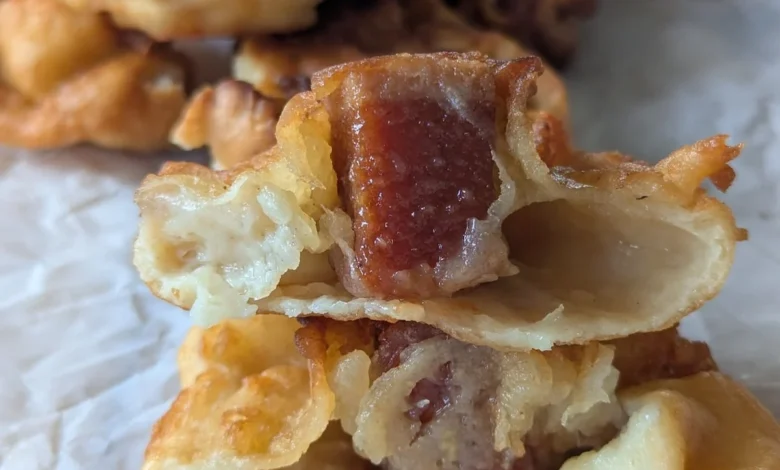
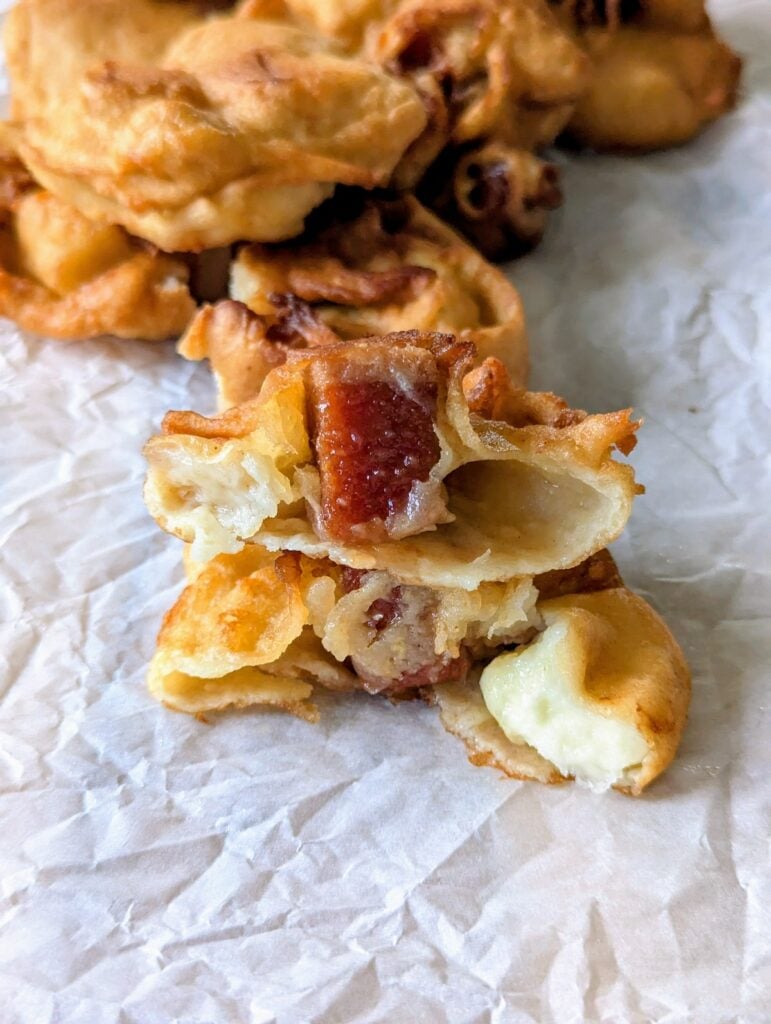
The bocadillo itself is a product of necessity transformed into a national treasure. By slowly simmering guava pulp with sugar, rural households created a dense, nutrient-rich preserve that could withstand long periods without refrigeration. When paired with fresh, salty white cheeses, it created a flavor profile that is now recognized globally as a signature of Colombian identity. The masita, or fritter, acts as the vessel for this pairing, providing a warm, doughy contrast to the structural integrity of the guava paste and the melting properties of the cheese.
Anatomy of a Traditional Recipe: A Technical Breakdown
The preparation of masitas de queso y bocadillo is an exercise in precise thermodynamics. The batter, which serves as the outer shell, must be robust enough to withstand the high-heat environment of deep-frying while remaining light enough to provide a satisfying "crunch" upon the first bite.
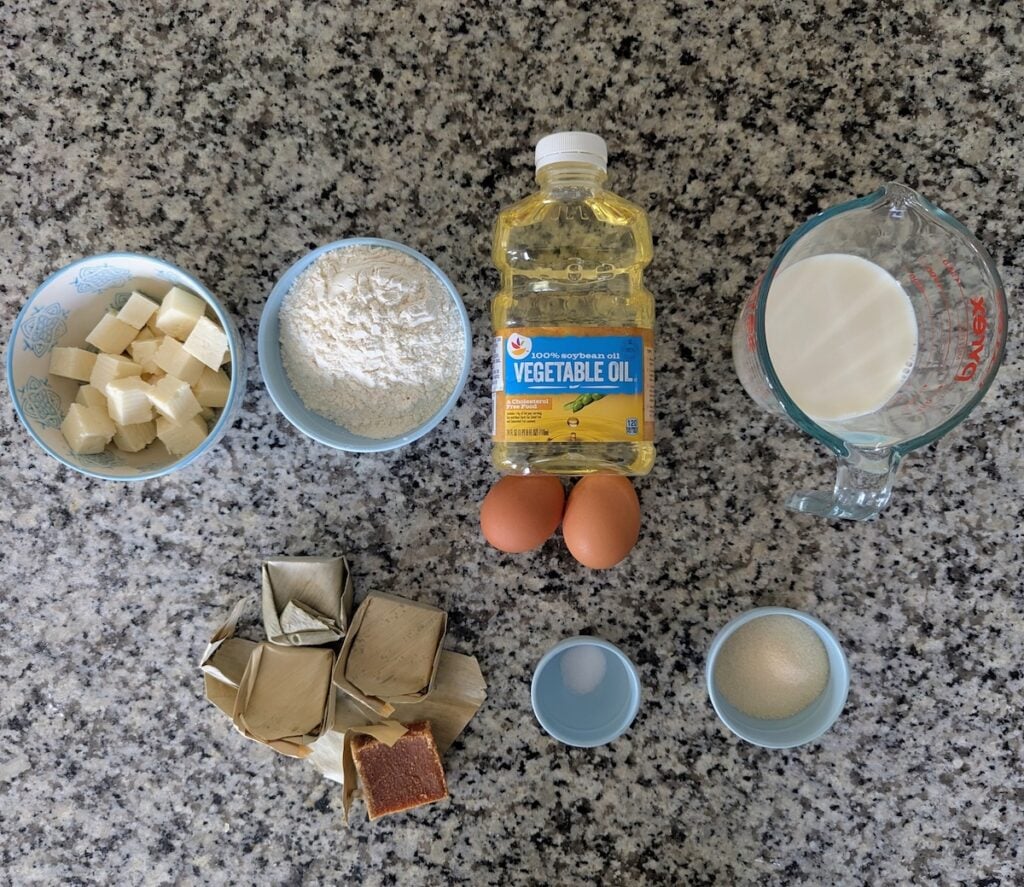
The standard ingredient list reflects the simple, rustic origins of the dish:
- All-Purpose Flour: Provides the necessary structural matrix for the batter.
- Whole Milk: The fat content is critical for ensuring a tender, rather than tough, crumb.
- Eggs: Act as the binding agent and provide the lift necessary for the fritter to expand during the cooking process.
- Queso Blanco: Unlike processed varieties, traditional queso blanco or queso campesino possesses a higher melting point, allowing it to soften into a creamy consistency without fully dissolving into the oil.
- Guava Paste (Bocadillo): The core component that provides the sweetness required to offset the salinity of the cheese.
Chronology and Preparation Methodology
For home cooks and professional chefs alike, the preparation of these fritters follows a rigid, step-by-step chronology to ensure consistency.
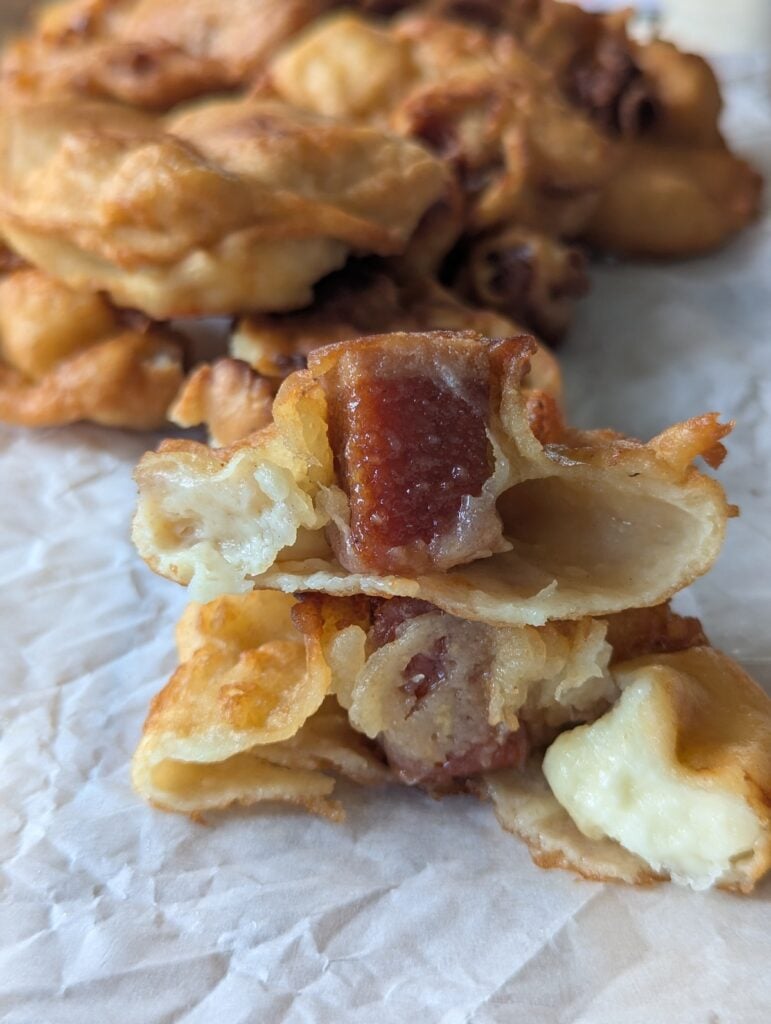
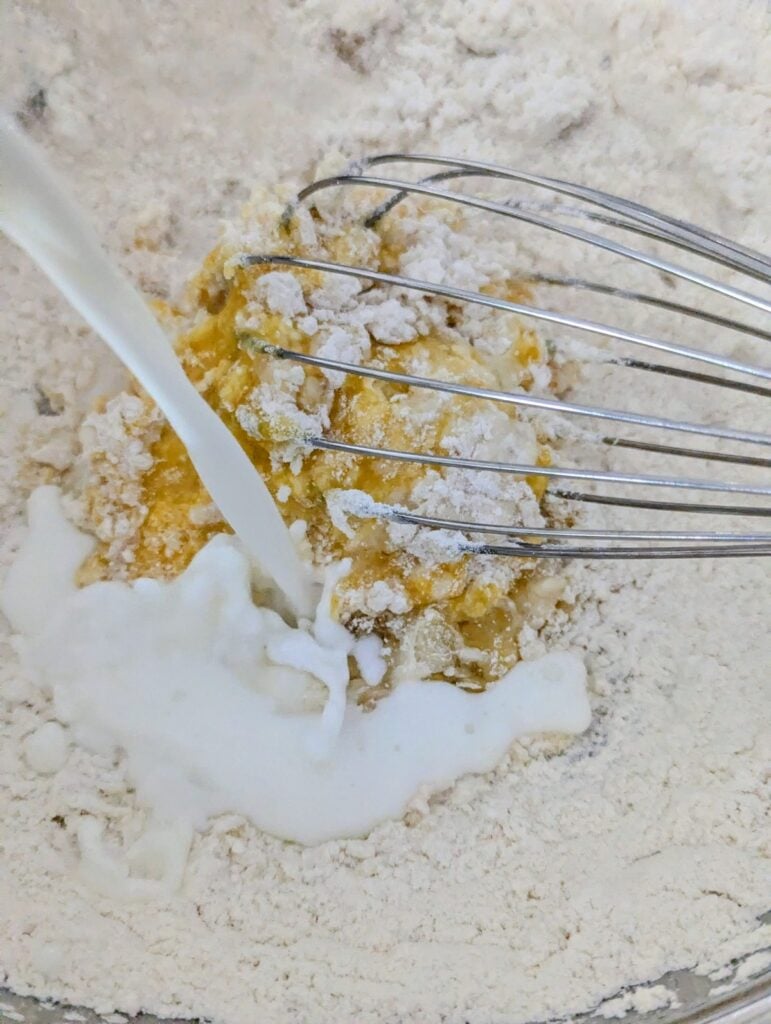
First, the batter is prepared by whisking the dry ingredients—flour, a touch of sugar for balance, and salt—before incorporating the liquid components. The goal is to achieve a viscous, smooth consistency that coats the fillings uniformly. The cheese is typically cut into uniform cubes, and the bocadillo is similarly shaped to match, ensuring that every bite contains an equal distribution of both components.
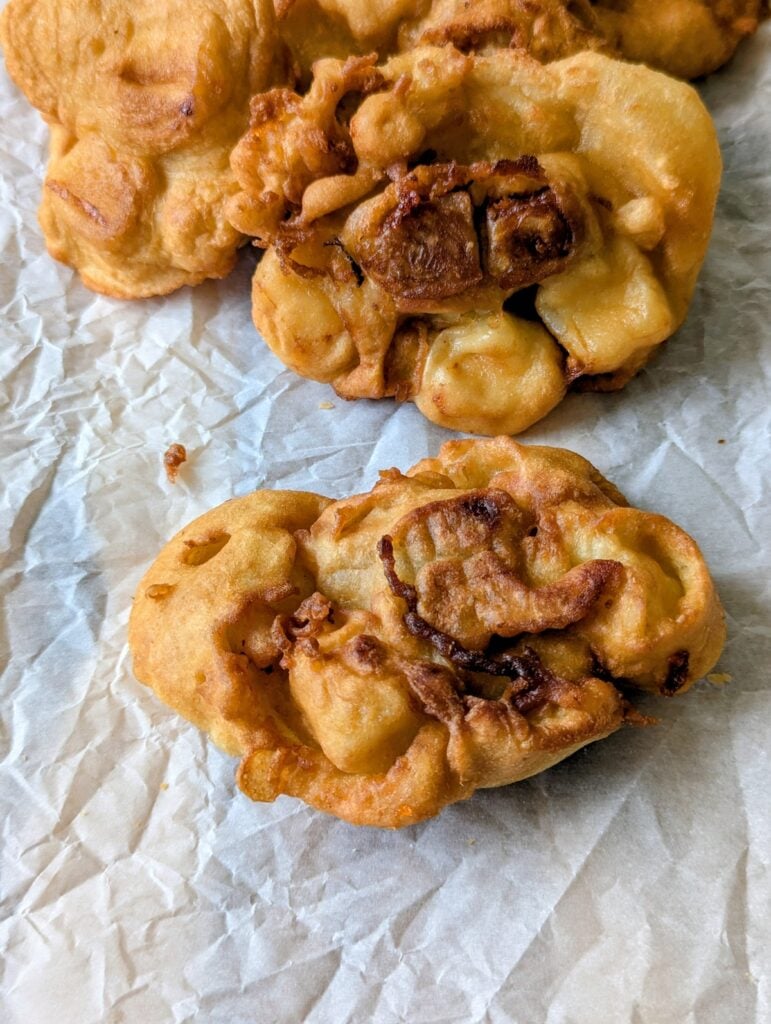
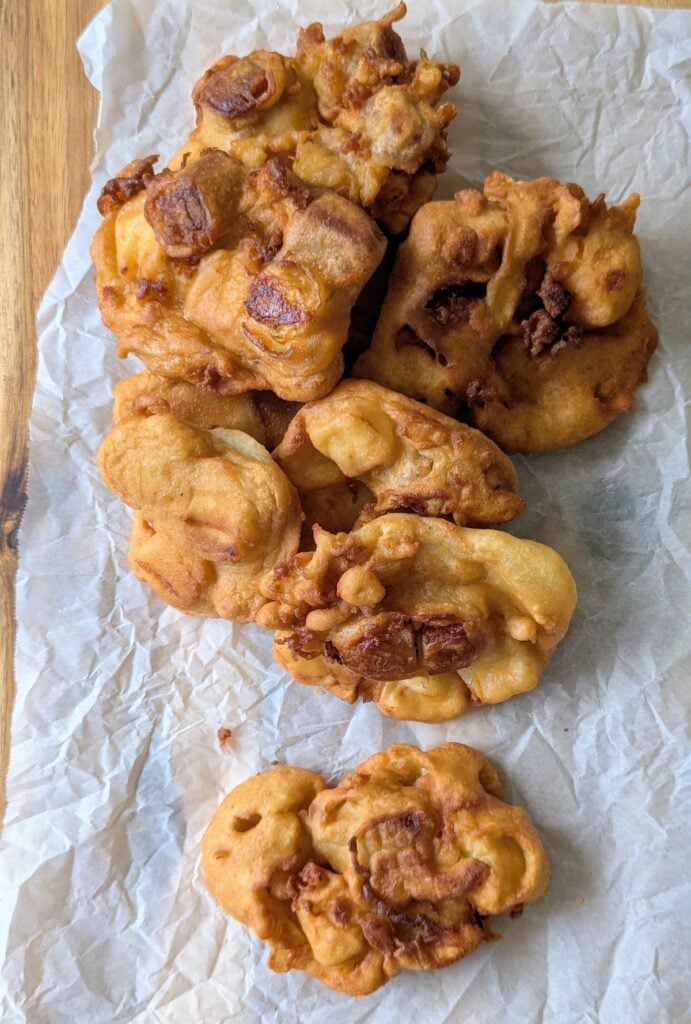
Second, the assembly requires precision. The pieces of cheese and guava are either pressed together or submerged into the batter. In the traditional method, the mixture is carefully dropped into hot oil (typically heated to between 350°F and 375°F). Frying times are relatively short—usually between three to five minutes—until the exterior reaches a deep golden hue. Finally, the fritters are drained of excess oil, a step that is essential to maintain the integrity of the crisp outer layer.
Economic and Culinary Implications
The rise of masitas in the modern food landscape is not merely a matter of nostalgia; it represents a significant segment of the local tourism and artisanal food economy in Colombia. In municipalities like Vélez, Santander—the self-proclaimed capital of bocadillo production—the industry surrounding these products supports thousands of small-scale farmers and independent food vendors.
Data from local agricultural boards suggests that the demand for high-quality guava has remained resilient, even as international food trends lean toward processed alternatives. This is largely because the bocadillo industry has successfully transitioned into a protected, traditional craft. In 2013, the Colombian government granted the "Bocadillo Veleño" a Designation of Origin (Denominación de Origen), which legally protects the product’s name and ensures that it is produced using traditional methods within a specific geographic region. This designation has elevated the status of the humble snack, allowing it to be marketed as a premium artisanal product both domestically and in international export markets.
Nutritional Profile and Dietary Considerations
While masitas de queso y bocadillo are undeniably an indulgence, they occupy a specific niche in the dietary habits of the Andean population. On average, a single serving of these fritters provides approximately 177 kilocalories. The nutritional breakdown consists of roughly 26 grams of carbohydrates, primarily sourced from the flour and the natural sugars in the guava, and 6 grams of protein, attributed to the cheese and eggs.
From a nutritional standpoint, the snack is high in calcium, provided by the cheese, and contains trace amounts of iron. While the frying process introduces fats, the use of whole, fresh ingredients allows for a more nutrient-dense snack than many highly processed, shelf-stable alternatives found in modern supermarkets.
Broader Impact on Global Cuisine
The fusion of sweet and salty elements is a recurring theme in global gastronomy, yet the Colombian application of this principle is uniquely refined. Similar to the French use of brie with fruit preserves or the American pairing of cheddar with apple pie, the bocadillo con queso combination has transcended its origins. It is now frequently featured on the menus of upscale restaurants in Bogotá, Medellín, and beyond, often deconstructed or repurposed into gourmet appetizers.
However, the true value of the dish lies in its accessibility. It remains a democratic food, sold on street corners, in bus stations, and served in kitchens from the humblest rural home to the most sophisticated urban apartment. The simplicity of the ingredients ensures that the quality of the end product is almost entirely dependent on the skill of the cook, which has preserved the dish’s status as a rite of passage for many young cooks learning the foundations of traditional Colombian cooking.
Conclusion: A Legacy of Flavor
As global food trends continue to oscillate between extreme innovation and a return to roots, masitas de queso y bocadillo serve as a reminder of the value of heritage. By maintaining the integrity of the original preparation, practitioners are not only preserving a recipe but are also upholding a socioeconomic structure that sustains rural communities and honors the specific climate and soil of the Andes.
Whether served as an accompaniment to a morning cup of shade-grown Colombian coffee or as a quick, savory-sweet treat in the heat of the afternoon, these fritters remain a vital component of the country’s culinary narrative. They are, in every sense, a bite-sized history of a region defined by its resilience, its ingenuity, and its love for the perfect pairing of fruit and dairy. As the industry looks toward the future, the continued protection and promotion of such traditional snacks will be essential in ensuring that the flavors of the Colombian countryside continue to reach new generations of palates worldwide.
Related posts: