The Ultimate Guide to Making Creamy Vegan Ramen with Sweet Potato and Peanut Butter at Home

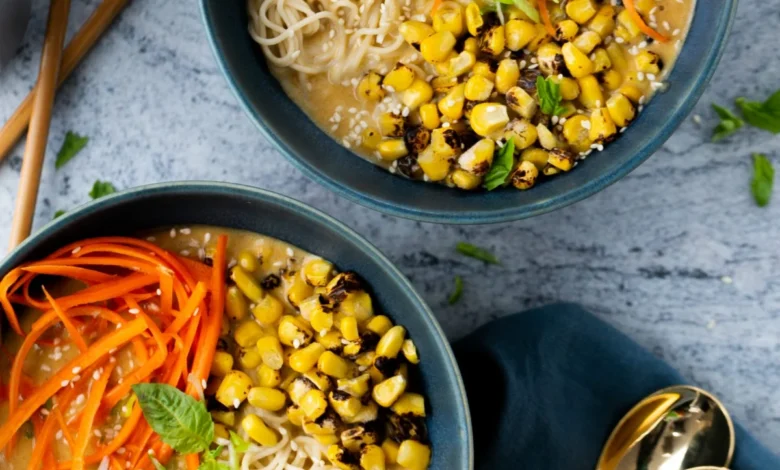
The global culinary landscape has witnessed a remarkable surge in plant-based comfort foods, with traditional Japanese ramen undergoing innovative transformations to meet modern dietary preferences. At the forefront of this gastronomic shift is a novel approach to achieving rich, velvety textures without relying on dairy, coconut milk, or complex animal bones. Culinary creator Alejandra Graf has popularized a breakthrough recipe utilizing roasted sweet potatoes and unsweetened peanut butter to create a silky, nutrient-dense vegan ramen broth that is rapidly gaining traction among home cooks and culinary enthusiasts alike.
Background Context and Evolution of Plant-Based Ramen
Traditional ramen relies heavily on hours of simmering pork or chicken bones, known as tonkotsu, to achieve a cloudy, opaque, and deeply rich broth. Replicating this mouthfeel in a plant-based kitchen has long been a challenge for chefs and home cooks. Early iterations of vegan ramen typically depended on soy milk, heavy coconut cream, or a combination of miso and tahini. While flavorful, these alternatives often introduced overpowering secondary flavors—such as distinct coconut undertones or heavy sesame bitterness—that masked the delicate balance of the soup.
The introduction of roasted sweet potato and natural peanut butter as thickening and flavoring agents marks a significant departure from conventional methods. Sweet potatoes, when roasted, caramelize and develop a natural sweetness accompanied by a dense, starchy body. When blended with mushrooms, garlic, and ginger, they yield a robust foundation that mimics the viscosity of traditional broths. Meanwhile, unsweetened peanut butter introduces essential fats and a deep, nutty complexity, bridging the gap between rich umami profiles and plant-based nutrition.
Chronology and Preparation Workflow
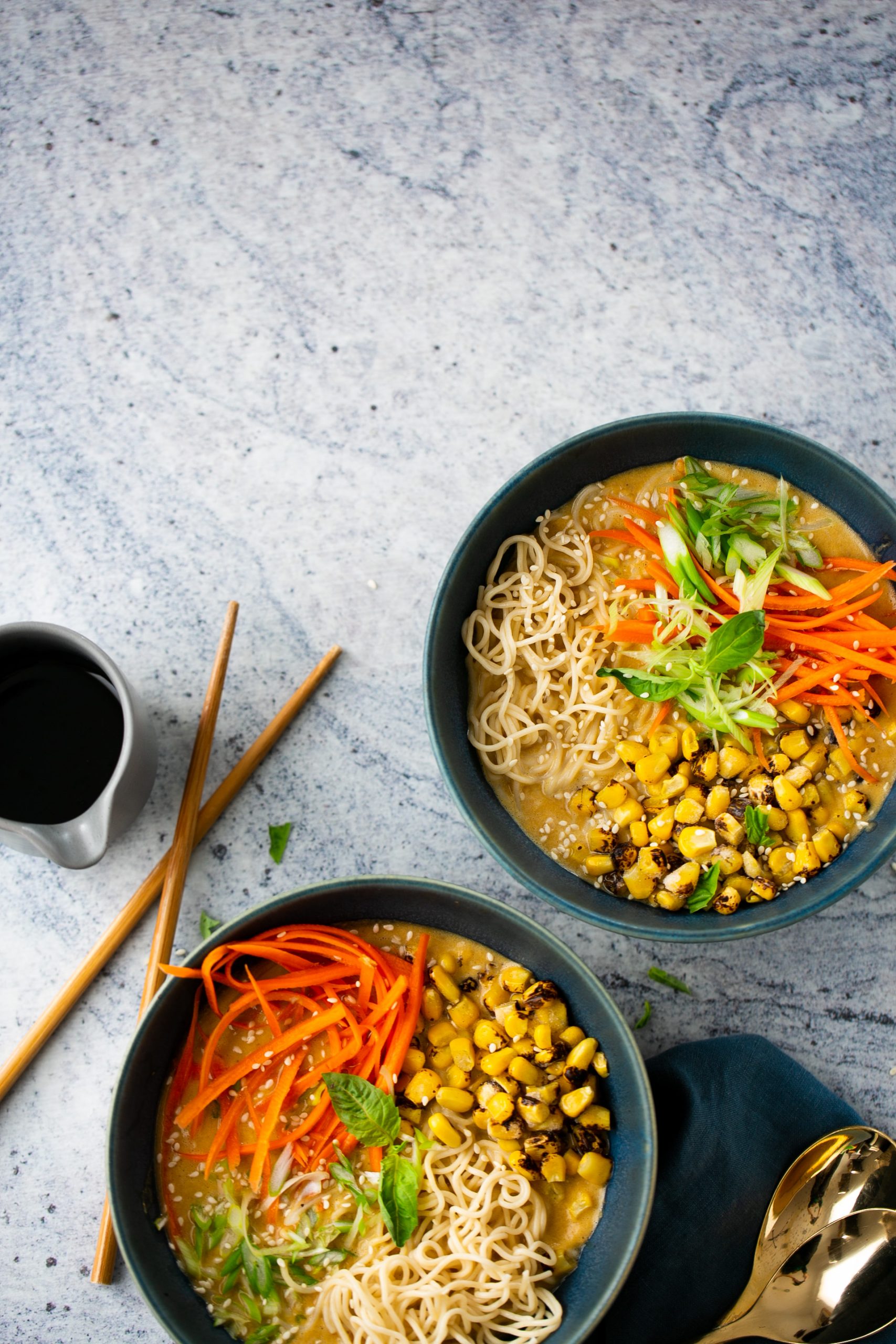
Creating this innovative bowl of ramen requires a systematic, streamlined approach designed to maximize flavor development while minimizing active kitchen time. The entire preparation and cooking process spans approximately forty minutes, divided evenly between active preparation and thermal processing.
The culinary timeline begins with the roasting of the sweet potato, a critical step that concentrates its natural sugars and softens its cellular structure for effortless blending. Concurrently, a simple aromatic base of sliced mushrooms, onions, garlic, and ginger is sautéed in a pot to release foundational volatile compounds. Once the aromatics are tender, the roasted sweet potato and natural peanut butter are introduced to the mixture, followed by water or a light vegetable stock.

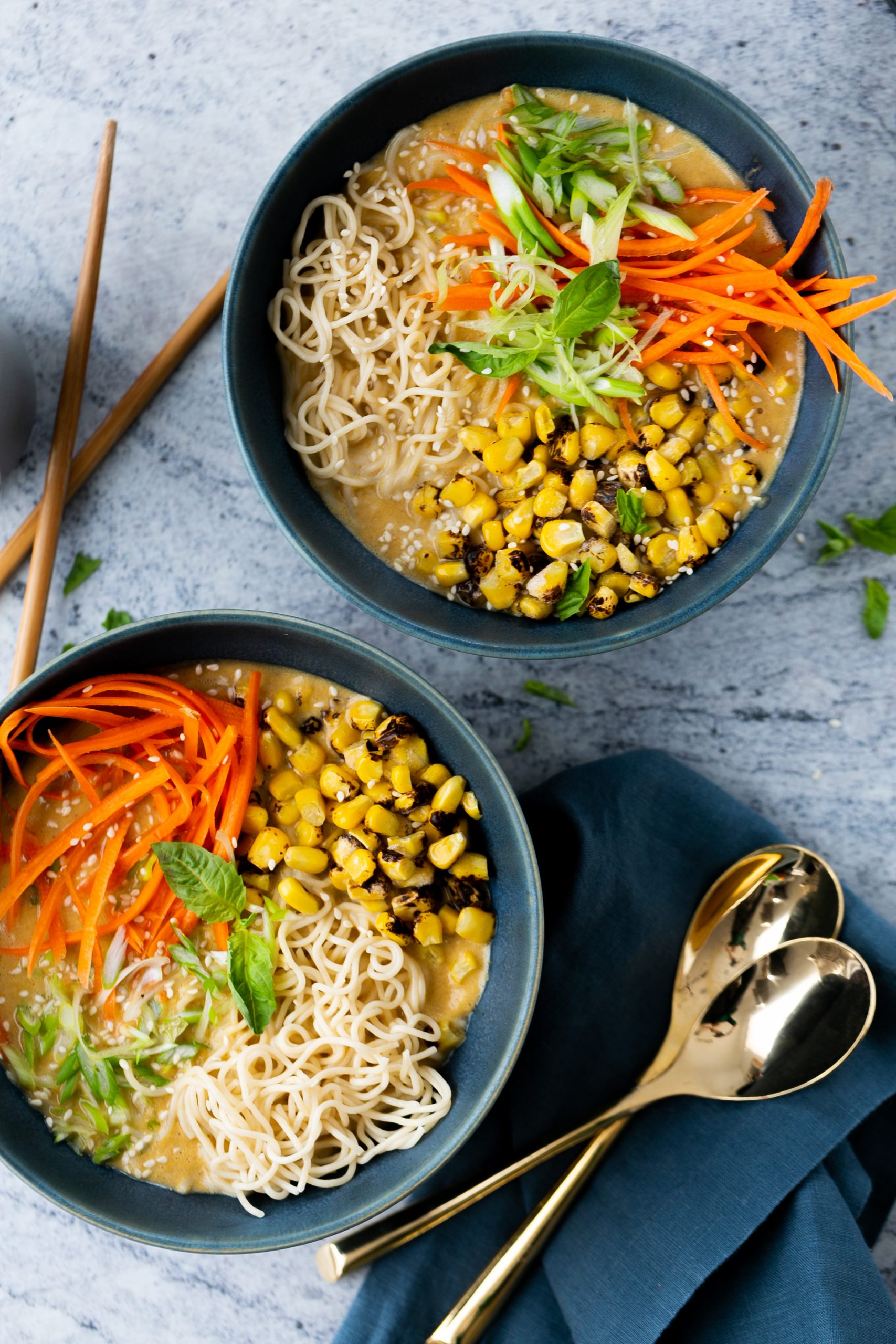
Rather than simmering for hours, the ingredients are thoroughly integrated and processed—traditionally via a high-speed blender—to achieve a completely homogenous, creamy emulsion. While the broth is finalized, the chosen noodles—such as gluten-free rice and millet noodles or vegetable-based alternatives—are boiled separately. The final stage involves the assembly of individual bowls, where a concentrated four-ingredient tare (seasoning sauce) is added directly to each serving rather than the master pot, allowing diners to customize their sodium and acid levels.
Nutritional Profile and Dietary Implications

From a nutritional perspective, this modern adaptation offers a balanced macronutrient profile that contrasts sharply with heavy, sodium-laden instant varieties. A standard serving contains approximately 229 kilocalories, characterized by 47 grams of carbohydrates, 7 grams of protein, and only 1 gram of fat. Furthermore, the dish delivers significant dietary fiber (4 grams) and essential micronutrients, most notably a high concentration of Vitamin A derived from the sweet potatoes (registering roughly 8,891 International Units per serving).
The reliance on whole-food ingredients rather than processed additives addresses growing consumer demand for clean-label meal options. By substituting refined fats with peanut butter, the recipe provides healthy plant-based lipids and sustained energy. Additionally, the inherent adaptability of the dish—such as substituting standard wheat noodles with zucchini ribbons or gluten-free alternatives—caters to individuals managing celiac disease, gluten sensitivities, or specific caloric restrictions.

Industry Analysis and Broader Culinary Impact
The widespread adoption of accessible, blender-based vegan broths reflects a broader democratization of gourmet cooking. Culinary analysts note that recipes prioritizing pantry staples over specialty imported ingredients lower the barrier to entry for international cuisine. By demonstrating that complex, restaurant-quality textures can be achieved using ubiquitous produce like sweet potatoes, creators are empowering home cooks to experiment with plant-based eating without investing in niche culinary equipment.

Furthermore, the technique underscores an ongoing shift toward sustainable kitchen practices. Utilizing roasted root vegetables not only enhances flavor through the Maillard reaction but also encourages the incorporation of nutrient-dense produce into everyday comfort foods. As consumer interest in innovative comfort food continues to expand, recipes that successfully bridge the gap between traditional techniques and modern dietary needs are expected to remain a staple of contemporary home cooking literature.
Related posts: