The traditional dish known as Tinga, a staple of Mexican cuisine originating from the state of Puebla, has undergone a significant culinary transformation in contemporary home kitchens. Historically, Tinga is defined by shredded chicken simmered in a rich, smoky sauce primarily composed of tomatoes, onions, garlic, and chipotle peppers in adobo. However, recent developments in home-cooking techniques and ingredient sourcing have introduced a more nuanced, "fiery" version of the dish, which integrates the tart complexity of tomatillos alongside traditional tomatoes to enhance the flavor profile and sauce consistency.
Historical Context and Culinary Evolution
Tinga poblana, as it is traditionally known, is a dish deeply rooted in the history of the Puebla region. While its exact origins remain a subject of debate among food historians, it is widely recognized as a "guisado"—a hearty, braised stew meant to be served over tostadas or inside tacos. The classic preparation typically focuses on the smoky heat provided by chipotle peppers, a smoked and dried jalapeño.
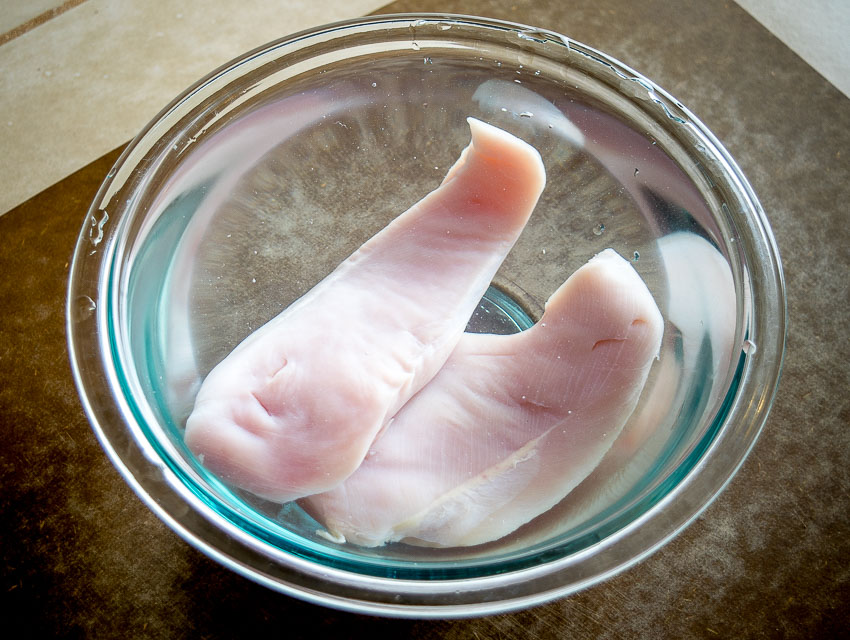
In the past decade, the dish has transitioned from a labor-intensive, stove-top preparation to a more accessible version that utilizes modern kitchen conveniences. The introduction of the "brine-and-bake" method, a technique often reserved for Thanksgiving turkeys or high-end roasted meats, is now being applied to chicken breasts for Tinga. This method addresses a common issue in home-cooked shredded chicken: moisture loss. By brining chicken in a salt solution for 30 to 60 minutes, the muscle fibers retain water during the cooking process, resulting in a more succulent final product that better absorbs the potent Tinga sauce.
Technical Preparation and Ingredient Analysis
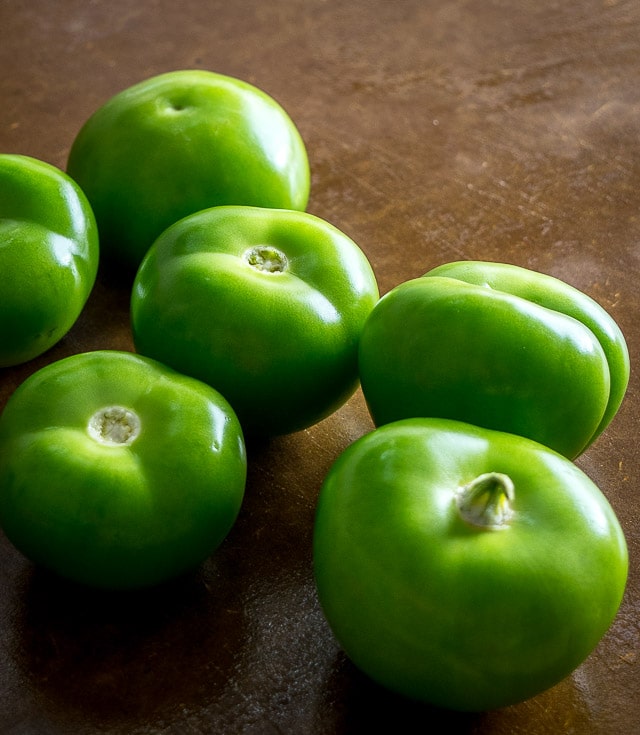
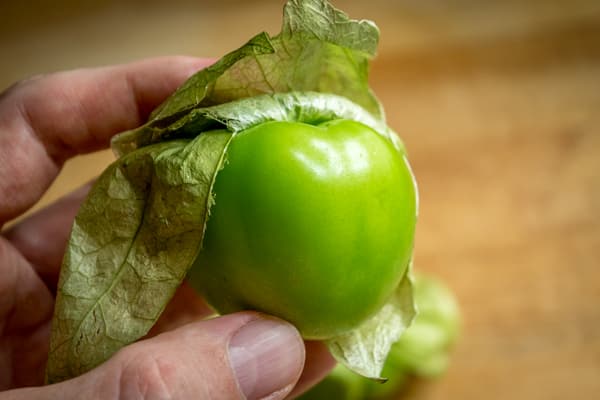
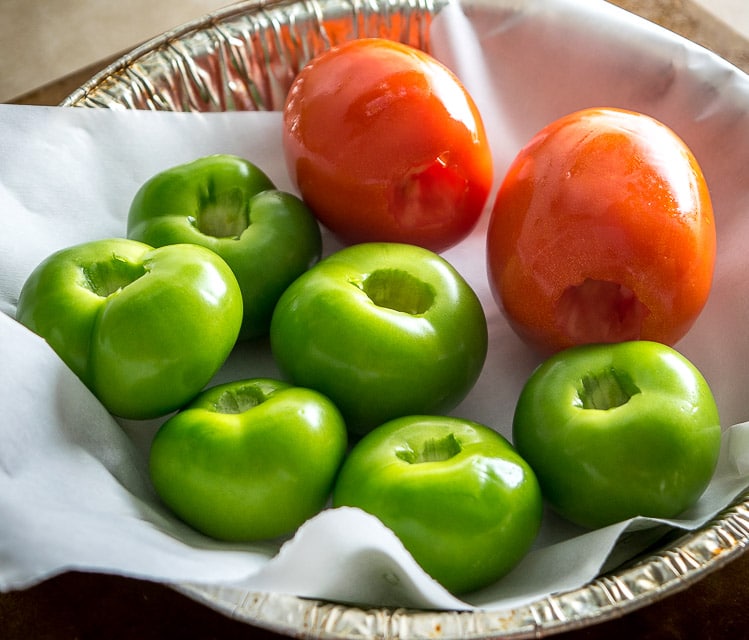
The modern iteration of Spicy Chicken Tinga relies on a specific chemical balance between the acidity of tomatillos and the sweetness of Roma tomatoes. Tomatillos, members of the nightshade family, are wrapped in a papery husk and possess a natural tartness that provides a bright contrast to the heavy, smoky notes of the chipotle in adobo.
Culinary experts note that the substitution or addition of tomatillos into the traditional tomato-only base alters the pH level of the sauce, providing a more complex, vibrant finish. For optimal results, fresh tomatillos must be firm and bright green; wrinkled skins are an indicator of advanced ripening, which can negatively impact the texture and brightness of the sauce.
The preparation process has been refined into a standardized chronology:
- The Brining Phase: Chicken breasts are submerged in a solution of one quart of water and one-quarter cup of Kosher or sea salt. This osmotic process ensures deep seasoning.
- Thermal Processing: Ingredients, specifically two plum tomatoes and five to six tomatillos, are roasted at 400°F (approximately 200°C) to induce Maillard reactions, deepening the savory notes.
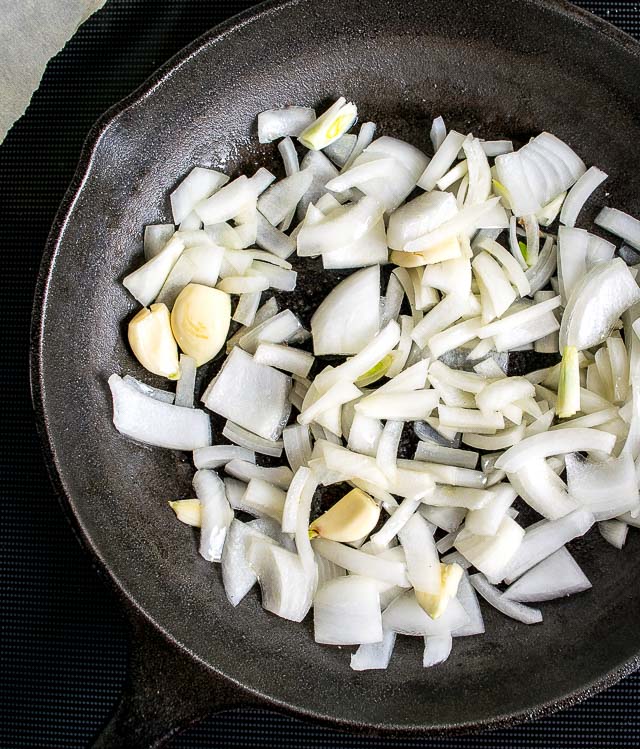
- Aromatic Sauté: Onions and whole garlic cloves are browned in oil to create the flavor base.
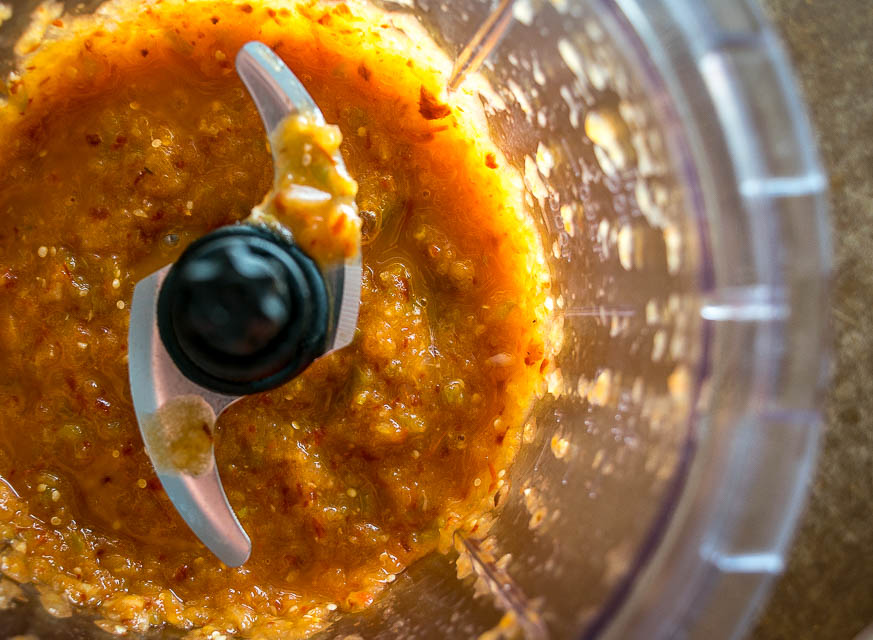
- Emulsification: The roasted vegetables and aromatics are blended with chipotles in adobo. The common practice of removing chipotle seeds before blending is recommended to ensure a smooth, uniform sauce texture.
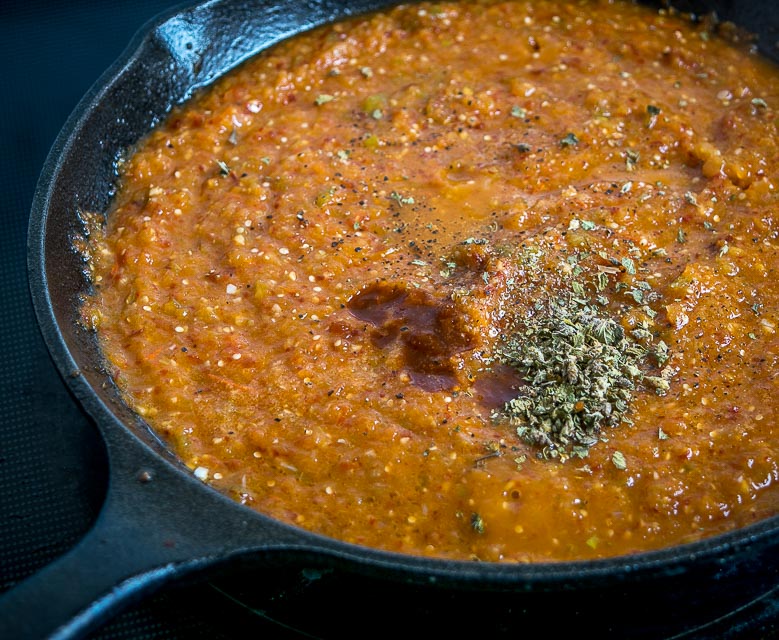
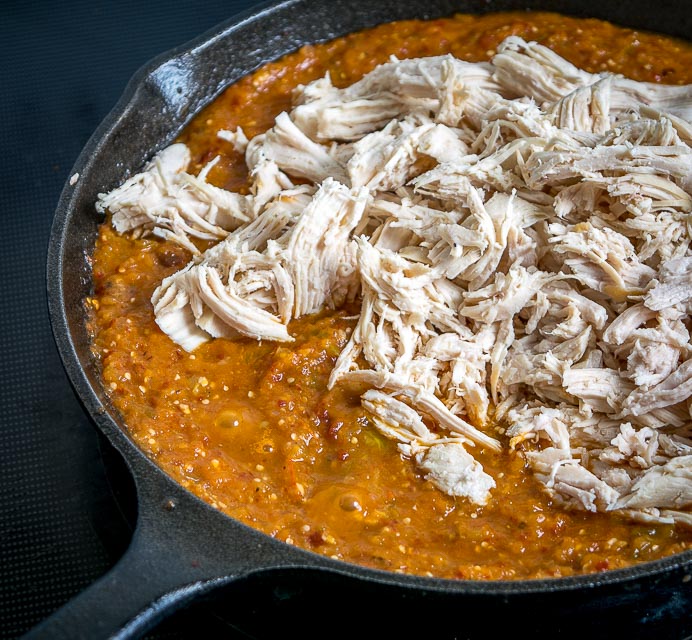
- Reduction and Incorporation: The sauce is simmered, spices—including Mexican oregano, black pepper, and optional cumin—are added, and the shredded, baked chicken is folded into the mixture.
Supporting Data and Ingredient Ratios
While recipes remain subjective, the standardized "fiery" version suggests a specific ratio to maintain balance. The inclusion of five chipotle peppers provides a significant Scoville heat unit increase compared to standard recipes, which often call for one or two. The optional use of extra adobo sauce allows for customization, catering to consumers with a higher tolerance for capsaicin.
Nutritional analysts suggest that using brined chicken breast as the primary protein source maintains a lean profile, provided the fats used during the sauté and blending phases are controlled. The use of black bean puree as a side or base component adds a significant source of fiber and plant-based protein, creating a nutritionally balanced meal.
Implications for Home Dining
The move toward "stand-alone" sauces—sauces that are robust enough to be stored in the refrigerator for extended periods—reflects a broader trend in meal preparation known as "batch cooking." By creating a shelf-stable, flavor-dense base, home cooks can reduce their preparation time for subsequent meals throughout the week.
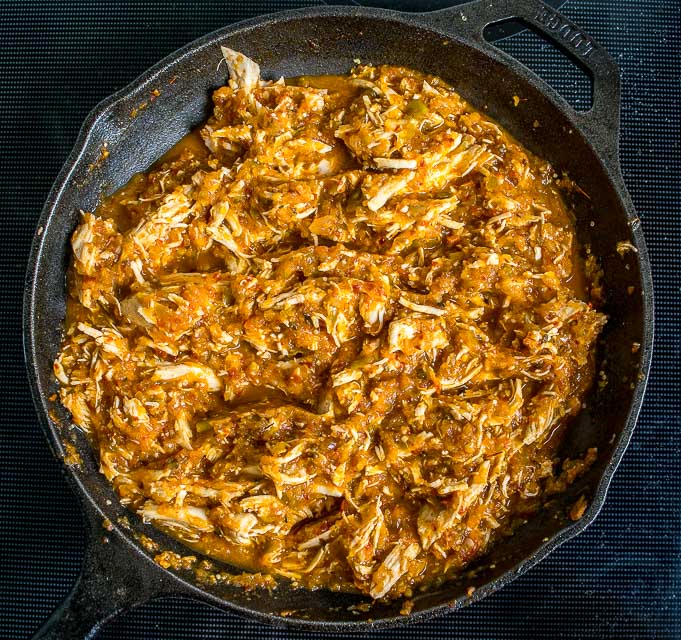
The versatility of this Tinga base has led to its inclusion in a variety of secondary dishes:
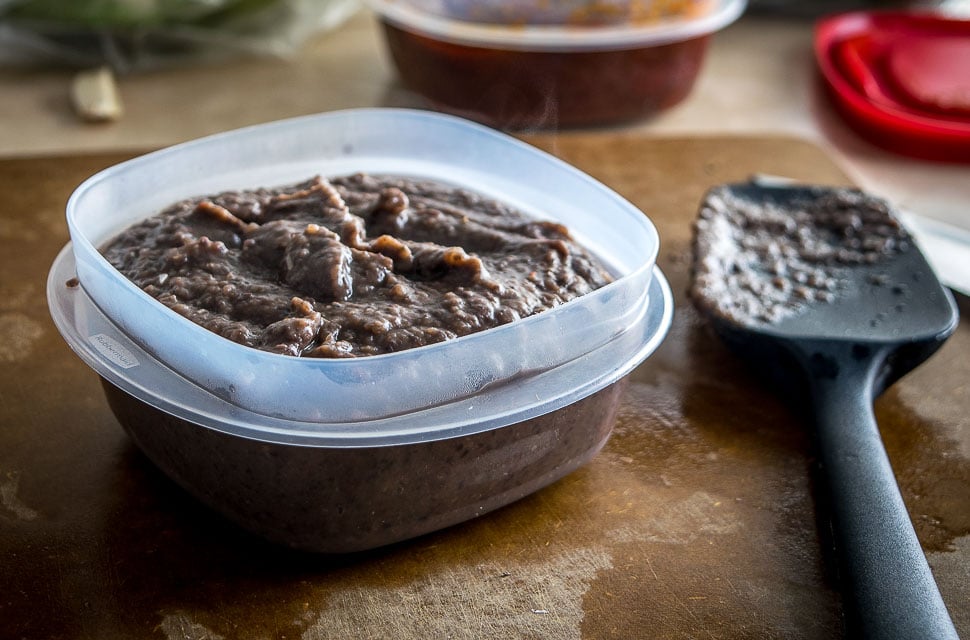
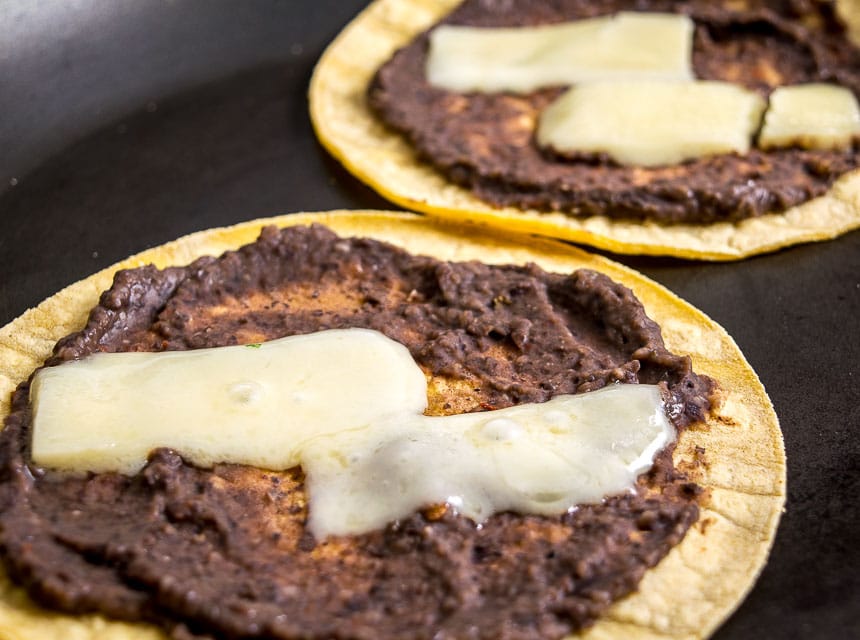
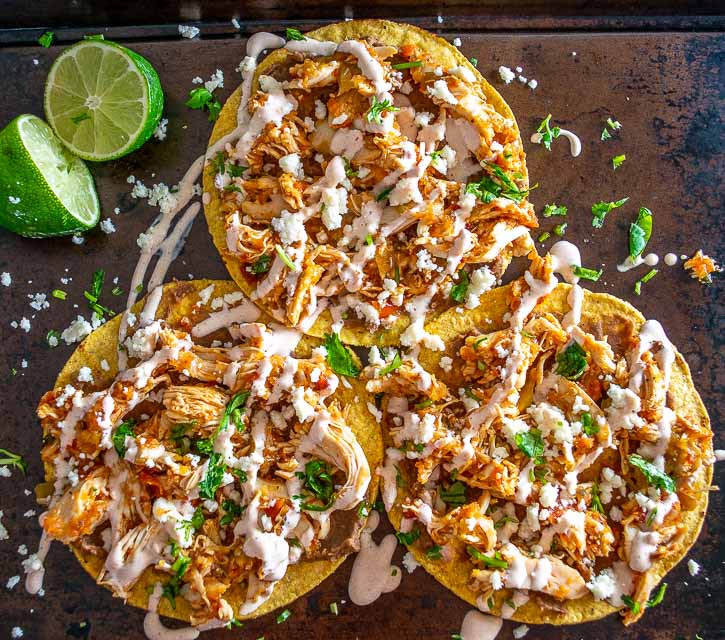
- Tinga Tostadas: A crisp corn tortilla provides the structural base for the moist chicken, typically garnished with cilantro, lime, and sometimes pickled onions for additional acidity.
- Tinga Enchiladas: The sauce acts as a binding agent, allowing for the filling of tortillas that are then baked or lightly fried.
- Torta Fillings: The density of the sauce makes it ideal for sandwiches, where it can be absorbed into bread without causing sogginess.
Expert Perspectives on Flavor Profiles
Professional chefs emphasize that the "zip" or intensity of the Tinga sauce is largely dependent on the quality of the chipotle in adobo. The adobo sauce itself is a complex mixture of tomato, vinegar, garlic, and various spices. When the sauce is pulsed rather than fully liquified, it retains a texture that mimics traditional hand-chopped ingredients, providing a superior mouthfeel.
Regarding the use of Mexican oregano, botanists and culinary historians note that it is distinct from Mediterranean oregano. Mexican oregano (Lippia graveolens) is a member of the verbena family and carries citrusy, floral notes that are essential for balancing the heavy smoke of the chipotles. Substituting Mediterranean oregano, which is part of the mint family, can fundamentally shift the flavor profile away from the authentic profile associated with the Puebla region.
Future Culinary Outlook
As home cooking continues to integrate global techniques, the "fiery" Tinga represents a successful hybridization of traditional Mexican flavor structures and modern, efficient preparation methods. The data suggests that as long as the core tenets of the dish—the acidity of the tomatillos and the smokiness of the chipotles—are maintained, the dish remains highly adaptable to various dietary needs and preferences.
The continued rise in popularity of this specific recipe format is attributed to its high "reward-to-effort" ratio. The ability to prepare a multi-dimensional sauce that serves as the foundation for multiple, distinct meals aligns with current consumer demands for convenience without sacrificing the complexity or cultural authenticity of the food. As regional Mexican cuisine continues to gain global traction, the evolution of dishes like Tinga will likely continue, further cementing their status as essential components of the modern culinary repertoire.
Related posts: