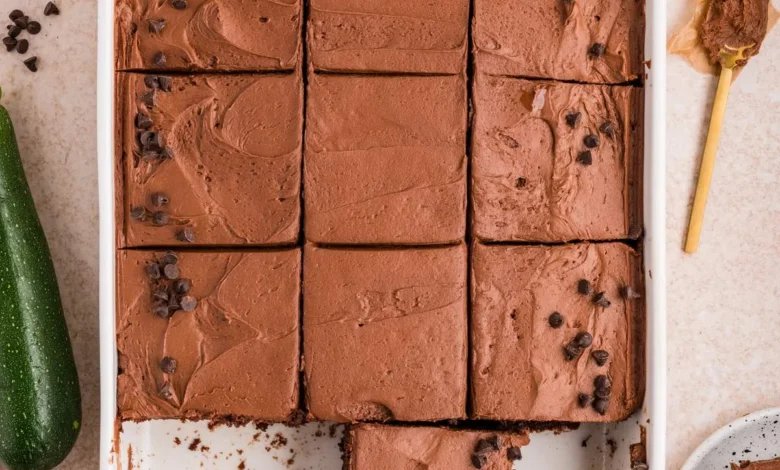
The culinary phenomenon of incorporating garden-fresh vegetables into sweet baked goods has gained significant traction within home and professional kitchens alike, culminating in standout innovations like the modern Chocolate Zucchini Cake. As home gardeners and agricultural markets face seasonal surpluses of squash during the late summer harvest months, bakers continually seek resourceful methods to utilize bulk produce. This specific dessert addresses both an abundance of zucchini and a consumer demand for rich, comforting desserts by substituting traditional heavy fats with finely grated summer squash. Food science principles explain that the high water content of the vegetable effortlessly maintains a tender crumb, allowing deep cocoa flavors and fudgy frostings to dominate the sensory experience without alerting unsuspecting diners to the presence of produce.
The historical integration of vegetables into sweet pastries and cakes dates back centuries, finding formal footing during periods of economic rationing such as World War II. During eras when dairy, fats, and refined sugars were heavily restricted or unavailable, home cooks utilized grated root and squash vegetables to retain moisture and structural integrity in baked goods. Over the decades, culinary professionals modernized these resourceful techniques, demonstrating that ingredients like carrots, sweet potatoes, and zucchini serve vital functional purposes in modern baking. Rather than masking the vegetable, contemporary pastry chefs elevate it, relying on its natural moisture-retention properties to prevent the dryness often associated with high-cocoa recipes.
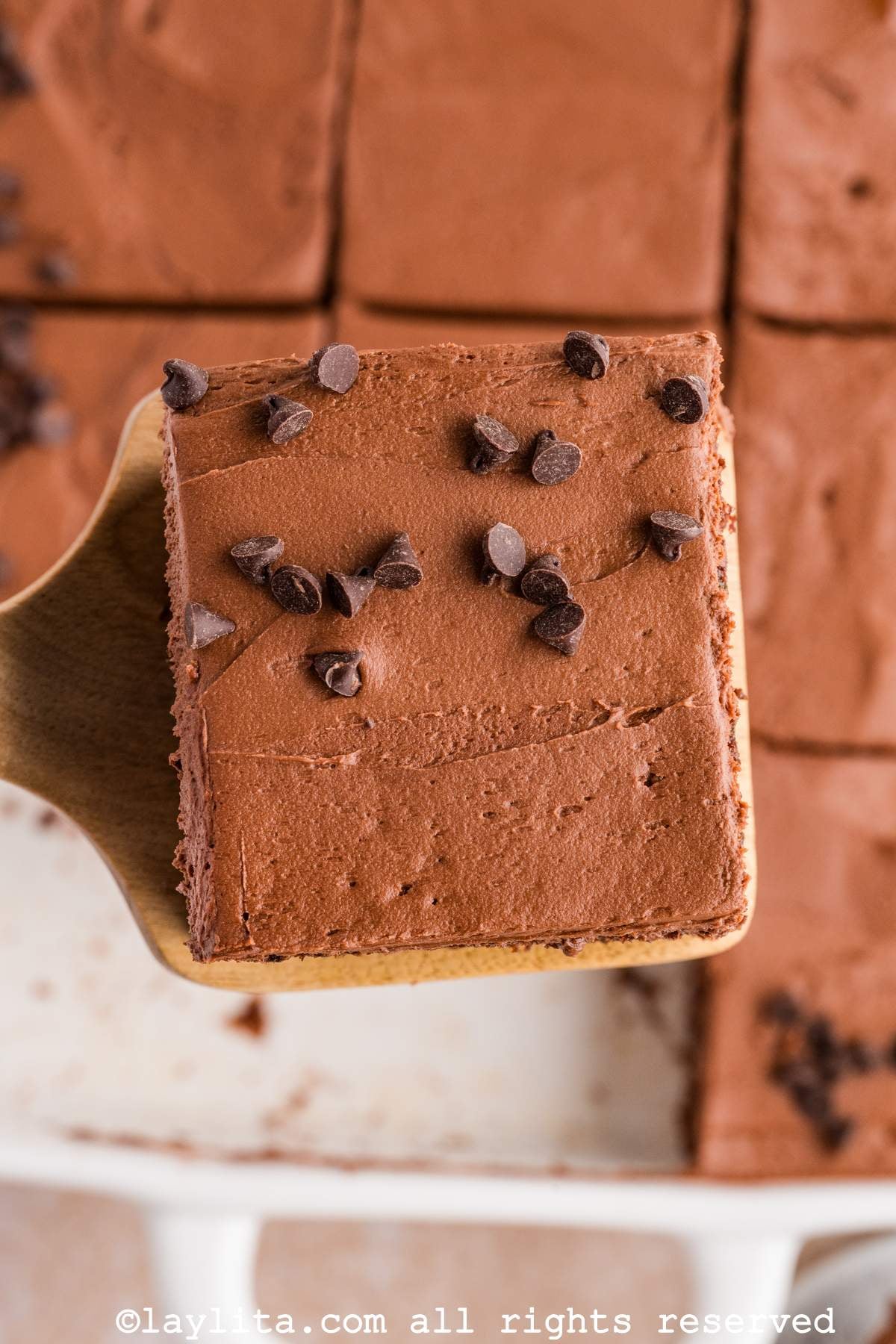
The formulation of a successful chocolate zucchini cake relies on precise culinary techniques and ingredient ratios. Culinary experts advise that fresh, firm zucchini yields the optimal structural foundation for the batter. While smaller varieties can be grated whole without skin removal, larger late-summer specimens often feature fibrous exteriors that require peeling to preserve a uniform texture. Furthermore, while fresh grated zucchini can be folded directly into the batter, frozen zucchini requires thorough thawing and intensive manual liquid extraction. Failing to press out excess moisture from thawed squash can introduce surplus water, disrupting the precise chemical balance needed for a stable rise and leading to a dense or soggy final product.
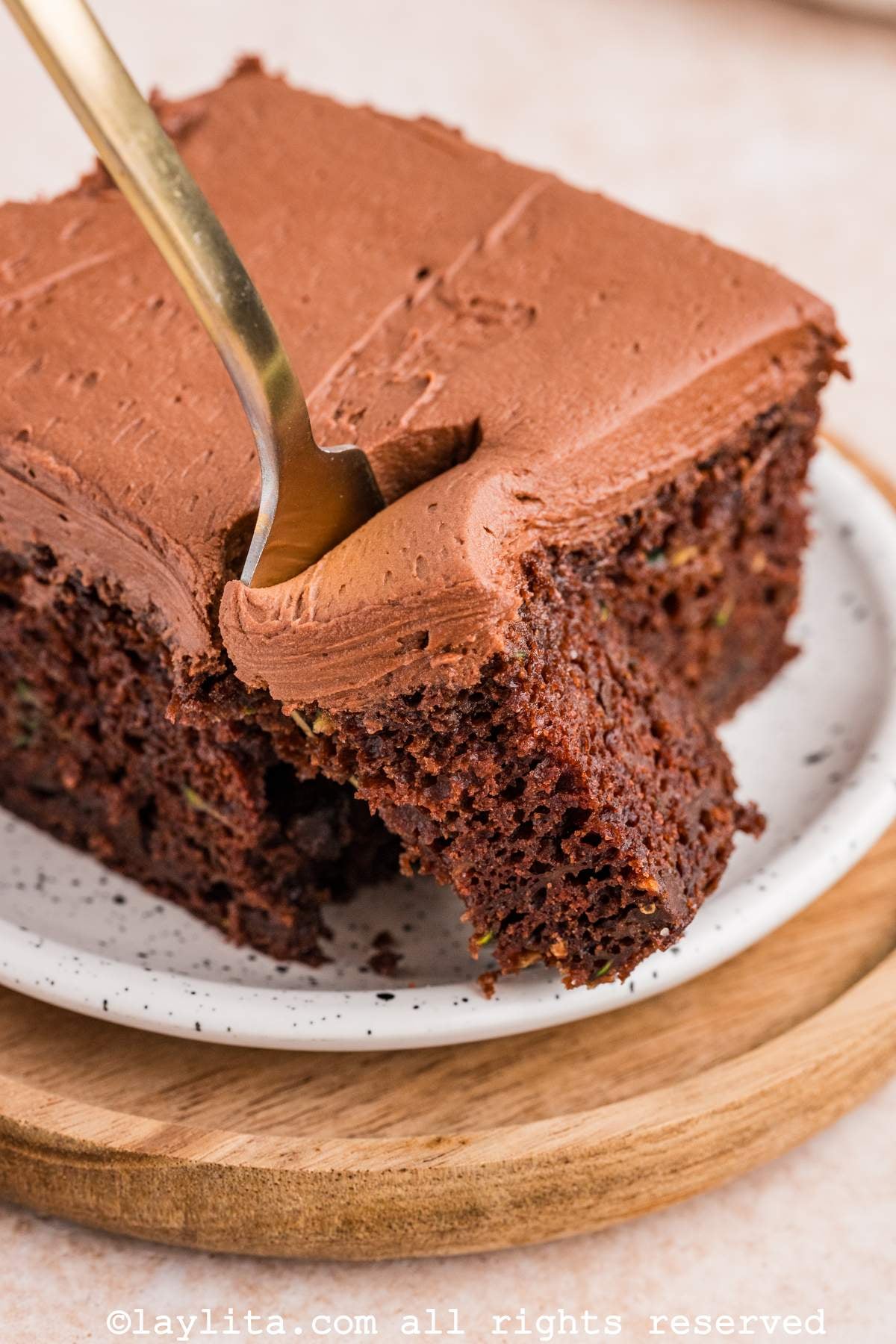
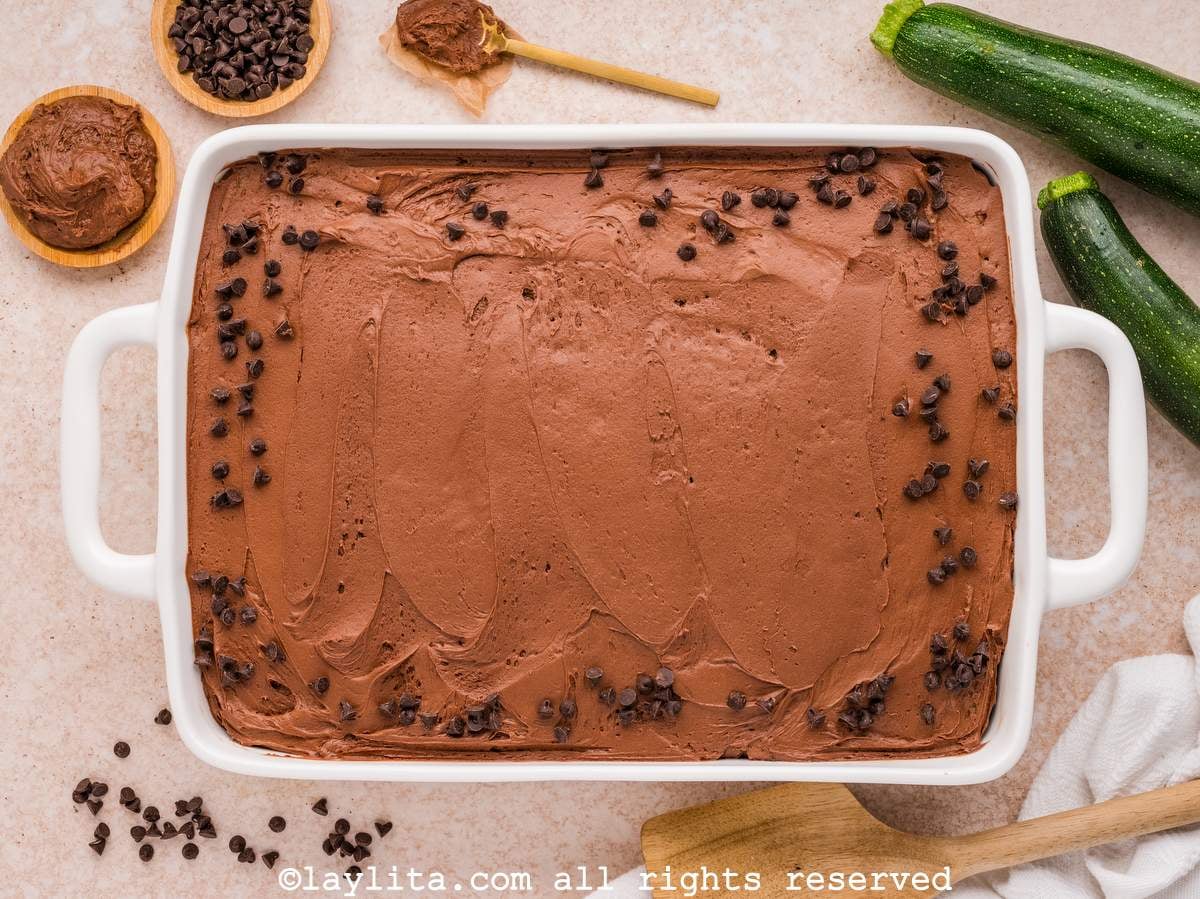
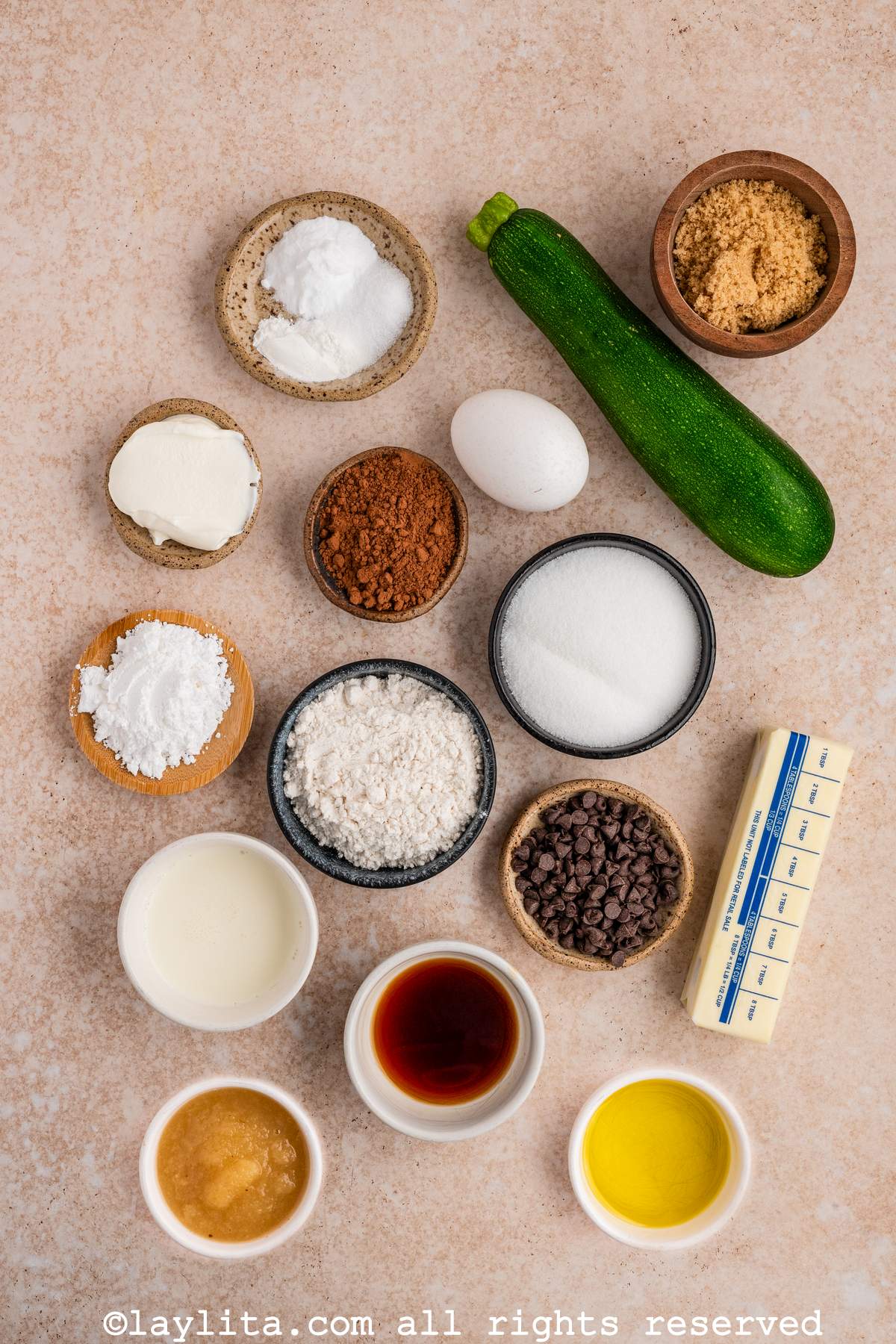
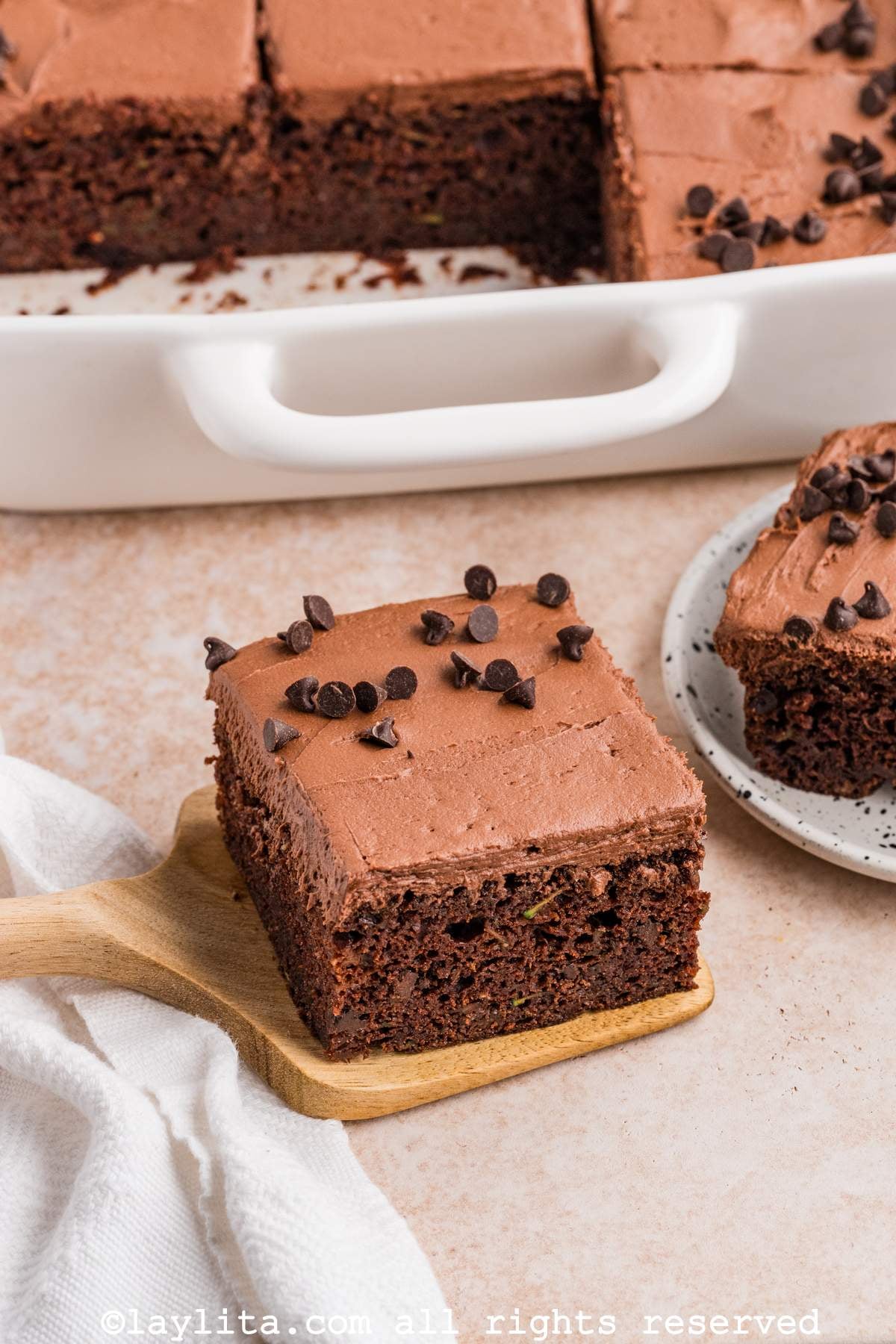
Beyond the baseline mechanics of vegetable integration, the structural integrity of the cake is reinforced by standard baking agents and dairy additions. The inclusion of components such as sour cream, Greek yogurt, or applesauce works synergistically with the natural juices of the zucchini. This multi-layered hydration approach ensures that the interior crumb remains ultra-soft and fudgy over a multi-day storage window. Combined with high-grade cocoa powder, mini chocolate chips, and a rich, whipped chocolate buttercream or fudge frosting, the finished dessert delivers a deeply decadent flavor profile that completely conceals its plant-based origins.
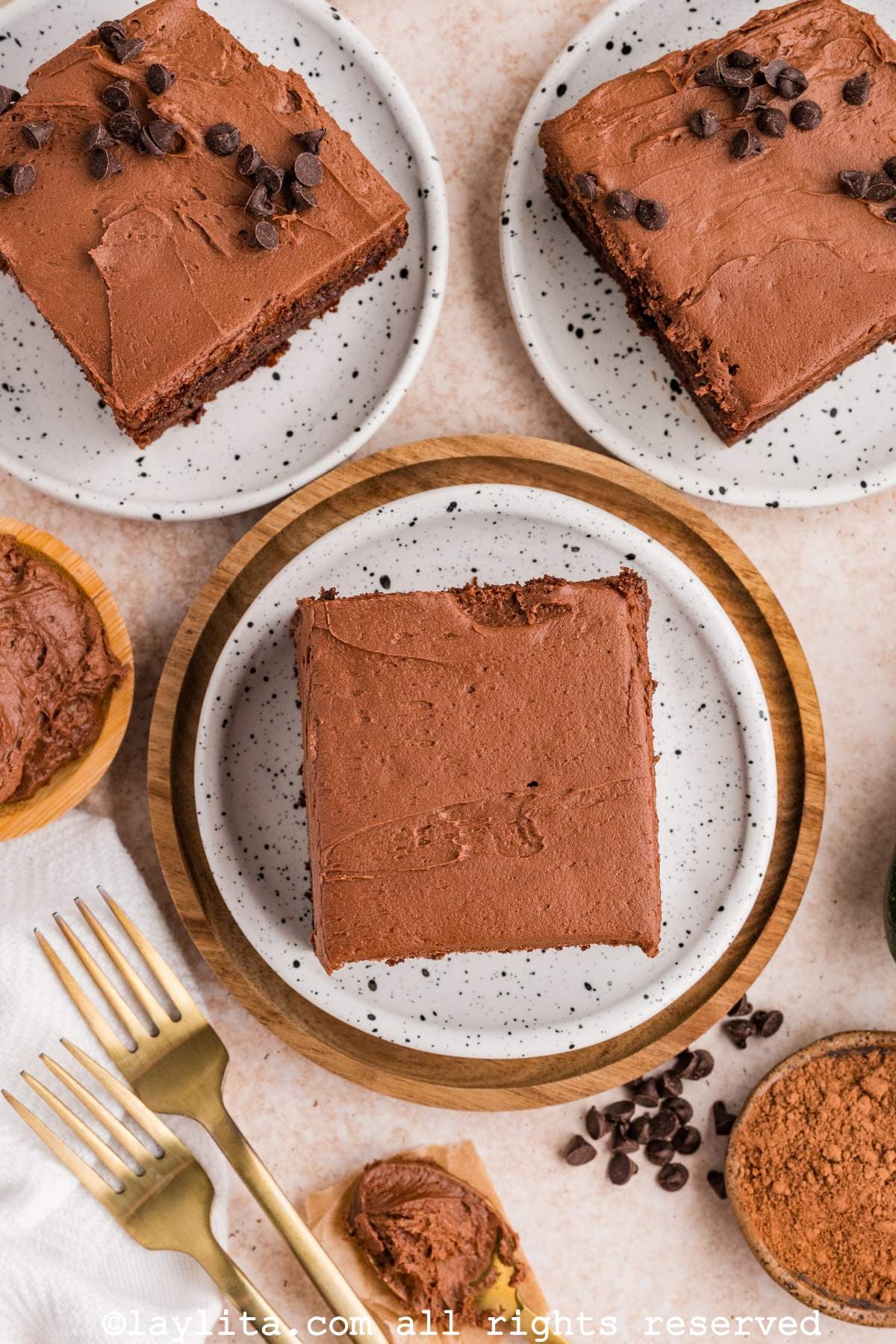
Culinary nutritionists and food economists note that baking with surplus seasonal produce offers notable secondary benefits, including reduced food waste and stealthy nutrient incorporation. While indulgent chocolate cakes are rarely classified as health food, substituting a portion of heavy oils with moisture-dense vegetables inherently alters the nutritional density of the dessert. This characteristic has made vegetable-infused baked goods a preferred strategy for parents and culinary educators aiming to normalize diverse ingredients among children without sacrificing sensory appeal. Market analysts tracking consumer baking trends indicate a steady rise in searches for garden-to-table dessert adaptation recipes during peak harvest windows, signaling enduring interest in resourceful home baking practices.
Professional pastry kitchens and home bakers alike emphasize proper post-baking handling to maintain the quality of the dessert. Because the traditional fudge or cream-based frosting requires stable refrigeration to prevent separation, completed cakes are typically stored in airtight containers at controlled low temperatures for up to five days. To restore the optimal mouthfeel prior to consumption, food safety and culinary guidelines recommend tempering refrigerated slices at ambient room temperature for approximately fifteen minutes. For long-term preservation, the unfrosted cake base can be wrapped securely in moisture-barrier materials and frozen for up to three months, provided it undergoes a slow overnight thaw in the refrigerator before final decoration and service.
The broader cultural impact of recipes like the chocolate zucchini cake reflects a wider shift toward sustainable, resourceful domestic cooking. As inflation and grocery supply fluctuations prompt consumers to maximize home garden yields and minimize household waste, traditional baking hacks are undergoing a modern renaissance. Food media platforms and recipe developers report that hybrid comfort foods—those bridging the gap between indulgence and practical produce utilization—consistently rank among the highest-engagement culinary content categories. By transforming a prolific garden vegetable into an acclaimed dessert centerpiece, home cooks continue to prove that innovation in the kitchen often stems from necessity, resourcefulness, and a profound appreciation for food science.