English sunshine and English wine make an excellent pairing: Exploring the rise of the UK sparkling wine sector through the lens of Gen Z consumers.


The British viticultural landscape is currently undergoing a period of unprecedented transformation, driven by both favorable climate shifts and a burgeoning interest from younger demographics. As the 2026 summer season reached its peak, coinciding with a period of intense heat and major global sporting events like the FIFA World Cup, the English wine industry has seen a notable uptick in engagement from consumers aged 18 to 29. This shift is highlighted by the recent Decanter Gen Z Wine Challenge, an initiative designed to foster deeper connections between emerging wine drinkers and the diverse range of domestic offerings.
A Shifting Demographic Landscape
For many young adults in urban centers like London, wine consumption has evolved from a formal, occasional experience into a social catalyst. Industry data suggests that younger consumers are increasingly prioritizing domestic products, a trend supported by the growing accessibility of English vineyards. Unlike previous generations, who often associated English wine exclusively with premium, traditional-method sparkling vintages, the contemporary Gen Z consumer is exploring the full spectrum of production methods, from complex, long-aged cuvées to more approachable, carbonated offerings.
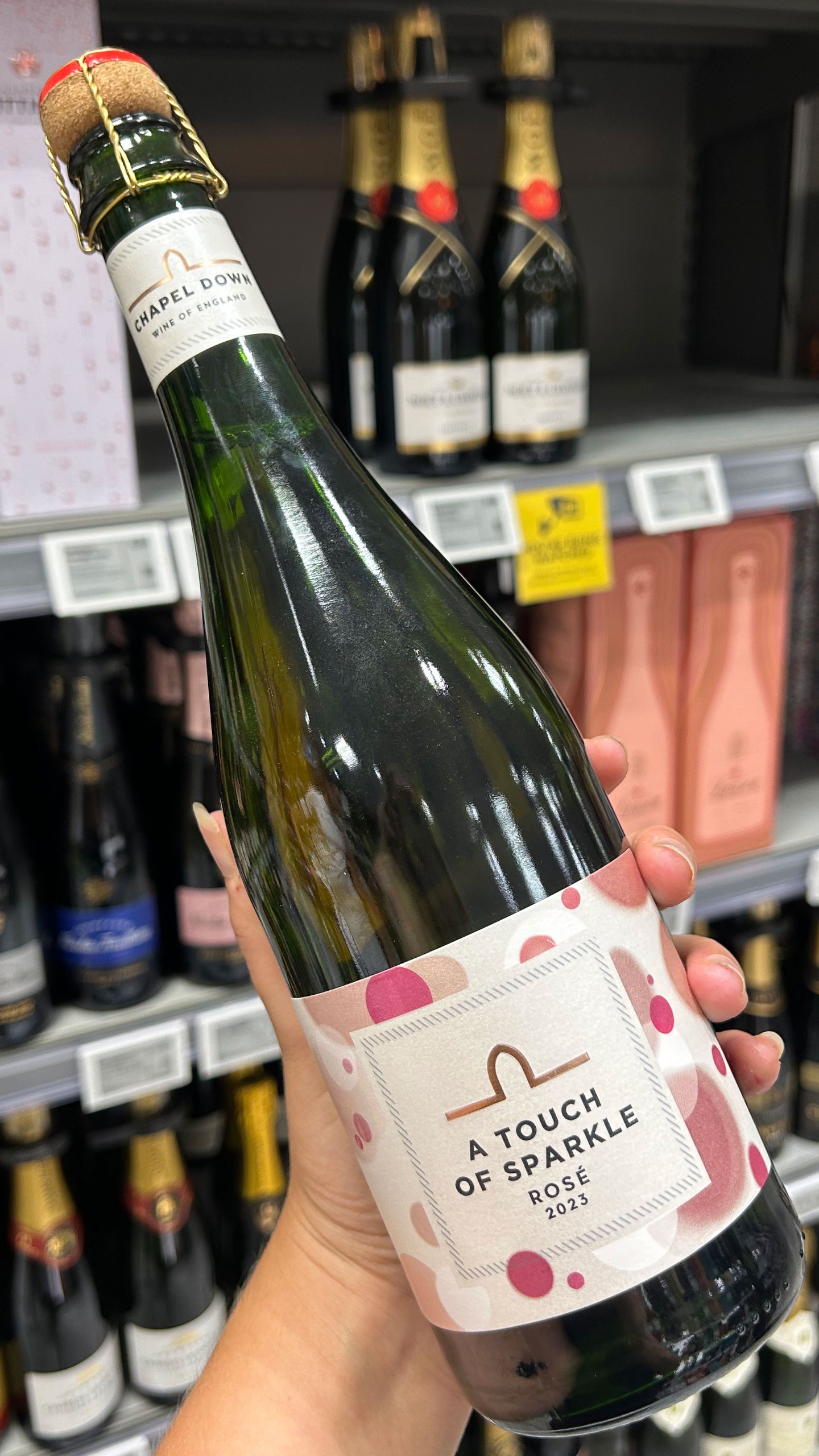
The recent selection by participants in the Gen Z Wine Challenge underscores this versatility. The focus on Chapel Down’s "A Touch of Sparkle" rosé, a product characterized by its carbonated finish rather than secondary fermentation, reflects a move toward accessibility. While the UK remains famous for its traditional-method sparkling wines—which consistently rival Champagne in blind tastings—the introduction of lower-intervention, accessible price-point bubbles is bridging the gap for casual drinkers who view wine as a companion to social leisure rather than a collectible asset.
The Evolution of English Viticulture: A Chronology
The current success of the English wine industry is the result of decades of strategic development. The trajectory of the sector can be mapped through several critical milestones:

- 1990s-2000s: The Foundation: The industry focused on proving that the chalky soils of Southern England, particularly in Kent, Sussex, and Surrey, mirrored the geological profile of the Champagne region. Early pioneers began producing high-quality traditional-method sparkling wines that garnered international attention.
- 2010s: Global Recognition: English sparkling wine achieved consistent gold-medal status at the Decanter World Wine Awards, cementing its reputation. Vineyard acreage expanded significantly as investors recognized the long-term potential of a warming climate.
- 2020-2025: Diversification: Producers began experimenting with still wines, particularly Chardonnay and Pinot Noir, alongside a broader range of sparkling techniques. The introduction of "A Touch of Sparkle" style wines marked a pivot toward volume and consumer-friendly pricing.
- 2026: The Cultural Integration: The intersection of record-breaking summer temperatures and a renewed interest in local tourism saw English wine become a staple of the "British Summer" aesthetic, fueled by digital media and direct-to-consumer vineyard experiences.
Economic Context and Market Segmentation
The economic impact of this growth is significant. According to recent trade reports, the English wine industry has moved beyond its "niche" status to become a major contributor to the agricultural and tourism sectors. By diversifying their product lines—ranging from the gold-medal-winning 2016 Coeur de Cuvée Extra Brut, which retails at a premium, to accessible bottles priced around £16—producers are effectively capturing multiple market segments.
This segmentation is vital for long-term sustainability. While the high-end sparkling market continues to attract connoisseurs and international buyers, the lower-entry-point products are essential for building brand loyalty among younger demographics. By offering an uncomplicated, refreshing experience, producers like Chapel Down are lowering the barrier to entry for consumers who might otherwise feel intimidated by the complex terminology associated with traditional-method wines.
Technical Perspectives: Carbonation vs. Traditional Method
Understanding the technical differences between production methods is becoming an increasingly popular pursuit for the modern drinker. The "Traditional Method" (méthode traditionnelle) requires secondary fermentation in the bottle, a labor-intensive and time-consuming process that imparts complex brioche and yeasty notes. In contrast, wines that utilize direct carbonation or the Charmat method offer a cleaner, more fruit-forward profile that appeals to a broader palate.
For industry observers, the fact that younger consumers are actively investigating these technical differences—often by visiting the wineries themselves—is an encouraging sign of a maturing consumer base. Industry bodies have noted that direct interaction with vineyards, such as those in Sussex and Cornwall, has provided an educational foundation that traditional retail environments often fail to deliver.
Industry Implications and Future Outlook
The "Gen Z Wine Challenge" represents a deliberate effort by industry leaders to address the "accessibility gap." Retail data from outlets such as Waitrose Cellar and Ocado indicates that there is a clear demand for products that sit comfortably within a £15-£20 price bracket. This price point is considered the "sweet spot" for younger professionals who are willing to trade up from mass-produced international options in favor of local quality.
Looking ahead, the industry faces the challenge of scaling production without compromising the reputation of "Englishness" as a hallmark of quality. Furthermore, the rise of the "Under 30s Wine Trade Sips" initiative suggests that the next generation of industry professionals—those working in bars, restaurants, and retail—will be the primary advocates for this movement. By empowering these individuals to share their experiences and preferences, the sector is creating a feedback loop that ensures future product development remains aligned with shifting social habits.
Broader Societal Impact
Beyond the economics, the integration of English wine into the social fabric of the UK has cultural implications. As sustainability becomes a core value for younger consumers, the low "food miles" associated with drinking local wine provide a compelling narrative. The ability to visit the source of one’s drink—whether it be in the lush valleys of Cornwall or the rolling hills of Kent—creates an emotional connection that global imports struggle to replicate.
The 2026 season has proven that English wine is no longer merely a curiosity or a luxury product for the elite. It has successfully pivoted to become a versatile, modern beverage that fits into the varied lifestyles of today’s urban population. As the industry continues to professionalize its approach to marketing and consumer education, it is well-positioned to maintain its current momentum, turning a season of "sparkle" into a long-term shift in British consumption habits.
In summary, the growth of the English wine sector is not merely a story of improved viticulture; it is a story of successful market adaptation. By embracing a diverse range of products and engaging directly with a tech-savvy, eco-conscious, and socially motivated demographic, the industry has secured a place in the future of the British beverage market. Whether through the lens of a high-scoring vintage or a casual, refreshing rosé, the message remains clear: the domestic wine industry is flourishing, and a new generation is ready to lead the way.