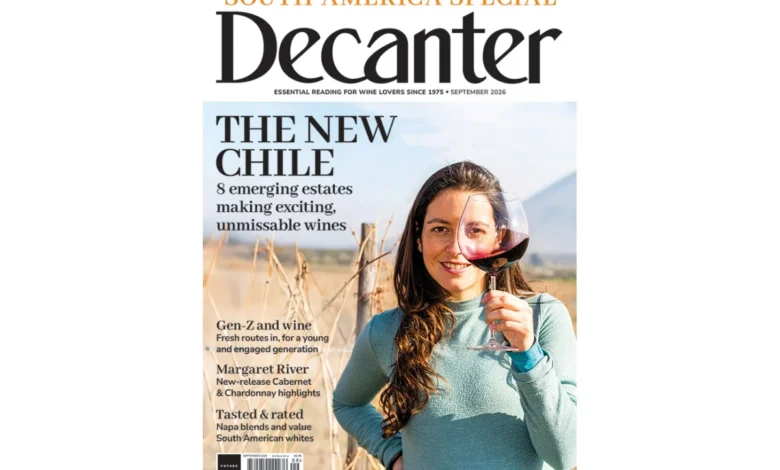
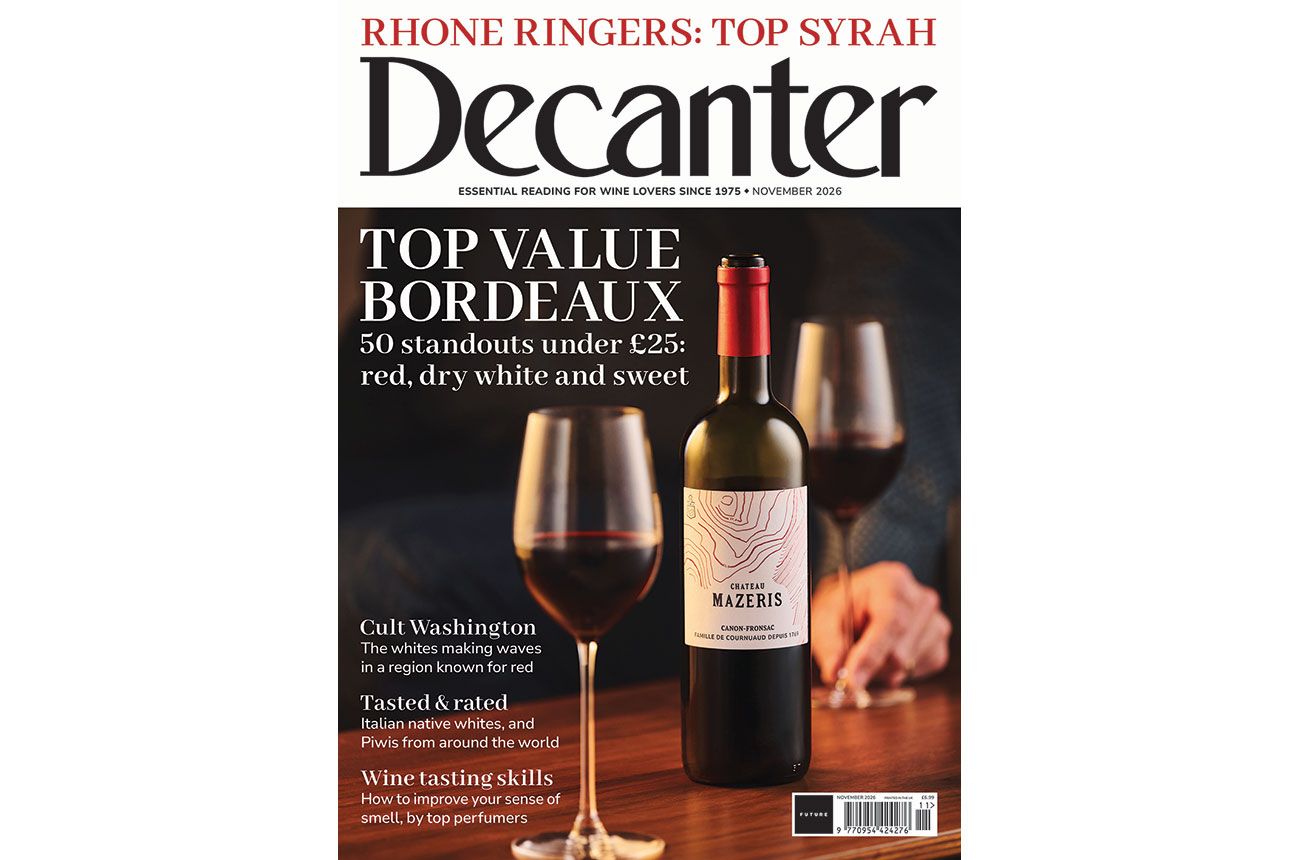
Decanter magazine has officially opened its latest reader survey, inviting wine enthusiasts to shape the editorial direction of the publication as it moves toward the end of 2026. This initiative serves as a pivotal feedback loop for the editorial team, which has consistently adapted its content strategy following the findings of its last comprehensive survey conducted in April 2024. By soliciting direct input from its subscriber base, Decanter aims to refine its coverage of global wine regions, investment trends, and industry analysis.
The survey, which remains open until November 30, 2026, is a strategic effort to bridge the gap between traditional print journalism and the evolving digital requirements of the modern wine consumer. Participants who complete the survey are entered into a prize draw for one of three exclusive 12-month subscription bundles, which combine access to the monthly print magazine with the digital advantages of Decanter Premium.
A Culture of Continuous Editorial Evolution
Since the April 2024 survey, Decanter has implemented significant shifts in its magazine structure. Editorial feedback from that period led to the introduction of several regular columns and the reconfiguration of existing segments to better align with the interests of a diverse global audience. This iterative process is essential in a sector where consumer tastes—and the wines themselves—are subject to shifting climate conditions, evolving winemaking techniques, and changing market demand.
Amy Wislocki, editor of Decanter, has emphasized that the publication’s primary mission is to ensure the content remains both relevant and authoritative. The magazine, which has served as a cornerstone of wine journalism for decades, recognizes that the role of a wine critic is no longer just about tasting notes; it is increasingly about providing context on sustainability, viticulture, and the economic viability of investment-grade wines.
Chronology of Recent Reader Engagement
The current survey is part of a broader, long-term strategy of reader engagement that has accelerated over the past two years:

- Early 2024: Decanter executes a full-scale reader survey to assess the impact of its transition toward a hybrid print-digital model.
- Mid-2024: Following the analysis of the April data, the magazine introduces "tweak" updates to its layout and content frequency, specifically increasing the depth of its educational features.
- Late 2025: The publication begins testing integrated subscription models, recognizing that readers increasingly expect seamless access between physical print issues and digital databases.
- November 2026: The current survey launches, focusing on the efficacy of these changes and gathering data on future content priorities for 2027 and beyond.
Market Context: The Rise of English Sparkling Wine
As a testament to the magazine’s commitment to covering emerging trends, the November 2026 issue features an in-depth look at the domestic English wine scene. A prime example is the Leonardslee Classic Cuvée MV. The inclusion of such a product in the editorial focus is not incidental; it reflects the rapid maturation of the English sparkling wine industry.
The Leonardslee estate, located near Horsham in West Sussex, has become a focal point for this growth. The release of their Multi-Vintage (MV) cuvée—a blend of 48% Chardonnay, 46% Pinot Noir, and 6% Meunier—highlights the shift in English viticulture toward consistency and complexity. Priced at £39.50, the wine serves as a data point for the growing competitiveness of English labels against traditional Champagne exports. Furthermore, the estate’s decision to open a dedicated drawing room for tutored tastings suggests a broader shift in the UK wine economy: the transition from simple production to experiential luxury tourism.
Strategic Implications: The Subscription Bundle Model
The introduction of the new subscription bundles, which allow for a more cost-effective entry point into the combined print and digital ecosystems, addresses a critical finding in recent media studies: consumers are increasingly fatigued by fragmented paywalls. By offering a single, unified product, Decanter is positioning itself to capture a wider audience that values both the tactile experience of a monthly print magazine and the immediate, searchable utility of the Decanter Premium online database.

The financial implications of this model are significant. By converting print readers into digital users—and vice versa—the publication gains a more granular understanding of reader behavior. This allows for more targeted advertising and better-informed editorial decisions. The move toward "bundles" is a direct response to the market pressure for higher value-per-subscription, particularly as the cost of living fluctuates and discretionary spending on luxury goods, such as fine wine, becomes more selective.
In-Depth: The 2026 Spain Guide
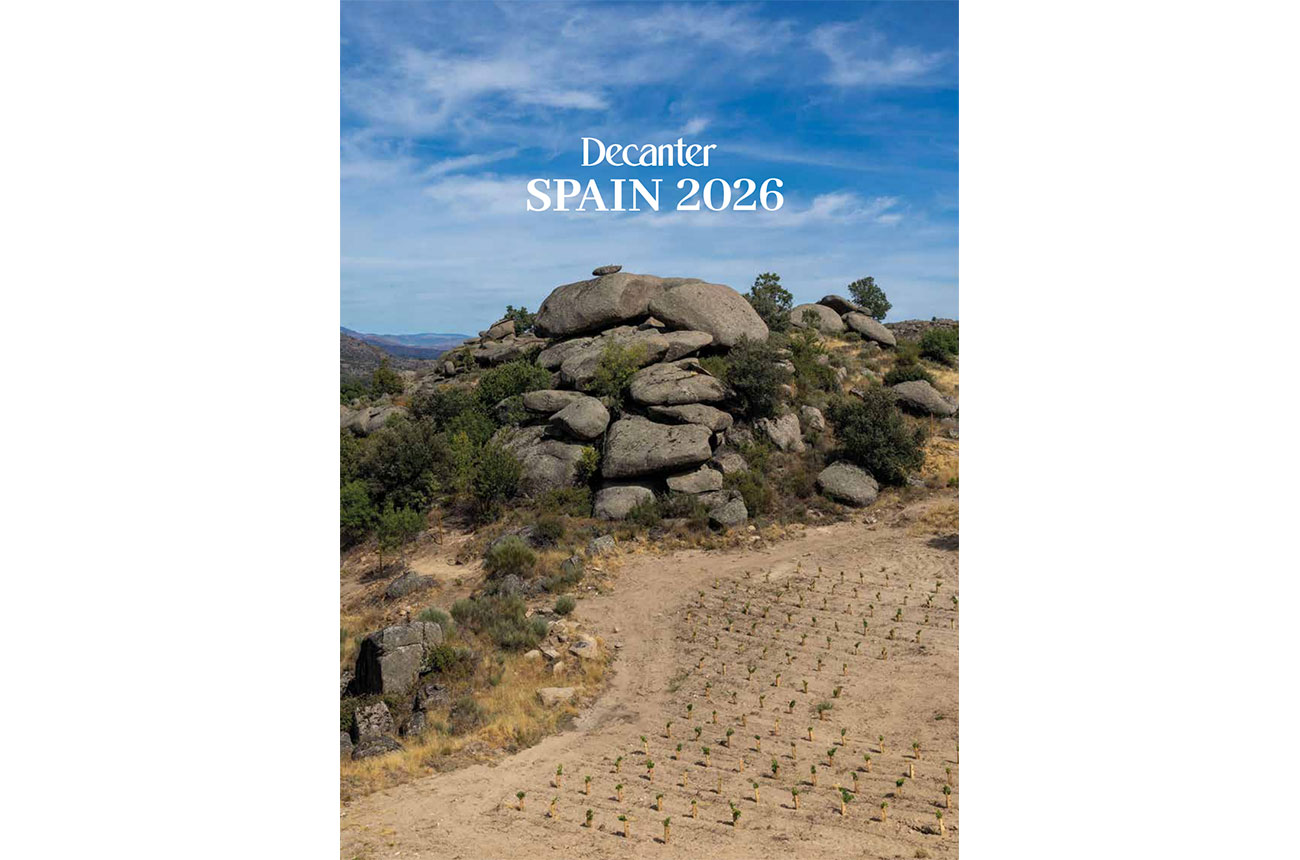
As part of its November 2026 editorial package, Decanter has released a comprehensive guide to Spanish wine, which provides an essential look at a region often overlooked in favor of Bordeaux or Tuscany. The guide explores the geological and climatic diversity of the Spanish landscape, with a specific focus on the Sierra de Gredos region west of Madrid.
The inclusion of the Domaine d’Exaé, with its sandy and rocky vineyard composition, provides a case study in how soil health and elevation are being leveraged to combat the rising temperatures associated with climate change. This level of technical reporting is exactly what the editorial board hopes to gauge via the current survey. By analyzing which segments of the Spanish guide resonate most with readers—whether the investment advice or the travel and tourism components—the staff can tailor future regional deep dives.
Analyzing the Data: Why Feedback Matters
The importance of this survey cannot be overstated in an era of AI-generated content and social media wine commentary. Professional wine journalism occupies a unique space, requiring a blend of sensory expertise, historical knowledge, and rigorous fact-checking.
According to industry analysts, publications that fail to solicit direct feedback often fall out of sync with their core demographic’s needs. For Decanter, the survey serves three specific purposes:
- Retention: By asking for input, the magazine reinforces a sense of community, which is crucial for retaining subscribers in a competitive media environment.
- Resource Allocation: Data gathered regarding which sections (Spirits, Learning, Buying Guide, etc.) are most read allows the editorial team to allocate their budget toward the most valued content.
- Future-Proofing: Understanding whether readers prefer long-form investigative journalism versus short, punchy reviews helps the team plan their digital interface updates.
Official Response and Outlook
While the specific results of the survey will not be made public until early 2027, the editorial leadership has indicated that the data will be used to influence the 2027 content calendar. The focus, according to initial signals from the editorial office, will remain on high-quality, actionable advice for both collectors and casual enthusiasts.
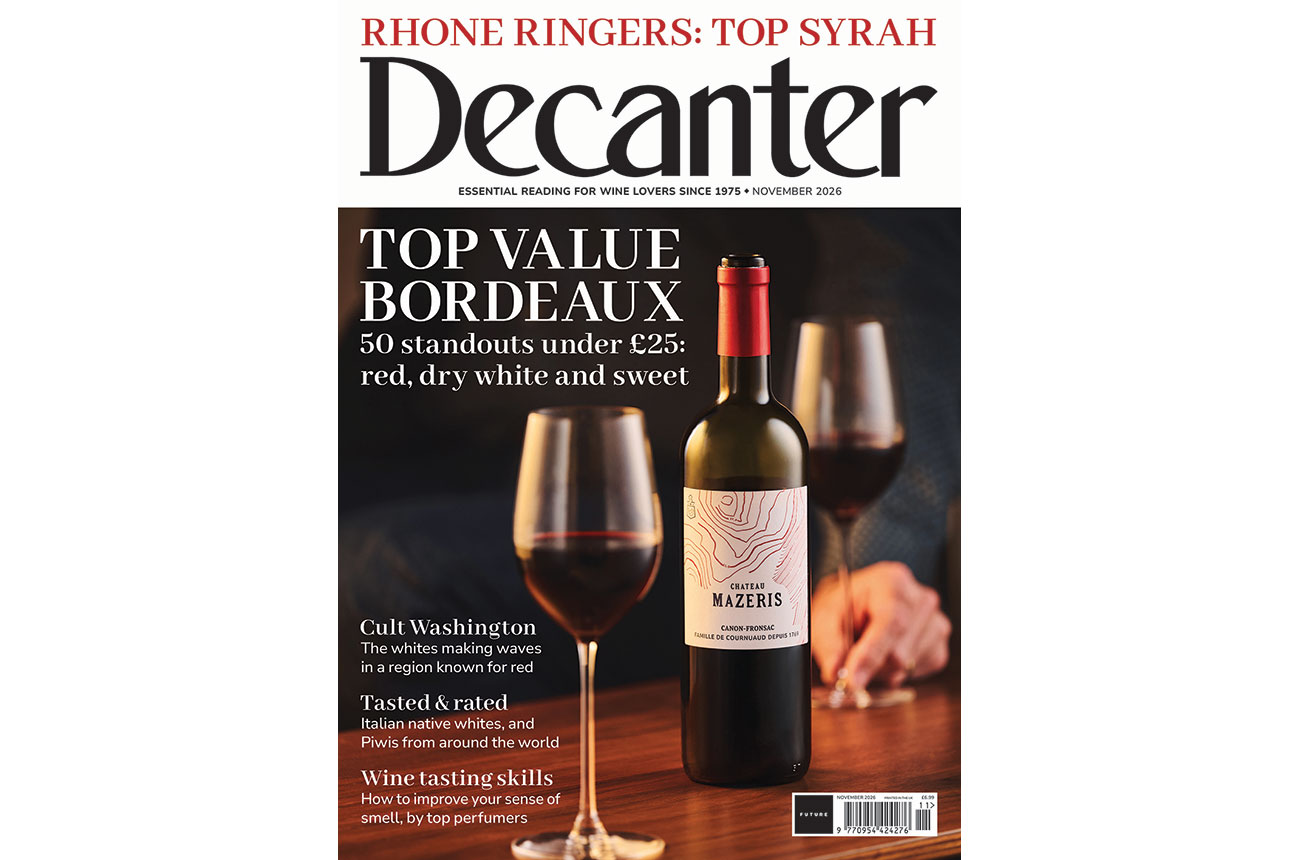
The move to integrate more "Learning" and "Collecting & Investing" segments suggests that Decanter is doubling down on its identity as an expert authority rather than a lifestyle blog. This is a calculated risk; while lifestyle content often drives high click-through rates, the core of Decanter’s business model relies on the trust and loyalty of its premium subscribers. Maintaining that trust requires a constant commitment to quality and a willingness to be held accountable by the readers who fund the operation.
Conclusion
As the November 30 deadline approaches, the opportunity for readers to influence the direction of one of the world’s most respected wine journals remains open. Whether one is a seasoned investor tracking the secondary market or an amateur enthusiast looking to learn more about the complexities of English sparkling wines or the rocky soils of the Sierra de Gredos, the survey represents a rare chance to have a direct line to the editorial board.
In a rapidly changing industry, where the lines between tradition and innovation are constantly blurring, Decanter’s commitment to this dialogue is both a necessary business practice and a sign of its dedication to the community of wine lovers worldwide. The results of this survey will likely define the publication’s identity for the coming year, setting the stage for how it navigates the complex challenges of the global wine market in 2027 and beyond. The future of wine journalism, it seems, is not just about what the critics say, but about how well they listen to the audience they serve.