The Nuanced Terroir and Vintage Excellence of the 2019 Royal Tokaji Aszú Collection

The world of sweet wine is often defined by a delicate balance between decadence and structure, a tightrope walk best exemplified by Hungary’s historic Tokaj region. The 2019 vintage, in particular, has emerged as a landmark year for the Royal Tokaji estate, showcasing a spectrum of expressions that challenge the notion that "noble rot" produces a monolithic style. From the volcanic bedrock of the Mád basin to the loess-rich slopes of its premier crus, the estate’s latest 6 Puttonyos releases offer a masterclass in how specific micro-climates can elevate the inherent intensity of the Furmint grape into a nuanced study of geology and time.
A Legacy of Botrytis
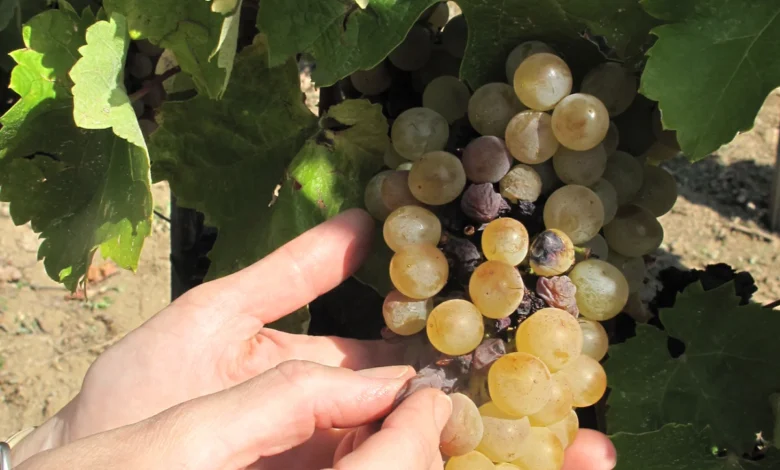
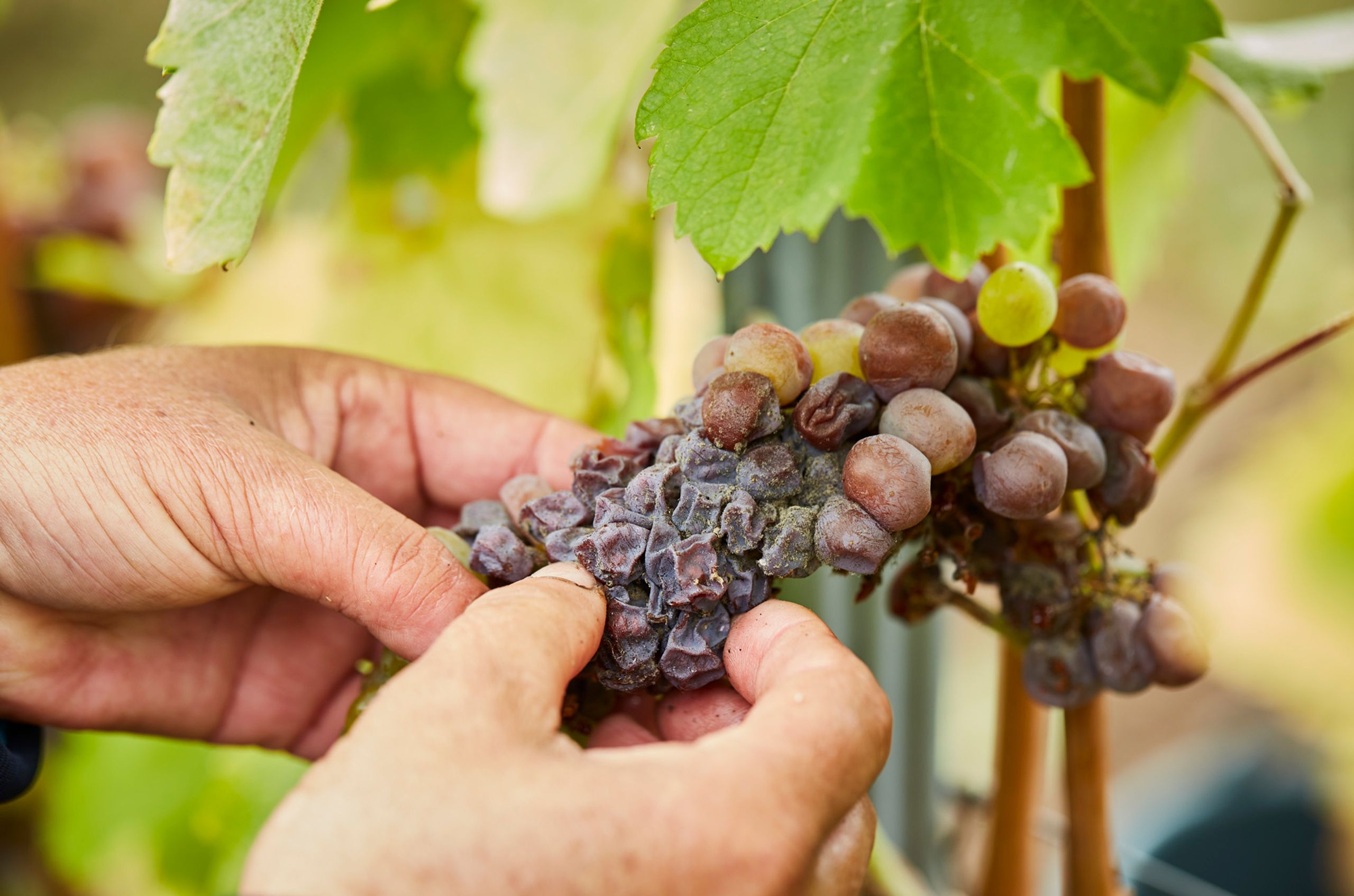
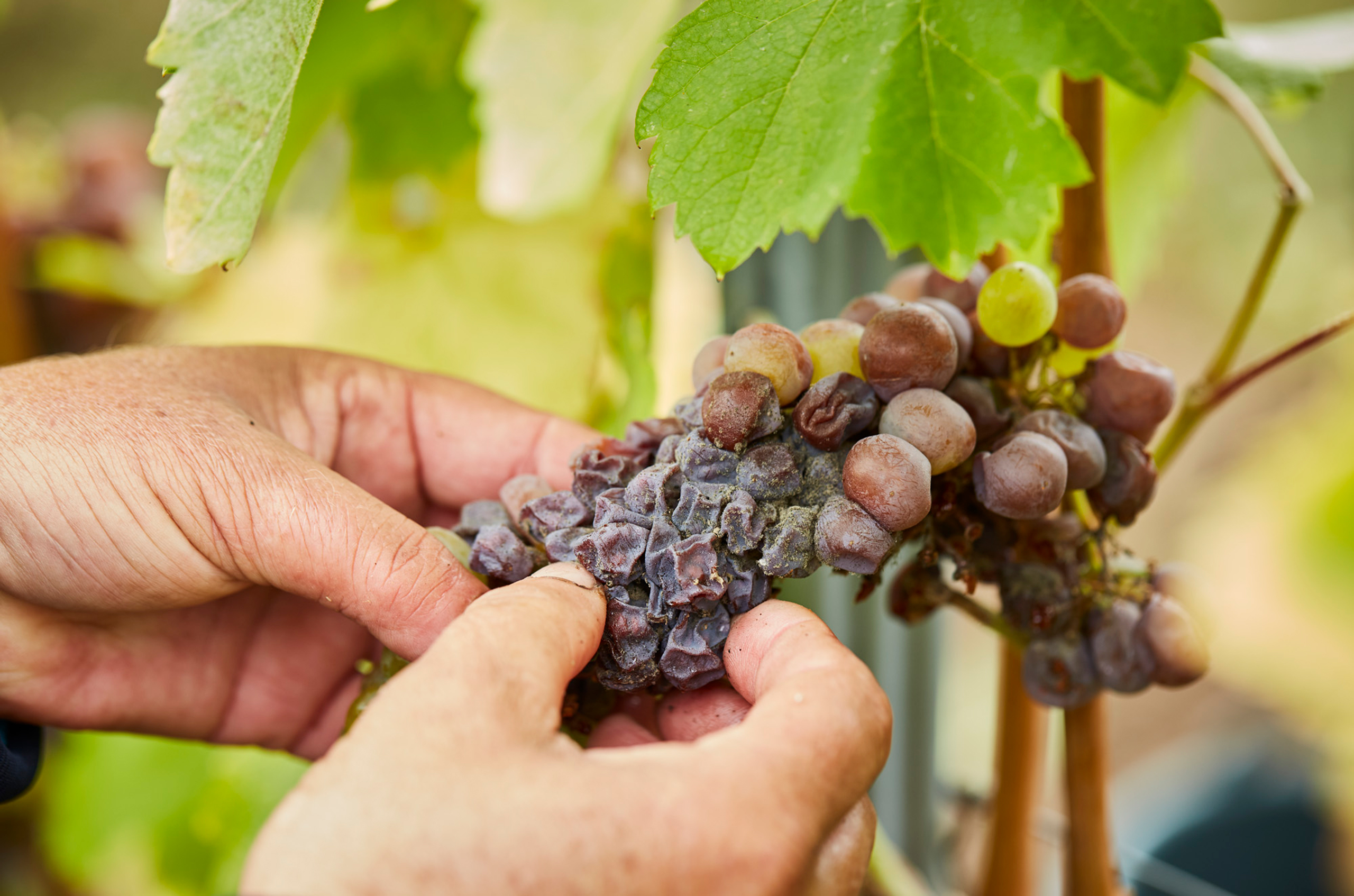
To understand the significance of the 2019 vintage, one must first appreciate the unique environmental conditions of the Tokaj-Hegyalja region. Located in northeastern Hungary, the area is famously characterized by the confluence of the Bodrog and Tisza rivers. The autumn mists rising from these waterways are the essential catalyst for Botrytis cinerea, or "noble rot," the fungus that dehydrates grapes into shriveled, sugar-rich raisins known as aszú berries.
The 2019 growing season provided an ideal climate for this process. A balanced summer followed by a humid, misty autumn allowed for a steady, controlled development of botrytis. This slow evolution is critical; it ensures that the grapes retain their essential acidity—the "vivid streak" that prevents these wines from becoming merely cloying, transforming them into complex nectars characterized by notes of dried mango, marmalade, camomile, and a signature exotic spice.
The 2019 Chronology and Terroir Profiling
Royal Tokaji’s approach to the 2019 vintage represents a shift toward site-specific transparency. The estate has long championed the concept of single-vineyard bottlings, a philosophy that mirrors the grand cru system of Burgundy. The following selection of 2019 releases illustrates this commitment:
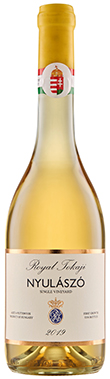
- Nyulászó (The "Good Place to Catch Hares"): This site is defined by its complex volcanic bedrock and heavy clay soils. The 2019 vintage from this plot displays a characteristic charm and structural complexity that suggests a long aging potential.
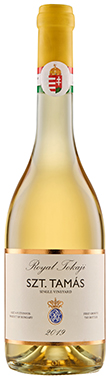
- Szt. Tamás: Situated adjacent to the Nyulászó parcel, this southwest-facing slope is rich in red clay and volcanic detritus. The resulting 2019 wine is notably more "vinous," offering a structural density that separates it from its neighbors.
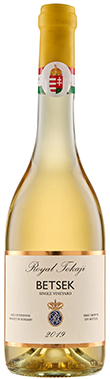
- Betsek: Located deep within the Mád basin, this vineyard is defined by dark soils interlaced with white volcanic minerals. The 2019 expression here is marked by a distinctive smokiness and the deep, savory ripeness associated with the basin’s unique heat-retention properties.
- Mézes Mály: Historically regarded as one of the region’s most prestigious sites, the south-facing slopes here consist of volcanic bedrock overlaid with loess. The 2019 Mézes Mály is characterized by a savory creaminess, unfolding into layers of stone fruit.
- Birsalmás: True to its name—which translates to "quince orchard"—this vineyard produced a 2019 vintage dominated by stone fruit, acacia honey, and a refined floral tea aromatic profile.
Technical Analysis and Market Context
The classification of Tokaji Aszú is historically linked to the number of puttonyos—a measure of the amount of aszú paste added to the base wine. While regulations have evolved to simplify these standards, the 6 Puttonyos designation remains the gold standard for high-end production, indicating a minimum of 150 grams of residual sugar per liter.
The 2019 collection is particularly notable for its reliance on 100% Furmint, the primary grape variety of the region. By focusing on a single varietal for the "Gold Label" releases, Royal Tokaji has leaned into the grape’s inherent high acidity, which acts as the structural backbone against the intense sugar concentrations. Analytical data from the estate suggests that the 2019 wines possess a structural equilibrium that rivals the legendary vintages of the late 20th century, largely due to the precise harvest windows managed by the vineyard teams.
The Broader Impact on the Sweet Wine Market
The release of these wines arrives at a time when the global dessert wine market is seeing a renewed interest in historical, terroir-driven production. Despite broader shifts in consumer preference toward drier styles, the demand for premium, small-batch Tokaji has remained resilient, particularly in the Asian and Northern European markets.
Industry analysts note that the prestige of these single-vineyard wines is not merely a marketing strategy but an essential component of the region’s economic survival. By diversifying the expression of Aszú through geological distinction, producers like Royal Tokaji are effectively insulating the category from the "commodity" pricing that affects lower-tier sweet wines. The 2019 vintage serves as a proof-of-concept for this premiumization strategy.
Expert Reaction and Future Implications
The consensus among regional experts is that the 2019 vintage will likely serve as a benchmark for the next decade of Tokaj production. Sylvia Wu, Decanter’s Regional Editor for Asia and Northern & Eastern Europe, notes that the ability of these wines to retain freshness despite the high sugar content is the true mark of their quality.
The implications for the region are clear: as climate change alters traditional viticultural zones, the micro-climates of the Tokaj-Hegyalja region—specifically the sheltered basins and volcanic slopes—are becoming increasingly valuable. The success of the 2019 vintage suggests that the estate’s investment in soil science and parcel-specific harvesting is paying dividends, allowing them to produce wines that are not just representative of a region, but of individual, distinct patches of earth.
As collectors look toward the future, the 2019 Royal Tokaji collection provides a compelling case for the longevity and evolving complexity of Hungarian wine. Whether it is the smokiness of the Betsek or the floral elegance of the Birsalmás, these wines confirm that even within a highly traditional category, innovation and terroir remain the most potent tools for the modern winemaker. For those who track the intersection of history and enology, the 2019 vintage stands as a testament to the enduring relevance of the "king of wines, and the wine of kings."