The Evolution of Seed-to-Spirit: How Farm-to-Table Ethics are Transforming the Global Spirits Industry

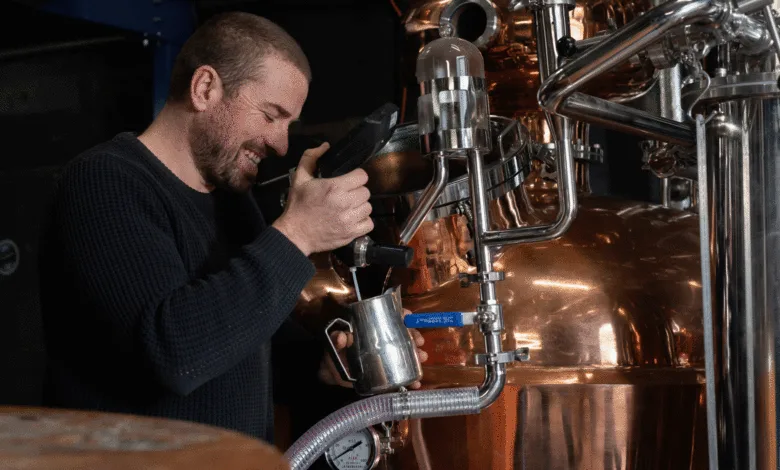
The contemporary beverage industry is witnessing a profound shift in consumer behavior and production methodology, mirroring the "farm-to-table" movement that revolutionized the culinary world over the last two decades. This movement, now firmly established in the alcobev sector as "seed-to-spirit," represents a return to artisanal roots where the provenance of raw ingredients is as critical as the distillation process itself. Often referred to as "grain-to-glass" or "barn-to-barrel," the seed-to-spirit philosophy emphasizes vertical integration, ensuring that every component of a spirit—from the soil and seeds to the water and wood—is tracked, managed, and often produced by the distillery itself.
For centuries, the concepts of origin and provenance were largely reserved for the wine industry, where the French notion of terroir—the environmental factors that affect a crop’s phenotype—dictated value and prestige. However, a renewed global awareness regarding sustainability and transparency has pushed spirits into this same spotlight. Producers are increasingly moving away from the industrial model of purchasing mass-produced neutral grain spirits (NGS) from third-party factories, opting instead to cultivate their own crops or partner with local farmers within a narrow geographic radius. This transition is not merely a marketing trend; it is a fundamental restructuring of the supply chain that prioritizes quality control, environmental stewardship, and regional identity.
The Foundations of Vertical Integration
At its core, the seed-to-spirit movement is defined by transparency. Rico Dynan, global brand ambassador for Absolut Vodka, notes that the movement is a natural extension of the farm-to-table ethos, bringing a necessary connection to origin into a world that was once dominated by industrial anonymity. Absolut, based in Åhus, Sweden, has long operated under a "One Source" philosophy. This model ensures that every bottle of Absolut produced globally utilizes winter wheat and water sourced from the same southern Swedish community. By maintaining this proximity, the distillery can guarantee the traceability of its core ingredients while supporting the local agricultural economy.
The shift toward vertical integration is driven by several converging factors. First, the shorter supply chain inherent in local sourcing is more environmentally responsible, significantly reducing the carbon footprint associated with the transport of heavy raw materials. Second, it allows distillers to exercise total quality control. When a distiller oversees the selection of seed varieties and the timing of the harvest, flavor is considered at the agricultural level rather than being engineered through additives or aggressive filtration at the end of the process.
Kirsty Black, Master Distiller at Arbikie Distillery in Montrose, Scotland, emphasizes that this approach reminds the public that "distillation begins in the soil, not in a factory." This perspective is particularly revolutionary for categories like vodka, which has historically been pigeonholed as a neutral, flavorless spirit. By focusing on the raw ingredients, distillers are repositioning vodka as a spirit capable of expressing texture, mouthfeel, and terroir.
Regional Identity and the Role of Terroir
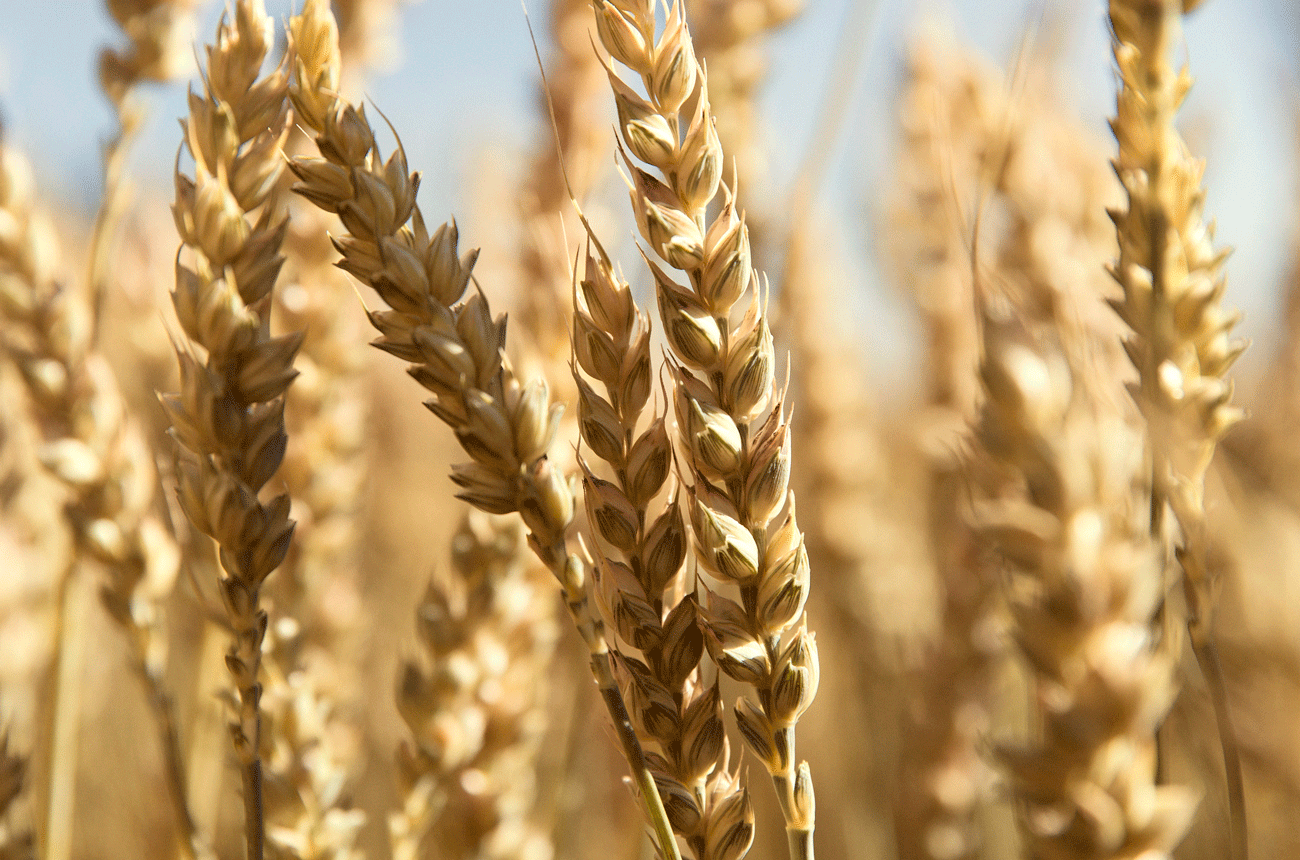
The application of terroir in spirits varies across categories, but the goal remains the same: to create a product that could not be replicated anywhere else. In the world of agave spirits, such as tequila and mezcal, the focus is on the specific microclimates where the agave plants mature over several years. In the whisky industry, the movement manifests through grain provenance and long-term agricultural unions that prioritize heirloom varieties over high-yield industrial grains.
For gin, the seed-to-spirit movement offers a unique opportunity to showcase biodiversity. Because gin is defined by its botanical profile, distillers can use estate-grown or locally foraged ingredients to tell a story of regional identity. Guy Brennan, co-founder and CEO of Procera Gin, which utilizes African juniper (Juniperus procera) harvested in the highlands of Kenya, argues that this movement creates space for a "uniquely creative" expression of local ecosystems. Instead of relying on dried botanicals shipped across continents, producers like Procera use fresh, local ingredients that capture the essence of their specific geography.
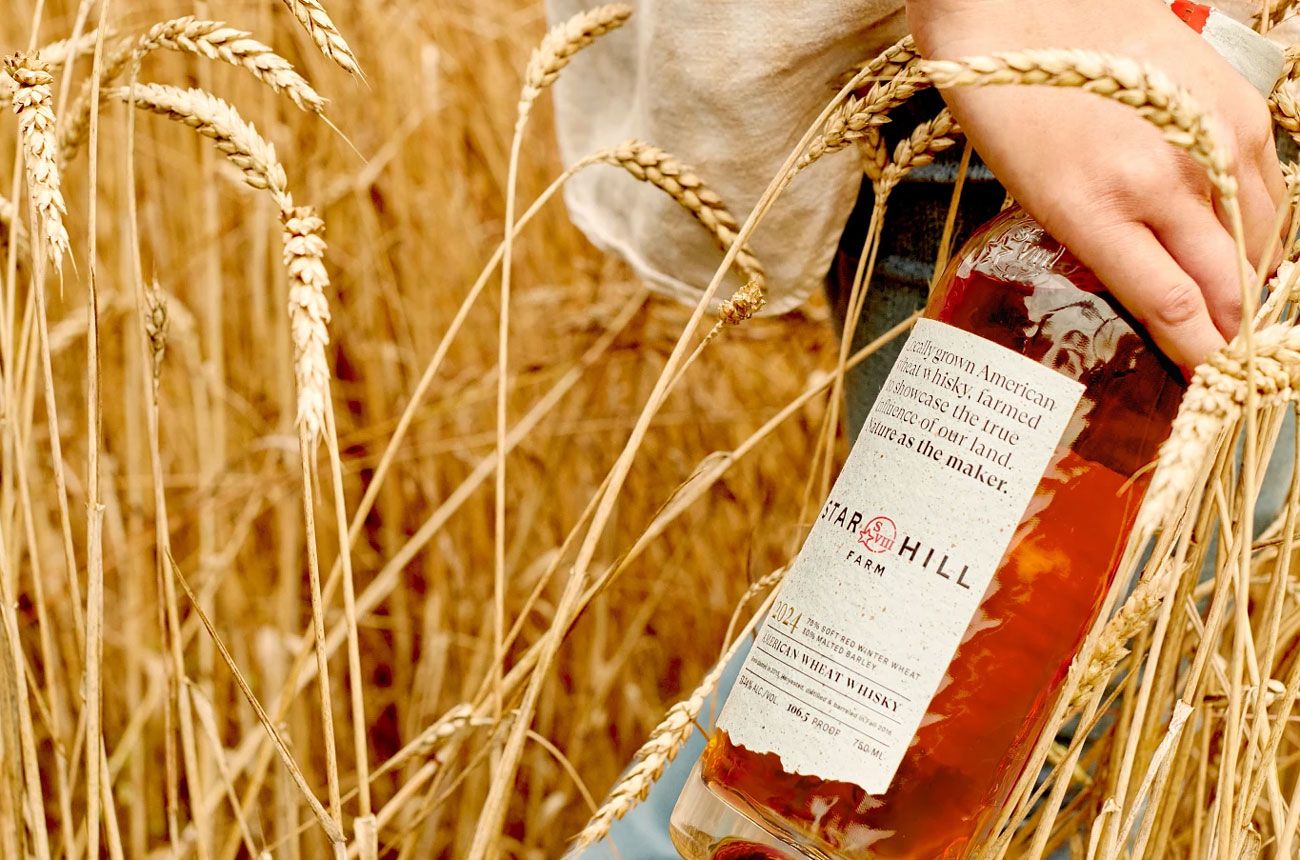
This commitment to regionality is also evident in the United States, particularly in the bourbon industry. Maker’s Mark, located at Star Hill Farm in Kentucky, has begun transitioning its corn and wheat crops to "Regenified" certification. This focuses on regenerative agriculture, a system of farming principles and practices that increases biodiversity, enriches soils, and improves watersheds. For Rob Samuels, managing director of Maker’s Mark, the quality of the flavor is a direct consequence of the health of the soil. By treating wheat types as primary drivers of complexity, the distillery ensures that the final product reflects the specific agricultural conditions of the Kentucky countryside.

The Economics of the Grain-to-Glass Model
While the seed-to-spirit approach requires significant upfront investment in land and labor, it offers long-term financial benefits by eliminating the "middleman." In an industrial setup, a distillery might purchase base spirit from a large-scale provider, paying for the producer’s profit margin, transportation fees, and energy costs. By integrating these steps, estate distilleries can often produce a superior product at a more competitive price point.
In England’s Lake District, Grasmere Distillery serves as a prime example of this economic efficiency. By sourcing wheat directly from local farmers for its single malt whisky, the distillery avoids the volatile pricing of the global grain market. Paul Abbott, founder and head distiller, notes that in the UK, grain-to-glass products are often more affordable for the consumer because the overheads associated with complex logistics are minimized. "It’s better and more unique for a lower price," Abbott states, highlighting a rare instance where artisanal quality does not necessarily equate to a luxury price tag.
The hospitality industry has also responded positively to this shift. Jared Boller, a cocktail specialist at Kilgore Hospitality Group, explains that bartenders are increasingly seeking tighter sourcing relationships. While smaller batch sizes and seasonal variations require more flexibility in bar programming, the trade-off is a more authentic experience for the consumer. Staff and patrons alike are moving away from the "monotony" of mass-produced brands in favor of spirits that offer a tangible connection to a specific place and time.
Environmental Stewardship and Climate-Positive Distilling
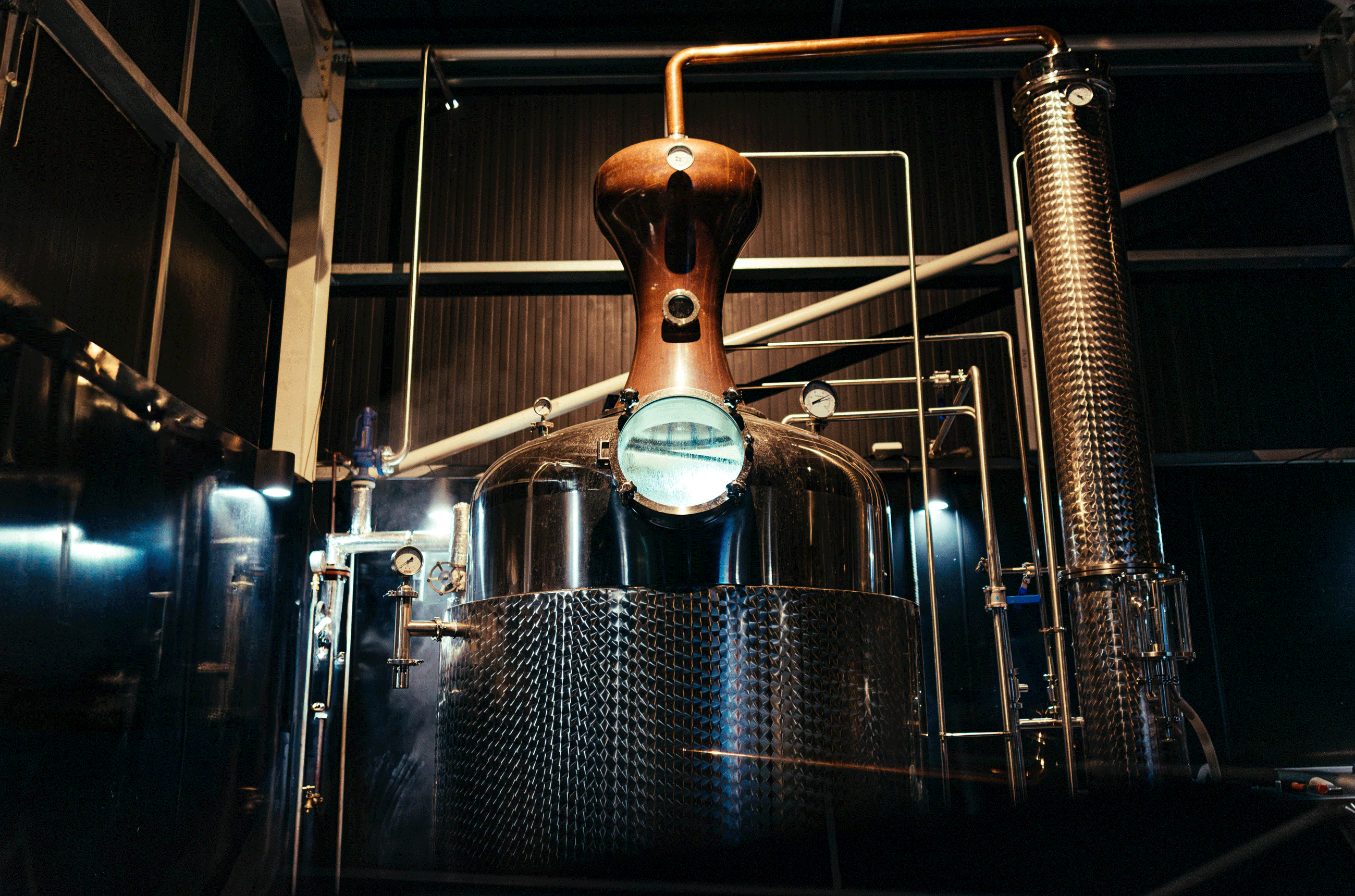
Beyond flavor and economics, the seed-to-spirit movement is a critical component of the industry’s response to the climate crisis. Distilling is traditionally an energy-intensive process, but vertical integration allows for innovative waste-management solutions.
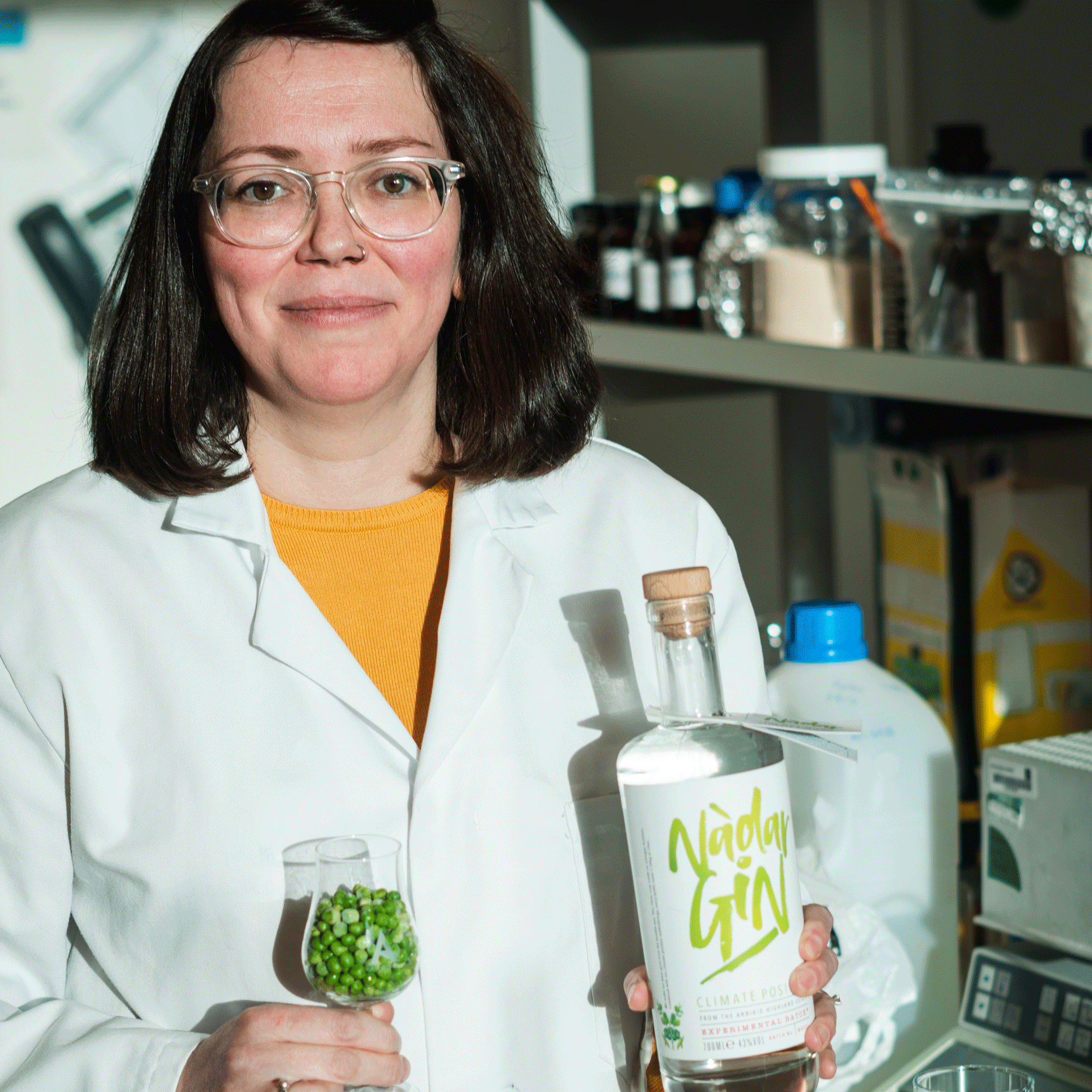
Arbikie Distillery in Scotland has pioneered the use of alternative home-grown crops like peas to produce its Nàdar Gin. Unlike traditional grains, peas are nitrogen-fixing crops, meaning they pull nitrogen from the atmosphere and deposit it into the soil, reducing the need for synthetic fertilizers. This resulted in the world’s first "climate-positive" gin, where each bottle avoids more carbon dioxide emissions than it creates. Furthermore, Arbikie was founded partly to find a use for "wonky" potatoes that did not meet retail specifications for supermarkets. By distilling these potatoes into their Tattie Bogle Potato Vodka, the distillery ensured a circular economy on the farm, significantly reducing food waste.
Similarly, the move toward regenerative farming practices, as seen with Maker’s Mark, ensures the long-term viability of the land. By focusing on soil health, these distilleries are not just producing spirits; they are acting as stewards of the environment, ensuring that the land remains productive for future generations of farmers and distillers.
A Return to Fundamental Values
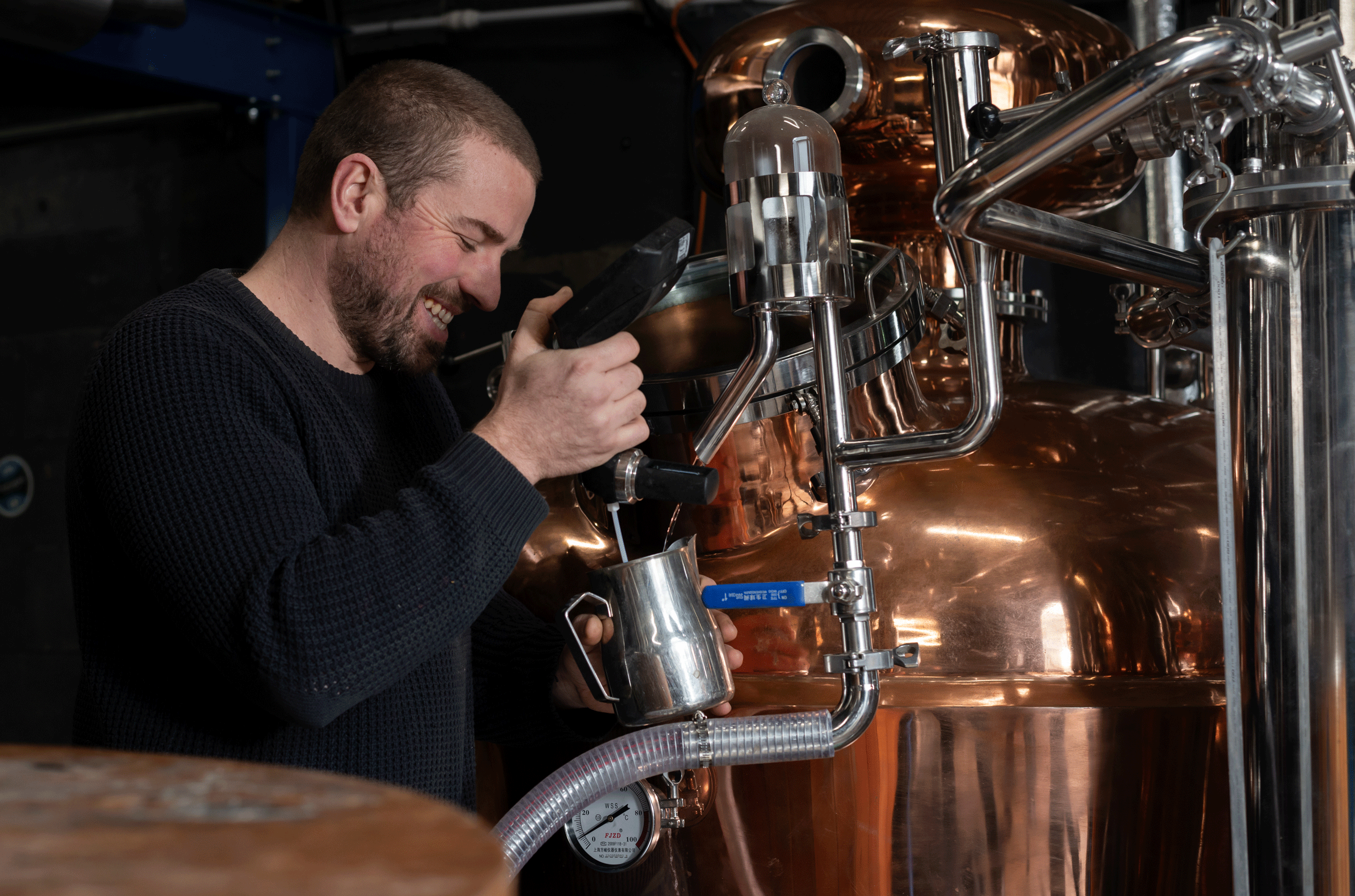
The growth of the seed-to-spirit category indicates a broader cultural shift. As Guy Brennan of Procera Gin suggests, this movement feels less like a passing trend and more like a return to something fundamental. Before the industrial revolution, most spirits were inherently local agricultural products, distilled from whatever surplus crops were available on the farm. The modern movement is a sophisticated reimagining of these traditional roots, utilizing contemporary technology and ecological science to produce spirits with unprecedented integrity.
Ultimately, the shift toward seed-to-spirit production reconnects the art of distillation with the natural world. It challenges the consumer to view spirits not as industrial commodities, but as agricultural products that are subject to the whims of the seasons and the character of the soil. As more distilleries embrace this model, the global spirits landscape is becoming more diverse, more sustainable, and—crucially—more flavorful.
Six Essential Seed-to-Spirit Bottles to Experience
For those looking to explore the diversity of the seed-to-spirit movement, the following six bottles represent the pinnacle of current production:
Absolut Vodka (Sweden)
A benchmark for large-scale traceability, Absolut remains one of the few global brands to maintain a strictly local sourcing model. The result is a smooth, full-bodied vodka with a distinctively bready, fruity finish. Its velvet-like texture makes it an exceptional choice for cocktails like the Espresso Martini, where mouthfeel is paramount. (Alc 40%)
Arbikie 1794 Highland Rye Single Grain Scotch Whisky (Scotland)
This single-estate Scotch is a masterclass in the use of alternative grains. It offers a complex nose of spiced pear and honey, which evolves into rich notes of dried fruit and nut cake on the palate. Despite its 48% ABV, it remains approachable and ripe with flavor, making it a standout choice for a Rob Roy. (Alc 48%)
Oxbow Estate Rhum Louisiane (USA)
Distilled exclusively once a year from sugarcane grown on the distillery’s estate in Louisiana, this single-barrel agricole-style rhum is a vibrant expression of the American South. Drinkers will find layers of lemongrass, ripe plantain, and dried mango. Its bright, grassy profile provides a robust foundation for a classic Daiquiri. (Alc 45%)

Procera Blue Dot Gin (Kenya)
Using fresh African juniper rather than the dried berries common in European gins, Procera offers a unique aromatic profile. It features a clean juniper backbone complemented by lime zest and fresh herbs, with a lingering finish of pink peppercorn. Its medium body and incredible smoothness make it an ideal candidate for a classic dry Martini. (Alc 44%)
Single Estate Extra Añejo Tequila (Mexico)
Aged for 40 months in American oak barrels, this tequila showcases the heights that agave can reach when treated with estate-level care. It is toffee-forward, featuring sophisticated hints of roasted almonds and candied orange peel. To appreciate the full depth of the agave and the wood integration, it is best enjoyed neat with an expressed orange peel. (Alc 40%)
Star Hill Farm Whisky (USA)
Crafted by Maker’s Mark using three different types of wheat grown via regenerative farming, this whisky is a testament to soil-driven flavor. The nose mimics freshly baked banana bread, opening to a palate of spiced honeycomb and warm cinnamon. The rich, silky texture and high proof (58.2%) lend themselves to a powerful and unique Manhattan. (Alc 58.2%)