As the holiday season approaches, the culinary focus for many households shifts toward time-honored traditions, with the classic pumpkin pie remaining a staple of the American dessert table. While often perceived as a simple custard, achieving a professional-grade result requires a nuanced understanding of dairy ratios, protein coagulation, and thermal management. Culinary experts and food scientists have long scrutinized the variables involved in this dish, moving away from convenience-based shortcuts toward techniques that prioritize texture, structural integrity, and the purity of seasonal ingredients.
The Evolution of Custard Techniques
The historical roots of the pumpkin pie date back to early colonial America, where early iterations involved filling a hollowed-out pumpkin with spiced milk and roasting it in hot ashes. Over the centuries, the preparation evolved into the familiar custard-filled pastry crust. Modern culinary standards, however, emphasize a move away from the heavy, canned evaporated milk—a product born of necessity in the early 20th century—toward a more delicate, high-fat profile.
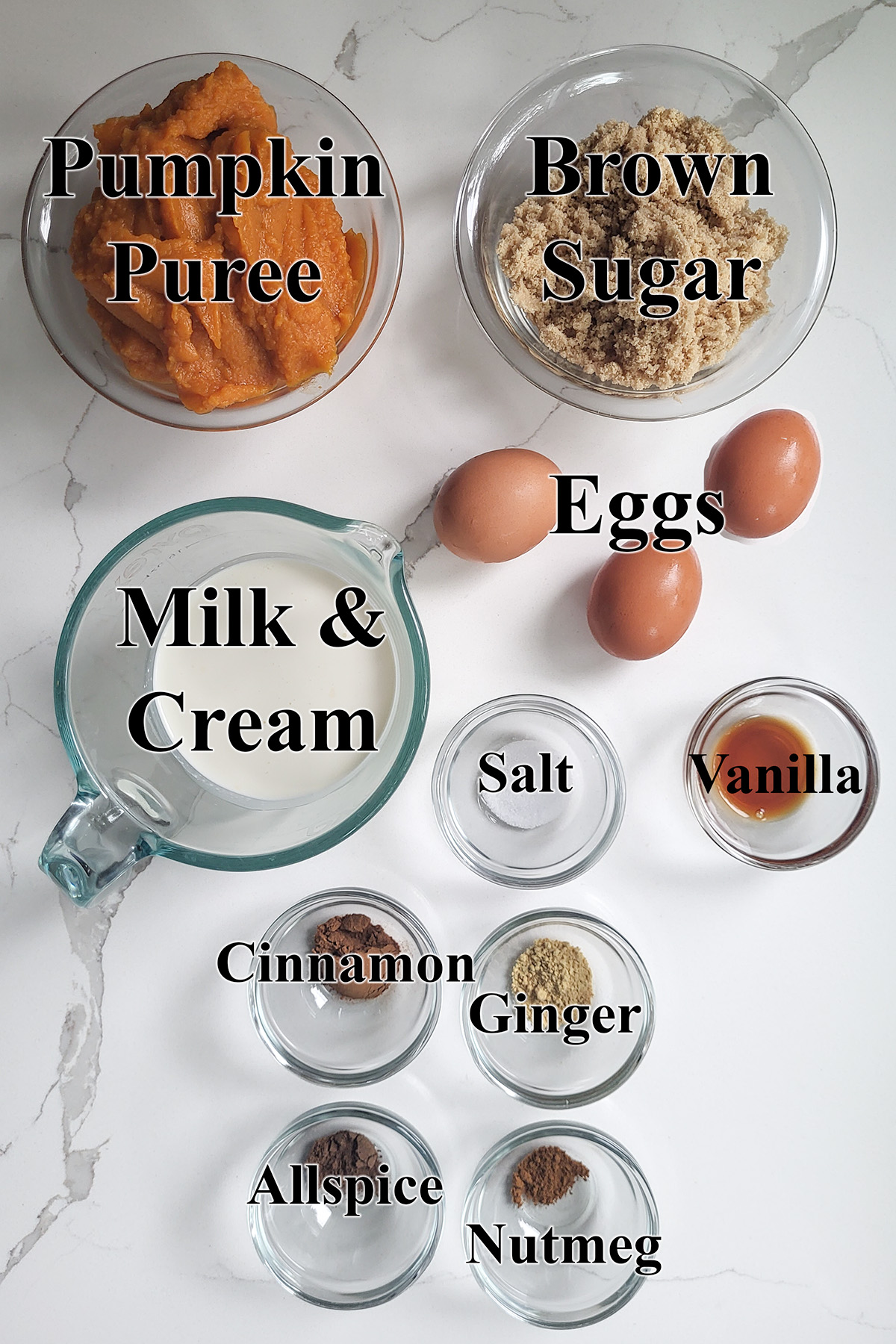
Current professional recommendations advocate for a blend of whole milk and heavy cream. This transition shifts the custard’s mouthfeel from a dense, shelf-stable consistency to a velvety, rich texture that dissolves more cleanly on the palate. By incorporating a food processor into the preparation, bakers can achieve a superior emulsion of ingredients. The mechanical action of the processor blades ensures that the pumpkin fibers are fully integrated with the eggs and dairy, while a subsequent straining step removes any remaining particulate matter, resulting in a glass-smooth finish that is often missing from hand-mixed versions.
Structural Integrity: The Par-Baking Mandate
One of the most persistent challenges in pastry production is the "soggy bottom," a phenomenon where the moisture from the filling migrates into the raw dough before the crust can adequately set. According to pastry chefs, this occurs because the thermal conductivity of a raw, butter-laden crust is insufficient to withstand the weight of a heavy custard filling.
The industry-standard solution is the process of par-baking, or "blind baking." By lining the pastry shell with parchment and filling it with weighted material—such as granulated sugar, which acts as a conductive heat sink—the baker can dehydrate the crust and initiate the browning of the bottom layer. This creates a moisture-resistant barrier. Data from professional test kitchens indicate that a crust pre-baked to a pale, set state can withstand the moisture load of a custard filling for the duration of the final bake, maintaining a crisp, flaky edge that provides essential textural contrast to the soft filling.
Managing Thermal Variables and Protein Coagulation
The success of a pumpkin pie hinges entirely on the chemistry of the custard, which is essentially a thickened emulsion of egg proteins and dairy. When the custard is exposed to heat, the egg proteins denature and bond to form a gel matrix that holds the liquid components in suspension.
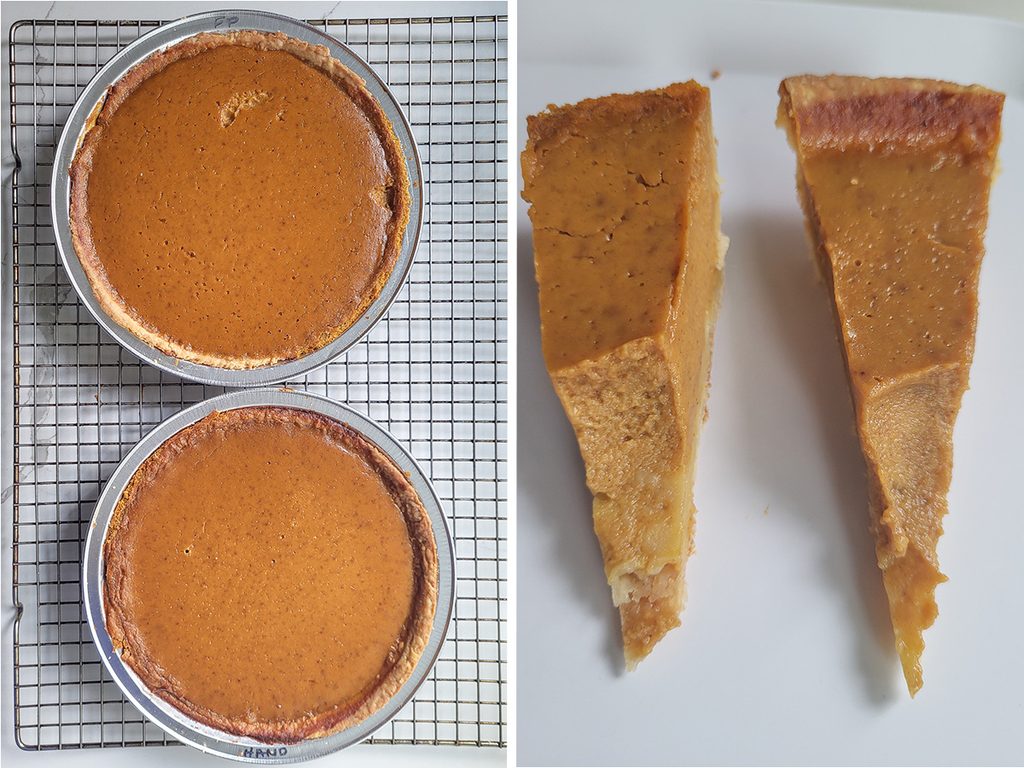
The critical failure point in this process is overbaking. When internal temperatures exceed 175°F to 180°F, the proteins continue to tighten, causing the custard to expel the water it has trapped. This process, known as syneresis, results in "weeping," or the collection of liquid on the surface of the pie. Furthermore, excessive heat leads to the formation of cracks as the shrinking protein network pulls away from the edges of the crust.
To mitigate these risks, culinary researchers advise utilizing the "jiggle test." At the point of completion, the center two to three inches of the pie should exhibit a distinct, unified jiggle, similar to set gelatin, rather than a liquid ripple. This visual cue, supported by an instant-read thermometer, allows the baker to remove the pie from the oven while the carryover heat finishes the setting process during the cooling phase.
A Chronology of Preparation
To accommodate the demands of a holiday schedule, professional bakers emphasize a modular approach to assembly. The timeline for a successful pie is typically divided into three distinct phases:
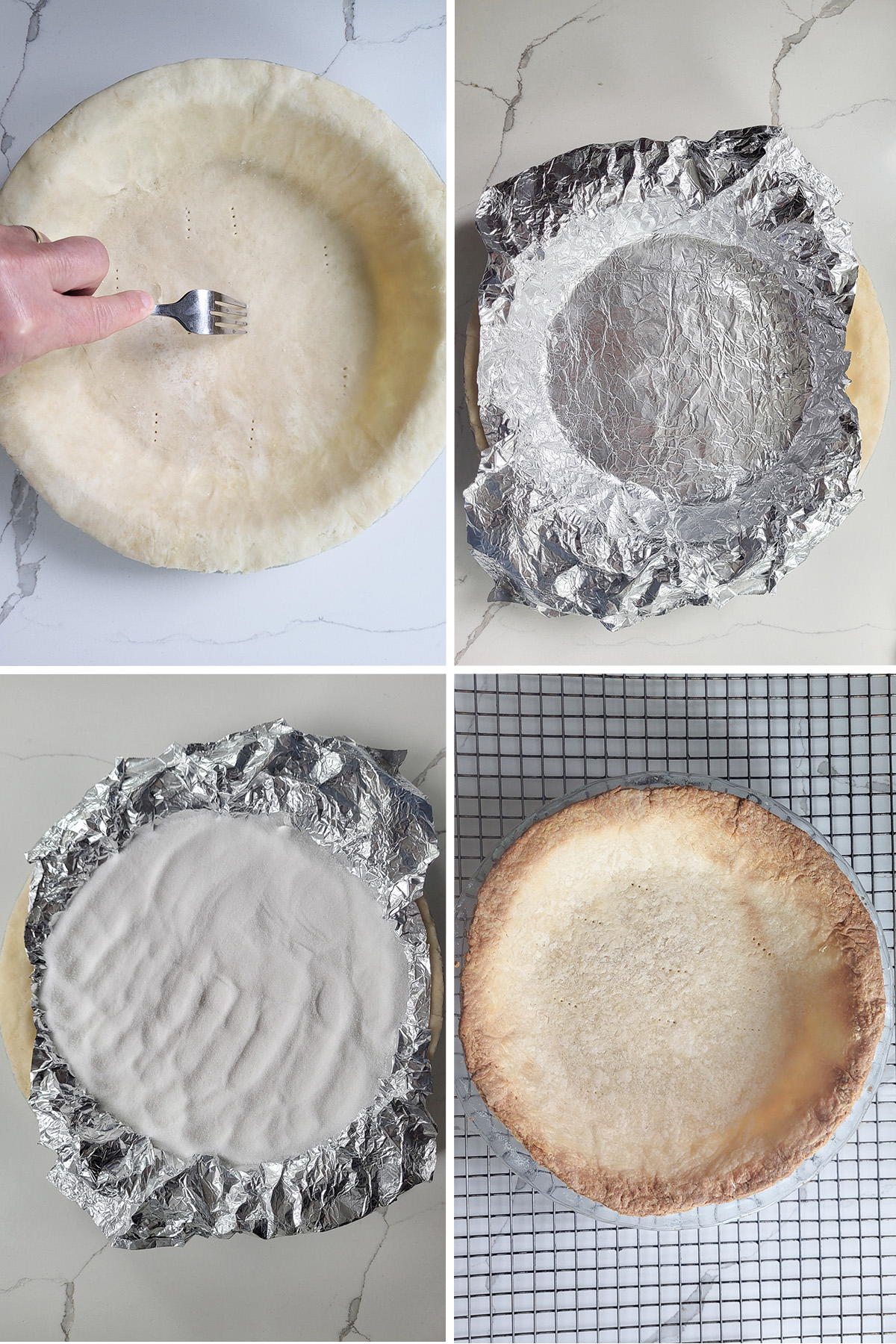
- Component Preparation (Days 1–2): The pie dough can be mixed, rolled, and placed into the pie dish up to 48 hours in advance, allowing the gluten to relax and the fats to chill, which is vital for a flaky crust.
- The Blind Bake (Day of or Pre-event): The crust is par-baked and cooled. This stage ensures that the foundation of the dessert is structurally sound before the wet ingredients are introduced.
- Final Assembly and Thermal Setting (Day of): The custard is processed, strained, and poured into the shell. The pie is baked until the center registers the target temperature, followed by a mandatory cooling period of at least two to three hours at room temperature. Refrigeration should only occur once the pie has reached ambient temperature to prevent the formation of condensation, which can ruin the appearance of the crust and surface.
Broader Impact and Culinary Implications
The shift toward refined, technique-driven baking reflects a broader trend in home cooking: the "prosumer" movement, where home bakers utilize equipment and methods previously reserved for commercial kitchens. The rise of specialized baking education and digital recipe development has elevated the expectations for seasonal desserts.
Market analysis shows an increased demand for high-quality, shelf-stable ingredients during the fourth quarter, particularly for heavy cream and fresh pumpkins. This shift toward "scratch-made" quality has implications for the retail sector, which has responded by stocking higher-grade spices and specialty flour blends.
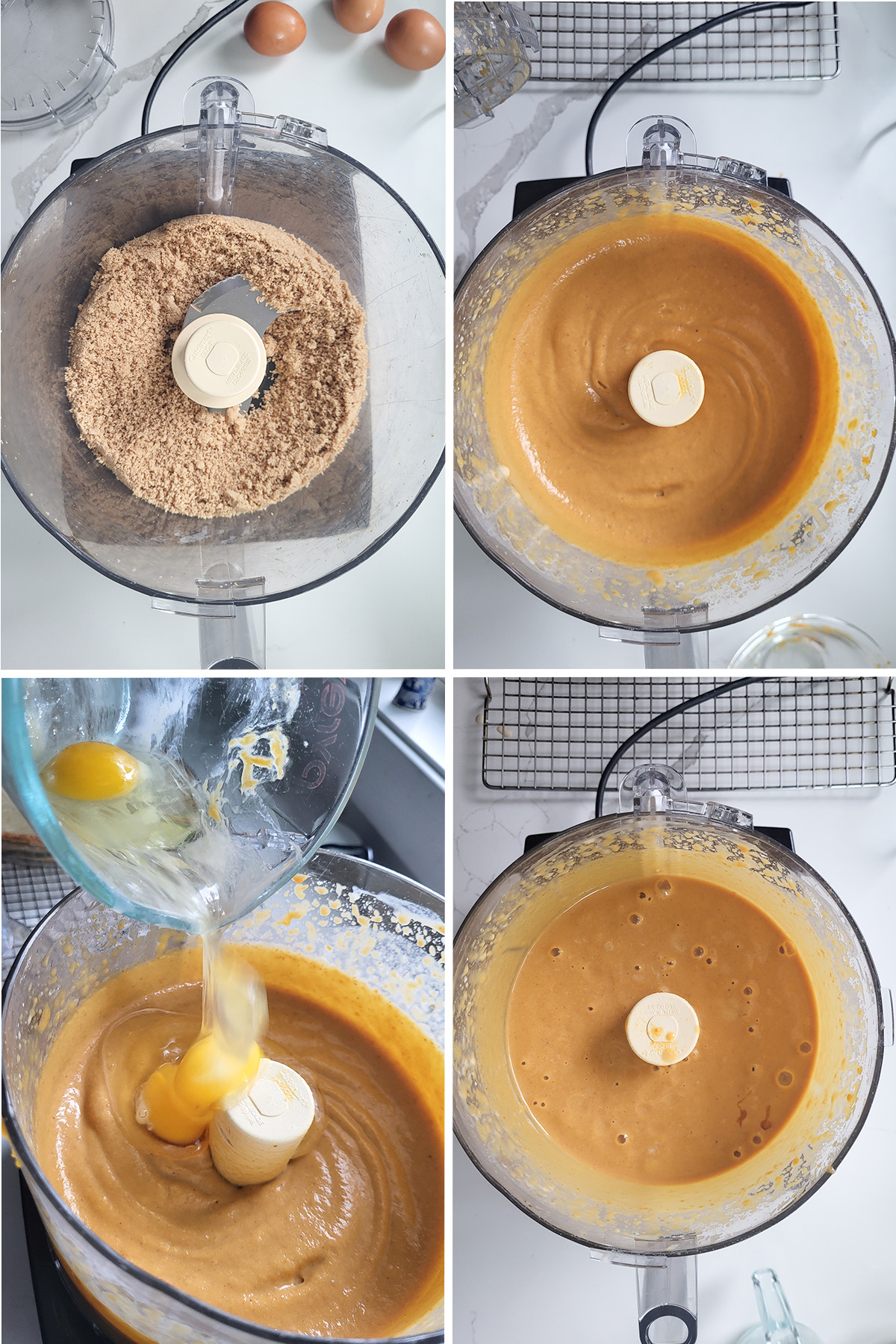
Furthermore, the emphasis on reducing food waste has entered the conversation. For instance, the sugar used as a weight during the par-baking process is not discarded; instead, the heat-treated, slightly toasted sugar is recycled for use in other baked goods, turning a functional culinary tool into a versatile ingredient.
Troubleshooting and Quality Control
When irregularities arise—such as a grainy texture or a sunken center—the root cause is almost invariably related to temperature control or aeration. A grainy texture indicates that the eggs have been heated to a point of curdling, or that the fiber content of the pumpkin was not sufficiently processed. A sunken center is a sign of excessive aeration, where the custard was whipped too vigorously, trapping air bubbles that expanded during baking and collapsed upon cooling.
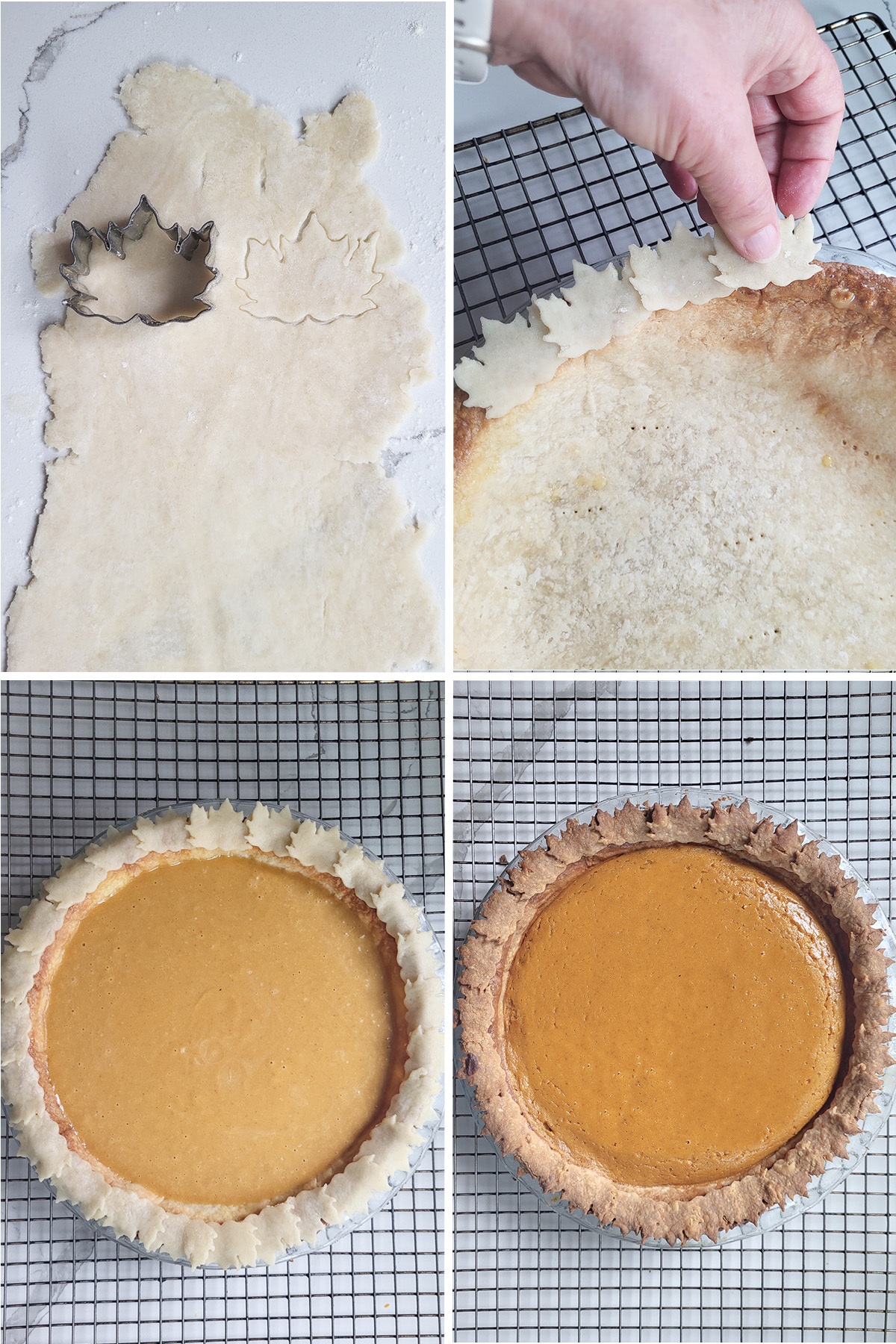
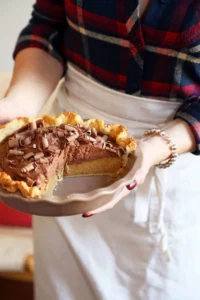
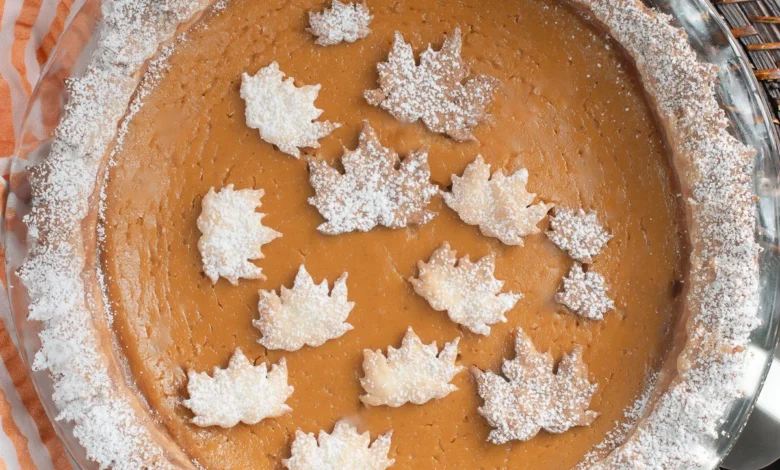
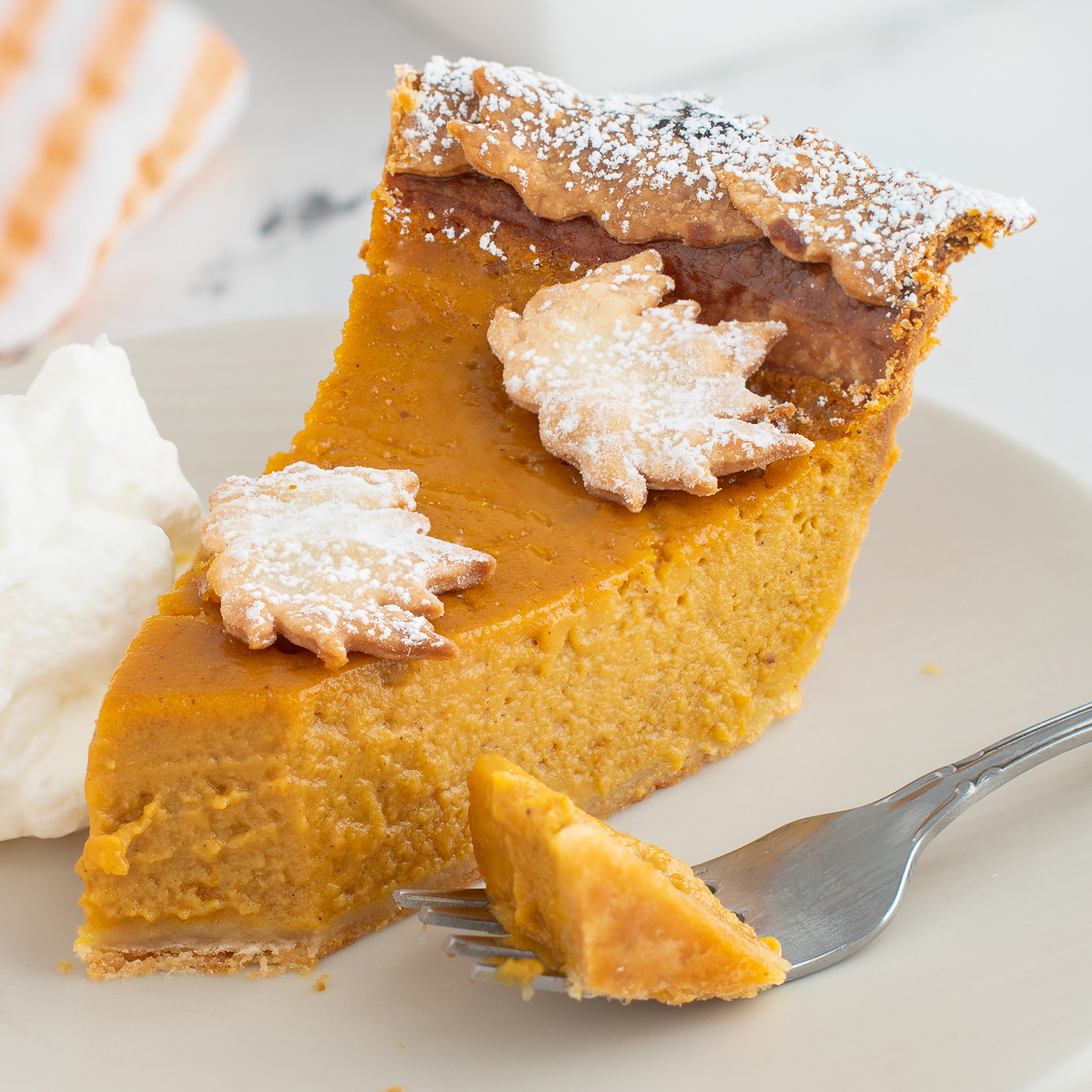
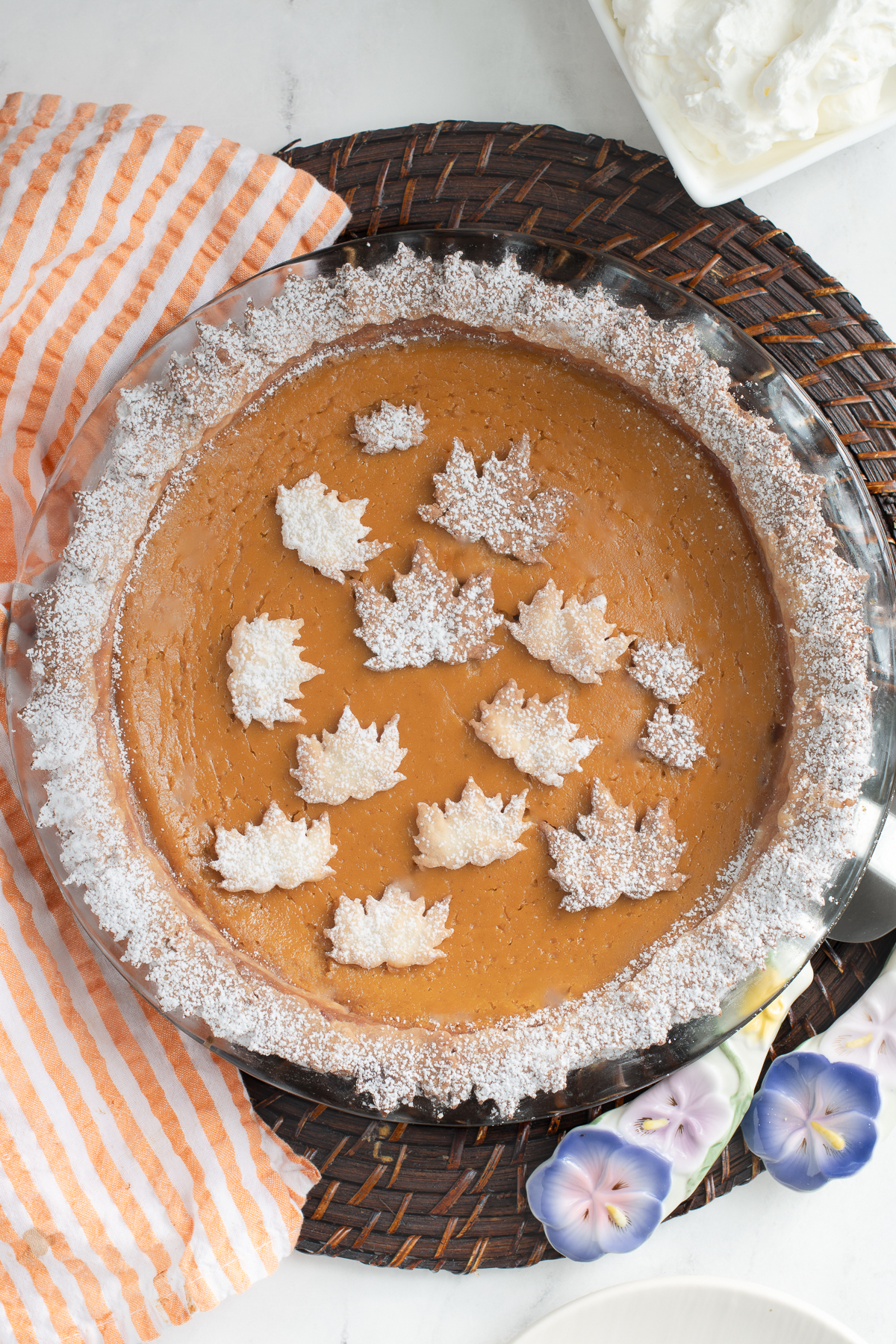
While aesthetically imperfect pies can be salvaged through the use of decorative elements—such as pastry leaf cutouts or the strategic application of whipped cream—the pursuit of the "perfect" pie remains a technical challenge. The current gold standard for home baking involves a precise balance of low-and-slow heat, consistent tempering of the custard, and the patience to allow the protein matrix to stabilize during the cooling cycle.
As the industry continues to evolve, the classic pumpkin pie serves as an ideal case study for the intersection of traditional holiday nostalgia and the application of rigorous culinary science. By adhering to these standardized techniques, home bakers can achieve a consistent, professional-grade result, ensuring that the centerpiece of the holiday table meets the high standards of contemporary gastronomy.