The Evolution of Pesto and the Rise of Kale Alternatives
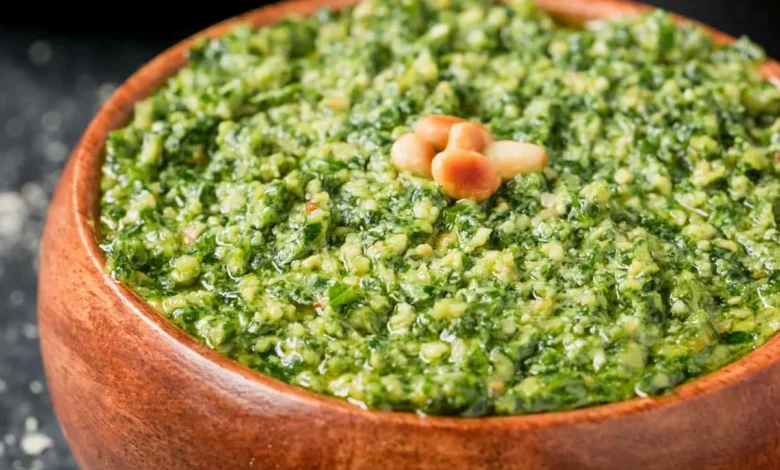
Traditionally, pesto alla genovese is composed of fresh basil, pine nuts, garlic, olive oil, and Parmesan or Pecorino cheese. However, the rise of veganism and the push for nutrient-dense "superfoods" have led to the widespread adoption of kale as a primary base. Kale, a member of the Brassica oleracea family, offers a more robust flavor profile and a superior nutritional density compared to sweet basil.

In the last decade, culinary researchers have noted a shift toward "green" sauces that utilize cruciferous vegetables to enhance fiber intake and provide essential vitamins such as A, K, and C. By substituting dairy with nutritional yeast—a deactivated yeast that provides a savory, umami-rich flavor—this version of the dish achieves a similar mouthfeel to traditional cheese-based pestos without animal derivatives.
Nutritional Profile and Health Implications
From a nutritional standpoint, the transition to a kale-based pesto represents a significant health upgrade. A standard serving of this recipe contains approximately 183 calories, with a balanced macronutrient distribution of 17 grams of healthy fats (largely derived from extra virgin olive oil and pine nuts), 6 grams of carbohydrates, and 4 grams of plant-based protein.

Unlike conventional dairy pestos, this version is entirely cholesterol-free and significantly lower in saturated fats. The inclusion of lemon juice and fresh garlic acts as both a flavor enhancer and a preservative, with garlic providing sulfur-containing compounds that have been linked to cardiovascular health benefits. The use of nutritional yeast provides a concentrated source of B-vitamins, including B12, which is often a critical deficiency in strict plant-based diets.
Preparation Methodology and Temporal Efficiency
The culinary process for preparing vegan kale pesto is designed for high-efficiency environments. The entire preparation, from the initial cleaning of the greens to the final emulsification, typically requires no more than 10 minutes of active time.

The process begins with the preparation of the base, which involves soaking minced garlic in fresh lemon juice. This technique, often employed in professional kitchens, neutralizes the sharp, acrid bite of raw garlic, allowing it to mellow into a balanced, aromatic component. Simultaneously, the pine nuts undergo a light roasting process in a skillet until they reach a golden-brown hue, a step that activates the natural oils within the nuts and imparts a toasted, buttery depth to the final product.
Following these preparatory steps, the kale—having been stemmed and washed—is introduced to a food processor alongside the nutritional yeast and the garlic-lemon infusion. The emulsification process is the final, critical stage; olive oil is drizzled in a slow, steady stream while the processor runs. This ensures the oil integrates fully with the solids, creating a stable, homogenous sauce that is neither too thin nor overly coarse.

Culinary Versatility and Market Integration
The versatility of kale pesto as a condiment has contributed to its popularity in both home cooking and professional catering. Because the flavor profile is more earthy and robust than that of traditional basil, it serves as a multi-functional ingredient. It is frequently utilized in the following applications:
- Pasta Integration: Acting as a high-viscosity coating for various pasta shapes, particularly those with ridges designed to trap thicker sauces.
- Artisanal Toast: Serving as a spread for toasted ciabatta or sourdough, often paired with roasted cherry tomatoes or balsamic glaze.
- Pizza Formulation: Providing a vibrant, nutrient-dense base for white-sauce vegan pizzas.
- Salad Dressings: When thinned with additional lemon juice or water, it functions as a potent, emulsified dressing for heartier salads.
Storage and Preservation Protocols
For commercial and domestic food safety, the storage of kale pesto requires strict adherence to temperature controls. Due to the absence of dairy preservatives, the shelf life is inherently limited. When stored in an airtight, glass-based container in a refrigerator, the pesto remains stable for up to seven days.

Freezing provides a long-term storage solution, extending the viability of the product to approximately three months. Experts recommend portioning the pesto into ice cube trays before freezing; this allows for the thawing of single-serving portions, which minimizes waste and prevents the entire batch from being exposed to repeated temperature fluctuations.
Broader Impact on Plant-Based Food Trends
The emergence of recipes like vegan kale pesto is symptomatic of a broader shift in Western dietary patterns. Food technologists observe that consumers are increasingly seeking "functional foods"—dishes that provide health benefits beyond basic nutrition. By reclaiming traditional recipes and modifying them with sustainable, plant-forward ingredients, chefs and home cooks are able to maintain the cultural heritage of Mediterranean cooking while adhering to contemporary ethical and environmental standards.

Furthermore, the environmental impact of shifting from dairy-based cheese to yeast-based alternatives is notable. The production of hard cheeses requires high water and land usage, as well as significant greenhouse gas emissions associated with bovine agriculture. By contrast, the production of kale and nutritional yeast carries a significantly lower carbon footprint, making this dish an attractive option for environmentally conscious consumers.
Conclusion and Future Outlook
As the plant-based sector continues to expand, the focus on flavor-forward, easy-to-prepare recipes like this one remains paramount. The success of vegan kale pesto lies in its ability to satisfy the palate’s demand for salt, fat, and acidity without the need for animal products. Whether it is used as a foundational element in a complex Italian-inspired meal or as a simple, nutritious spread, the recipe demonstrates that the evolution of cuisine does not require the sacrifice of taste.

For those engaging with this recipe, the key remains in the quality of the ingredients. Using high-grade, cold-pressed extra virgin olive oil and the freshest possible kale will dictate the final outcome of the emulsion. As culinary innovation progresses, it is expected that further variations—perhaps incorporating different nuts or seeds like walnuts or hemp hearts—will continue to refine the standard for what is currently considered the gold standard in plant-based pesto.