Sourdough Pumpkin Bagels: A Technical Guide to Seasonal Artisanal Baking and Fermentation Science

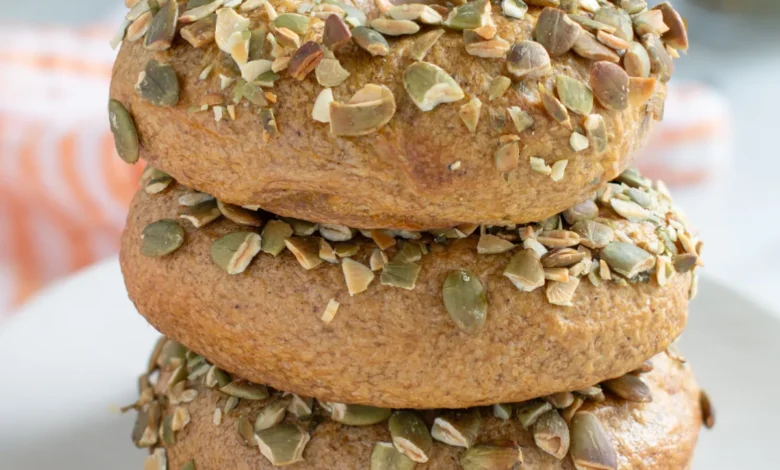
The rise of home-based artisanal baking has catalyzed a shift toward sophisticated, long-fermentation techniques that prioritize both nutritional profile and depth of flavor. Central to this movement is the sourdough pumpkin bagel, a seasonal adaptation of the traditional New York-style boiled dough product. By replacing commercial instant yeast with an active sourdough starter—a symbiotic culture of wild yeast and lactic acid bacteria—bakers are increasingly exploring the intersection of traditional leavening and autumn-inspired flavor profiles. This process requires a disciplined adherence to time-management protocols, often spanning two days to accommodate the slower metabolic rate of sourdough cultures in the presence of enriched ingredients like pumpkin purée and warm spices.
The Science of Enriched Sourdough Fermentation
The incorporation of pumpkin into a lean bagel dough introduces significant variables that complicate standard fermentation. Pumpkin purée, while providing moisture and a distinct autumnal flavor, alters the pH of the dough and introduces enzymes that can impact gluten development. Furthermore, the inclusion of sugars—often in the form of barley malt syrup, which is traditional for authentic bagel production—acts as an osmotic stressor on the wild yeast.
In professional bakery settings, the "enrichment" of dough (the addition of fat, sugar, or vegetable solids) is known to retard the activity of wild yeast compared to the standard flour-water-salt-yeast matrix. Data from fermentation studies suggest that the complex carbohydrates found in pumpkin require a more extended bulk fermentation phase to ensure the dough reaches the appropriate level of gas retention. For the home baker, this necessitates a transition from the rigid, fast-paced schedules of commercial yeast recipes to a more intuitive, observation-based approach centered on the "peak" activity of the sourdough starter.
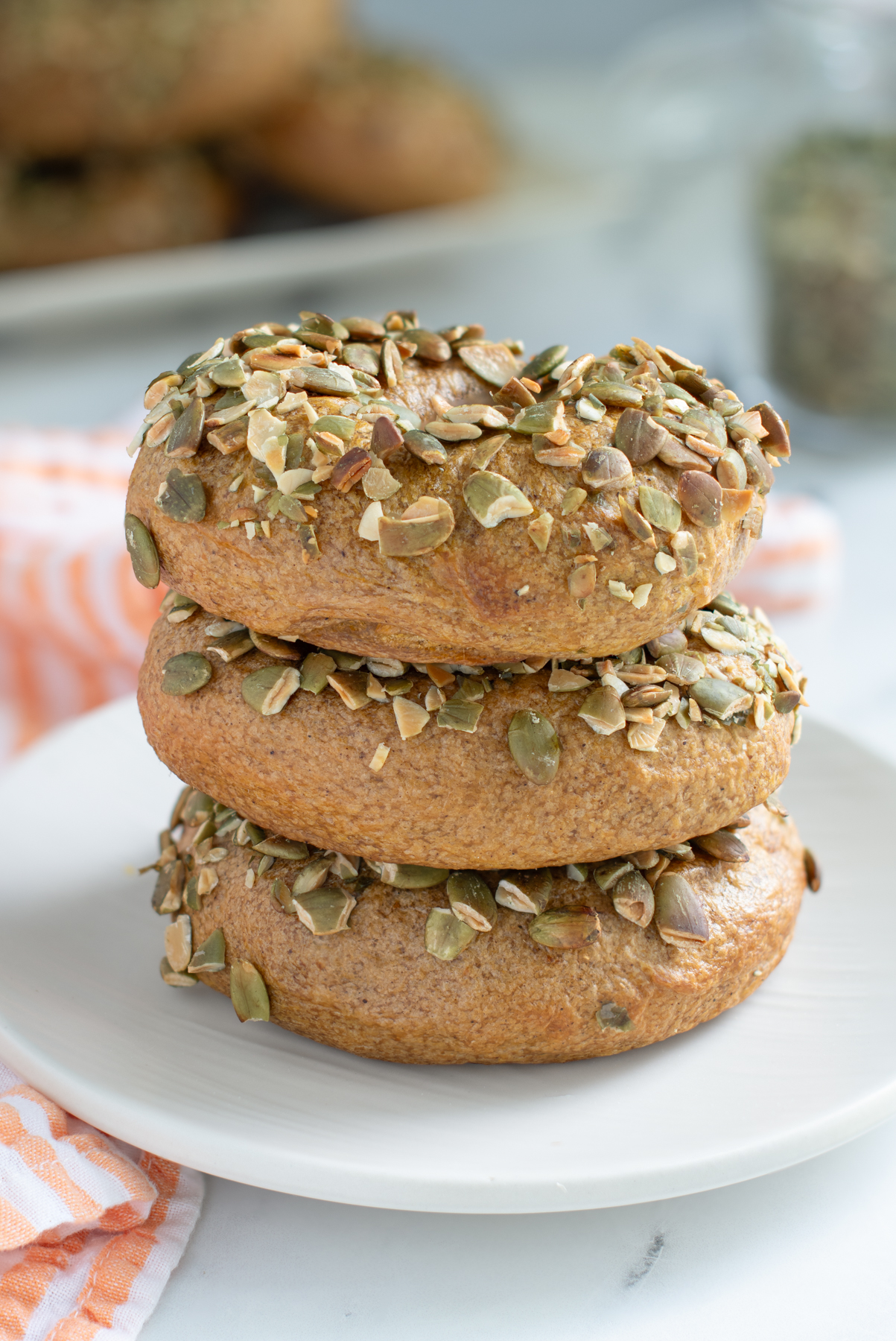
Chronology of the Two-Day Production Cycle
The production of these bagels is typically organized into a 13-hour minimum window, though the active labor requirement remains relatively low. The process is broken down into a structured timeline designed to optimize flavor development and texture.
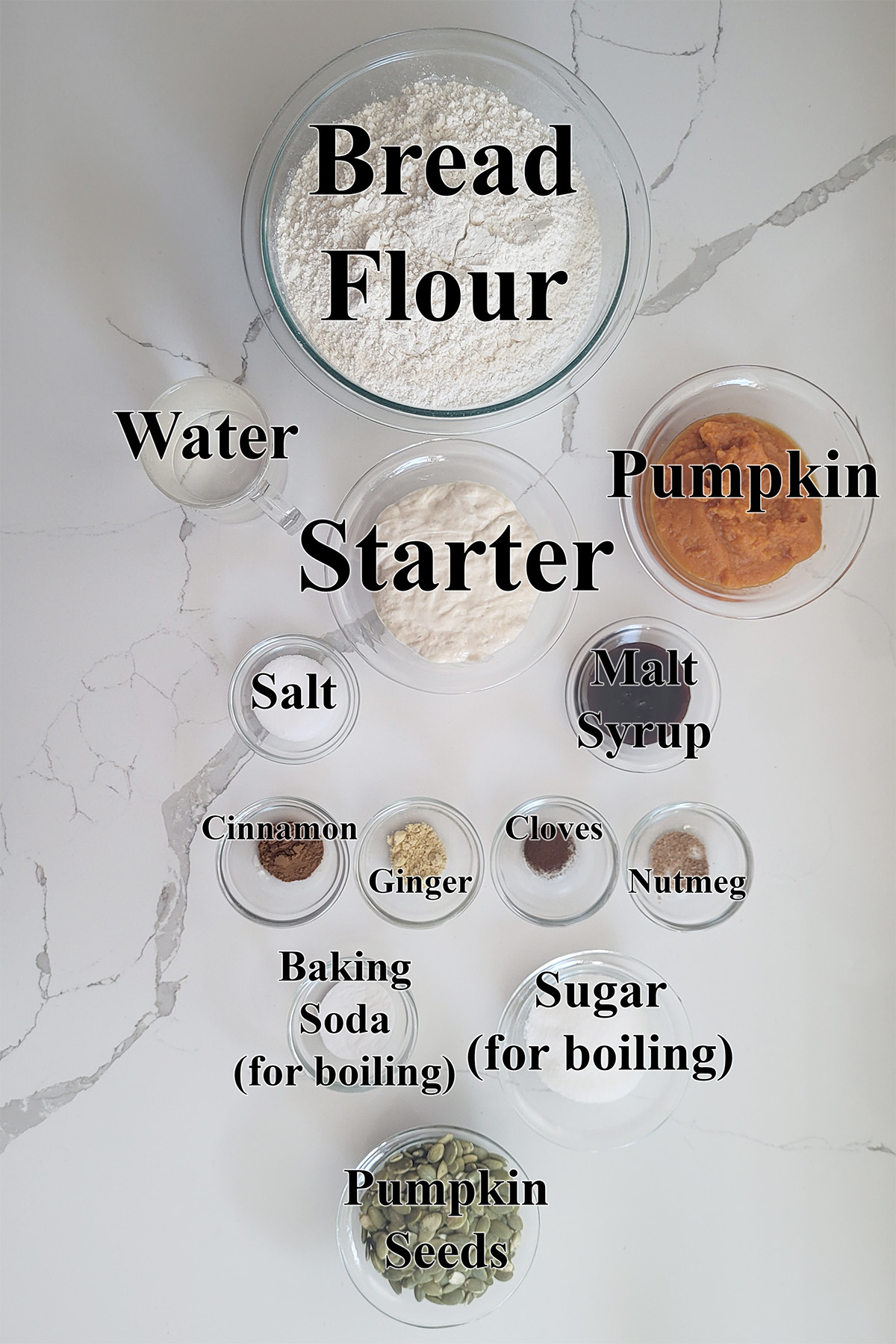
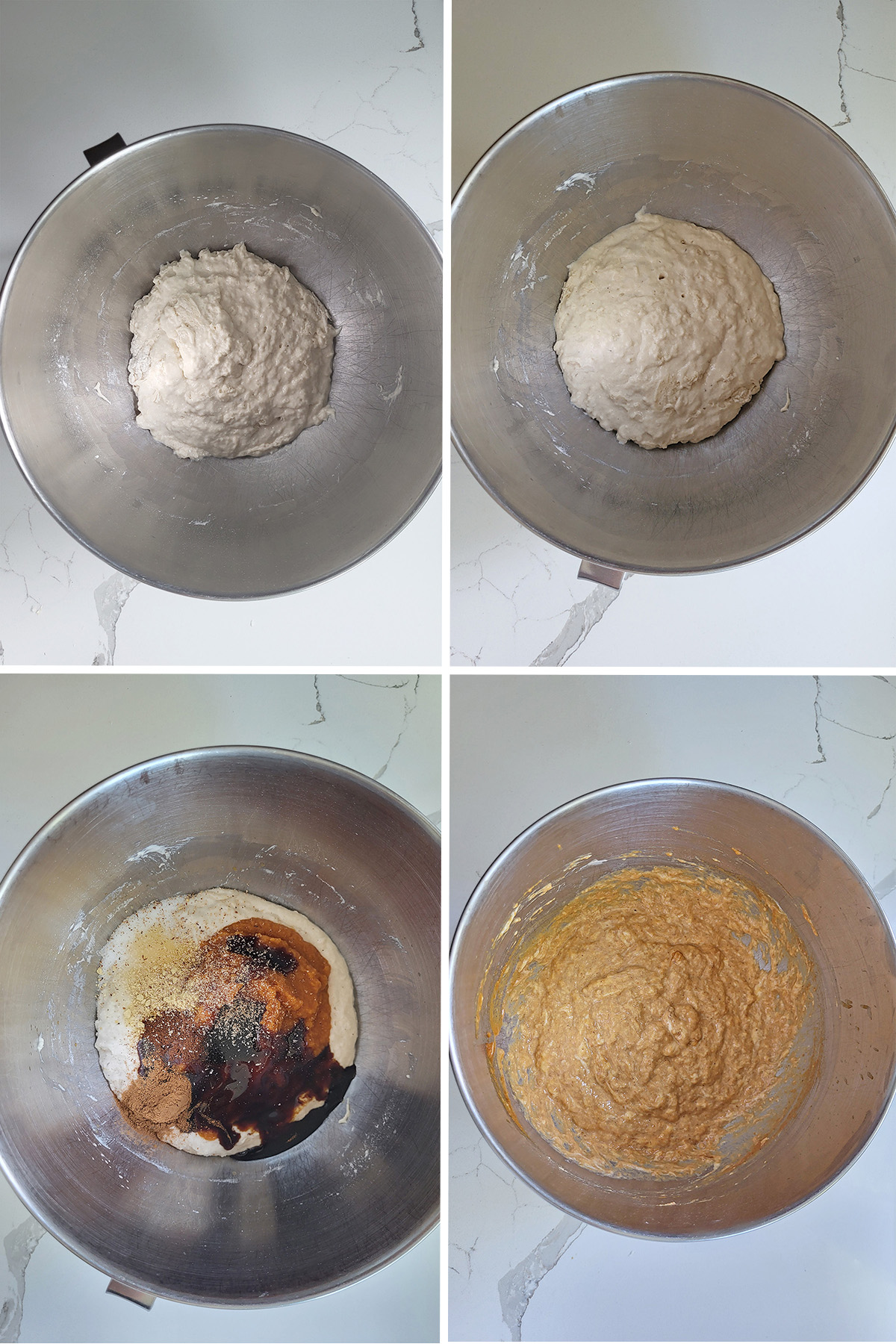
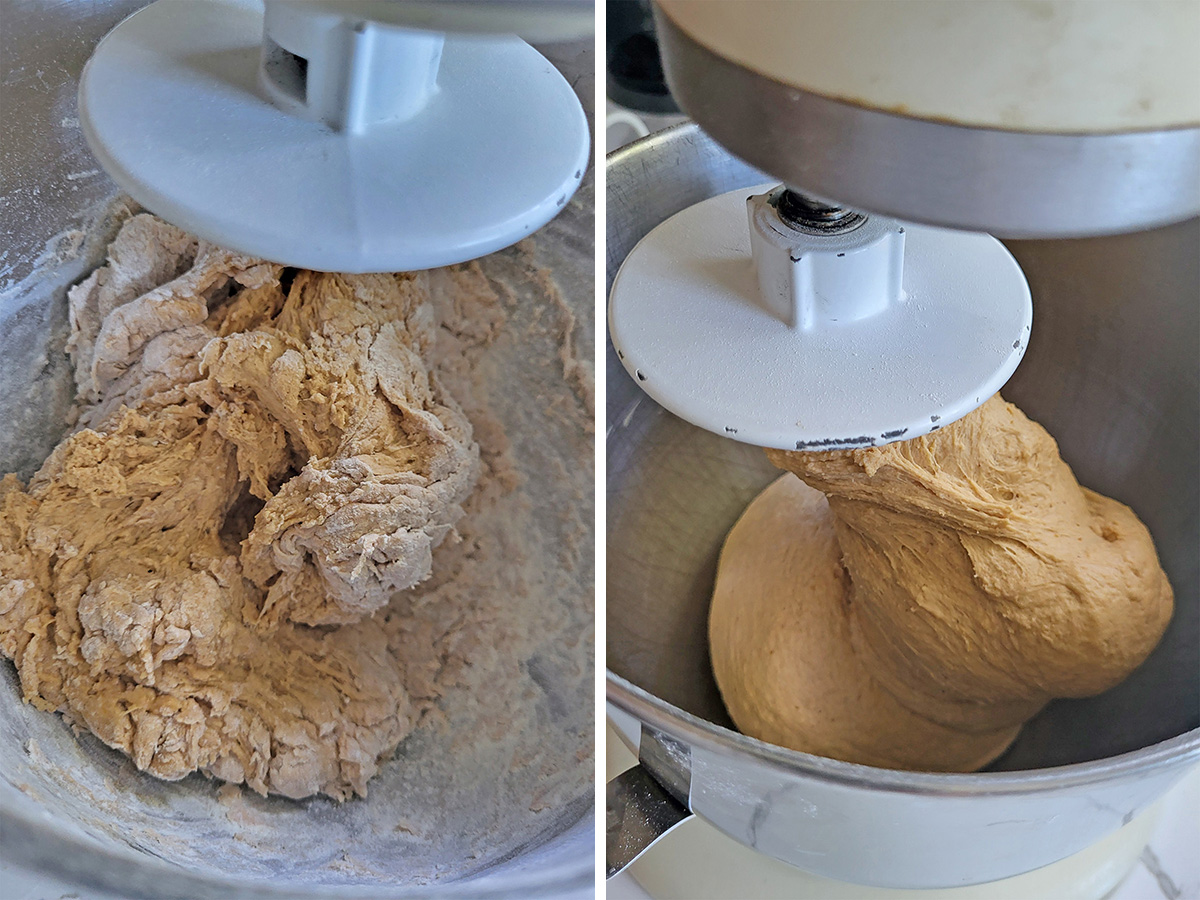
- Day One: Activation and Mixing. The cycle begins with the feeding of the sourdough starter. Ensuring the culture is at its peak of vitality is critical, as it serves as the sole leavening agent. Once the starter is active, it is incorporated with high-protein bread flour, water, salt, and the pumpkin-spice base. The dough is kneaded until it achieves a smooth, elastic consistency, indicating proper gluten network formation.
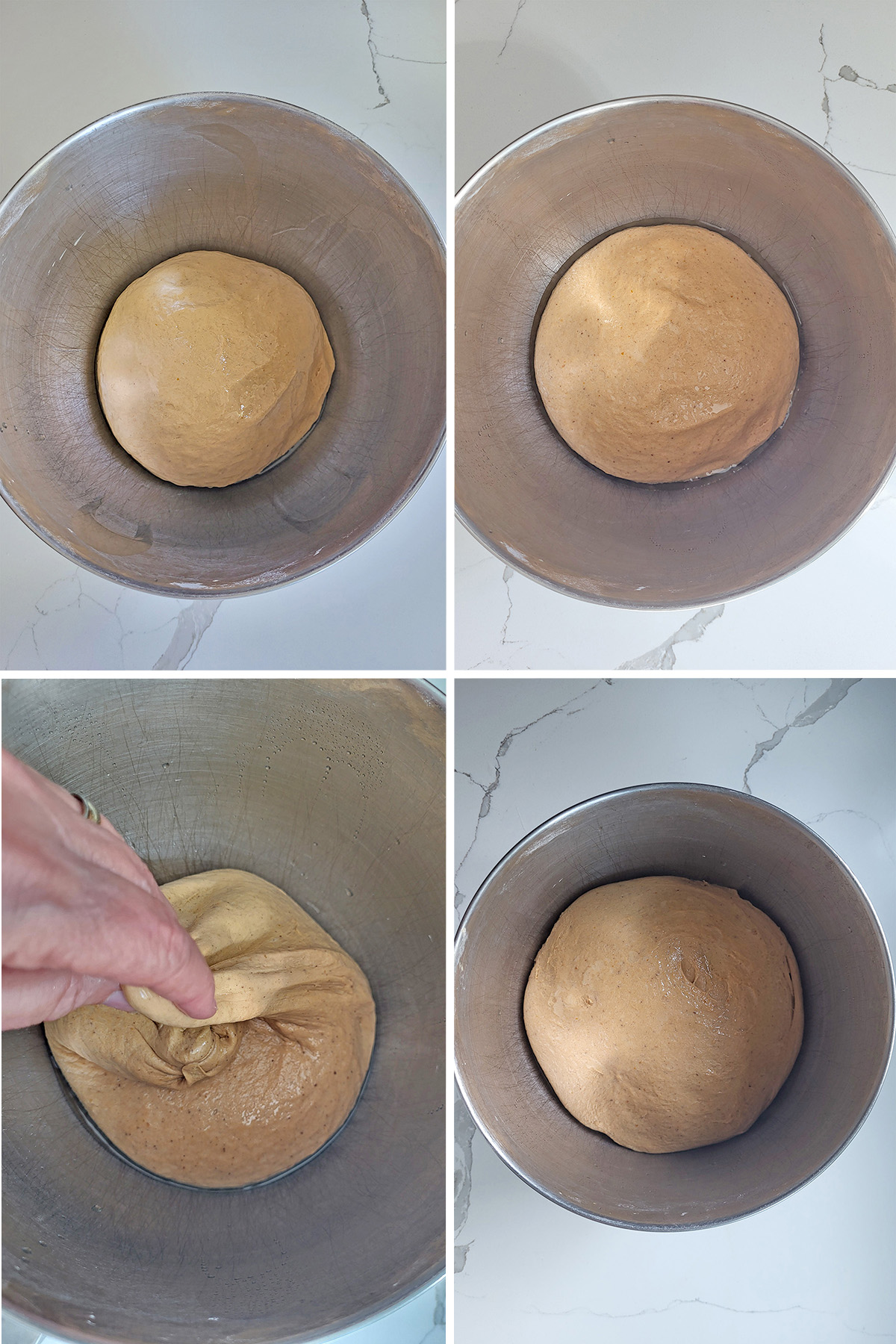
- Bulk Fermentation. Following the initial mix, the dough undergoes a bulk fermentation period. During this time, the sourdough culture breaks down starches into simpler sugars, a process that contributes to the characteristic tangy flavor profile. Periodic "folding" of the dough is often employed to strengthen the gluten structure without deflating the gas pockets produced by the yeast.
- Shaping and Cold Retardation. Once the dough has reached the desired volume, it is divided and shaped into the classic bagel form. A crucial, yet often overlooked, step is the cold proof—or retardation—which involves placing the shaped bagels in a refrigerator overnight. This cold temperature slows yeast activity while allowing bacterial fermentation to continue, which is essential for developing the deep, complex flavors associated with high-quality sourdough.
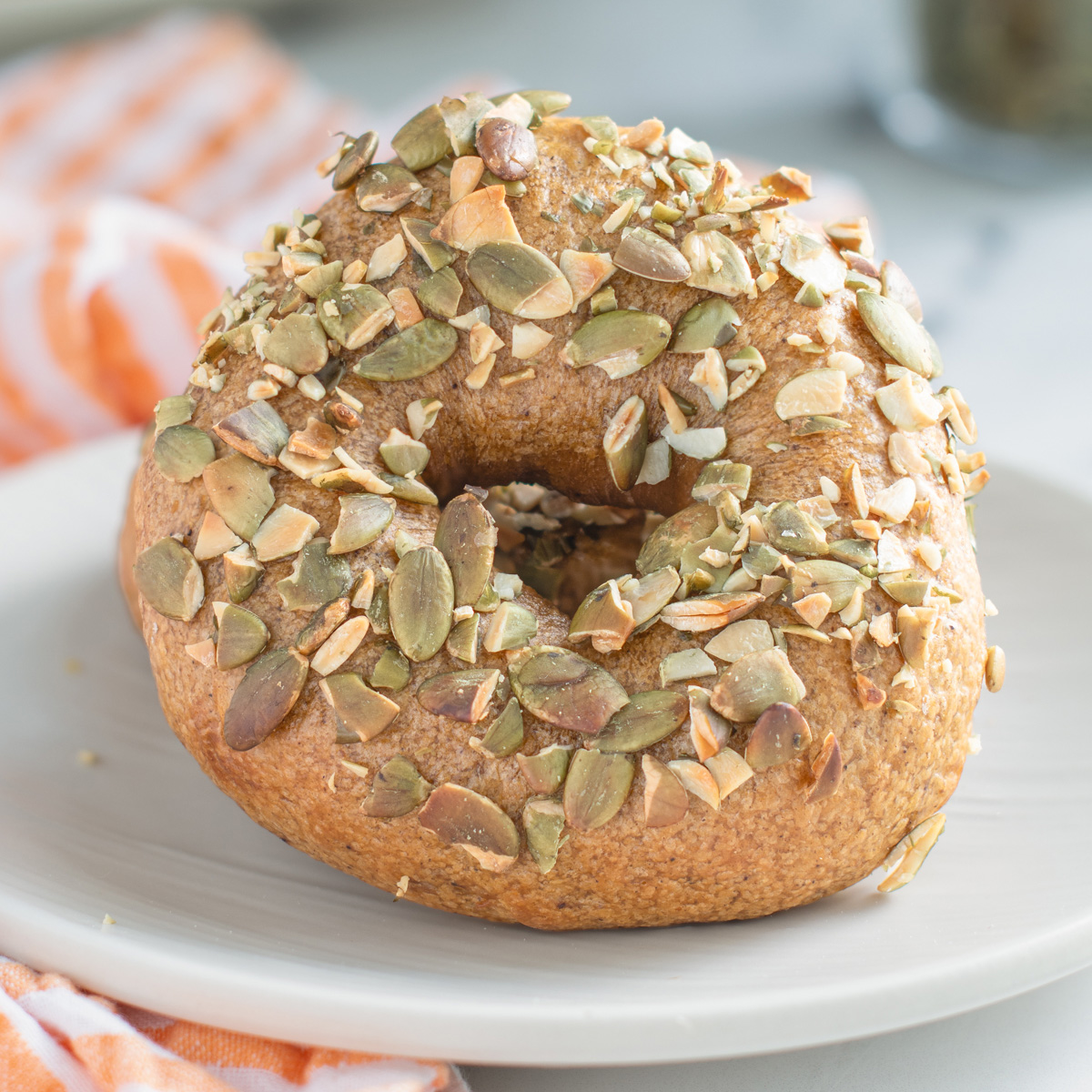
- Day Two: Boiling and Baking. The final phase involves boiling the bagels in water, often infused with malt syrup, for a brief period before baking. The boiling process gelatinizes the surface starches, creating the signature chewy exterior and a glossy finish. Baking at high temperatures then sets the structure, ensuring a dense, tight crumb that is synonymous with authentic New York-style bagels.
Market Context and Consumer Trends
The increasing popularity of sourdough-based seasonal breads reflects a broader consumer trend toward "slow food" and ingredient transparency. As consumers become more aware of the digestive benefits of long-fermentation sourdough—which can help break down phytic acid and make minerals more bioavailable—the demand for artisanal home-baking recipes has surged.
Industry analysts note that "pumpkin spice" as a flavor profile has evolved from a niche seasonal trend into a staple of the autumn culinary calendar. However, the modern consumer is increasingly discerning, moving away from overly sweet, artificial flavorings in favor of recipes that use authentic, high-quality ingredients like real pumpkin purée and nuanced spice blends. This shift is clearly reflected in the technical requirements of the sourdough pumpkin bagel, where the goal is to balance the earthiness of the pumpkin with the acidity of the sourdough, rather than overwhelming the palate with excessive sugar.
Technical Challenges in Home Production
While the process is accessible to home bakers, it is not without its challenges. The primary hurdle remains the "proofing" stage. Because pumpkin-enriched doughs are heavier, they are prone to under-proofing, which results in a dense, leaden bagel rather than one with the desired "chew." Expert bakers advise monitoring the dough’s visual cues—such as a noticeable increase in volume and a "springy" texture—rather than relying solely on a timer.
Furthermore, the choice of sweetener is a matter of culinary importance. Barley malt syrup is the industry standard for traditional bagels because it provides a distinct, deep malt flavor and darkens the crust during the boiling process. While molasses or honey can serve as functional substitutes, they alter the final flavor profile and the crust’s caramelization levels. For those attempting this recipe at home, maintaining the integrity of these traditional techniques is the difference between a standard roll and an authentic, artisan-style bagel.
The Role of Nutritional Profiling
From a nutritional perspective, these bagels offer a higher fiber content and more complex carbohydrate structure than their commercial counterparts. Each bagel contains approximately 11 grams of protein and 3 grams of fiber. While they are a source of energy, they are also a testament to the benefits of home preparation; by controlling the ingredients, bakers avoid the preservatives and dough conditioners often found in mass-produced products.
The nutritional data—featuring 331 kcal per serving—suggests that while they are energy-dense, they remain a viable option for a balanced breakfast when paired with protein-rich toppings. The inclusion of Vitamin A, provided by the pumpkin, adds a minor micronutrient advantage that is absent in standard white-flour bagels.
Implications for the Future of Home Baking
The evolution of the sourdough pumpkin bagel represents a convergence of traditional technique and modern dietary interest. As the home baking community continues to refine its craft, the focus is shifting toward "functional baking"—creating products that are not only aesthetically pleasing and delicious but also scientifically sound in their fermentation.
The success of such recipes in the digital space, where home bakers share results and troubleshooting tips, indicates that the learning curve for high-level baking is flattening. As more individuals move toward home-based production, the broader food industry may see a shift in consumer expectations, with a greater emphasis on the time-intensive, quality-focused methods that were once the exclusive domain of professional artisan bakeries. Whether driven by the desire for authentic seasonal flavors or the health benefits of long-fermentation, the sourdough pumpkin bagel stands as a premier example of how ancient baking traditions remain highly relevant in the contemporary kitchen.