The Renaissance of Blended Scotch: Redefining the Art of the Master Blender

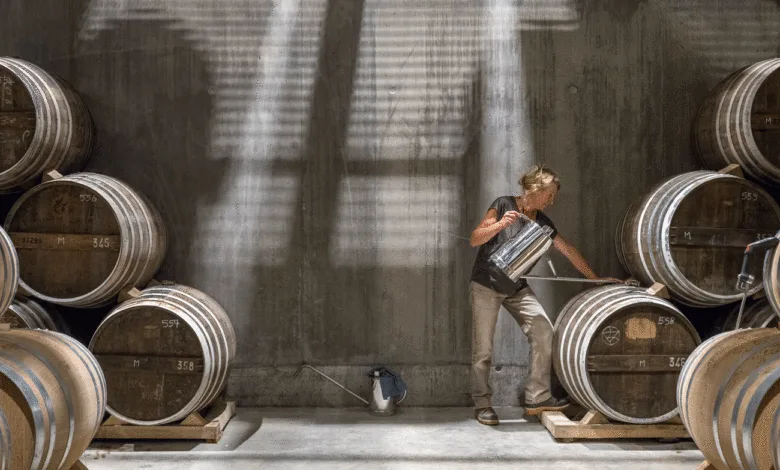
For decades, the global conversation surrounding Scotch whisky has been dominated by the singular, rugged allure of single malts. Enthusiasts have trekked to remote distilleries in Islay, Speyside, and the Highlands, seeking the distinct "sense of place" and the unadulterated character of malted barley distilled in a single location. This obsession with provenance and the "terroir" of the distillery turned single malts into luxury collectibles, often leaving blended Scotch—the combination of multiple single malts and grain whisky—to be perceived as a mere commodity or a mass-market entry point. However, a significant shift is currently underway. Blended Scotch is shedding its reputation as an uninteresting category, emerging instead as a canvas for high-level artistry and a showcase for the nuanced science of blending.
The Historical Context and the Shift in Perception
To understand the current resurgence, one must look at the history of the Scotch industry. Blended whisky was, for the better part of the 20th century, the backbone of the entire industry. Icons such as Johnnie Walker, Chivas Regal, and Dewar’s built global empires by perfecting the consistency and complexity of a blend. By marrying the heavy, pungent profiles of pot-still malts with the lighter, versatile nature of column-distilled grain whisky, blenders were able to create products that were more accessible and consistently reliable than the erratic, cask-specific nature of early single malts.
As the late 1990s and 2000s ushered in the "Single Malt Era," marketing narratives shifted to emphasize exclusivity. The "blend" became synonymous with "bulk," a misconception that has persisted for nearly a quarter-century. Yet, industry data now suggests a reversal. According to the Scotch Whisky Association (SWA), while single malt exports continue to grow in value, the volume of high-end, premium blended expressions is seeing a notable uptick. This is not just a return to tradition; it is an evolution toward a more experimental, transparent, and craft-oriented approach to blending.
The Rise of the Modern Blender
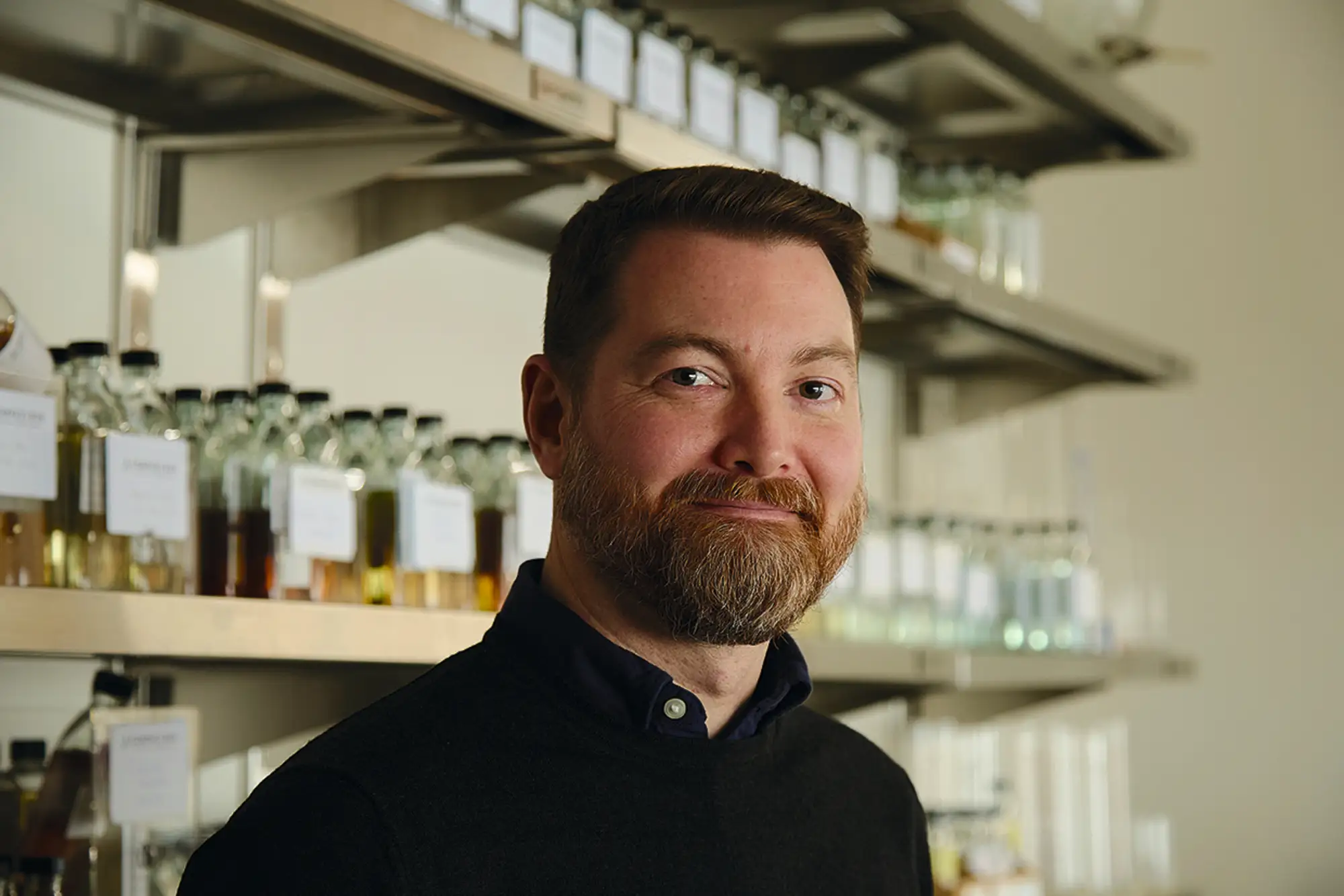
At the vanguard of this movement are independent houses like Compass Box and Woven, which have replaced the secrecy of traditional blending rooms with a culture of transparency and creative ambition. Compass Box, for instance, has effectively disrupted the market by utilizing components from over 40 distinct distilleries. This allows their whiskymakers, such as Michael Stephenson, to treat their craft like an architect treats a blueprint.
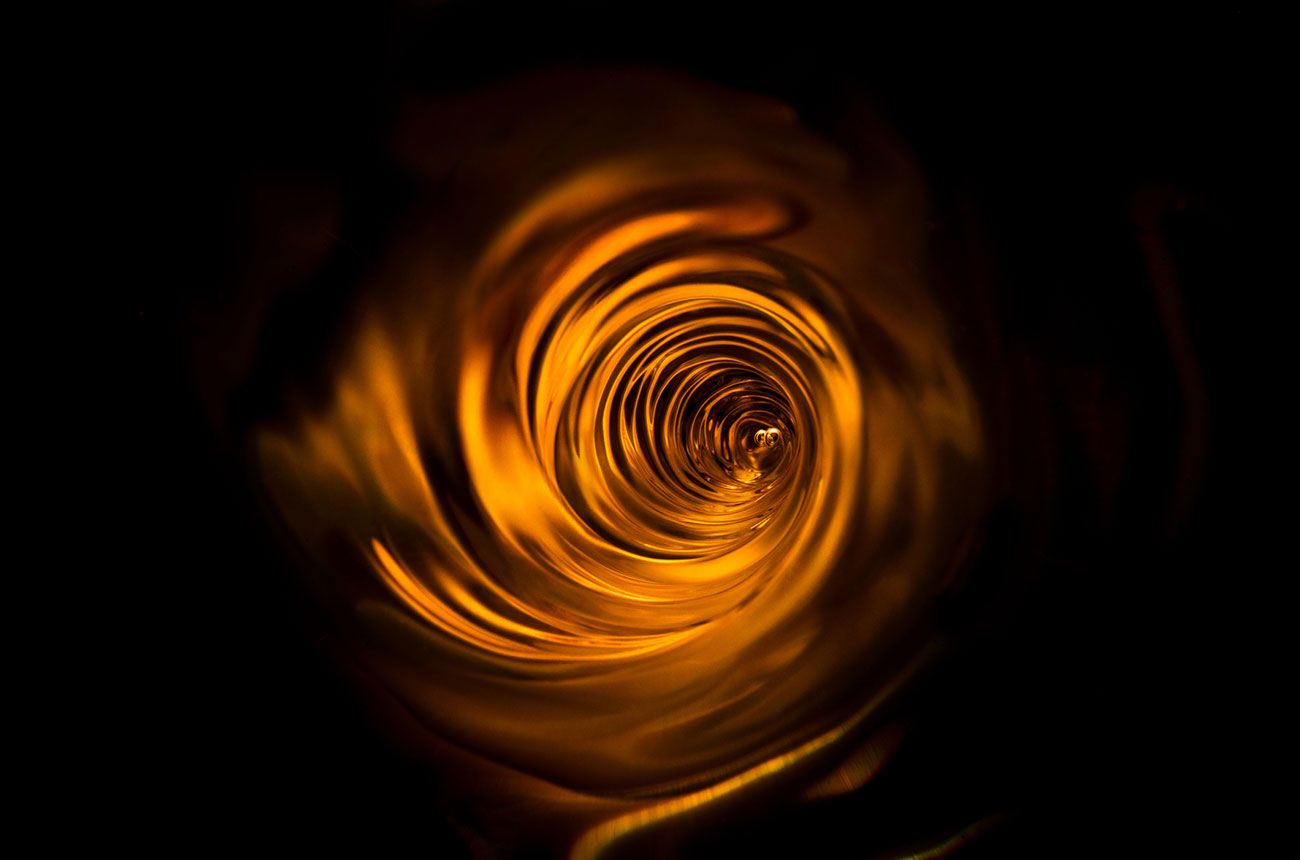
"We’re able to combine the DNA of multiple distilleries, bringing them together in creative and often unexpected ways to create flavour profiles no single distillery can deliver on its own," says Stephenson. This philosophy challenges the dogma that single malt is inherently superior. By curating whiskies from different regions—some peated, some sherry-cask aged, some floral and delicate—the blender can build a three-dimensional experience. The result is a profile that is "greater than the sum of its parts," offering a level of complexity and balance that a single-distillery expression might struggle to achieve without excessive intervention.
The Unspoken Hero: Grain Whisky
Crucial to this renaissance is a renewed appreciation for grain whisky. Often dismissed as a "filler" in decades past, grain whisky is now being recognized as the structural skeleton of a great blend. Column-distilled and typically made from corn or wheat alongside malted barley, grain whisky offers a lighter, more ethereal quality that allows the heavier malt components to express themselves without becoming muddy.
"Grain can create space for the malt to open up and speak clearly in the blend so we can dial in focus, texture and intensity of flavour delivery," notes Stephenson. When aged for extended periods in high-quality casks, grain whisky loses its "neutral" character and develops a refined, silky texture that is increasingly sought after by connoisseurs. Producers like Woven are even challenging the traditional ratios, creating "Superblends" that incorporate global whiskies, pushing the boundaries of what constitutes a "Scotch" profile. This experimentation with ingredients and ratios is forcing the entire industry to acknowledge that the quality of a whisky is determined by the blender’s palate rather than the prestige of the distillery name.
Chronology of the Blended Revival
- 1990s – Early 2000s: The "Single Malt Boom" relegates blended Scotch to a secondary tier, characterized by mass-market consistency and a perceived lack of prestige.
- 2010s: Independent bottlers and blenders like Compass Box begin to challenge labeling regulations and industry norms, championing transparency regarding the age and origin of blend components.
- 2020: Data begins to show a "premiumization" trend in the blends category, as consumers show interest in older age statements and experimental finishes (e.g., wine, port, and rare cask finishes).
- 2024–2025: A surge in interest from younger demographics, driven by the cocktail movement and the "Highball" culture, leads to a surge in demand for versatile, high-quality blended whiskies.
- 2026: The current landscape sees established heritage brands re-branding their premium blends to emphasize the role of the Master Blender, aligning with the "craft" narrative previously reserved for small-batch malts.
Supporting Data and Market Analysis
Market reports from 2025 indicate that while blended Scotch accounts for roughly 70-75% of all Scotch whisky sales by volume, the "value-added" segment—blends retailing above $50—is growing at a compound annual growth rate (CAGR) of 4.2%. This suggests that while entry-level blends remain a stable staple, the growth engine for the category is clearly in the premium and "craft" space.
The shift is further supported by the increasing popularity of "Blended Grain" expressions. Historically, these were rarely bottled alone. Today, producers are releasing single-grain whiskies that have spent 20, 30, or even 40 years in wood. These whiskies provide a level of elegance and structural refinement that is fundamentally different from the punchy, high-ester profiles of single malts. This variety allows a blender to reach for a "tool" that is either a sledgehammer (peaty malt) or a scalpel (refined grain), depending on the desired outcome.
Official Industry Stance and Implications
Major players in the industry, including Diageo and Pernod Ricard, have begun to pivot their marketing strategies in response to these trends. While their flagship blends remain volume-driven, they have invested heavily in "Master Blender’s Collections" and limited-edition blends that highlight the specific marriage of casks. This institutional support indicates that the industry no longer views the "single vs. blend" debate as a binary choice.
The implication for the consumer is profound. We are moving toward a more nuanced understanding of whisky where "blended" is no longer a pejorative term but a hallmark of deliberate, expert design. As producers continue to innovate, the barrier between the amateur enthusiast and the expert blender is thinning.
Spotlight: The Compass Box Nectarosity
A prime example of this modern approach is the Compass Box Nectarosity. Priced between £51.90 and £55.95, it serves as an accessible entry point into the world of high-end blending. Tasting notes reveal a profile of juicy red apple, apricot, and vibrant lime—a fruit-forward brightness that is rarely found in the heavier, earthier single malts of the same price point.
The experience is rounded out by a transition to sweet toffee and baking spices, supported by a silky mouthfeel that is a direct result of the grain-malt ratio. At 46% ABV, the whisky is robust enough to be enjoyed neat, but possesses the structure to remain present when mixed with soda water in a Highball. It is a testament to the fact that when blending is treated with the same reverence as single-distillery production, the results are not just acceptable—they are exceptional.
Conclusion
The renaissance of blended Scotch is not a rejection of the past, but a maturation of the category. By reclaiming the title of "Master Blender" as an artistic endeavor rather than a cost-cutting necessity, the industry is providing consumers with a new lens through which to view their dram. Whether through the inclusion of aged grain whiskies, experimental cross-category blending, or simply a commitment to flavor-first creation, the blended Scotch of today is proving that harmony, when expertly achieved, is every bit as compelling as the singular voice of the malt. As the industry looks forward, the focus remains clear: it is not about which style is "better," but about using the full spectrum of available whisky styles to deliver an unparalleled experience to the palate.