The Science and Sensory Dynamics of Spicy Red Wines Understanding the Chemistry of Peppery Piquant and Spiced Profiles

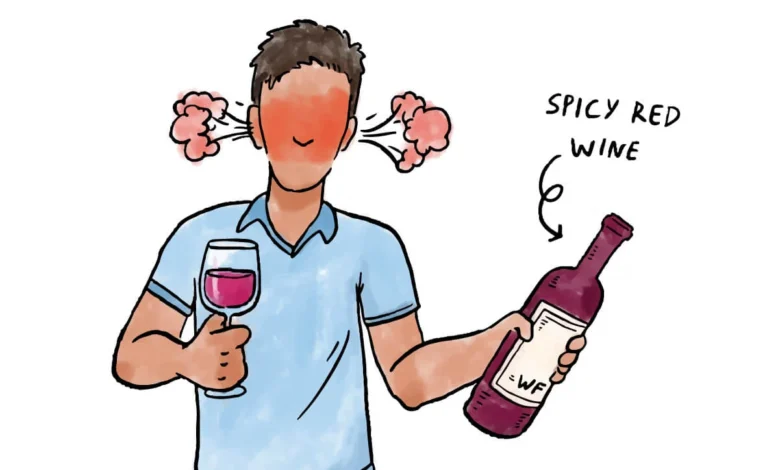
The experience of consuming red wine is often described through a spectrum of fruit-forward descriptors, yet a significant segment of the global viticultural output is defined by a characteristic "spice" that ranges from the sharp bite of black pepper to the warm resonance of baking spices. This sensory phenomenon is not a byproduct of added seasonings but is rather the result of complex chemical interactions involving grape genetics, terroir, fermentation kinetics, and maturation vessels. Understanding the distinctions between pepperiness, piquancy, and spiced profiles requires an interdisciplinary look at organic chemistry, human physiology, and traditional winemaking techniques.
The Chemical Foundation of Pepperiness: The Rotundone Breakthrough
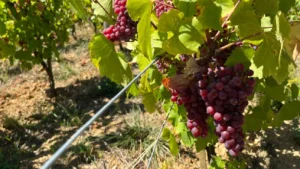
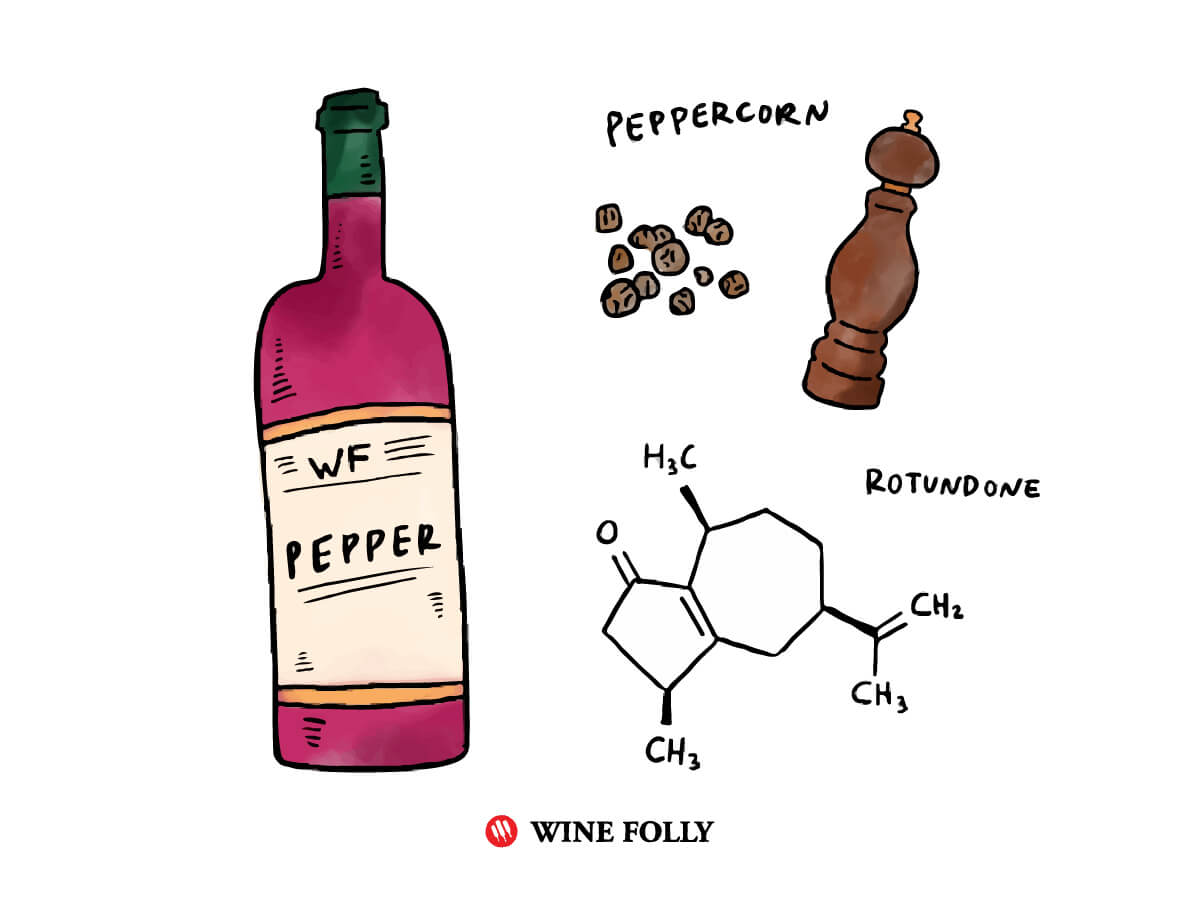
For decades, the distinct aroma of black pepper in wines—most notably in Syrah and Grüner Veltliner—was a recognized but poorly understood trait. It was not until 2008 that researchers at the Australian Wine Research Institute (AWRI) identified the specific compound responsible for this profile: rotundone. An oxygenated sesquiterpene, rotundone is found in the skins of certain grape varieties and is so potent that it can be detected by the human nose in concentrations as low as 16 nanograms per liter in red wine.
The presence of rotundone is heavily influenced by environmental factors. Studies indicate that cooler growing seasons and specific clones of the Syrah grape tend to produce higher concentrations of the compound. In the Northern Rhône Valley of France, particularly in the appellations of Hermitage and Côte-Rôtie, the peppery signature is considered a hallmark of quality. However, the perception of this spice is not universal. Approximately 20 percent of the human population suffers from a specific anosmia—an inability to smell—rotundone. For these individuals, a highly peppery Syrah may simply present as fruity or earthy, highlighting the subjective nature of wine tasting rooted in genetic predispositions.

Piquancy and the Physiology of the Trigeminal Nerve
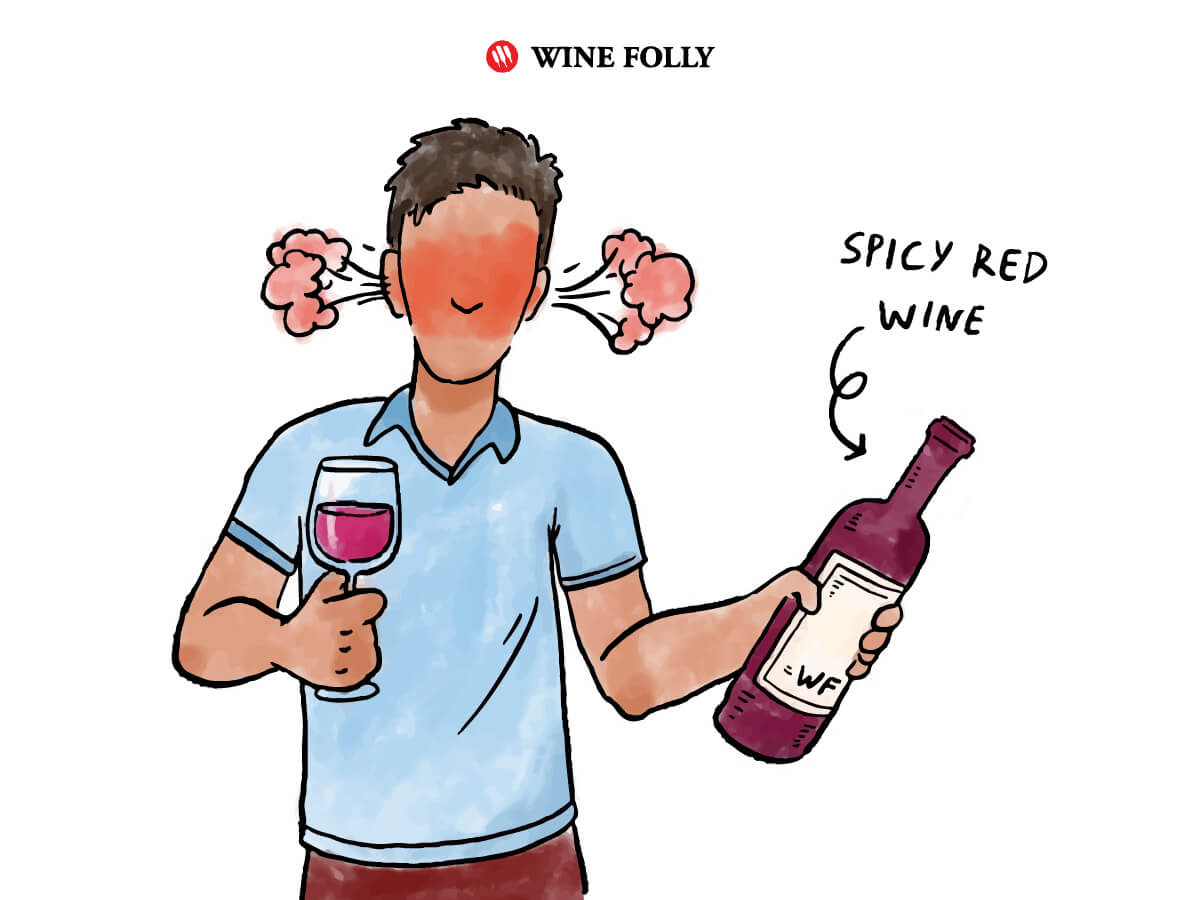
While pepperiness is primarily an olfactory experience, "piquancy" in wine refers to a tactile sensation of heat or tingling on the palate. This sensation is governed by the trigeminal nerve, which is responsible for detecting chemical irritants and temperature changes in the mouth. In the context of red wine, piquancy is generally driven by two factors: high acidity and elevated alcohol content.
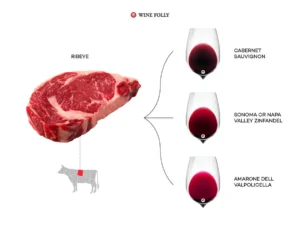
Italian viticulture provides a primary example of acid-driven piquancy. Chianti Classico, produced from the Sangiovese grape, is characterized by a high total acidity that creates a sharp, lively sensation often described as piquant. This acidity serves a structural purpose, cutting through the fats of traditional Tuscan cuisine, such as Bistecca alla Fiorentina. Conversely, wines like Amarone della Valpolicella represent alcohol-driven piquancy. With alcohol levels often exceeding 15 or 16 percent, the ethanol molecules activate the TRPV1 receptors on the tongue. These are the same receptors that respond to capsaicin in chili peppers and temperatures above 107°F (42°C). This explains why high-alcohol wines can produce a literal "warming" sensation in the throat and chest.
The Role of Cooperage: Extracting Spiced Aromas from Oak
A third category of spiciness is characterized by aromas of vanilla, clove, nutmeg, and cinnamon. Unlike rotundone, these "spiced" notes are largely exogenous, introduced during the aging process through contact with toasted oak barrels. The chemistry of cooperage is a precise science; as wood is heated or "toasted" to form a barrel, its lignin structures break down into aromatic compounds.
French oak (Quercus robur and Quercus petraea) is known for its subtle integration, often providing notes of silk and cedar, while American oak (Quercus alba) is more assertive, contributing high levels of oak lactones (which smell of coconut) and vanillin. The "clove" aroma often found in barrel-aged Zinfandel or South African Pinotage is attributed to eugenol, a compound found in oak that becomes more pronounced with medium-to-heavy toasting. Furthermore, guaiacol and 4-methylguaiacol are produced during the charring of the wood, imparting smoky, toasty, and spicy nuances that define the "spice cupboard" profile of many New World red wines.
A Chronology of Flavor Science and Discovery
The evolution of our understanding of spicy wines has followed a trajectory from anecdotal observation to rigorous molecular analysis.
- Pre-19th Century: Winemakers recognized that certain vineyards produced "spicier" wines, but attributed this entirely to the "soul" of the soil or "terroir."
- 1950s-1970s: The modernization of enology led to the identification of esters and aldehydes, but the specific "pepper" molecule remained elusive.
- 1990s: The rise of "Parkerization"—a trend toward high-alcohol, heavily oaked wines—popularized the "baking spice" profile in the global market, particularly through California Zinfandels and Australian Shirazes.
- 2008: The AWRI publishes its findings on rotundone, marking a turning point in varietal research.
- 2010-Present: Climate change begins to shift the "piquancy" map. As global temperatures rise, grape sugars increase, leading to higher alcohol levels and more piquant sensations in regions that were historically cooler.
Technical Data: Sensory Thresholds and Varietal Concentrations
The impact of spicy compounds is best understood through their sensory thresholds. The following data highlights the potency of the chemicals involved in spicy wine profiles:
- Rotundone (Pepper): Detection threshold is approximately 16 ng/L in red wine. In some Australian Shiraz, concentrations have been measured as high as 145 ng/L, far exceeding the threshold and dominating the flavor profile.
- Eugenol (Clove): Derived from oak, its threshold is roughly 6 µg/L. It works synergistically with vanillin to create the "pumpkin spice" or "baking spice" effect.
- Ethanol (Heat): While not a flavor compound per se, ethanol significantly lowers the threshold for other spicy sensations. A wine with 15% ABV will feel "spicier" than one with 12% ABV, even if the concentration of aromatic compounds is identical.
- 4-Vinylguaiacol: Often found in Gewürztraminer and some red wines affected by Brettanomyces, this compound provides a spicy, medicinal, or clove-like edge.
Expert Perspectives on the "Spice" Spectrum
The wine industry remains divided on certain elements of the spicy profile, particularly regarding Brettanomyces, a wild yeast that can grow in oak barrels. While many modern winemakers view "Brett" as a fault due to its potential to produce "barnyard" or "band-aid" aromas, others argue that in small quantities, it contributes a complex, spicy, and savory layer that cannot be replicated through clean fermentation.
Sommeliers often emphasize the importance of "structural spice" over "flavor spice." As noted by industry experts, the piquancy of a Chianti is a tool for food pairing, whereas the pepperiness of a Syrah is an aromatic ornament. "The goal of a master winemaker is not to maximize spice, but to balance it against the fruit and tannin," states one veteran Napa Valley consultant. "Too much rotundone can make a wine feel one-dimensional; too much oak spice can mask the typicity of the grape."
Market Trends and Consumer Implications
The demand for spicy red wines has seen a notable shift in recent years. While the heavy, oak-driven "spiced" wines of the early 2000s remain popular, there is a growing consumer interest in "cool-climate" spice. This has led to a resurgence in Northern Rhône Syrah and the emergence of spicy varietals from unexpected regions, such as the Finger Lakes in New York or the Okanagan Valley in British Columbia.
Furthermore, the rise of spicy global cuisines—including Thai, Szechuan, and Mexican—has changed how consumers interact with spicy wines. Conventional wisdom suggests that high-alcohol, piquant wines should be avoided with spicy food, as the alcohol intensifies the burn of capsaicin. Instead, experts recommend wines with high "pepperiness" (rotundone) but lower "piquancy" (alcohol) to complement the aromatics of the food without overwhelming the palate with heat.
Broader Impact: The Future of Spicy Wines
As the wine industry moves forward, the "spiciness" of red wine will likely be a key indicator of climate adaptation. In regions where temperatures are rising, winemakers are struggling to maintain acidity (piquancy) while preventing alcohol levels from becoming too aggressive. Conversely, the discovery of rotundone has allowed viticulturists to experiment with canopy management and irrigation to specifically enhance or mute the peppery characteristics of their crops.
The categorization of wine as peppery, piquant, or spiced offers a more nuanced vocabulary for both professionals and enthusiasts. By moving beyond simple descriptors and into the realm of chemical and physiological triggers, the industry can better communicate the complex sensations that occur from the first sniff of a glass to the lingering warmth of the finish. Whether it is the natural sesquiterpenes of a cool-climate Syrah or the toasted lignin of an American oak barrel, the spice in red wine remains one of the most compelling intersections of nature and craft.