The Rise of the Sophisticated Blended Cocktail and the Reimagining of Frozen Drinks in Modern Mixology

The modern cocktail landscape is witnessing a significant paradigm shift as the once-maligned frozen drink undergoes a rigorous culinary transformation. For decades, the blended cocktail was relegated to the realm of neon-colored slushy machines and all-inclusive tropical resorts, often criticized by purists for being overly saccharine and lacking in structural complexity. However, a new wave of bartenders and home mixologists is reclaiming the blender, utilizing it as a precision tool to create nuanced, temperature-controlled experiences that balance high-quality spirits with fresh botanicals and innovative textures. From the integration of bitter liqueurs like Campari to the use of artisanal sorbets that bypass the need for mechanical blending altogether, the frozen drink is no longer a guilty pleasure but a sophisticated category of contemporary liquid craft.
The Evolution of Mechanical Mixology: From Havana to the Modern Kitchen
The history of the blended cocktail is inextricably linked to the technological advancements of the early 20th century. While crushed ice drinks like the Cobbler have existed since the 1800s, the true "frozen" revolution began with the invention of the electric blender. In 1937, Fred Waring introduced the Waring Blendor, a device that would forever change the texture of American beverages. However, the spiritual home of the blended cocktail remains El Floridita in Havana, Cuba. It was here that Constantino Ribalaigua Vert, known as "El Rey de los Coteleros" (The King of Bartenders), perfected the Daiquiri Frappe. By using a high-speed electric blender to aerate the rum, lime, and sugar with shaved ice, he created a drink that was described by Ernest Hemingway as having "the appearance of the sea where the wave falls away from the bow of a ship when the ship is going at thirty knots."

This historical foundation is currently being built upon by modern innovators. The contemporary approach emphasizes "frappéing" rather than "slush-making." The distinction lies in the quality of the ice and the ratio of solids to liquids. Modern recipes, such as the Daiquiri Frappe, now incorporate lime zest and fresh-pressed citrus to cut through the numbing effect of the cold, ensuring that the palate can still register the complexity of the base spirit despite the freezing temperature.
Technical Innovations and the Sorbet Methodology
One of the most notable developments in the enrichment of frozen drinks is the move away from traditional ice-heavy blending toward the use of sorbets and frozen bases. Industry experts like Karen Fu and Fanny Chu have popularized methods that allow for "frozen" textures without the dilution typically introduced by a blender full of ice.
The "Lemony Snicker," a creation by Fu, exemplifies this trend. By combining Meyer lemon juice with lemon sorbet and yuzu-inflected Japanese gin, the drink achieves a velvety, consistent chill. This method, often referred to as the "sorbet whisk," involves whisking spirits directly into a frozen fruit base. The result is a more concentrated flavor profile and a superior mouthfeel that does not separate as it warms—a common flaw in traditional blended drinks. Similarly, Chu’s "Watermelon Sgroppino" utilizes the Italian tradition of mixing sorbet with sparkling wine or spirits, adding a smoky dimension that elevates the drink from a simple dessert to a complex aperitivo.

Analyzing the Flavor Profiles: Rum, Agave, and Savory Inflections
The current repertoire of blended cocktails demonstrates a broadening of the flavor spectrum beyond the traditionally sweet. The "Daiquiri Menta," for instance, bridges the gap between the classic Cuban daiquiri and the New Orleans tradition of frozen treats. By incorporating fresh mint into the blending process, the drink gains a botanical brightness that complements the grassy notes of high-quality white rum.
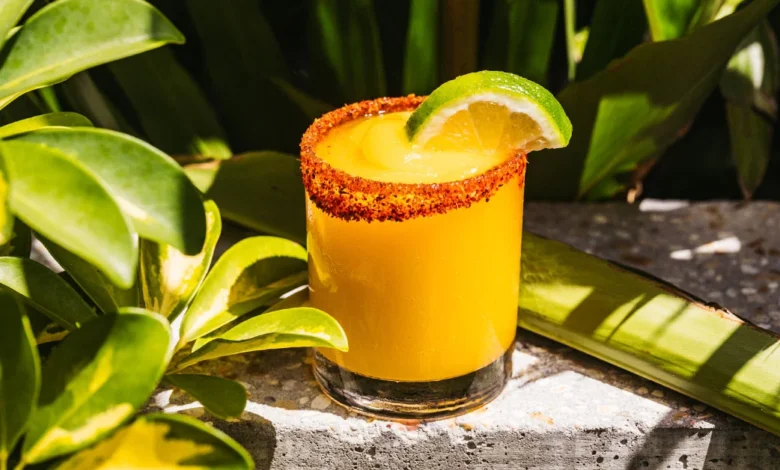
In the agave category, the "Mango Margarita" and "The Cuj" (a passion fruit-spiked variation) represent a move toward tropical realism. Rather than using synthetic syrups, these recipes rely on the natural sugars and fibers of whole fruits. The inclusion of passion fruit in "The Cuj" provides a high level of acidity, which is crucial in a frozen drink to prevent the sugar from becoming cloying.
Perhaps the most daring evolution is the "Frozen Mexican Martini." Originally an Austin, Texas, staple served in a shaker, the frozen iteration introduces a savory element that challenges the "sweet slushy" stereotype. The addition of an olive brine float provides a salty, umami kick that interacts dynamically with the cold tequila and lime. This move toward savory profiles in frozen formats reflects a broader trend in the cocktail industry, where ingredients like tomato water, saline solutions, and herbal oils are becoming standard.

Market Trends and the "Premiumization" of Frozen Beverages
The resurgence of the blended cocktail is supported by significant market data. According to recent beverage industry reports, the demand for "premiumized" frozen cocktails grew by approximately 15% in the 2022-2023 period. This growth is attributed to two main factors: the "Disco Drink" revival in urban cocktail bars and the increased availability of high-performance home blending technology.
During the COVID-19 pandemic, home mixology reached an all-time high. Consumers who were once intimidated by the precision of a stirred Martini found the blender to be a more accessible entry point. This led to a surge in search queries for "easy blended cocktails," but with a specific focus on "fresh ingredients" rather than pre-made mixes. Analysts suggest that the "Frozen Negroni" and "Frosé" (frozen rosé) served as "gateway drinks" that re-introduced the public to the idea that a frozen beverage could be bitter, dry, and complex.
Implications for the Hospitality Industry
For bar owners and restaurateurs, the integration of high-end blended cocktails offers both operational challenges and opportunities. While traditional slushy machines allow for high-volume service, they often struggle to maintain the integrity of fresh juices and delicate spirits. Consequently, many top-tier establishments are opting for "per-order" blending or the aforementioned sorbet-base methods.

The broader implication of this trend is the democratization of the "craft" experience. Frozen drinks are inherently social and less formal than their stirred or shaken counterparts. By applying rigorous craft standards—such as using house-made syrups, fresh citrus, and premium spirits—to the frozen format, the industry is making high-end mixology more approachable to a wider demographic.
Furthermore, the "frozen" category allows for creative garnishing and presentation that appeals to the visual nature of modern social media culture. A well-executed blended drink, like a "Henny Colada" or a herb-flecked Mojito, offers a multi-sensory experience that combines the nostalgia of childhood summer treats with the adult appreciation for a well-balanced spirit.
Chronology of the Blended Drink Renaissance
- 1930s-1940s: The Golden Age of the Daiquiri in Havana. The blender is introduced as a tool for elite bartenders.
- 1970s-1980s: The "Dark Ages" of the frozen drink. Commercial slushy machines and powdered mixes dominate the market, leading to a decline in quality.
- 2010s: The "Frosé" craze begins in New York City, signaling a renewed interest in frozen wine-based drinks.
- 2018-2021: Craft bartenders begin experimenting with "Frozen Negronis" and "Frozen Mezcal Margaritas," applying classic ratios to the blender.
- 2022-Present: The "Sorbet Technique" and the use of savory modifiers (like olive brine and bitter liqueurs) solidify the frozen cocktail’s status as a legitimate craft category.
Conclusion: The Future of the Chill
As we look toward the future of the beverage industry, the blended cocktail appears poised for continued innovation. The boundaries between the kitchen and the bar continue to blur, with techniques like liquid nitrogen chilling and vacuum-sealed fruit infusions being adapted for the frozen format.

The success of drinks like the "Lemony Snicker" or the "Daiquiri Menta" proves that the blender is not a shortcut, but a specialized instrument capable of producing textures and flavor deliveries that are impossible to achieve through shaking or stirring alone. Whether it is a sophisticated take on a "disco drink" or a regional staple reimagined for the modern palate, the sophisticated blended cocktail has earned its place on the world’s most respected bar menus. The era of the "sugary slush" is fading, replaced by a new standard of ice-cold excellence that prioritizes balance, ingredient integrity, and culinary creativity.