The Corporate Colonization of the American Plate: How National Chains are Reshaping the Post-Pandemic Dining Landscape

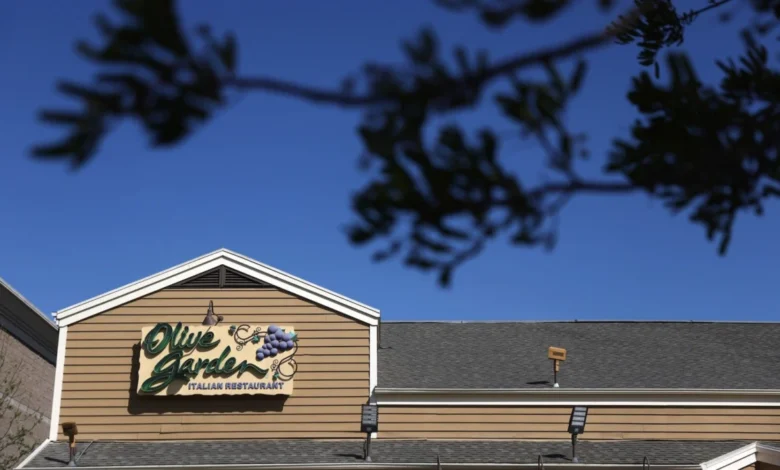
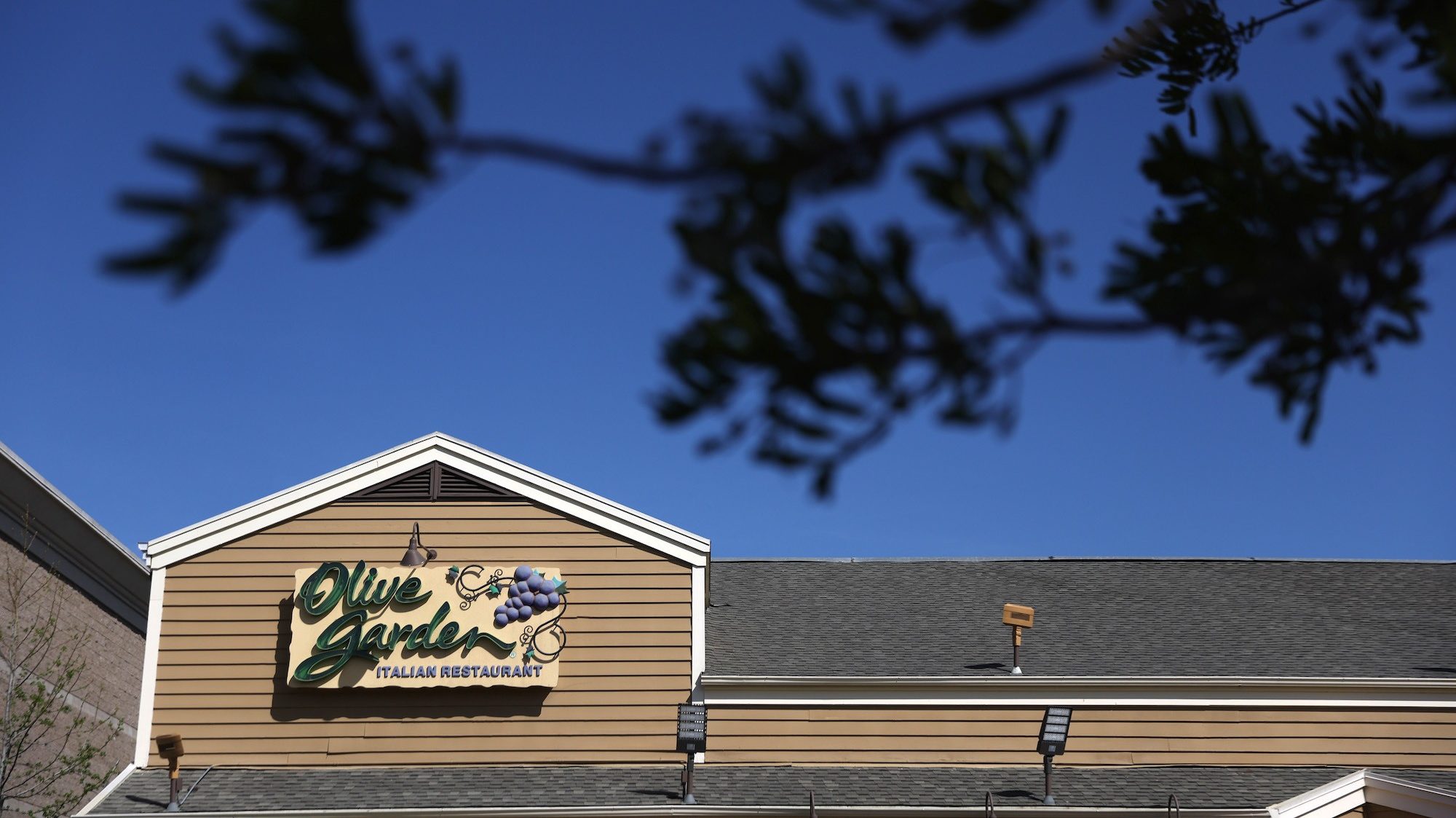
The American dining landscape is currently undergoing a structural transformation that favors corporate scale over local authenticity. While independent restaurants have long been the cultural anchors of American communities, a combination of historical market shifts and the cataclysmic impact of the COVID-19 pandemic has allowed national full-service restaurant (FSR) chains to consolidate power. Brands such as Olive Garden, Applebee’s, and Texas Roadhouse are not merely recovering from the economic disruptions of the last three years; they are aggressively expanding into "white spaces" left behind by the permanent closure of tens of thousands of family-owned eateries. This shift toward a restaurant monoculture is driven by a complex interplay of real estate dynamics, consumer psychology, and the undeniable advantage of corporate capital.
The Strategic Advantage of Corporate Scale
The primary engine behind the current dominance of national chains is the concept of scale. Large restaurant groups like Darden Restaurants—the parent company of Olive Garden and LongHorn Steakhouse—and Dine Brands, which oversees Applebee’s and IHOP, possess a level of operational resilience that independent operators cannot match. This scale manifests in several critical areas: supply chain leverage, marketing budgets, and technological infrastructure.
During the height of the pandemic and the subsequent period of record-high inflation, national chains were able to negotiate bulk pricing for ingredients and logistics, insulating them from the most volatile price spikes. In contrast, independent restaurants, which often rely on local distributors or smaller-scale shipments, faced the full brunt of rising costs. Furthermore, the ability to invest millions into proprietary apps and delivery integration allowed chains to capture the surge in off-premise dining.
The strength of this corporate insulation was highlighted in late 2021 when Darden Restaurants announced the discontinuation of Olive Garden’s long-standing "Never Ending Pasta Bowl" promotion. Historically used as a loss leader to drive foot traffic, the company’s leadership, including incoming CEO Rick Cardenas, noted that the brand no longer required such deep discounts to maintain profitability. By the end of the 2021 fiscal year, Darden reported revenues that surpassed pre-pandemic levels, suggesting that the reduction in local competition had effectively funneled more diners into their establishments.
A Decadelong Trajectory of Independent Decline
The current crisis facing independent restaurants is not a new phenomenon but rather the acceleration of a trend that began over a decade ago. Data from the NPD Group, a retail research firm, indicates that independent restaurants have been losing market share at a consistent rate since at least 2009. A report issued ten years ago revealed that independent establishments accounted for a staggering 87 percent of all restaurant visit losses over a three-year period. During that same window, while over 7,000 independent restaurants shuttered, national chains added more than 4,500 new units.
The pandemic served as a catalyst for this pre-existing condition. According to data from Yelp, more than 90,000 restaurants in the United States closed permanently in 2020 alone. This mass exodus of small businesses created a vacuum in the commercial real estate market—a vacuum that corporate executives were prepared to fill. Financial analysts at firms like BTIG recognized this opportunity early. In late 2020, BTIG analyst Peter Saleh upgraded the stock outlook for Texas Roadhouse, specifically citing the closure of independent competitors as a primary driver for the chain’s future growth. Saleh estimated that the contraction of the independent sector could extend the growth trajectory of corporate chains by at least a decade.
The Real Estate War: Landlords and the "Darden Guarantee"
One of the most significant hurdles for independent restaurants today is the battle for physical space. As storefronts became available during the pandemic, a clear hierarchy emerged in the eyes of commercial landlords. For a property owner, a lease signed by a multi-billion-dollar corporation represents significantly less risk than a lease signed by a local chef or entrepreneur.
Gene Lee, the outgoing CEO of Darden Restaurants, candidly addressed this dynamic in early 2022. He noted that landlords across the country actively seek out a "Darden guarantee" on their properties. This corporate backing ensures that rent will be paid even if a specific location underperforms, a security that independent restaurants cannot offer. Consequently, national chains often receive "first looks" at prime real estate, allowing them to annex territory in both suburban markets and urban centers that were previously dominated by local businesses.
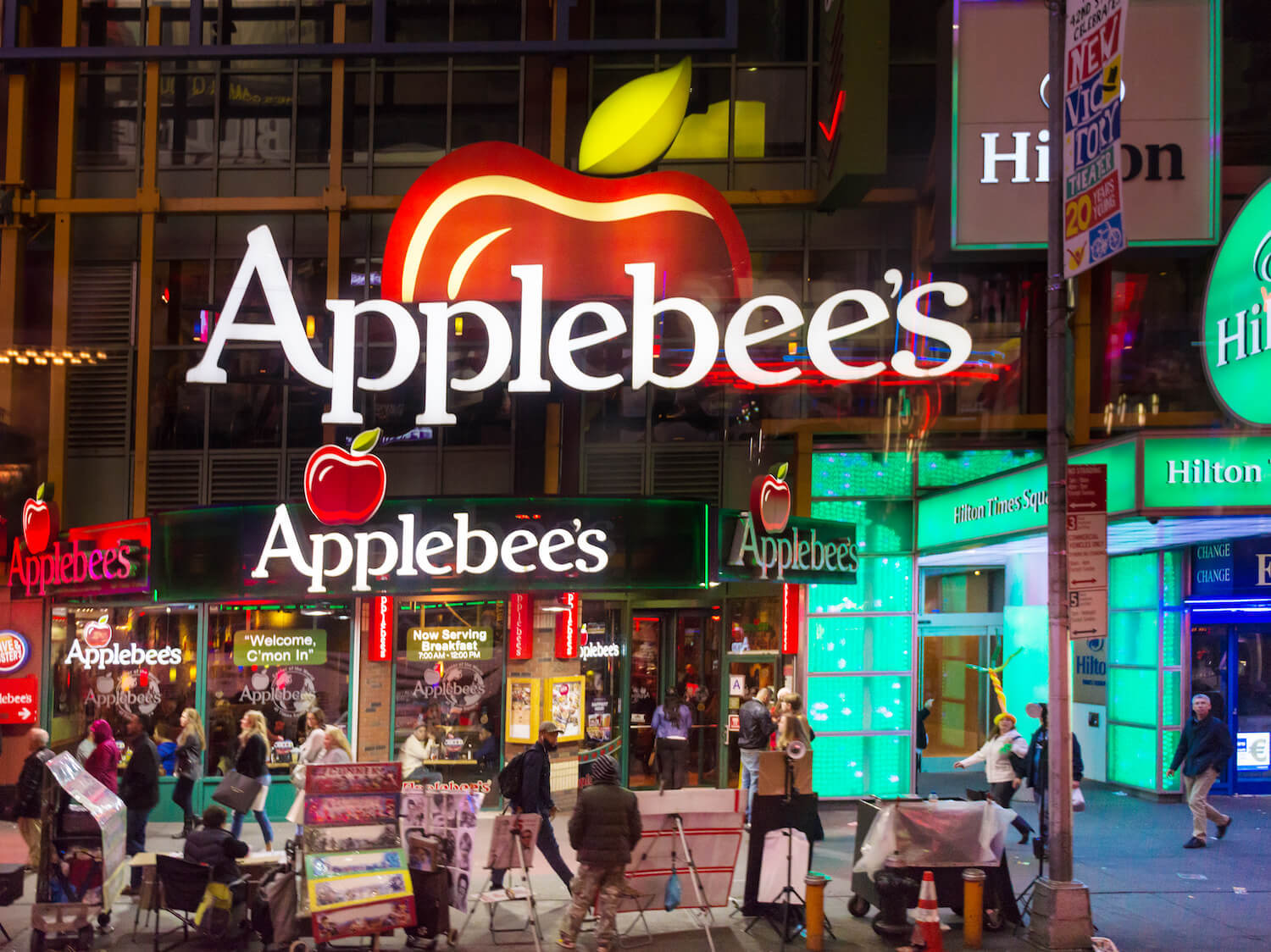
John Cywinski, President of Applebee’s, echoed these sentiments, describing the current market as having significant "white space" due to the contraction of the category. This aggressive deployment of capital to colonize new territory is a necessity for publicly traded companies, which must meet quarterly growth metrics that demand constant expansion. If an independent restaurant closes in a high-traffic area, it is increasingly likely to be replaced by a corporate brand that possesses the capital to renovate and open quickly.
Consumer Psychology and the Allure of "Sameness"
Beyond the economics of scale and real estate, the success of chain restaurants is rooted in a powerful psychological driver: predictability. In an era of profound social and economic uncertainty, the "plural nothingness" of a chain restaurant offers a form of comfort. Diners know exactly what the interior of a Chili’s or a Red Lobster will look like, how the staff will interact with them, and, most importantly, exactly how the food will taste.
This manufactured precision is the result of billions of dollars spent on research and development, supply chain consistency, and "folksy" marketing campaigns. Taglines like Applebee’s "Eatin’ Good in the Neighborhood" or Olive Garden’s "When You’re Here, You’re Family" are designed to create a sense of community and neighborliness, even as the profits generated by these locations are siphoned away from the local economy and returned to distant shareholders.
This loyalty to a standardized experience can have profound cultural consequences. Industry observers have noted that for many consumers, the corporate version of ethnic cuisine has successfully supplanted the genuine article. An anecdote frequently cited in culinary circles involves a traveler who, after a lifetime of eating at Olive Garden, found authentic Italian food in Italy to be unappealing because it lacked the heavy creams and processed cheeses characteristic of the American chain. This illustrates the power of corporate branding to redefine cultural conceptions of food, effectively "erasing" the nuance of regional and traditional cuisines.
Market Data and Projected Growth
The statistical outlook for full-service chains remains bullish. According to research from IBISWorld, the market size of full-service chain restaurants in the U.S. is expected to grow by 8.7 percent in 2022. This is nearly four times the historical annualized growth rate of 2.2 percent. Currently, there are over 100,000 full-service chain units in the United States, with projected annual sales exceeding $162 billion.
Technomic’s "Top 500 Chain Restaurant" report confirms this trend. Full-service brands like LongHorn Steakhouse and Fogo de Chão grew their collective share of the top 500 list from 18 percent in 2020 to 21 percent in 2021. Meanwhile, Texas Roadhouse reported that its revenue in late 2021 had risen 26 percent above its 2019 pre-pandemic levels. These figures underscore a clear reality: while the restaurant industry as a whole struggled, the corporate sector utilized the crisis to consolidate its grip on the American palate.
Broader Implications and the Loss of Regional Identity
The expansion of national chains into areas like New York City’s Union Square—which recently welcomed a flagship P.F. Chang’s—signals a shift in urban dining culture. Even cities that once prided themselves on resisting "chain-ification" are seeing their culinary diversity eroded. The danger of this trend is the creation of a "rudderless" community where every Main Street looks and tastes the same.
The loss of independent restaurants is more than just a loss of dining options; it is a loss of regional history and economic circularity. Independent restaurants are more likely to source from local farmers, hire local services, and keep profits within the community. When a chain takes over a neighborhood, the unique "provenance" of that area’s food culture is often replaced by a sterile, algorithmic dining experience designed in a corporate boardroom.
To counter this, some urban planners and municipal leaders are advocating for tougher zoning laws and "formula retail" ordinances that limit the number of chain establishments in certain districts. Others suggest tax advantages or subsidized rent programs specifically for independent small businesses to level the playing field against corporate giants.
Without such interventions, the American dining experience is poised to become a reflection of corporate efficiency rather than cultural history. As national chains continue to leverage their scale to outcompete local entrepreneurs, the "neighborhood" restaurant may soon belong to a corporation rather than the people who live there. The choice of where to spend dining dollars has become a vote on the future of community identity, as the era of the independent eatery faces its most significant existential threat to date.