Where to Stay in Rioja A Comprehensive Guide for Every Type of Wine Traveler

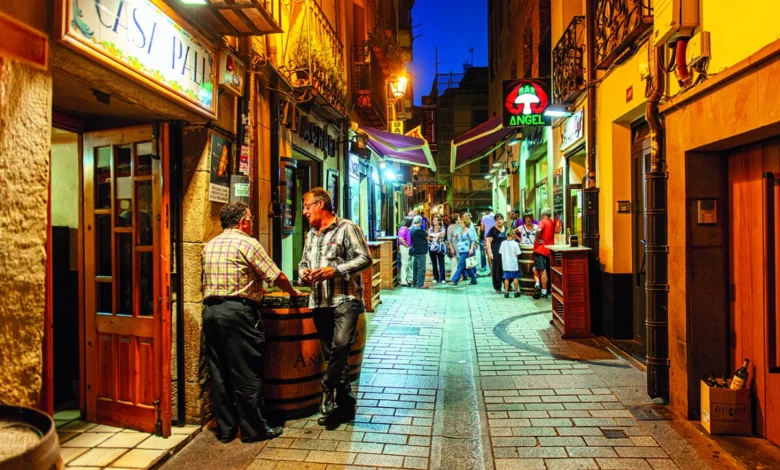
The Rioja wine region, a sprawling viticultural landscape in Northern Spain, has long been the crown jewel of the country’s oenological output. Over the past decade, the region has transitioned from a traditional agricultural hub into a sophisticated global destination, attracting international acclaim not only for its Tempranillo-led blends but also for its stunning topography and architectural innovation. While the quality of Rioja’s Gran Reservas and Crianzas is well-documented, the region’s evolution as a multi-tiered travel destination offers a diverse range of accommodations tailored to various demographic needs. From the rugged trails of the Sierra de Cantabria to the avant-garde structures of Elciego, Rioja provides a spectrum of experiences ranging from rustic campsites to Michelin-starred luxury retreats.
The Historical and Geographical Context of Rioja
To understand the diversity of accommodation in Rioja, one must first grasp the region’s unique geography. Divided into three sub-zones—Rioja Alta, Rioja Alavesa, and Rioja Oriental—the area encompasses more than 65,000 hectares of vineyards. Rioja Alta, characterized by its clay-limestone soils and Atlantic influence, is home to the historic town of Haro. Rioja Alavesa, situated north of the Ebro River, features medieval hilltop villages and dramatic limestone cliffs. Rioja Oriental, to the east, offers a warmer, Mediterranean climate.
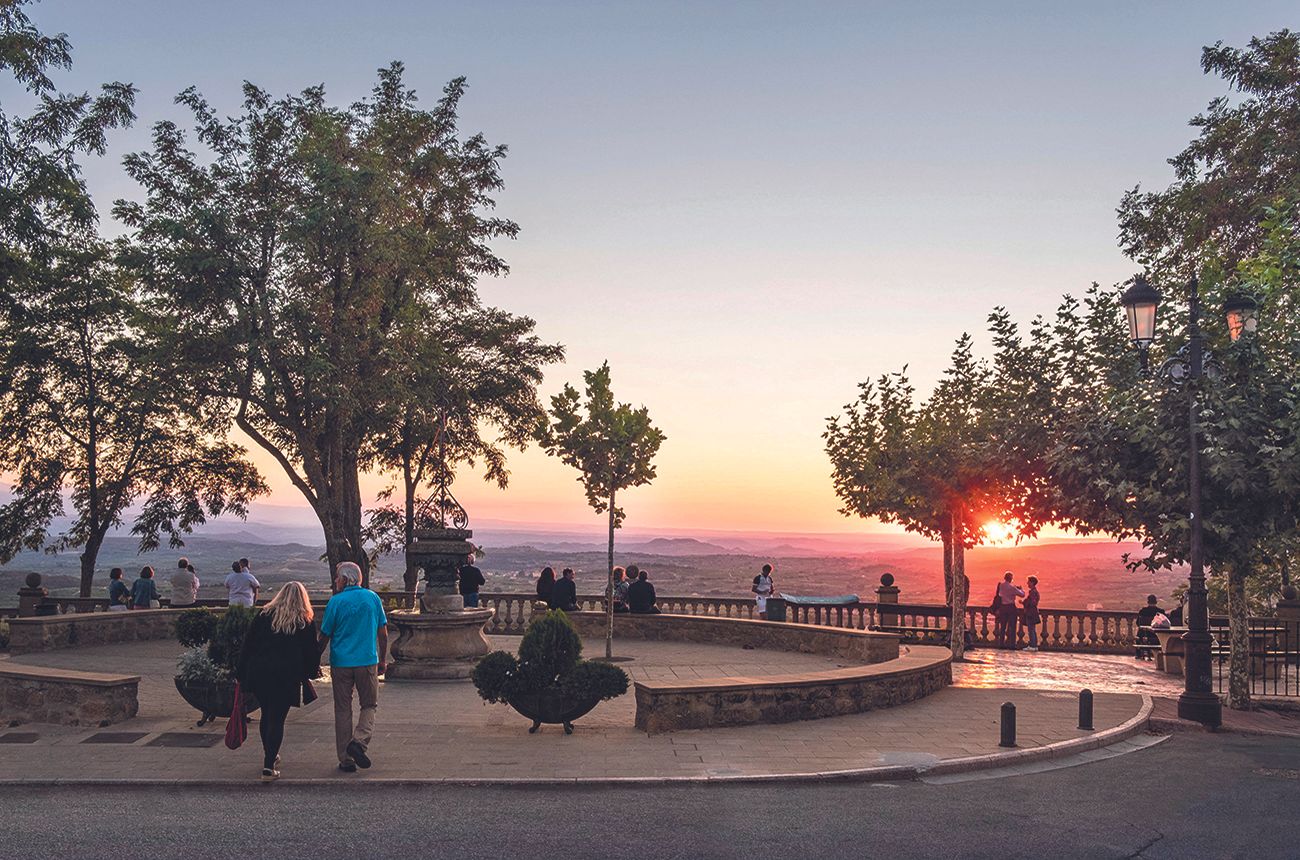
The region’s tourism infrastructure began a radical transformation in the late 19th century when French winemakers, fleeing the phylloxera plague in Bordeaux, brought modern techniques to Haro. This "Guggenheim effect"—a term coined after Frank Gehry’s museum transformed nearby Bilbao—eventually reached Rioja in the early 2000s, leading to a boom in "wine cathedrals" and luxury hospitality. Today, Rioja welcomes over 800,000 wine tourists annually, contributing significantly to the local economy and the preservation of rural heritage.
The Adventure Seeker: Rugged Landscapes and Budget-Friendly Stays
For travelers who prioritize authenticity and natural beauty over high-end amenities, Rioja offers a rugged, windswept experience. The region is increasingly popular with hikers and cyclists who follow the "Wine and Fish Route" (GR-38) or the Way of Saint James (Camino de Santiago), which passes through the regional capital, Logroño.
A primary hub for the budget-conscious adventurer is Camping de Haro. Located on the Carretera Vieja de Miranda, this site provides a strategic base just ten minutes from the historic center of Haro. At a price point of approximately €30 per night for a standard pitch or €70 for glamping bungalows, it allows travelers to immerse themselves in the outdoors without sacrificing basic comforts. During the summer peak, the facility serves as a social hub for international travelers, offering amenities such as a large outdoor pool and proximity to the Ebro River’s walking trails. This tier of accommodation appeals to a demographic that views the vineyard not just as a source of wine, but as a living landscape to be explored on foot or by bike.
The Authentic Heritage Traveler: Village Life and Agritourism
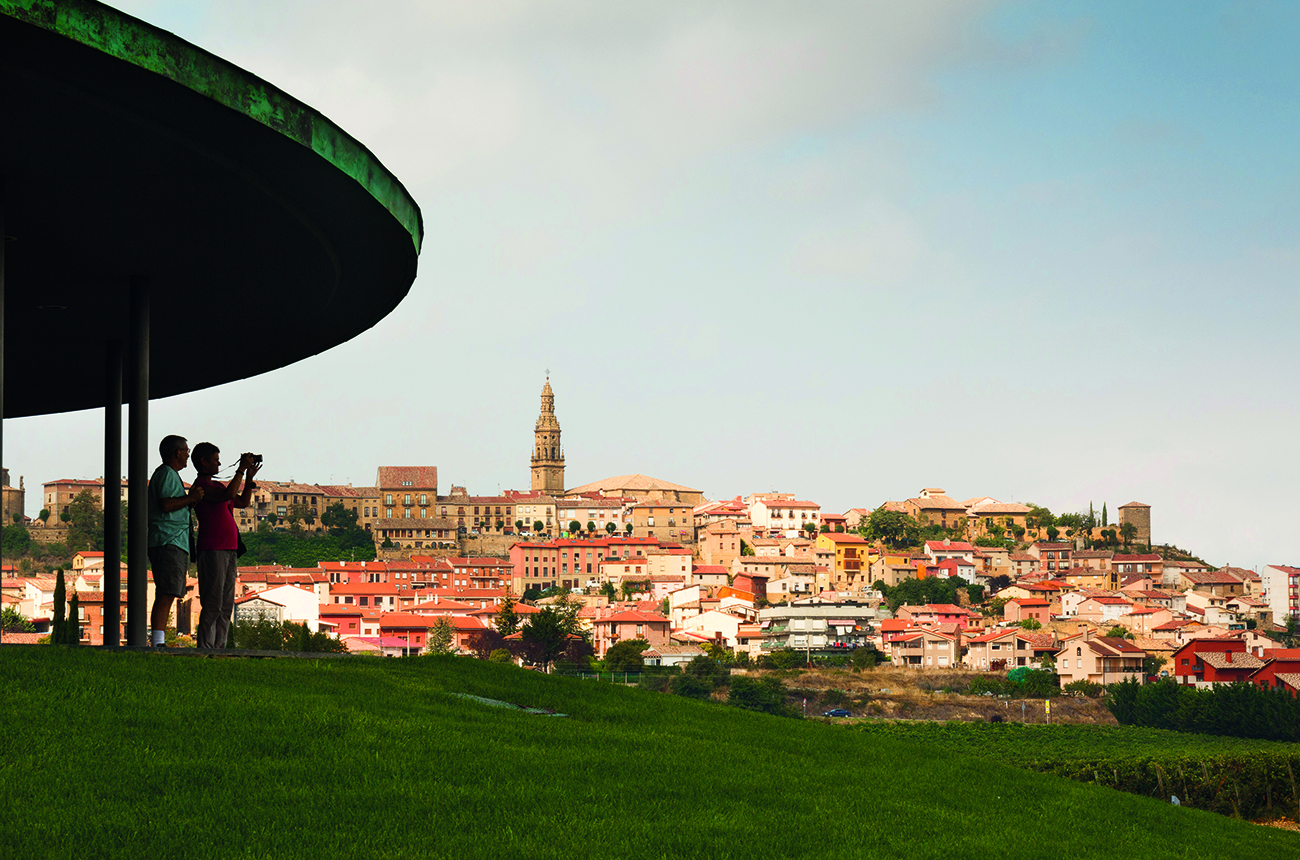
As the global travel market shifts toward "slow travel," many visitors seek to bypass commercial hubs in favor of smaller, traditional villages. This "authentic" traveler typically looks for accommodations that reflect the region’s history, often opting for renovated manor houses or former industrial buildings.
Casa Robla, situated in the village of Elvillar within the Rioja Alavesa sub-zone, exemplifies this trend. Elvillar is notable for its proximity to the "Dolmen de la Hechicera," one of the most significant prehistoric sites in the region. Casa Robla, a bed-and-breakfast set within a former winery, retains its original exposed stonework, providing a tactile connection to the area’s productive past. The property is managed by a local winemaker whose vineyards are located in nearby Lanciego, offering guests a direct link to the viticultural process. With rates starting around €100 per night, it represents the mid-range "agritourism" sector that supports small-scale local producers and helps combat the depopulation of rural Spanish villages.
The Boutique Experience: Blending History with Modernity
For those who desire a curated, upscale environment that remains deeply rooted in local culture, the boutique hotel sector in Rioja has seen significant growth. These establishments often occupy historic buildings but feature contemporary interior design and high-end culinary programs.
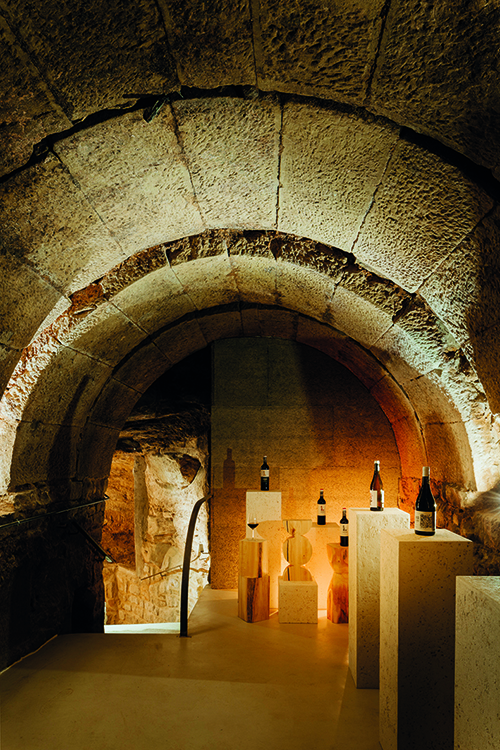
The village of Briones, frequently cited as one of the most beautiful villages in Spain, hosts Santa María Briones. This 16-century manor house has been meticulously restored to house 16 rooms, each offering views of the surrounding valley or the village’s medieval architecture. The hotel’s philosophy centers on "understated luxury," featuring two distinct dining venues: El Calado, which focuses on rustic Riojan flavors, and Allegar, a fine-dining establishment.
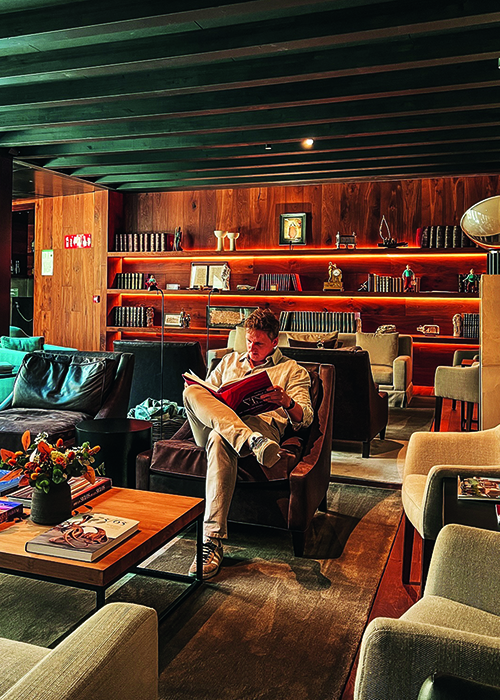
Unlike larger resorts, boutique hotels like Santa María Briones often implement age restrictions (typically 12 years and older) to maintain a serene atmosphere. At approximately €250 per night, this tier of accommodation targets professionals and couples who seek a cultural immersion that includes access to well-appointed libraries, gyms, and curated wine tastings.
The Luxury Icon: Architecture and Vinotherapy
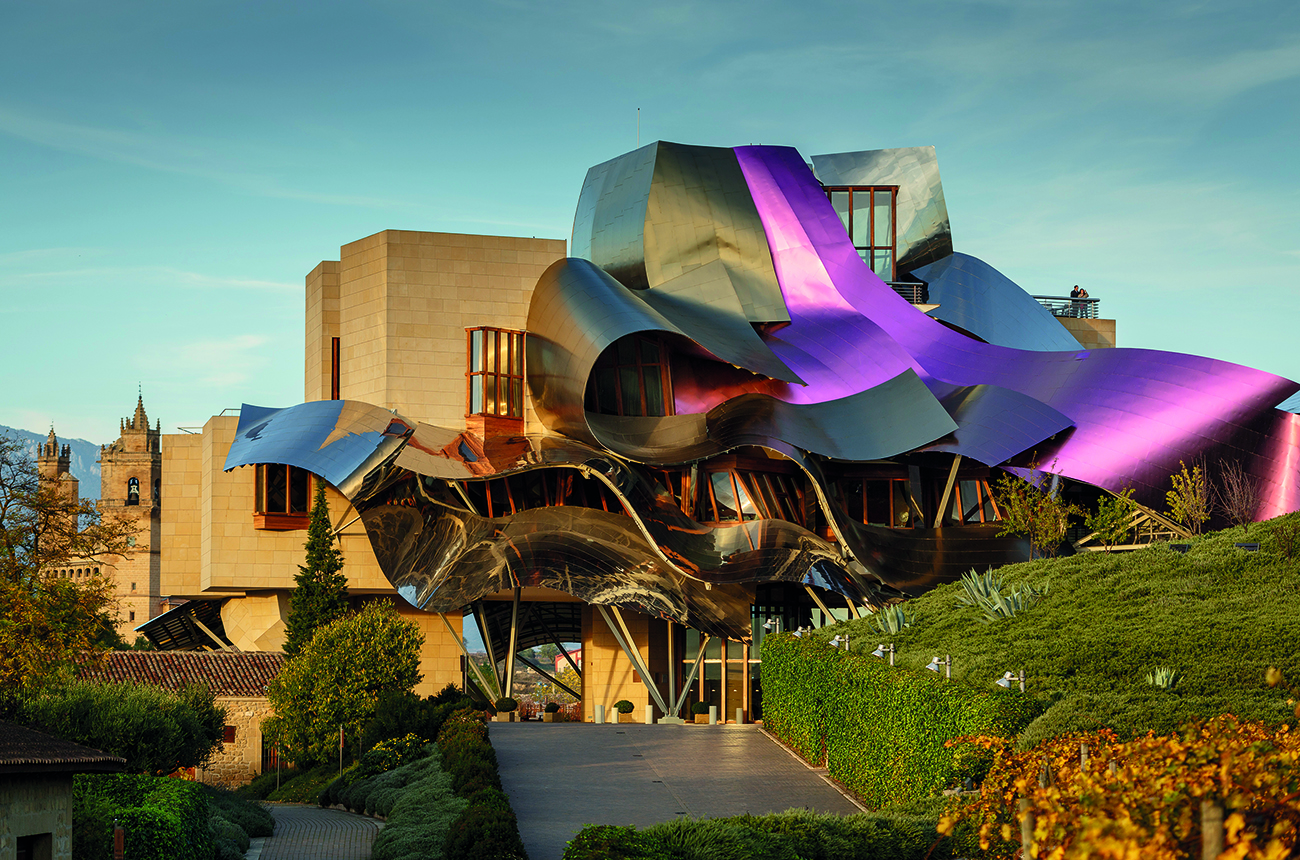
The pinnacle of Rioja’s hospitality industry is defined by its architectural landmarks. The most famous of these is the Hotel Marqués de Riscal in Elciego. Designed by Pritzker Prize-winning architect Frank Gehry and opened in 2006, the building is a masterpiece of titanium and stainless steel, featuring ribbons of pink, gold, and silver that reflect the colors of the wine and the surrounding landscape.
Marqués de Riscal is more than a hotel; it is a full-service destination. It features 61 luxury rooms, a Caudalie Vinotherapy spa—which utilizes grape extracts for health and beauty treatments—and three restaurants, including one with a Michelin star. The presence of such an iconic structure has fundamentally changed the demographics of Rioja’s visitors, drawing high-net-worth individuals from the United States, Asia, and Northern Europe. With peak season rates starting at €450 per night, it represents the "ultra-luxury" segment that has elevated Rioja’s status to rival regions like Napa Valley or Bordeaux.
The City Breaker: Urban Hubs and the Station District
Not all wine travelers wish to stay in the countryside. The city of Haro, specifically its "Barrio de la Estación" (Station District), offers a unique urban wine experience. This district contains the highest concentration of century-old wineries in the world, including names like CVNE, Muga, and La Rioja Alta S.A.
For the "city breaker," Hotel Arrope in the heart of Haro provides a pragmatic yet charming solution. Positioned on La Vega, it allows guests to walk to the major wineries during the day and enjoy the city’s vibrant tapas bars at night. The hotel’s terrace is a focal point for local social life, and its restaurant is known for a sommelier-led wine list that highlights "beyond-the-obvious" bottles from small producers. At around €90 per night, it serves the market of travelers who want a high-energy, walkable experience without the need for a rental car.
The Gastronomic Traveler: Logroño and the Tapas Culture
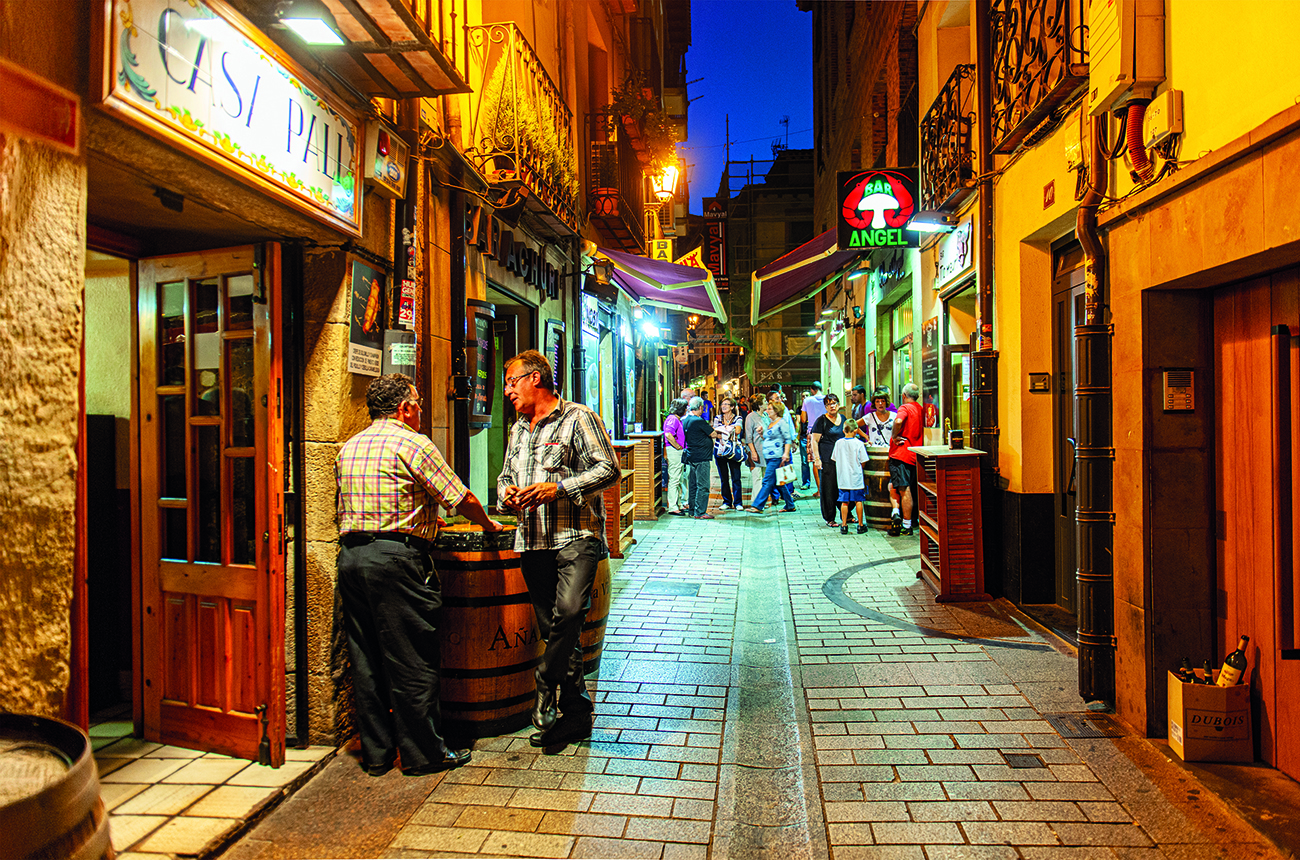
Logroño, the capital of La Rioja, is the epicenter of the region’s culinary identity. While the wineries are the initial draw, the city’s food scene—centered on the famous Calle Laurel—is often what defines the trip for "foodie" travelers. Calle Laurel features over 60 bars, each specializing in a specific "pincho" or tapa, ranging from grilled mushrooms to spicy "patatas bravas."
Sercotel Calle Mayor, located in a renovated 16th-century building in the city center, places travelers within a five-minute walk of this gastronomic hotspot. The hotel provides a four-star experience with modern amenities, including a gym and a 24-hour concierge service to assist with hard-to-get restaurant reservations. For approximately €145 per night, guests can transition seamlessly from the traditional wine bars of the old town to the comfort of a contemporary boutique hotel.
Broader Implications and Future Trends
The diversification of accommodation in Rioja is a strategic response to the changing landscape of global tourism. Data from the Spanish Wine Tourism Observatory suggests that visitors are increasingly looking for "integrated experiences" that combine education, relaxation, and gastronomy.
Furthermore, sustainability has become a cornerstone of the region’s future. Many of the accommodations mentioned are now implementing eco-friendly practices, such as solar energy, water recycling for vineyards, and the elimination of single-use plastics. The shift toward "quality over quantity" in tourism mirrors the region’s viticultural shift toward single-vineyard designations (Viñedos de España) and organic farming.
As Rioja continues to balance its deep-rooted traditions with modern demands, its hospitality sector remains a vital component of its identity. Whether through a tent in Haro or a titanium-clad suite in Elciego, the region’s ability to house a diverse range of travelers ensures its continued relevance in the competitive world of international wine tourism. The ongoing investment in infrastructure suggests that Rioja is not merely a place to visit, but a sophisticated ecosystem designed to offer a "home away from home" for every level of wine enthusiast.