The harmonization of dry red wine and steak stands as a cornerstone of culinary arts, representing a centuries-old tradition rooted in the science of gastronomy. While the pairing may seem intuitive, the vast array of available cuts, preparation methods, and wine varietals introduces a complex matrix of flavor profiles, structural components, and chemical interactions. Understanding the interplay between the proteins, fats, and cooking methods of beef alongside the tannins, acidity, and alcohol content of wine elevates a standard meal into a sophisticated dining experience. Culinary historians trace the affinity between beef and red wine back to the traditional vineyards of Bordeaux and the pastoral cattlelands of Europe, where local vintages naturally complemented the agricultural output of the region. Modern food science has since validated these traditional pairings, demonstrating how the chemical properties of wine interact with the physiological components of meat.

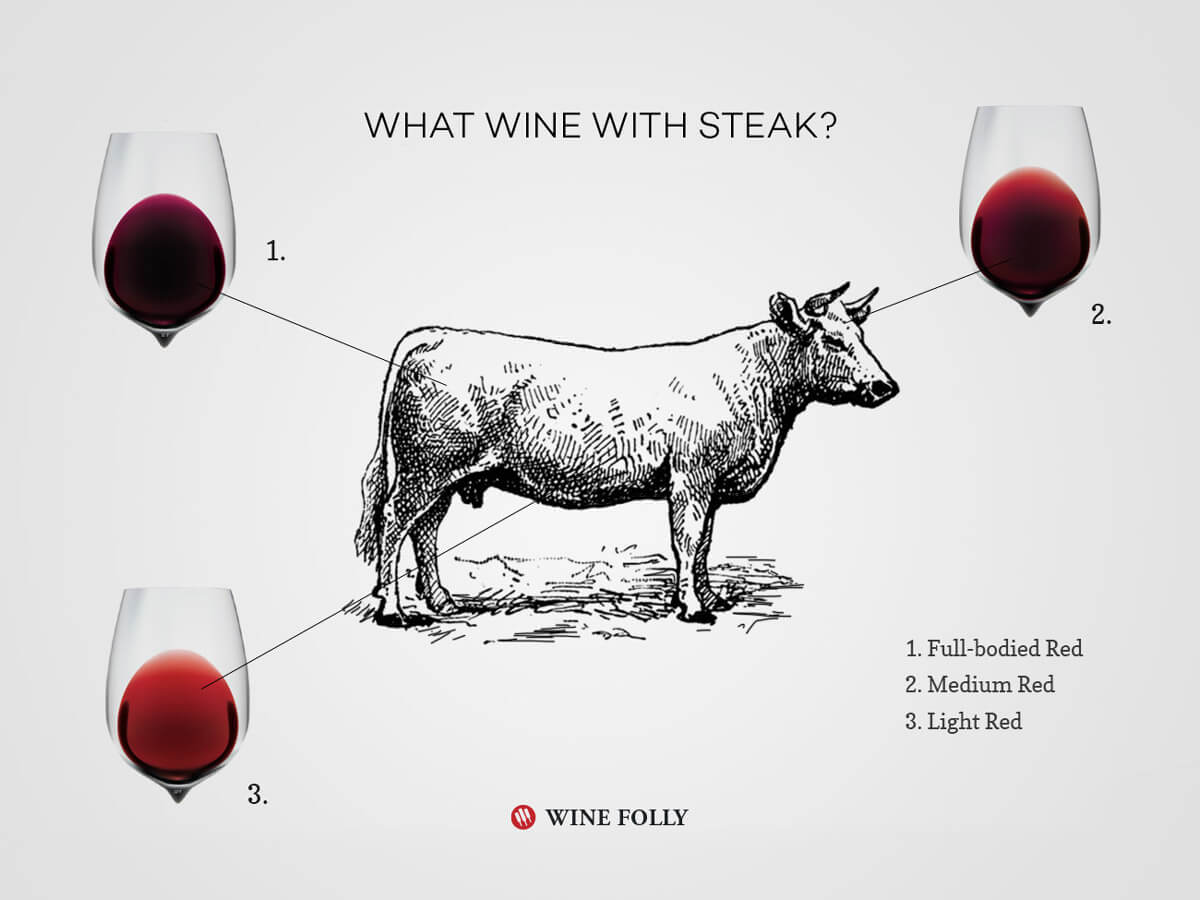
At the structural level, the foundational rule of wine and steak pairing relies on a simple physiological principle: fat and protein call for structure and acidity. Leaner cuts of beef require lighter, more delicate red wines that will not overwhelm the subtle flavors of the meat, whereas richer, heavily marbled cuts demand bold, high-tannin wines. Tannins—naturally occurring polyphenols found in grape skins, seeds, and stems—bind to proteins and fats on the palate, effectively cleansing the mouth and softening the perception of the fat’s heaviness. Simultaneously, the acidity in wine cuts through the richness of the beef, creating a balanced and refreshing palate. Conversely, pairing a heavily oaked, high-tannin wine with a delicate, lean piece of meat can strip the palate of moisture, resulting in a metallic or overly astringent taste. Mastery of this culinary dynamic allows diners to tailor their selections to specific cuts, seasoning profiles, and cooking techniques, ensuring an optimized sensory experience.
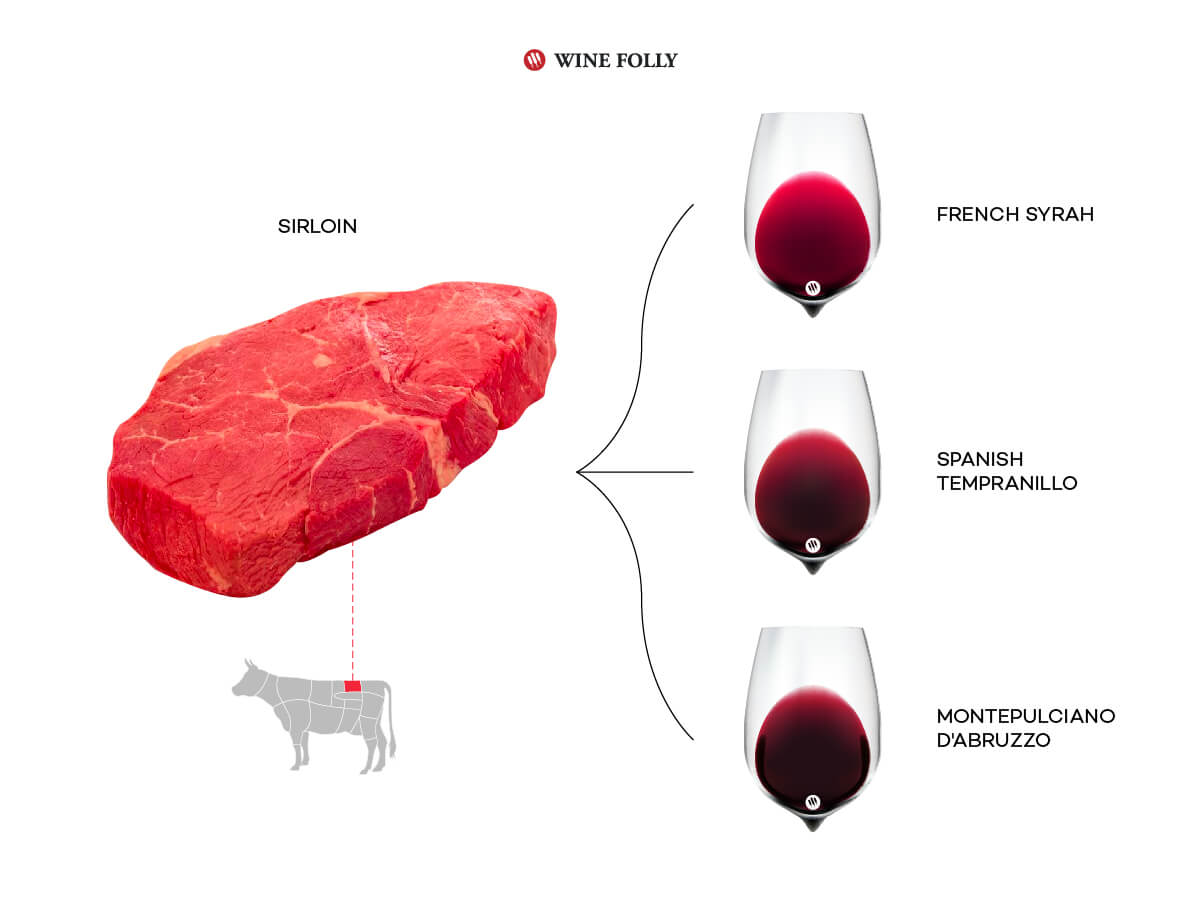
An analysis of classic steak cuts reveals distinct structural requirements for successful wine accompaniment. The sirloin, one of the most popular and versatile cuts in butchery, features a moderate amount of fat marbling complemented by a distinct strip of fat along the edge. Because sirloin can be prepared via grilling, pan-searing, or oven-roasting and accommodates a wide variety of dry rubs and marinades, it requires a flexible wine selection. Sommeliers frequently recommend medium- to full-bodied reds with bright acidity and moderate tannins, such as a classic Cabernet Franc, a vibrant Tempranillo, or an approachable, fruit-forward Australian Shiraz. These varietals possess the structural versatility to match the adaptability of the sirloin, adapting seamlessly whether the meat is finished with a simple herb butter or a robust peppercorn reduction.
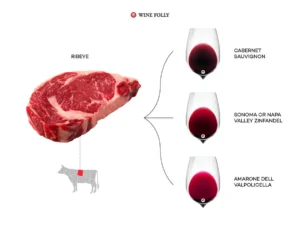
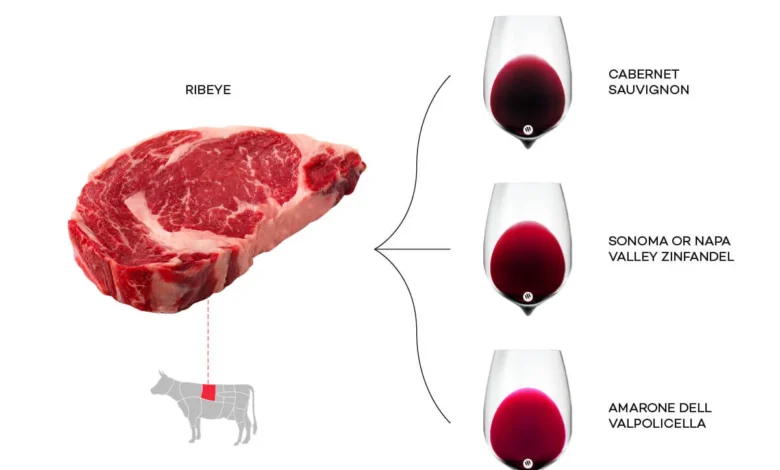
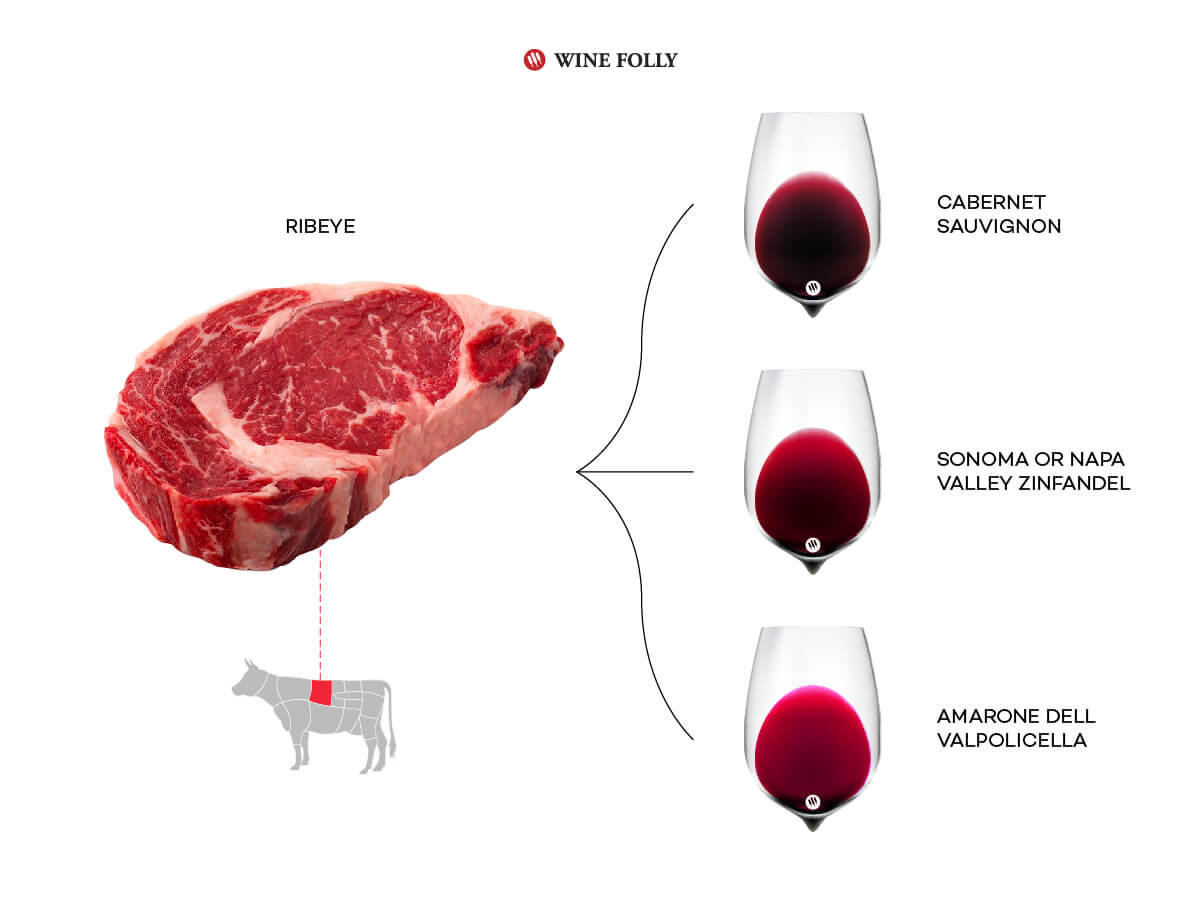
In contrast, the ribeye and its bone-in counterpart represent the pinnacle of rich, heavily marbled beef. Derived from the upper rib section of the steer, the ribeye boasts extensive intramuscular fat, which renders down during cooking to create an intensely buttery flavor profile and exceptional natural tenderness. This high fat content necessitates robust wines capable of standing up to the richness of the dish. Bold, high-tannin reds such as Napa Valley Cabernet Sauvignon, Barolo, or a structured Syrah are exceptionally well-suited for ribeye. The high tannin levels actively bind to the abundant fat molecules, while the deep fruit flavors and complex secondary notes of the wine provide a striking contrast to the savory, umami-rich qualities of the seared beef crust.
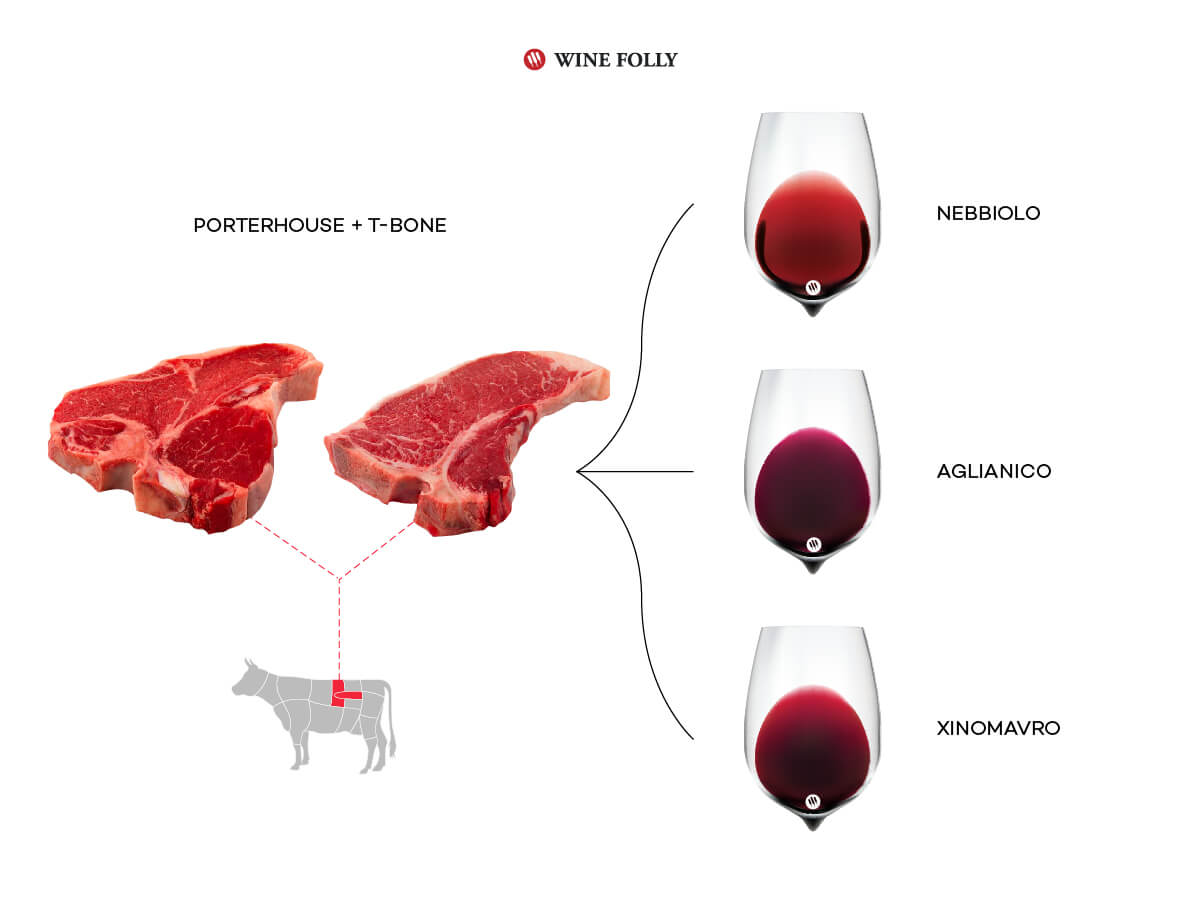
For diners seeking the best of both worlds, the Porterhouse and the T-bone offer a unique anatomical combination. Both cuts are derived from the short loin and feature a distinct T-shaped lumbar bone separating two different muscles: the tender, subtle filet mignon on one side and the firmer, deeply flavorful strip steak on the other. Because these cuts combine a lean, tender section with a robust, well-exercised strip, the ideal wine pairing must bridge the gap between delicacy and depth. Medium-to-full-bodied reds with balanced aromatics—such as a refined Merlot, a classic Chianti Classico, or a nuanced Malbec—complement the dual nature of the plate without overpowering the delicate filet or getting lost against the savory strip.
Widely regarded as the ultimate luxury cut, the filet mignon is prized for its supreme tenderness and mild, elegant flavor profile. Sourced from the tenderloin, a muscle that does very little heavy lifting, the meat contains minimal fat marbling. Consequently, the filet can easily be overshadowed by overly aggressive wines. Culinary professionals generally advise pairing filet mignon with elegant, smooth reds featuring silky tannins and subtle complexity, such as an Oregon Pinot Noir, a refined French Burgundy, or a lighter-styled Cabernet Sauvignon. These wines offer complementary secondary notes—such as red fruit, earth, and subtle spice—that enhance the natural savory qualities of the beef while maintaining the structural harmony of the meal.
The strip steak, known variously as the New York strip, shell steak, or Kansas City strip, offers an exceptional balance of robust beef flavor, affordability, and texture. Cut from the short loin, the strip features a distinctive strip of fat along one edge and a slightly coarser muscle grain than the tenderloin. This cut thrives under high-heat cooking methods such as cast-iron searing and butter-basting, developing a deeply caramelized crust. To match the assertive flavor and satisfying chew of a strip steak, experts turn to wines with strong fruit characteristics, firm acidity, and assertive tannins, such as a bold South American Malbec, a classic Spanish Rioja Gran Reserva, or a California Zinfandel. These selections provide the necessary framework to cut through the rich edge-fat while mirroring the savory complexity of the char.
Moving away from the loin yields cuts with distinct textural characteristics, such as the rump steak. Sourced from the rear of the animal, the rump is a harder-working muscle, resulting in a firmer texture and a deep, concentrated beef flavor. Because the meat is denser, it is frequently subjected to marinating or slow-cooking techniques to enhance tenderness. When pairing wine with rump steak, the primary consideration shifts toward the preparatory marinades, sauces, and accompanying side dishes rather than the beef alone. Versatile, fruit-driven reds with moderate acidity and supple tannins, such as a Garnacha or a structured Côtes du Rhône, offer the flexibility needed to navigate complex culinary preparations without clashing with the inherent gaminess and firmness of the muscle.
Similarly, flank and skirt steaks present unique pairing challenges due to their long muscle fibers and lean, intense flavor profiles. Popularized in international cuisines for dishes like fajitas and stir-fries, these cuts can also be grilled whole and sliced thinly against the grain for a traditional steak presentation. Because overcooking easily renders these cuts tough and chewy, precise temperature management is critical. To elevate the dining experience, these cuts pair exceptionally well with structured, earthy reds such as an Italian Chianti, a structured Argentine Malbec, or a dry, savory Mourvèdre. The acidity in these wines helps to soften the perception of chewiness, transforming a potentially tough cut into a deeply savory and satisfying culinary experience.
Though not traditionally categorized as a standard steak, brisket warrants inclusion in advanced pairing discussions due to its prominent place in smoked meat culture. Requiring a prolonged, low-and-slow cooking process—typically in a dedicated smoker utilizing hardwoods such as hickory, oak, or mesquite—brisket develops an extraordinary depth of flavor characterized by heavy smoke, rendered fat, and caramelized bark. The wine selection for brisket is heavily influenced by the specific wood smoke utilized during the cooking process. Full-bodied, fruit-forward, and slightly smoky red wines, such as a bold Syrah, a Petite Sirah, or an assertive Zinfandel, harmonize exceptionally well with the intense barbecue profile, echoing the charred exterior and cutting through the unctuous, slow-rendered fat of the brisket.
Ultimately, while established pairing principles provide a reliable framework for culinary success, individual palate preference remains the ultimate arbiter of taste. Gastronomy is an evolving art form, and diners are encouraged to use traditional guidelines as a foundation for personal exploration. Experimentation with regional varietals, unconventional cooking techniques, and unique seasoning profiles allows enthusiasts to discover pairings that resonate with their specific preferences. As the culinary landscape continues to expand, the intersection of viticulture and butchery offers endless opportunities for discovery, proving that the timeless match of wine and steak remains as relevant and dynamic as ever.