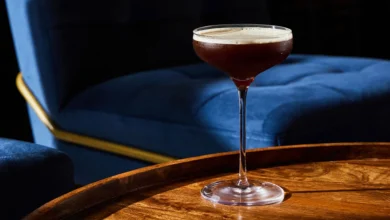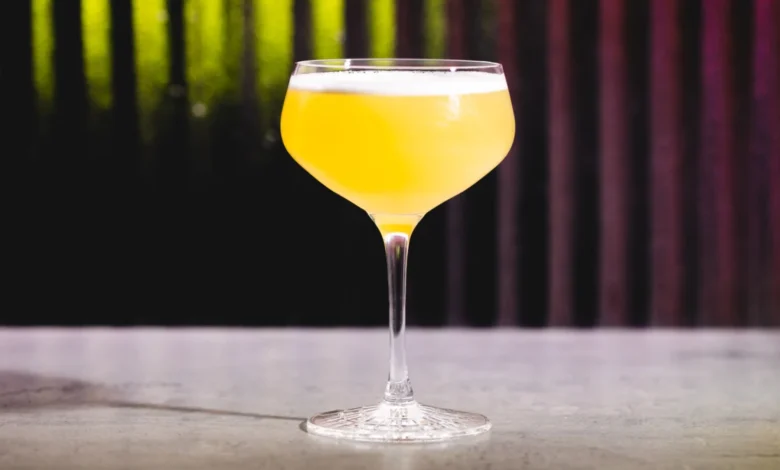
The modern cocktail landscape is currently dominated by a relentless cycle of reinvention. From the omnipresent Martini, which has seen a resurgence in popularity through high-end "dirty" and "espresso" variations, to the Negroni, which has been stretched to its limits through an array of unconventional flavor infusions ranging from seasonal panettone to savory rhubarb, the classic gin canon remains a central pillar of global bar culture. However, beneath these mainstream sensations lies a deeper, more nuanced history of the craft—a collection of "minor classics" and long-lost aperitivi that offer a glimpse into the evolution of mixology. Exploring these forgotten or under-appreciated recipes reveals not only a richer heritage of spirits but also a shifting preference in palate that tracks back nearly a century.
The Evolution of the Aperitivo: The Cardinale Legacy
The Cardinale stands as a testament to the mid-century refinement of the classic Negroni. According to historical records, the drink was first crafted in Rome in 1950, purportedly to honor a visiting cardinal, which accounts for its ecclesiastical nomenclature. While the foundational template—gin, bitter liqueur, and fortified wine—mirrors the Negroni, the Cardinale historically favored white wine over sweet vermouth, lending it a lighter, more ethereal profile.

In the contemporary era, the preparation has evolved. Bartender Naren Young, a prominent figure in the industry, notes that modern practitioners often replace the original wine component with dry vermouth. This adjustment transforms the drink into an expression that is significantly more austere and bone-dry. The shift reflects a broader trend in the hospitality sector: the move toward "low-ABV" and "aperitivo-focused" drinking, where the goal is to stimulate the appetite rather than overwhelm it. Furthermore, the rise of Italian ready-to-drink (RTD) products, specifically those utilizing Campari Soda, has seen the Cardinale re-emerge in a taller, effervescent format, catering to a demographic that prioritizes accessibility and ease of preparation in both home and professional settings.
Bridging the Gap: The Star Daisy and Mid-Century Craft
The Star Daisy represents a fascinating intersection of disparate flavor profiles. Featuring a blend of London dry gin, apple brandy, and dry Curaçao, the cocktail is a study in structural balance. Its inclusion of apple brandy provides an autumnal depth, while the citrus notes of the gin and Curaçao offer a year-round brightness that challenges the seasonal constraints often placed on spirits.
Industry veterans, such as New York-based mixologist Joaquín Simó, highlight the Star Daisy as an example of the "forgotten architecture" of cocktail design. Having been exposed to the drink during the tenure of the legendary Milk & Honey—a bar widely credited with sparking the modern craft cocktail revival—Simó notes that the addition of simple syrup is essential for achieving a balanced, luxurious texture. The technical precision required for a balanced Daisy serves as a reminder of why such drinks were historically categorized as "minor classics"—they require a deft hand to ensure that the spirit-forward profile does not overwhelm the delicate interplay of the fruit-based modifiers.

Historical Revivals: The Tropical Gin Fizz
The documentation of the Gin Fizz Tropical in Charles H. Baker’s 1939 volume, The Gentleman’s Companion, offers a window into the pre-war era’s fascination with global flavors. This cocktail is defined by its texture, a hallmark of the "fizz" category that necessitates rigorous aeration.
Modern iterations, such as those championed by chef and restaurateur Charles Phan, have refined the recipe to align with modern sourcing. By substituting the original pineapple juice with pineapple gum syrup, the drink gains a rounder, more consistent viscosity. Similarly, the replacement of heavy cream with orgeat (an almond-based syrup) alters the flavor profile to be more aromatic and nutty. Phan emphasizes that the success of this drink relies heavily on technical execution: the use of large, high-density ice cubes and an extended shaking period are not merely stylistic choices but functional necessities to achieve the signature froth that defines a proper silver fizz.
Modern Classics and the Geography of Taste
The Wibble serves as an instructive case study in how a cocktail transitions from a local specialty to a broader, if still niche, appeal. Created by the late, influential bartender Dick Bradsell in London, the drink—a mix of gin, sloe gin, grapefruit, lemon, and crème de mûre—is frequently cited by experts like Robert Simonson as the quintessential "minor classic."

Unlike the Martini, which has reached a status of global ubiquity, the Wibble occupies a unique space in the bar world. It is not an obscurity, yet it has not become a universal staple. Recent data regarding cocktail trends in international hubs such as Amsterdam, Copenhagen, and Gothenburg suggest that the Wibble is undergoing a slow, organic expansion. Its survival in the public consciousness—despite lacking the massive marketing budgets associated with modern spirit brands—speaks to the enduring power of a well-composed recipe that balances the tannic quality of sloe gin with the sharpness of citrus.
The New Orleans Influence: The Obituary and the Puritan
New Orleans has long been a sanctuary for historical cocktail preservation. Among its most notable contributions to the canon is the Obituary, a bold variation of the Martini that incorporates a rinse or dash of absinthe. This addition provides a complex, anise-forward finish that elevates the standard dry gin-and-vermouth profile.
William Elliott, proprietor of Maison Premiere, has observed that the drink’s success in his establishment is driven by two factors: the increasing appreciation for absinthe as a modifier and the psychological impact of the name itself. In an era where menu design is often minimalist, the provocative moniker "Obituary" acts as a marketing tool, forcing the guest to engage with the menu verbally. This is a subtle yet significant psychological tactic in the service industry: the requirement to speak a name aloud creates a sense of intrigue and ownership for the guest.

Alongside the Obituary, the Puritan represents another layer of historical depth. Often misconstrued or forgotten, the Puritan shares a structural kinship with the Alaska cocktail, yet it utilizes vermouth to temper the intensity of the spirit, creating a drink that is harmonious rather than aggressive.
Analysis of the "Minor Classic" Trend
The resurgence of these cocktails is not an accidental phenomenon. It is a direct result of a maturing market. As consumers become more educated on the nuances of base spirits, there is a natural desire to look beyond the top-tier classics. The "minor classic" provides a safe entry point for this exploration; these drinks are recognizable enough to be approachable but offer a distinct flavor profile that differentiates them from the ubiquitous offerings found on every menu.
From a data-driven perspective, the growth in these categories correlates with the rise of boutique, craft-focused bars that prioritize menu storytelling. When a bar offers a cocktail with a history—such as the Cardinale’s Roman origins or the Wibble’s London roots—it provides the customer with an experience that transcends the mere consumption of alcohol. This "intellectual consumption" is a key driver in the modern hospitality economy.

As the industry moves forward, it is likely that we will see more of these forgotten recipes resurface. The shift toward higher quality ingredients, better-trained bartenders, and a more curious consumer base ensures that the cocktail canon will continue to expand, not by inventing new drinks, but by rediscovering the gems that have been hiding in plain sight for decades. Whether it is the frothy complexity of a Tropical Fizz or the brooding, absinthe-laced profile of an Obituary, the future of the bar world is increasingly rooted in its past.