Washington State Wine: A Comprehensive Overview of the Pacific Northwest’s Viticultural Powerhouse


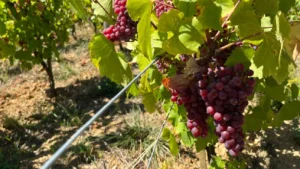
Washington stands firmly as the second-largest wine-producing state in the United States, a position it has meticulously cultivated over the past several decades. With more than 35,000 acres of dedicated vineyard land, the state’s viticultural footprint is both expansive and increasingly influential on the global stage. Currently, the region supports nearly 1,000 wineries and 300 independent growers, who collectively cultivate around 80 distinct grape varieties across 21 American Viticultural Areas (AVAs). While California continues to dominate the national market in total volume, Washington has carved out a unique reputation for producing wines that balance structural elegance with remarkable value, earning critical acclaim from sommeliers and collectors alike.
A Historical Chronology of Washington Viticulture
The emergence of Washington as a major wine region is not a recent phenomenon but the result of sustained development that began in the mid-20th century. The state’s viticultural journey traces back to the early 1960s, a period marked by experimentation and the recognition of the unique climatic advantages offered by the rain shadow of the Cascade Mountains.
In 1967, Chateau Ste. Michelle released its first vintage, effectively signaling the birth of the modern Washington wine industry. This milestone was followed by the establishment of the Yakima Valley as the state’s first official AVA in 1983. The ensuing decades saw a rapid expansion of vineyard plantings, particularly in the arid, high-desert environment of Eastern Washington, which provides the dramatic diurnal temperature shifts necessary for developing complex phenolic compounds in grapes.
By the 1990s, the focus shifted from quantity to quality. The industry invested heavily in research and development, collaborating with Washington State University’s viticulture and enology programs to optimize canopy management and irrigation techniques. The 2000s and 2010s saw a proliferation of boutique wineries and the formal recognition of sub-AVAs, such as Red Mountain and Walla Walla Valley, which helped define the state’s regional identities. Today, the industry continues to evolve, focusing on sustainable farming practices and the exploration of cooler-climate sites to diversify the state’s portfolio.
Supporting Data: The Scale of the Industry
The economic impact of the wine industry in Washington is substantial. According to data from the Washington State Wine Commission, the wine industry contributes an estimated $8.4 billion to the state’s economy annually. This figure accounts for tourism, direct sales, retail distribution, and the agricultural output of the 35,000 acres currently under vine.
The state’s geography is its greatest asset. The vast majority of premium wine production occurs east of the Cascade Mountains, where the Columbia Valley AVA—a massive, sprawling appellation—encompasses most of the state’s vineyards. The region benefits from a semi-arid climate, receiving less than 10 inches of rain annually in some areas, which allows growers to precisely control vine vigor through drip irrigation.
Grape variety distribution reflects the region’s suitability for both Bordeaux and Rhône varietals. Cabernet Sauvignon remains the state’s most planted grape, followed by Chardonnay, Riesling, Merlot, and Syrah. The diversity of these plantings is supported by the 21 distinct AVAs, each offering a unique microclimate defined by soil composition, elevation, and proximity to water sources like the Columbia and Yakima Rivers.
Official Industry Perspectives and Future Outlook
Industry leaders and trade organizations have consistently emphasized that Washington’s growth is predicated on its consistency. In recent industry reports, the Washington State Wine Commission has noted that the state’s ability to produce high-quality fruit regardless of vintage variation—due to the controlled irrigation environment—has provided a level of predictability that is highly valued by winemakers and retailers.
"Washington is in a unique position where it can compete with the prestige of Old World regions while maintaining the approachability of New World production," says a spokesperson for the Washington State Wine Commission. "Our focus for the next decade is on elevating the global recognition of our AVAs, ensuring that consumers understand the difference between the gravelly, heat-retaining soils of Red Mountain and the cooler, wind-swept slopes of the Columbia Gorge."
The implications of this focus are clear: as international markets become more crowded, regional specificity will be the primary driver of growth. The industry is currently investing in infrastructure that supports data-driven viticulture, utilizing satellite imagery and soil moisture sensors to ensure long-term environmental sustainability in an era of climate volatility.
Broader Impact and Implications for Consumers
For the average consumer, the breadth of Washington’s wine offerings presents both an opportunity and a challenge. With 21 AVAs and such a wide variety of grapes, the region can be complex to navigate. This is precisely why educational outreach, such as the quiz initiatives launched by publications like Decanter, serves a vital function in the industry. By engaging consumers with the technical aspects of the region—such as the influence of the Missoula Floods on soil composition or the impact of high-latitude sun exposure—the industry creates more informed, loyal buyers.
The "value proposition" of Washington wine is a critical component of its market position. While the state produces ultra-premium wines that rival the best in Napa Valley or Bordeaux, it remains a go-to source for high-quality wines at the $20 to $40 price point. This accessibility has helped Washington secure a strong foothold in the competitive US retail market.
However, the industry faces significant challenges, including labor shortages, the rising costs of land, and the need to adapt to shifting consumer preferences, such as the increasing demand for low-alcohol and organic wines. To address these, the state’s growers are increasingly adopting "Salmon-Safe" and "Certified Sustainable" viticultural standards, which not only protect the local ecosystem but also serve as a powerful marketing tool for the modern, environmentally conscious consumer.
Understanding the Appellation System
The Washington wine landscape is categorized by the federal government through the Alcohol and Tobacco Tax and Trade Bureau (TTB), which oversees the demarcation of AVAs. These regions are not merely geographical markers but are essential for understanding the flavor profiles of the wines produced within them.
For instance, the Walla Walla Valley AVA is known for its silty, wind-blown loess soils, which produce Syrahs with distinct savory, meaty notes. In contrast, the Red Mountain AVA, characterized by its intense heat and high-density planting, is renowned for producing powerful, tannic, and age-worthy Cabernet Sauvignon.
The state’s 21 AVAs include:
- Yakima Valley
- Walla Walla Valley
- Columbia Valley
- Red Mountain
- Horse Heaven Hills
- Wahluke Slope
- Puget Sound
- Rattlesnake Hills
- Snipes Mountain
- Lake Chelan
- Naches Heights
- Ancient Lakes of Columbia Valley
- Columbia Gorge
- Lewis-Clark Valley
- The Rocks District of Milton-Freewater
- Royal Slope
- Candy Mountain
- White Bluffs
- Goose Gap
- Rocky Reach
- Upper Mississippi Valley (shared)
Each of these regions operates under its own microclimate, governed by the specific interplay of elevation—ranging from sea level to over 2,000 feet—and the influence of the Pacific winds.
Conclusion: The Path Ahead
The trajectory of the Washington wine industry suggests a maturing market that is moving away from rapid, uncoordinated growth toward a more refined, brand-centric model. By prioritizing the unique characteristics of its diverse AVAs and leveraging the scientific expertise of its academic partners, Washington is effectively positioning itself as a leader in the global wine trade.
As the state approaches the half-century mark of its modern viticultural era, the emphasis on quality over quantity will likely continue to pay dividends. Whether through the production of iconic, age-worthy reds or the exploration of emerging white varietals, Washington has cemented its status as a critical pillar of the American wine industry. For those looking to understand the future of US viticulture, the lessons being written in the soils of the Columbia Valley are essential reading. Through continued investment, sustainable stewardship, and a commitment to regional identity, Washington state is poised to remain a dominant, and perhaps even defining, force in the world of fine wine.