Gen Z Wine Challenge Explores Marlborough Chardonnay Through the Lens of a Queensland University Student


The landscape of global viticulture is currently undergoing a significant demographic shift as the industry seeks to engage a younger generation of consumers whose preferences often diverge from traditional patterns. In a recent installment of the Gen Z Wine Challenge, an initiative designed to bridge the gap between historic wine houses and the emerging 18-to-29-year-old demographic, Stella Kerr, an 18-year-old law and business student at the Queensland University of Technology (QUT), provided a detailed account of her transition from spirits and mixers to premium New Zealand Chardonnay. Her experience offers a window into the evolving palate of Gen Z and the specific factors—ranging from price point to familial nostalgia—that influence purchasing decisions in the contemporary retail environment.
The Shift from Spirits to Sophistication: A Student Perspective
For many university students in Brisbane, Australia, the social calendar is dominated by "pre-drinks," a culture where cost-effective spirits and sugary mixers are the standard. Kerr, who recently moved out of her family home to live in a share house, noted that her usual repertoire includes sweet liqueurs and vodka-based drinks. However, the requirement for a more refined beverage arose during a transition from peer-led social gatherings to a formal family dinner hosted by her aunt and uncle. This shift in social context serves as a primary catalyst for Gen Z consumers to explore the wine category, moving away from the high-volume, low-complexity options typical of student life.
The selection process for this transition is often fraught with complexity due to the overwhelming variety found in major Australian retailers like Liquorland. For an inexperienced consumer, the "wall of wine" can be intimidating. Kerr’s decision-making process highlights a recurring trend in youth wine consumption: the reliance on trusted advisors, such as parents, to navigate the initial stages of wine education. Based on a recommendation from her mother, who suggested Chardonnay as a versatile, fruit-forward entry point, Kerr began her search within a specific varietal, narrowing the field of choice.
Chronology of Selection: Nostalgia and Brand Recognition
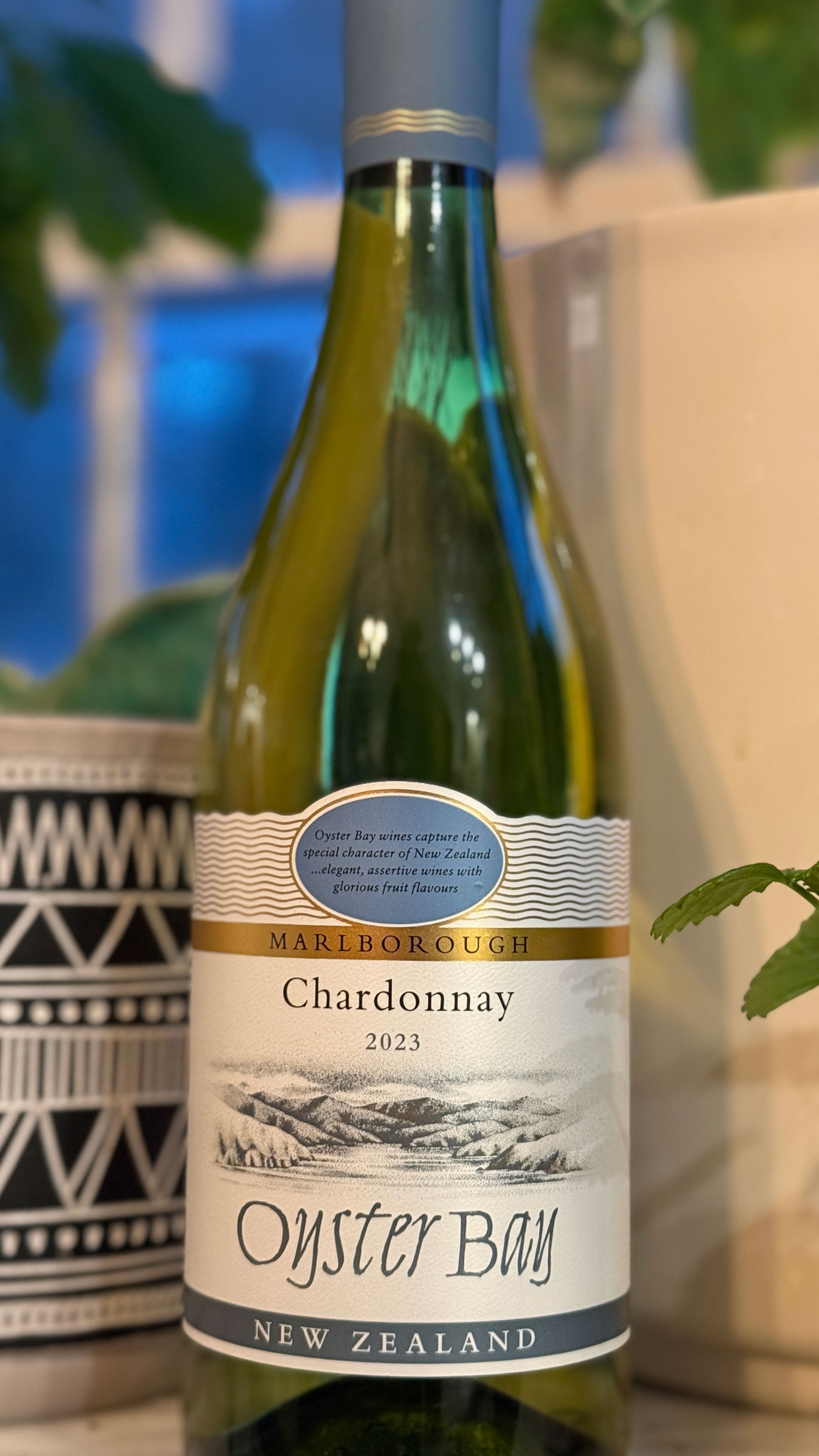
The final selection of the Oyster Bay Chardonnay 2023 was not merely a result of label design or price, but a confluence of personal history and regional reputation. Kerr’s maternal grandfather was raised in the Marlborough region of New Zealand’s South Island, a fact that provided a powerful "nostalgic hook." This emotional connection to the land is a factor that marketing analysts increasingly cite as a driver for Gen Z, who often prioritize authenticity and "story" over traditional prestige markers.
The timeline of the selection moved from a general recommendation (Chardonnay) to a specific region (Marlborough) and finally to a price-point evaluation. At $23 AUD, the bottle represented a significant step up from the "student-standard" $10 Rosé, yet remained within a reachable "premium-entry" bracket for a working student. This pricing strategy is critical for brands like Oyster Bay, which aim to capture consumers who are willing to trade up for special occasions without entering the prohibitive luxury price tiers.

Technical Profile: Oyster Bay Chardonnay 2023
Oyster Bay is a cornerstone brand of New Zealand’s viticultural export industry, managed by Delegat Group Limited. While the brand is synonymous with the global explosion of Marlborough Sauvignon Blanc, its Chardonnay production has quietly garnered significant critical acclaim. The 2023 vintage, which features an alcohol by volume (ABV) of 13%, was recently awarded a Silver medal at the 2025 Decanter World Wine Awards (DWWA), a distinction that places it among the top tier of commercially available wines in its price bracket.
The Marlborough region’s unique terroir—characterized by stony, well-draining soils and a cool maritime climate—is conducive to producing Chardonnay with high natural acidity and vibrant fruit profiles. Unlike the heavily oaked, "buttery" Chardonnays that dominated the market in previous decades, the 2023 Oyster Bay vintage leans toward a more modern, balanced style. Kerr’s assessment of the wine noted prominent flavors of stone fruit and lemon, a profile that aligns with the technical tasting notes of professional critics who highlight the wine’s citrus backbone and white peach aromatics.
Market Data and Gen Z Consumption Trends
The wine industry is currently analyzing data that suggests Gen Z is drinking less alcohol overall than previous generations, but is more inclined toward "premiumization" when they do choose to imbibe. According to market research, younger consumers in Australia and the UK are increasingly health-conscious and value-driven. The preference for a wine that is "refreshing" and "not heavy"—terms used by Kerr to describe her experience—reflects a broader move toward lighter, more acidic white wines and away from high-alcohol, tannic reds.
Furthermore, the versatility of the wine was a key factor in its positive reception. Kerr paired the Chardonnay with grilled chicken and salad, noting its suitability for the warm Australian climate. The ability of a wine to transition from a meal accompaniment to a standalone "wind-down" drink is a significant selling point for the 18-29 demographic, who often lack the cellar space or specialized glassware associated with traditional wine connoisseurship.
Regional and Global Availability
The Oyster Bay Chardonnay 2023 is positioned as a global "volume-premium" product. While it retails for approximately $23 AUD in Australia, it maintains a strong presence in the United Kingdom and the United States, where it typically retails between $10-$12 USD or £10-£12 GBP. This widespread availability ensures that the brand remains a consistent "safe bet" for young travelers and international students who recognize the label across different markets.
The success of the Marlborough region is inextricably linked to such brands. New Zealand wine exports reached a record high in recent years, with the US and UK remaining the largest markets. The Gen Z Wine Challenge highlights how these established brands can maintain relevance by appealing to the children and grandchildren of their original customer base through consistent quality and accessible price points.
Broader Impact and Industry Implications
The participation of students like Stella Kerr in programs like the Decanter Gen Z Wine Challenge is indicative of a broader industry effort to demystify wine. By providing a platform for "novice" reviews, the industry gains insight into the language and values of the next generation of buyers. Kerr’s critique—noting that the wine was a "middle ground" between overly acidic Sauvignon Blancs and overly oaked traditional Chardonnays—suggests that there is a significant market for "balanced" wines that avoid extremes.
Industry analysts suggest that for wine to compete with the rise of craft beer and ready-to-drink (RTD) cocktails, brands must focus on three pillars: accessibility, story, and versatility. Oyster Bay’s 2023 Chardonnay appears to hit all three marks for the Australian Gen Z consumer. It is easily found in major retail chains, it carries the prestigious Marlborough "origin story" (further personalized by Kerr’s family history), and it functions well across various social settings.
Conclusion: The Future of Youth Wine Engagement
As the 2025 Decanter World Wine Awards results circulate, the Silver medal for Oyster Bay Chardonnay 2023 serves as a validation of the brand’s "value-for-money" proposition. For consumers like Stella Kerr, the award provides a secondary layer of confidence in their purchase, confirming that a $23 investment can yield a high-quality experience.
The Gen Z Wine Challenge continues to seek participants from around the globe, particularly those outside the United Kingdom, to provide a diverse array of perspectives on the current wine market. For the industry, the takeaway is clear: the next generation of wine drinkers is not looking for the most expensive bottle or the most complex vintage, but for wines that offer a refreshing experience, a connection to a place, and a sense of sophisticated ease that fits into their modern, multi-faceted lives. As Kerr concluded, the Oyster Bay Chardonnay is a "solid go-to"—a sentiment that many winemakers hope will define the future of Gen Z’s relationship with the vine.