The Evolution of the Nonalcoholic Cocktail
Historically, the term "mocktail" carried a pejorative connotation, suggesting a drink that was a lesser version of its spirit-forward counterpart. However, the current generation of bartenders and mixologists has largely abandoned this label in favor of terms like "spirit-free," "zero-proof," or simply "N/A cocktail." This change in nomenclature reflects a broader shift in perception: these drinks are no longer viewed as substitutes for those who "cannot" drink, but as intentional, crafted beverages designed for those who "choose" not to.

Data from the IWSR Drinks Market Analysis indicates that the nonalcoholic category is currently one of the fastest-growing sectors in the beverage industry. Market research suggests that the global market for low- and no-alcohol products is expected to grow by a compound annual growth rate (CAGR) of over 6% through 2027. This growth is fueled by a demographic shift, particularly among Gen Z and Millennial consumers, who are increasingly prioritizing physical health, mental clarity, and moderation.
Breaking the Orthodoxy of Mixology
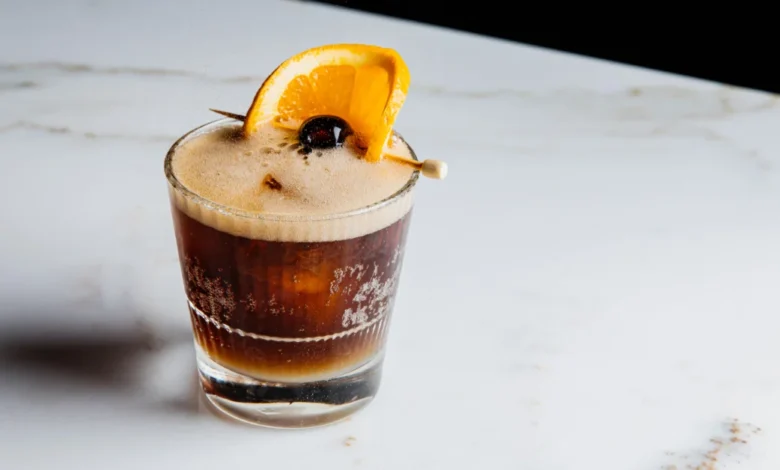
The modern approach to N/A drinks has moved beyond the simple imitation of classic cocktails. While there remains a strong market for spirit-free versions of iconic drinks—such as a nonalcoholic Negroni or an Espresso Martini—a new school of thought is taking root. As industry experts and authors like John deBary have noted, the most exciting developments are happening when creators stop trying to replicate the "familiar beats" of traditional cocktail recipes and instead build flavor profiles from the ground up.

This involves a departure from cocktail orthodoxy. Rather than relying on dealcoholized spirits, which can sometimes lack the mouthfeel and "burn" of their ethanol-based counterparts, bartenders are utilizing techniques such as fermentation, acidification, spice-infusion, and the use of savory, earthy ingredients. By treating nonalcoholic drinks as their own unique category, creators are discovering that they can achieve levels of complexity that were previously ignored.
A Chronology of the N/A Renaissance
The current explosion of interest in zero-proof beverages did not happen overnight. It followed a distinct timeline:

- 2010–2015: The "Mocktail" Era. Most bars offered one or two sugary options, often relegated to the back of the menu.
- 2016–2019: The Emergence of Premium N/A Spirits. Brands like Seedlip began to appear, providing the first real wave of distilled nonalcoholic botanical spirits.
- 2020–2022: The Pandemic Effect. As home bartending surged, consumers began experimenting with shrubs, kombuchas, and artisanal syrups to improve their at-home drinking experience.
- 2023–Present: The Sophistication Phase. N/A options have become a standard requirement for any reputable cocktail program, with dedicated sections on menus and a focus on seasonal, fresh, and complex ingredients.
Spotlight on Creative Craftsmanship
The current movement is characterized by a "kitchen-sink" approach to flavor. Recipes such as the "Mad World" utilize Berbere spice to provide a savory, warming edge that replaces the heat typically provided by alcohol. Other creations, like the "Flor and Flo.0," showcase the versatility of ingredients that work equally well in full-proof or spirit-free applications, blurring the lines between the two categories.
Another notable trend is the use of umami-rich ingredients. The "Chinotto Fizz," for instance, incorporates coconut aminos, while the "Puppy Pose" utilizes the science of milk-clarification, replacing traditional dairy with probiotic yogurt to achieve a silky, refined texture. These techniques—clarification, infusion, and reduction—elevate the drinks from simple sodas to complex, layered experiences that require as much skill to prepare as a classic Old Fashioned.

Health and Societal Implications
The growth of the N/A market is not merely a trend in the culinary arts; it is a response to a change in the social contract of drinking. Public health initiatives, such as "Sober October" or "Dry January," have institutionalized the idea of taking breaks from alcohol. Consequently, restaurants and bars have realized that by providing high-quality, inclusive options, they can increase their bottom line by catering to patrons who might otherwise skip the bar or stick to water.
Industry analysts suggest that the "sober curious" demographic—people who do not identify as teetotalers but choose to limit their intake—represents a significant portion of the revenue for modern hospitality groups. By providing a "celebratory" beverage that features the same visual appeal, glassware, and complexity as a cocktail with spirits, venues can ensure that all guests feel included in the social experience, regardless of their relationship with alcohol.

The Role of Ingredient Science
One of the primary challenges in nonalcoholic mixology is the lack of ethanol, which acts as a carrier for flavors and provides a specific texture on the palate. To bridge this gap, modern bartenders are turning to science:
- Acidification: Using high-quality vinegars, verjus, and citric or malic acid solutions to mimic the sharp bite of alcohol.
- Tannins: Utilizing tea, bark, and root extracts to provide the structural "grip" or dryness that alcohol usually provides.
- Spices and Aromatics: Employing capsaicin (chili), ginger, and black pepper to create a "warmth" that signals to the brain that a drink is potent.
- Fermentation: Harnessing the power of lactic acid bacteria or yeast-derived flavors to provide deep, fermented notes that are otherwise hard to replicate.
Looking Ahead
The future of the nonalcoholic cocktail is one of continued innovation. As technology allows for better extraction of flavors and as consumers become more educated about what constitutes a high-quality drink, we can expect to see further collaboration between culinary chefs and beverage directors.

The barrier to entry for home bartenders has also lowered. With the increasing availability of commercial nonalcoholic bitters, verjus, and complex syrups, an individual can now replicate the "bar experience" in their own kitchen. The goal is no longer to hide the absence of alcohol but to highlight the presence of complex, intentional, and high-quality flavors.
Whether one is participating in a month-long abstinence challenge or simply looking for a refreshing, non-intoxicating way to end the workday, the modern N/A cocktail stands as a testament to the fact that the drink itself—the ritual of the glass, the garnish, the balance of ingredients—is what truly matters. As the category continues to evolve, it is clear that the days of the "mocktail" as a cloying, afterthought beverage are firmly behind us, replaced by a diverse and vibrant world of flavor that welcomes everyone to the table.