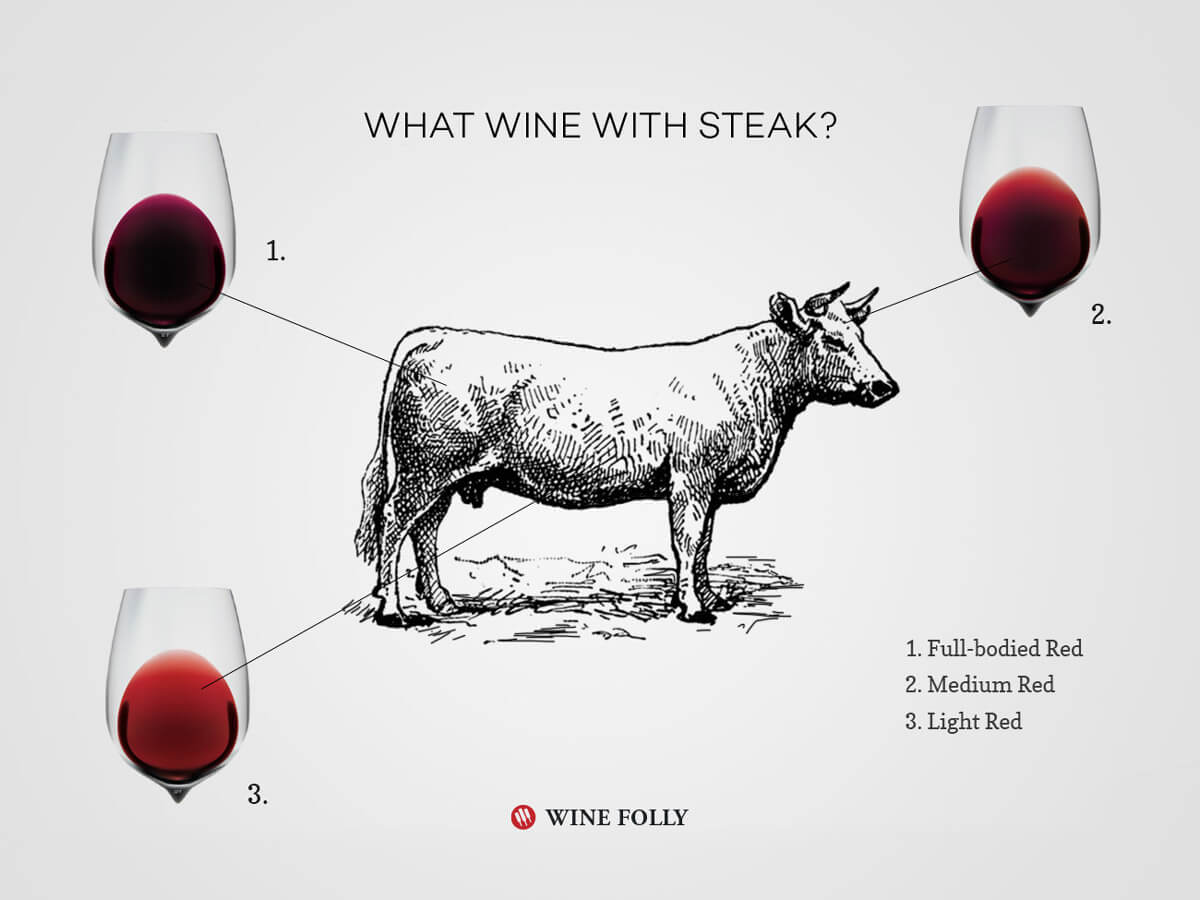
The harmonization of wine and beef stands as one of the fundamental pillars of culinary arts and oenology. As consumer interest in gastronomy continues to expand globally, understanding the biochemical interactions between the structural components of wine—such as tannins, acidity, alcohol, and fruit profiles—and the physical attributes of various beef cuts has evolved from a niche preference into a refined science. Historically, the culinary tradition of pairing red wine with red meat was born out of regional European practices, where local varietals naturally complemented the livestock raised in the same terroir. Today, this practice relies on a precise interplay of science and sensory evaluation, where the fundamental rule remains clear: leaner cuts of meat pair best with lighter-bodied wines, while richer, heavily marbled cuts require high-tannin wines capable of cutting through dietary fats.

To understand the mechanics of these pairings, one must examine the chemical composition of beef and wine. Tannins, which are naturally occurring polyphenols found in grape skins, seeds, and stems, bind to proteins and fats in the human mouth. When consuming a fatty cut of beef, the lipids coat the palate, dampening the taste buds. A high-tannin wine strips away this coating, cleansing the palate and refreshing the taster’s sensitivity to subsequent bites of food. Conversely, pairing a heavy, highly tannic wine with a very lean cut of meat strips the palate entirely of moisture, resulting in a dry, bitter, and unpleasant metallic taste. Consequently, professional sommeliers and culinary researchers emphasize tailoring the bottle not merely to the protein, but to the specific cut, preparation method, and seasoning profile of the dish.
The evolution of steak preparation methods over the centuries has further complicated and enriched the pairing landscape. From the primitive open-flame cooking of early civilizations to the modern precision of cast-iron pan-searing, butter-basting, and low-and-slow wood smoking, the culinary arts have transformed how beef is presented on the plate. These cooking techniques introduce external fats, Maillard reaction compounds, char, and smoke, all of which alter the chemical demands placed upon the accompanying wine. According to recent culinary data trends from hospitality industry groups, consumer spending on premium beef and curated wine experiences has steadily risen, driven by an expanding interest in home-gourmet cooking and artisanal butchery.
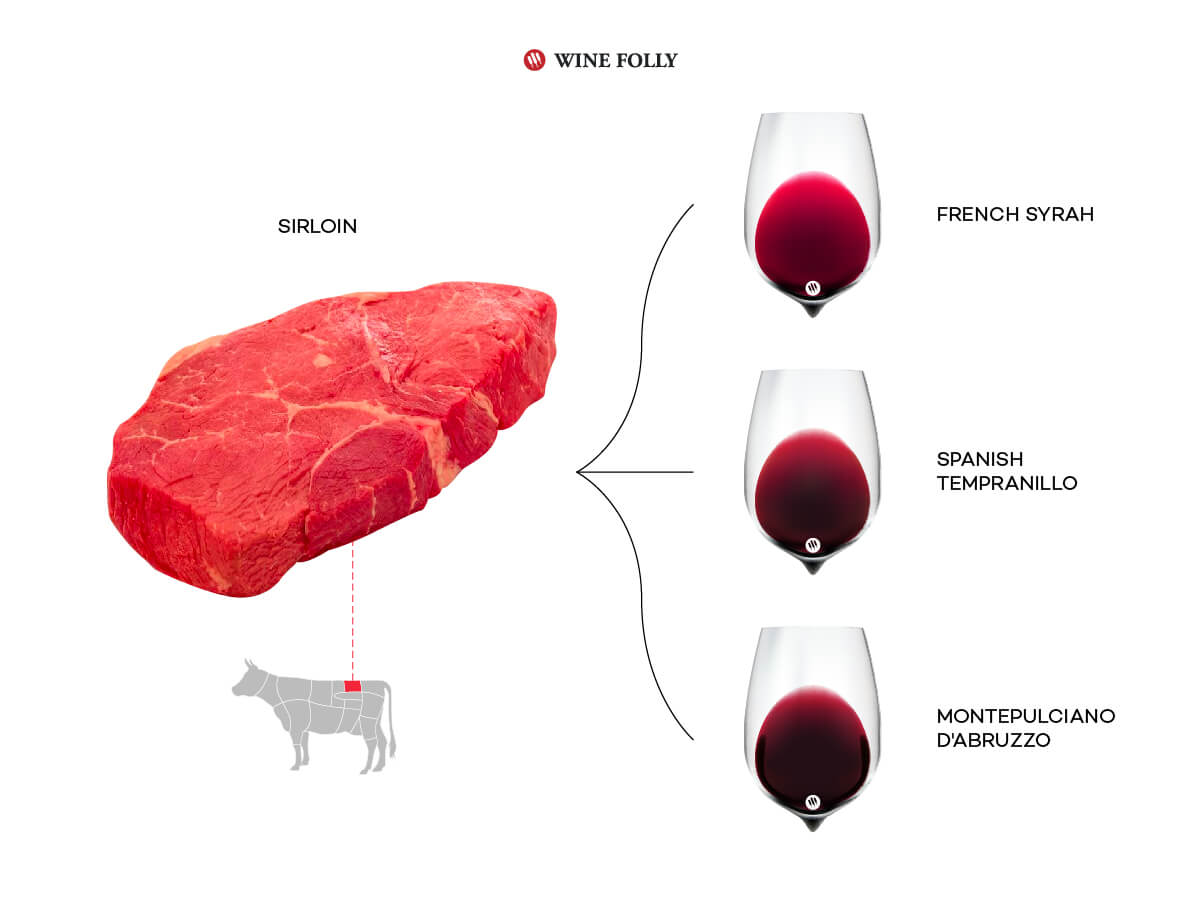
Analyzing the individual cuts reveals why specific varietals succeed where others fail. The sirloin, one of the most widely consumed cuts, offers a balance of lean meat with light fat marbling and a distinctive strip of edge fat. Because sirloin is a versatile workhorse cut frequently subjected to diverse seasoning blends, marinades, or rubs, it demands a flexible dry red wine that can adapt to changing flavor profiles. Sommeliers often recommend medium- to full-bodied reds with moderate acidity and approachable tannins for sirloin dishes, allowing the wine to support both the iron-rich meat and the external seasonings without overpowering them.
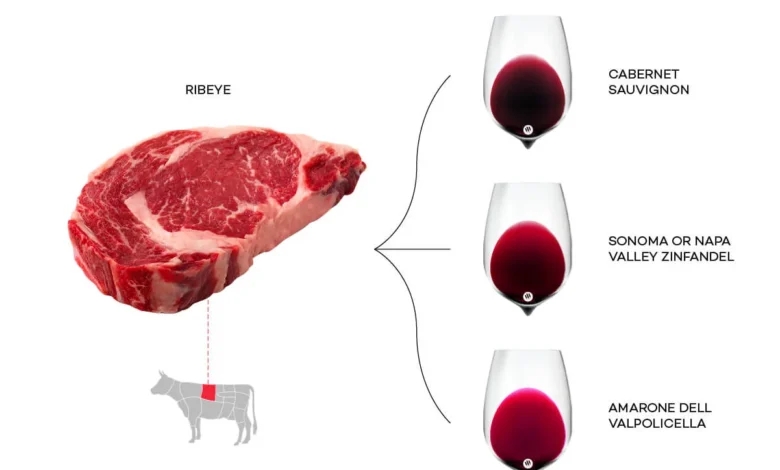
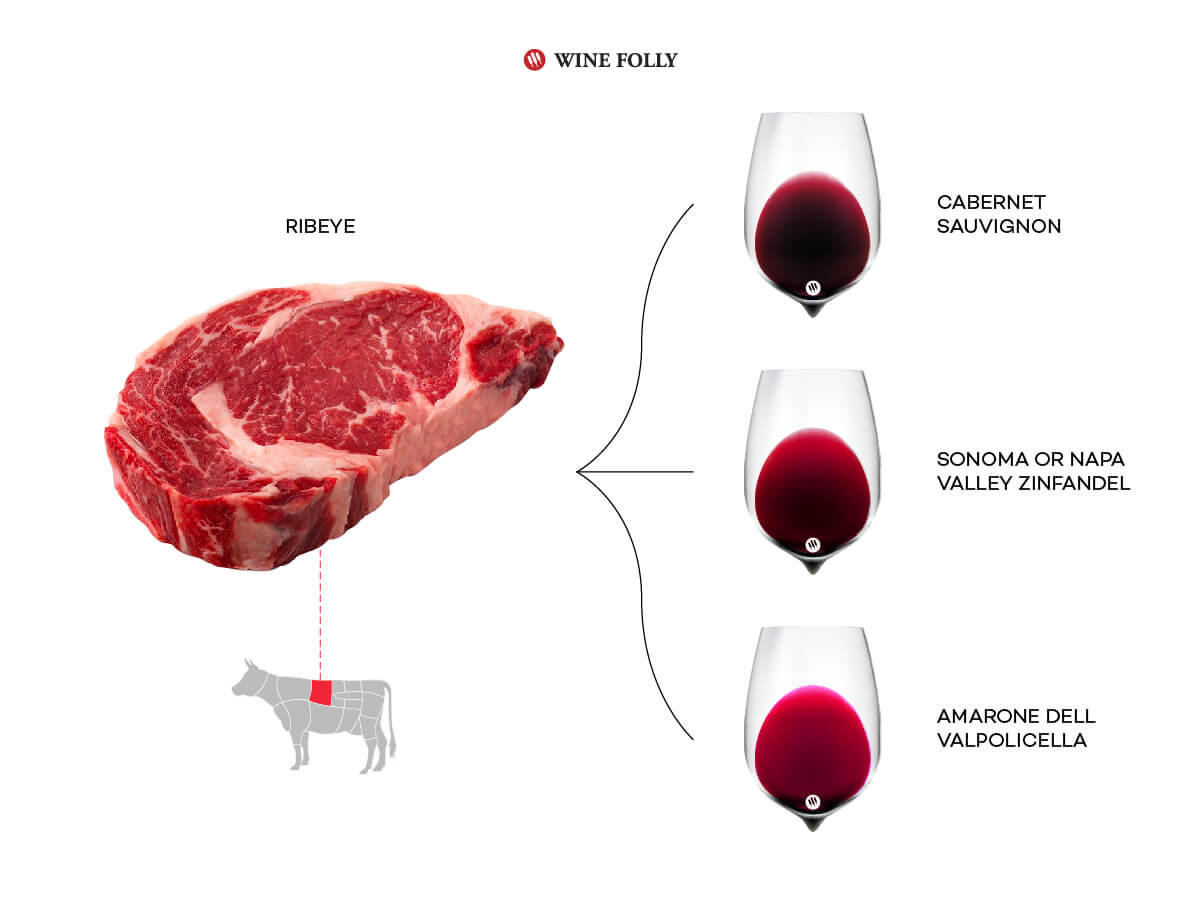
In stark contrast, the ribeye and its bone-in counterpart represent the upper echelon of richness and natural marbling within the carcass. Sourced from the rib section, the ribeye boasts intramuscular fat deposits that render the meat exceptionally tender and buttery when subjected to the dry, intense heat of a grill. This high fat content requires structural intervention from the glass. Wines selected for ribeye must possess either pronounced, muscular tannins to physically cleanse the palate of the heavy lipids or exceptionally bold, concentrated dark fruit flavors that stand up to the rich, savory profile of the beef without being muted.
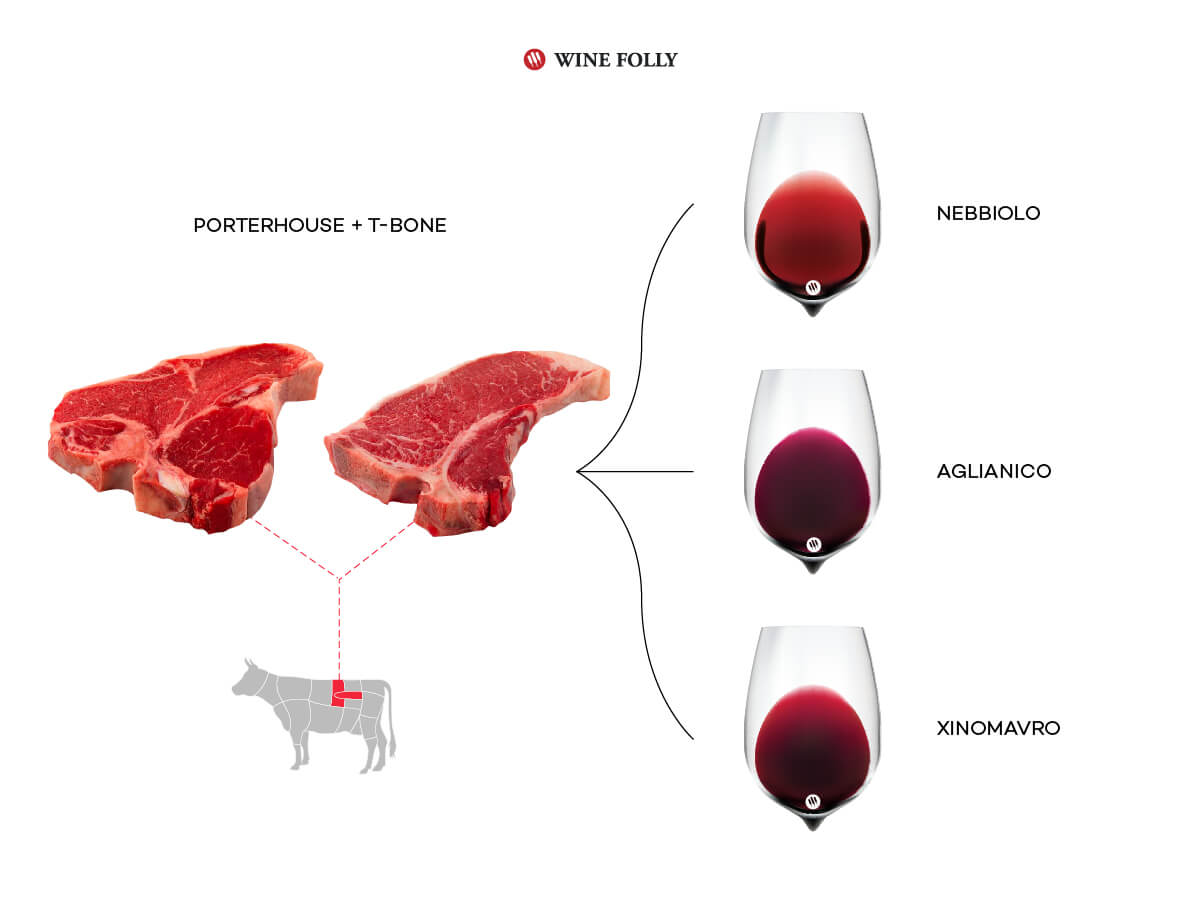
For diners seeking the best of both worlds, the porterhouse and T-bone offer a masterclass in anatomical diversity. These cuts feature a distinct T-shaped lumbar bone separating a tender, delicate filet mignon side from a firmer, deeply flavorful strip side. While these cuts can be prepared in a skillet, open-grill cooking ensures an even cook across the disparate muscle groups. Because the meat itself is relatively lean despite its robust flavor, pairing these cuts requires aromatic and expressive red wines that complement the dual textures of the plate, bridging the gap between the subtle tenderness of the filet and the beefy punch of the strip.
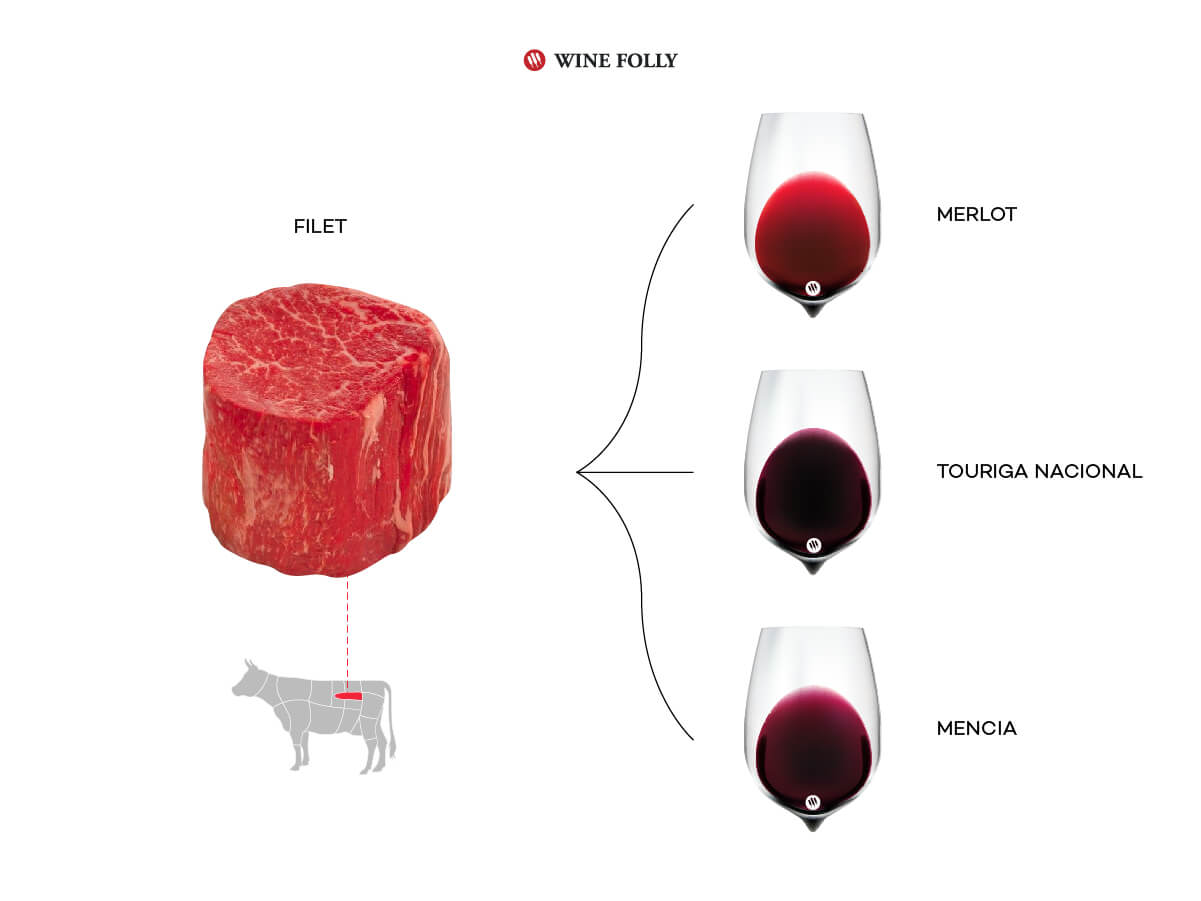
Often regarded as the crown jewel of steakhouse menus, the filet mignon presents a unique culinary challenge. Sourced from the tenderloin, this muscle gets very little exercise, resulting in a cut that is supremely tender and remarkably lean, though comparatively mild in natural beef flavor. Frequently elevated through pan-searing and lavish butter-basting or accompanied by complex reduction sauces, the filet demands restraint from the wine list. Overpowering, high-alcohol, or excessively tannic wines will obliterate the delicate subtleties of the meat. Instead, sophisticated, harmonious reds with refined fruit profiles and velvety textures are deployed to complement the dish, enhancing the overall experience without overshadowing the protein.
Meanwhile, the strip steak—known variably as the New York strip, shell steak, or Kansas City strip—offers an exceptional balance of deep beef flavor and accessible value. Originating from the short loin, the strip features a distinct grain and slightly more connective tissue, which yields a deeply savory profile when cooked in a cast-iron skillet, salted, butter-basted, and properly rested. Because the strip contains a solid edge fat cap and a robust grain, it requires a wine equipped with both strong fruit characteristics and firm acidity and tannins. This structural trifecta ensures the wine can simultaneously complement the rich beef flavor and cut cleanly through the rendered fat.
Moving away from the loin cuts, the rump steak originates from a significantly harder-working muscle group in the hindquarter. This muscular activity produces a firmer texture accompanied by an intense, concentrated beef flavor. Because rump steak can lean toward toughness if improperly handled, it frequently benefits from marinades or braising techniques, though these preparations require careful consideration to avoid conflicting with the accompanying wine. When prepared simply as a steak, rump demands structured red wines capable of supporting a firmer bite and robust savory characteristics.
Similarly, flank and skirt steaks present structural challenges due to their long muscle fibers and pronounced grain. Traditionally prized in various international cuisines, these cuts respond exceptionally well to marinades and high-heat grilling, provided they are cooked precisely to avoid a tough, chewy texture. Even when executed to perfection, flank and skirt retain a dense, chewy bite. To elevate this experience from a culinary chore to a savory triumph, pairings focus on bold, juicy red wines with vibrant acidity and fruit-forward notes that soften the perception of the meat’s texture and enhance its rich, iron-heavy flavor profile.
Though distinct from traditional steak cuts, brisket has earned a permanent place in modern barbecue discussions and pairing guides. Prepared through low-and-slow smoking over woods such as hickory, oak, or mesquite, brisket undergoes a transformation driven by collagen breakdown and heavy smoke absorption. The resulting meat is unctuously tender and deeply infused with pyrolyzed wood compounds. Consequently, the wine selection for brisket is heavily influenced by the type of wood smoke utilized in the smoker. Sommeliers recommend robust, smoky, and spice-driven red wines that mirror and amplify the aromatic compounds imparted by the smoking process, creating a cohesive sensory bridge between the barbecue pit and the wine glass.
Industry experts and culinary analysts note that while these standardized pairing guidelines provide a reliable framework for diners, the ultimate arbiter of any culinary experience remains individual human perception. Taste receptors, olfactory sensitivities, and personal preferences vary widely across populations, meaning that a scientifically calculated pairing may not resonate universally with every palate. Gastronomic professionals encourage enthusiasts to utilize established pairing principles merely as a foundational starting point for personal culinary exploration. As long as the diner derives pleasure from the combination, there are no absolute errors in the pursuit of good food and wine. Those looking to expand their expertise beyond beef can further investigate parallel pairing protocols for lamb, venison, and other specialized game meats through dedicated culinary literature and educational resources.