The Renaissance of Pommard: A New Era of Elegance and Approachability in Burgundy

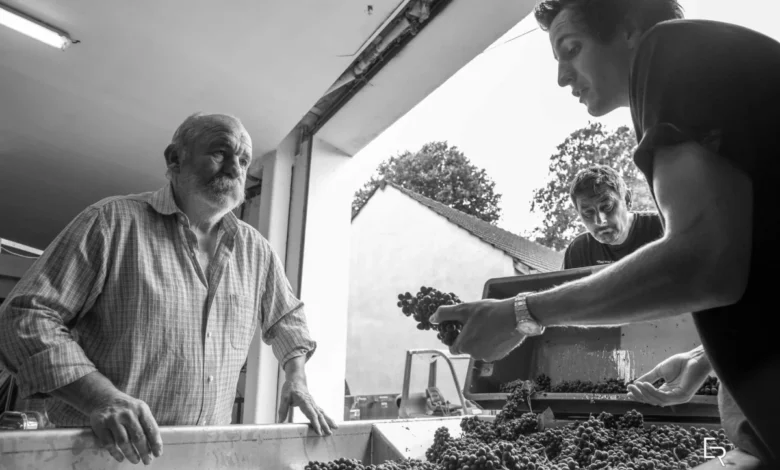
For decades, the viticultural reputation of Pommard was defined by a singular, somewhat rigid archetype. Often compared unfavorably to the more exuberant, floral, and immediately expressive wines of its neighbor, Volnay, Pommard was long categorized as the "bruiser" of the Côte de Beaune. Critics and collectors historically characterized these wines as deeply structured, tannic, and substantial, yet frequently criticized them for being impassive, closed, and "mute" in their youth. The prevailing consensus was that a Pommard required two decades of patient cellar aging before it would reveal its true character. However, a seismic shift is currently underway in the cellars of this historic commune, driven by a new generation of vignerons who are redefining what it means to craft a wine from this storied terroir.
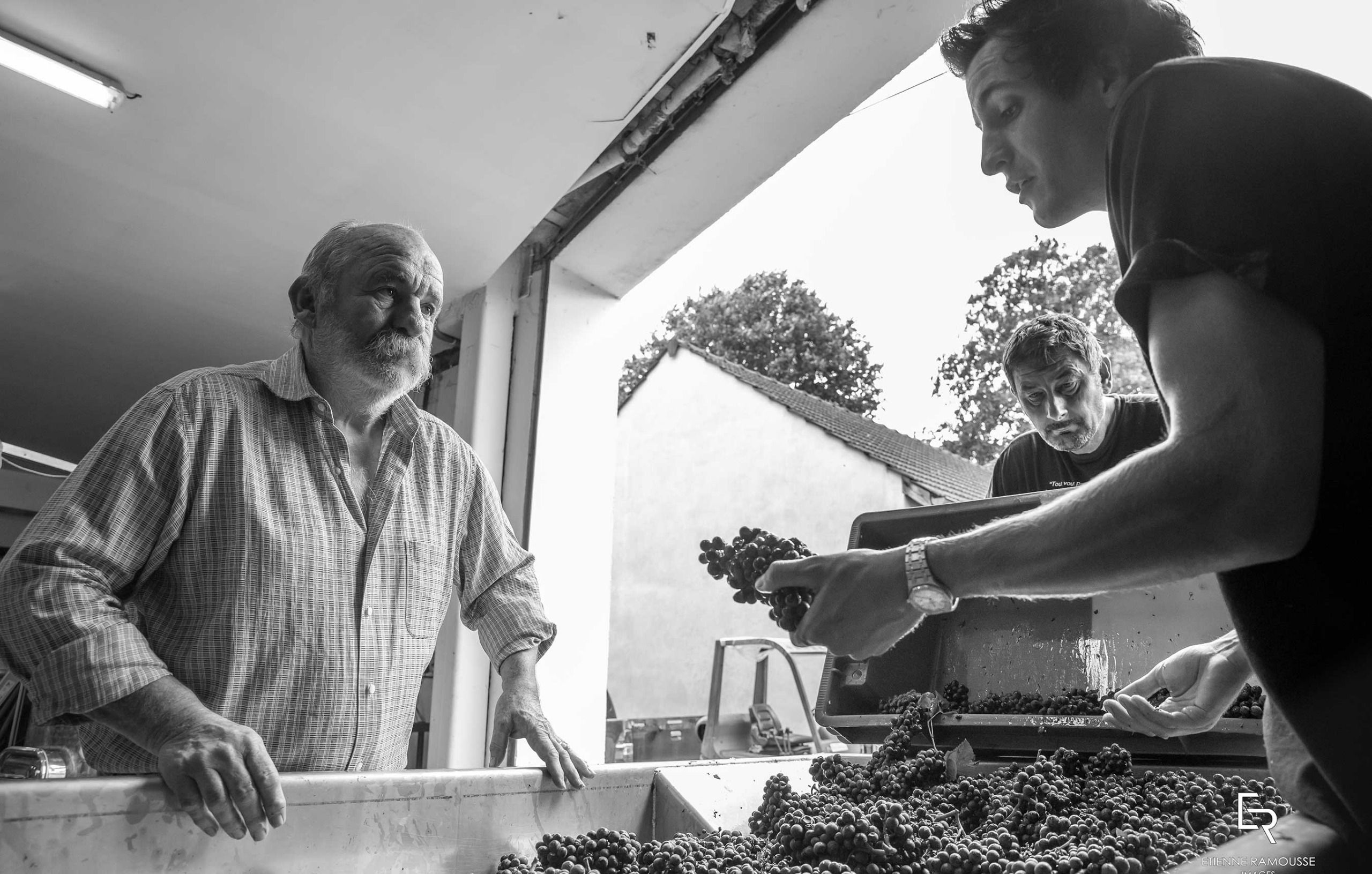
A Historical Perspective on the Pommard Identity
To understand the current evolution, one must first look at the historical context of the region. Pommard has long been prized for its iron-rich, clay-limestone soils, which impart a distinct muscularity to the Pinot Noir grape. Throughout the mid-20th century, winemaking techniques—including heavy extraction, long macerations, and the aggressive use of new oak—tended to amplify these natural structural elements. The result was a consistent, albeit sometimes monolithic, product.
For many years, the market demand for "age-worthy" Burgundy meant that winemakers were incentivized to create wines that were essentially inaccessible in their first five to ten years. This established a barrier for entry-level collectors and casual enthusiasts alike. The contrast with Volnay, where the terroir naturally produces finer tannins and more immediate aromatic charm, created a dichotomy that pigeonholed Pommard as a wine for the cellar, not the table.
The New Guard: Shifting Viti-Vinicultural Paradigms
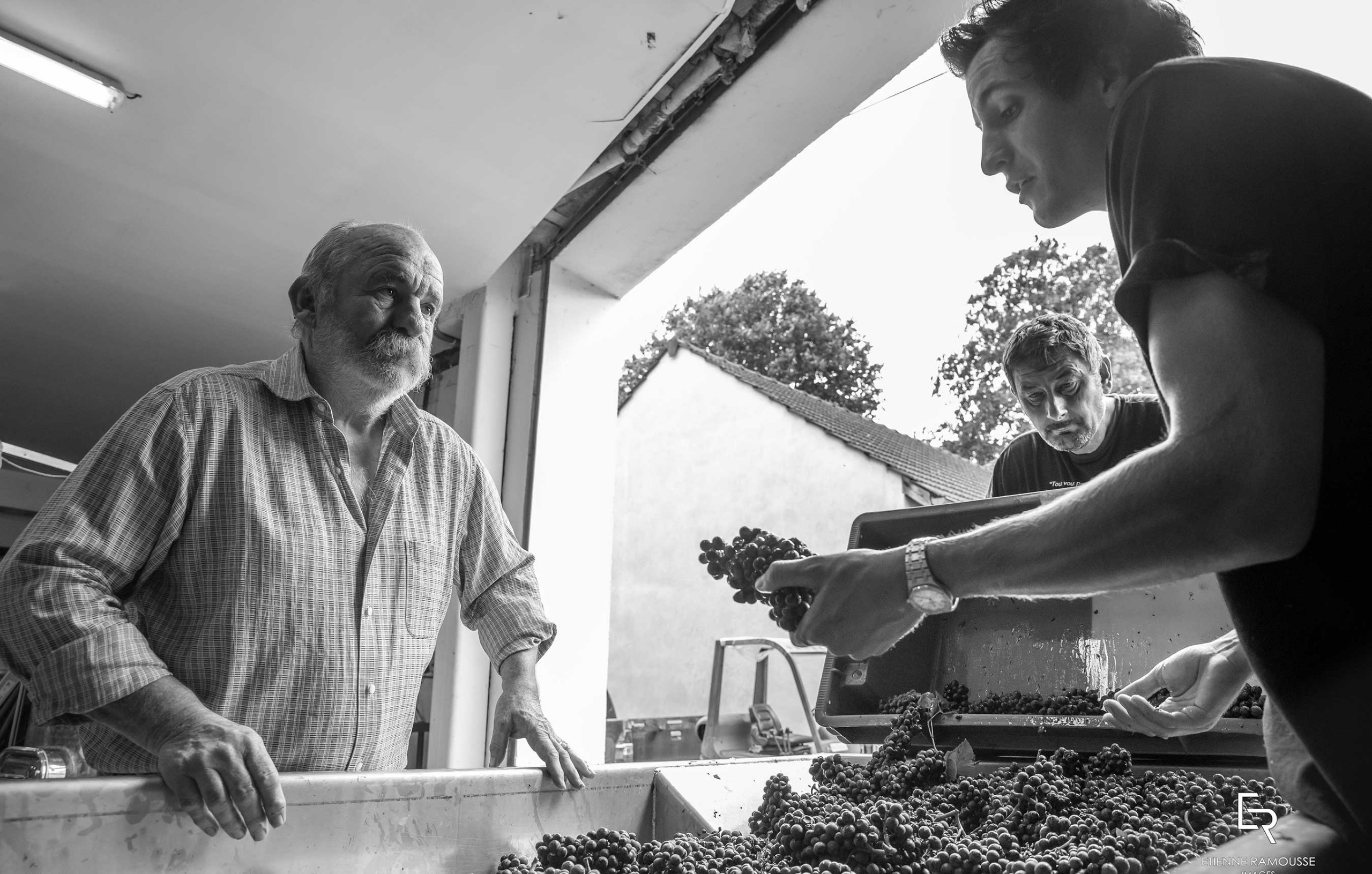
The contemporary movement in Pommard is not merely a change in trend, but a fundamental pivot in philosophy. Younger producers, such as those at Domaine Joannès Violot-Guillemard and Domaine Yvon Clerget, are placing a greater emphasis on vineyard management and gentler extraction processes. By focusing on phenolic ripeness rather than just sugar levels, these winemakers are achieving a sophisticated balance.
This approach allows the wines to retain the signature "Pommard structure"—the depth, the longevity, and the spice—without the harsh, drying tannins that once characterized the village’s output. These producers are essentially stripping away the heavy-handed winemaking of the past to allow the unique, iron-flecked personality of the site to shine through. The result is a wine that exhibits a newfound accessibility, offering pleasure in its youth while maintaining the structural integrity required to age for decades.
Chronology of Transformation
The transition has been gradual, spanning roughly the last fifteen years.
- 2010–2015: The early phase of the shift saw an increased focus on organic and biodynamic farming practices. By improving soil health, producers began to see more consistent ripeness and fruit purity.
- 2016–2020: Advancements in sorting technology and the use of whole-cluster fermentation became more widespread. These techniques helped soften the mid-palate and introduced more complex, layered aromatics.
- 2021–Present: The current period is defined by "precision viticulture." Producers are mapping their parcels more accurately, harvesting at exact moments of physiological maturity, and using neutral or less invasive aging vessels to preserve the delicate fruit profile.
Analyzing the 2023 and 2024 Vintages
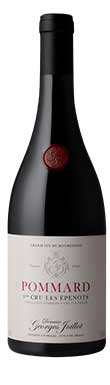
The recent vintages have served as a litmus test for these new methodologies. The 2024 vintage, in particular, presented significant climatic challenges, yet producers like Domaine AF Gros and Domaine Georges Joillot have demonstrated remarkable success. Despite the unpredictable growing season, these domains have produced wines that showcase a "reassuring success," characterized by deeper colors and, crucially, a refined texture that was previously elusive in such vintages.
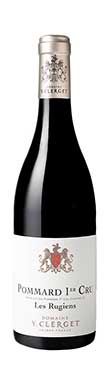
Data from recent cellar tastings indicates that the 2023 and 2024 wines from the Rugiens and Épenots Premier Cru sites are demonstrating a level of "plumpness" and "roundness" that defies the traditional Pommard stereotype. For instance, the 1er Cru Rugiens from Domaine Yvon Clerget, helmed by Thibaud Clerget, is noted for its plum-forward profile and approachability—a departure from the austere profile that defined the site twenty years ago.
The Role of Terroir in Modern Expression
The diversity of the Pommard terroir remains the bedrock of its appeal. The village boasts a high concentration of Premier Cru vineyards, including the legendary Les Rugiens and Les Épenots.
- Les Rugiens: Known for its red, iron-rich marl, this site historically produced the most "masculine" wines. Modern winemakers are now tempering this power with refined maceration techniques, resulting in a mineral-driven, spicy elegance.
- Les Épenots: With its deeper, more silty soils, this site is proving to be a star for those seeking bright fruit aromas—cherries, peonies, and subtle spice—combined with a structural backbone that provides excellent cellar potential.
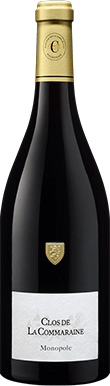
- Clos de la Commaraine: As seen in the work of Domaine de la Commaraine, the emphasis is now on "light-touch" winemaking. By focusing on limpidity and purity of fruit, producers are highlighting the floral nuances of the Pinot Noir, a quality often masked by traditional heavy extraction.
Market Implications and Consumer Trends
The evolution of Pommard’s style has significant implications for the global wine market. As the price of top-tier Burgundies from the Côte de Nuits continues to climb, savvy collectors are turning their attention to the Côte de Beaune. Pommard, once overlooked for its perceived "difficulty," is now being repositioned as a high-value alternative.
The increased approachability of these wines makes them more suitable for the modern restaurant list and the discerning home collector who wants to enjoy a wine within five years of release rather than waiting fifteen. This shift has not gone unnoticed by the trade. There is a palpable energy surrounding the appellation, with renewed interest from international markets in Asia and North America.
Official Responses and Producer Philosophy
While there has been no formal declaration from the Comité Interprofessionnel des Vins de Bourgogne (CIVB) regarding a stylistic change, the sentiment among the producers is clear. In interviews and technical briefings, many vignerons speak of "respect for the vintage" and "letting the terroir speak."
Thierry and Joannès Violot-Guillemard, representing the generational transition within their family estate, represent the vanguard of this movement. Their work with the 2024 vintage out of barrel suggests a return to a more "thrilling" style of winemaking—one that prioritizes tension and energy over raw power. Similarly, Florent Jeanson of Domaine Jeanson-Parigot has emphasized the importance of balance, noting that the goal is to bridge the gap between structure and elegance, a goal that aligns with the broader aspirations of the village.
The Future of Pommard
Looking ahead, the outlook for Pommard is one of cautious optimism. The challenges of climate change—including more frequent heat spikes and irregular rainfall—will continue to test the resolve of these producers. However, the move toward biodynamic farming and more nuanced vinification appears to be the correct strategy for mitigating these risks.
By successfully marrying the inherent strength of their terroir with a more modern, delicate touch, the vignerons of Pommard are effectively erasing the boundaries that once separated them from the more "elegant" communes of the Côte d’Or. The "new" Pommard is not a dilution of its identity; rather, it is an elevation of it. It is a transition from a wine that was once merely "substantial" to one that is now "complex, layered, and profoundly engaging."
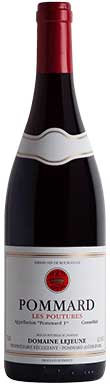
For the consumer, this means the opportunity to explore a historic region that is currently enjoying a golden age of craftsmanship. Whether it is the bright, cherry-inflected profile of a 1er Cru Les Poutures from Domaine Lejeune or the refined, mineral-focused offerings from the Châteaus, the range of expression coming out of Pommard today has never been broader or more compelling. As the market continues to evolve, the village of Pommard stands as a testament to the resilience and adaptability of the Burgundy region, proving that even the most deeply rooted traditions can be reimagined for a new generation.