Global Wine Industry Sees Strategic Leadership Shifts and Heritage Recognition Amidst Evolving Market Trends

The global wine and spirits landscape underwent a series of significant transformations this week, marked by the celebration of viticultural heritage, a transition in elite industry leadership, and shifting economic tides within historic European wine regions. From the crowning of winners in the inaugural Old Vine Photography Competition to the appointment of Alessia Antinori as the president of Primum Familiae Vini, the week’s events underscored a dual focus on preserving the past while innovating for a sophisticated future. Simultaneously, the industry observed the intersection of gastronomy and beverage science through new non-alcoholic initiatives and the high-stakes redistribution of legacy brands in the Rioja region through public auction.
The Old Vine Photography Competition: A Visual Tribute to Viticultural Longevity
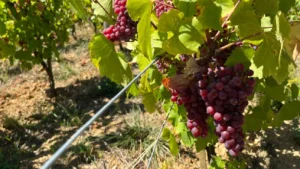
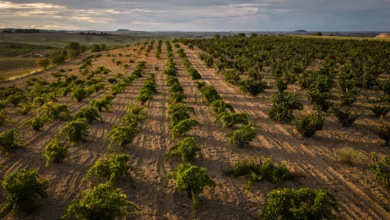
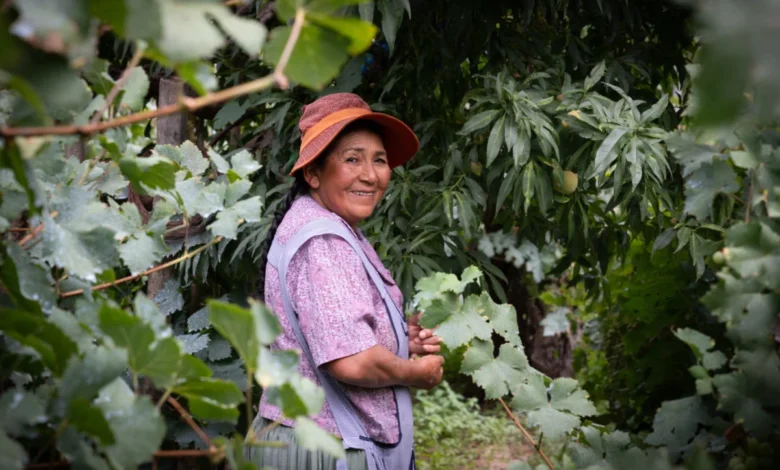
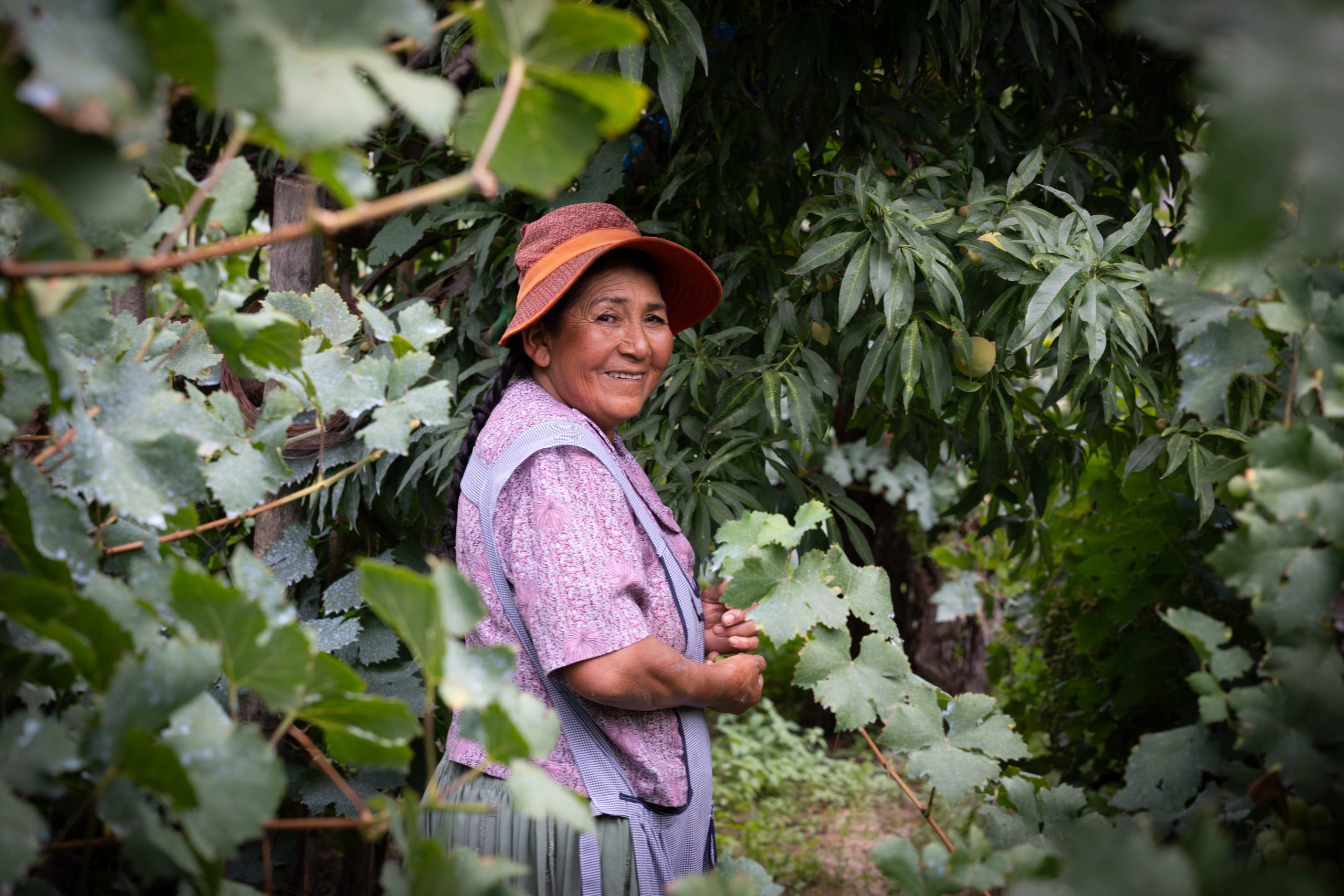
On July 15, designated as International Old Vine Day, the Old Vine Conference (OVC) announced the winners of its first-ever photography competition. The initiative, designed to elevate the global profile of old vineyards and the dedicated communities that maintain them, saw an overwhelming response from the international community. A total of 272 entries were submitted across four distinct categories, garnering 3,664 votes from enthusiasts and professionals worldwide. The top honors were awarded to photographers capturing the gnarled beauty and cultural significance of ancient vines in Australia, Bolivia, and Spain.
Sponsored by the Consorzio di Tutela del Conegliano Valdobbiadene Prosecco Superiore DOCG, the competition serves as a strategic tool for the OVC. Executive Director Belinda Stone emphasized that photography acts as a "simple and emotive bridge," enabling wineries to communicate the complex value of old vines to consumers who may not otherwise understand the technical rigor required to preserve these living monuments. Old vines are increasingly recognized not just for the quality and concentration of the fruit they produce, but for their genetic diversity and resilience in the face of climate change.
The focus on regions like Australia’s Barossa Valley, Spain’s diverse autonomous communities, and the high-altitude vineyards of Bolivia highlights the global nature of the old vine movement. In many of these regions, vines exceeding 50, 70, or even 100 years of age represent a vital link to pre-phylloxera viticulture and traditional farming methods that are at risk of being lost to industrial modernization. By documenting these landscapes, the OVC aims to create a "valuation" of heritage that transcends the price per bottle.
Leadership Transition at Primum Familiae Vini: The Antinori Era
In a move that signals a continued emphasis on the intersection of heritage and high culture, Alessia Antinori has been appointed as the President of Primum Familiae Vini (PFV) for the 2026-2027 term. Succeeding Prince Robert of Luxembourg of Domaine Clarence Dillon, Antinori represents the 26th generation of the Marchesi Antinori family, a name synonymous with the Italian wine Renaissance and the creation of the "Super Tuscan" movement.
The PFV is an exclusive, invitation-only association of 12 of the world’s most prestigious family-owned wine estates. The membership includes legendary names such as Champagne Pol Roger, Familia Torres, Symington Family Estates, Tempos Vega Sicilia, and Tenuta San Guido. The group’s mission is to defend the traditions of family-owned wine companies and to promote the ideal that the best wines are the result of multi-generational dedication rather than corporate ownership.
Upon assuming the presidency, Antinori announced that her tenure would be defined by the theme "Art, Architecture, and Wine." This choice reflects her personal background and the Antinori family’s long-standing patronage of the arts, most notably seen in the construction of the Antinori nel Chianti Classico winery, an architectural landmark that serves as a temple to viticulture and history. Antinori stated that "a great wine is never simply an agricultural product; it is a cultural artefact, the expression of a territory, its people and its history." Her presidency is expected to focus on the "PFV Prize," an annual €100,000 grant awarded to a family business in any sector that demonstrates exceptional excellence, sustainability, and succession planning.

Economic Realignment: Historic Rioja Brands Under the Hammer
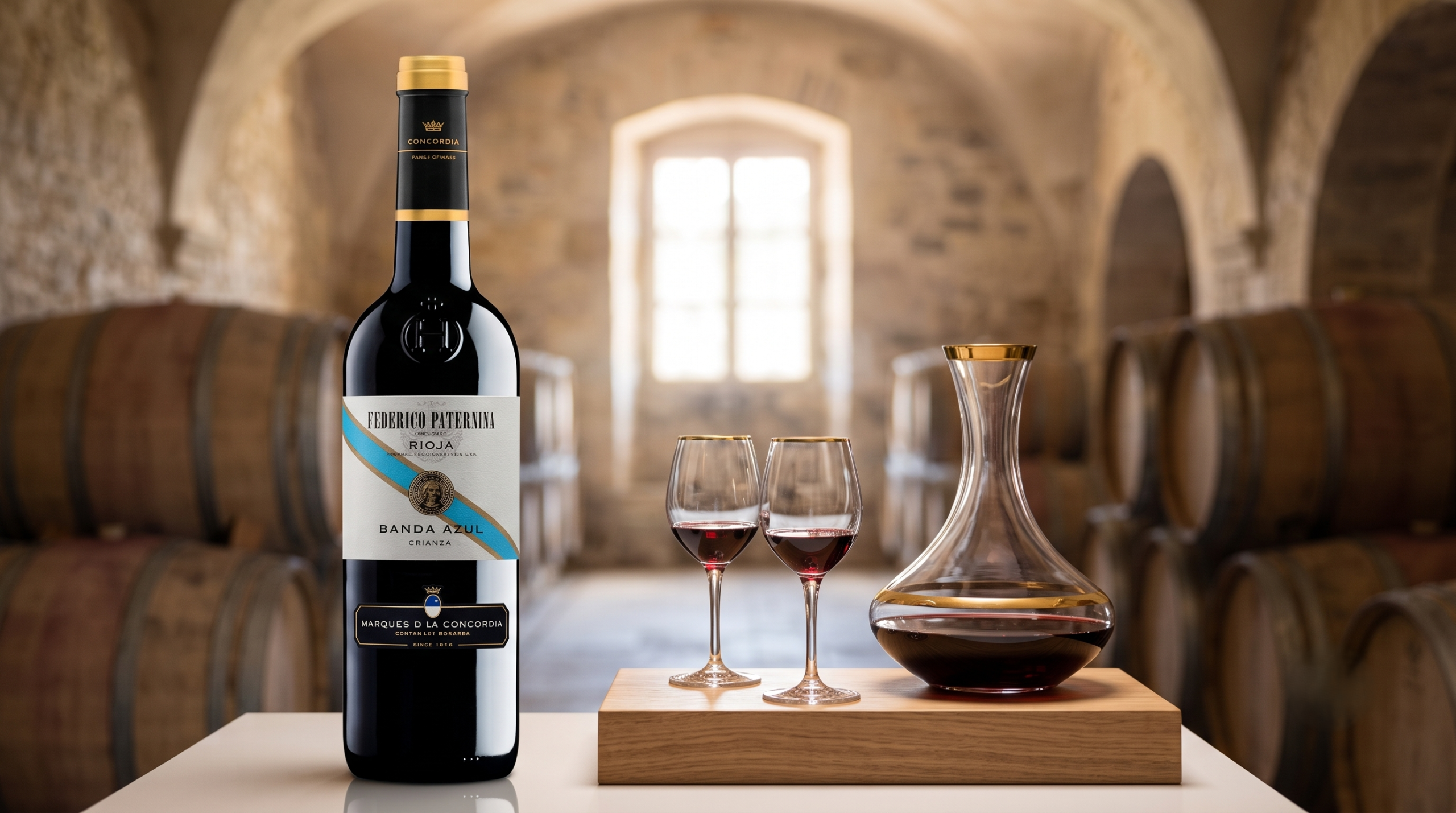
While leadership shifts and heritage celebrations dominated the cultural headlines, the economic reality of the industry took a sharp turn in Spain. A collection of some of the most established trademarks in the Rioja region, belonging to the Marqués de la Concordia Group, is set to be sold at an international public auction from July 27 to 29. This sale is a direct consequence of insolvency proceedings involving the group’s parent companies, highlighting the financial pressures facing even established players in the current global market.
The auction includes several iconic brands:
- Federico Paternina: A brand with roots dating back to 1896 in Ollauri, famously associated with Ernest Hemingway.
- Lagunilla: Founded in 1885 by Don Felipe Lagunilla, who is credited with saving Rioja’s vineyards from phylloxera by introducing American rootstocks.
- Marqués de la Concordia: The flagship brand representing the group’s modern approach to Rioja production.
- Rioja Santiago: One of the oldest bodegas in the region, holding a significant place in the historical record of the Haro Station District.
Financial data released ahead of the auction provides a glimpse into the commercial value of these assets. Between 2019 and 2021, the portfolio recorded normalized Rioja DO sales of €18.49 million. Notably, exports have historically accounted for 41% of total sales, making this a rare opportunity for international investors or rival wine groups to acquire brands with a pre-existing global footprint and significant consumer recognition. The auction marks a pivotal moment for the Rioja region, as the redistribution of these brands could lead to a consolidation of power among larger conglomerates or the entry of new capital into the Spanish wine market.
The Liquid Kitchen: Redefining the Alcohol-Free Experience at IGNI
In the realm of modern gastronomy, the restaurant IGNI is challenging the traditional boundaries of beverage pairings with its "Liquid Kitchen" program. Led by Head of Wine Alessio Ragusini and Chef Theo Clench, the initiative moves away from the cellar-centric model of drink selection toward a kitchen-led approach to alcohol-free pairings.
As the "sober curious" movement continues to gain momentum globally, high-end establishments are under increasing pressure to provide non-alcoholic options that match the complexity and sophistication of fine wine. Rather than relying on de-alcoholized wines or sugary juices, IGNI utilizes in-house fermentation, maceration, and extraction techniques. By using ingredients shared with the kitchen, the drinks are designed to complete the flavor profile of a dish rather than simply imitating the structure of wine.
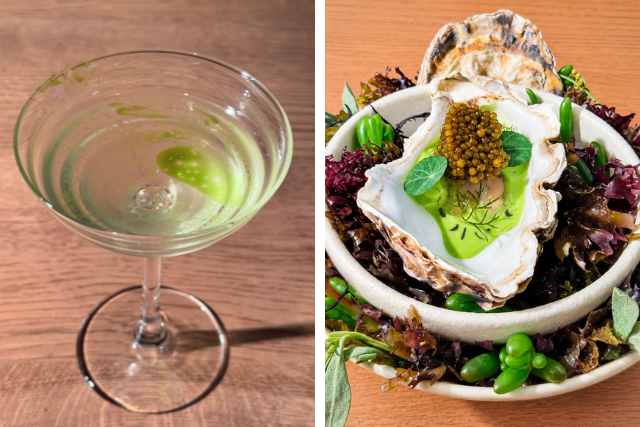
A standout example of this technique is the clarified "Bloody Mary" designed to accompany Skye scallops. This beverage utilizes tomato, tosazu (a smoked vinegar), and citrus to provide the acidity and umami necessary to elevate the seafood, without the heat of alcohol or the weight of traditional tomato juice. This shift represents a broader trend in the industry where the roles of sommelier and chef are increasingly blurred, resulting in a more holistic and technically advanced dining experience.
Louis Pommery and the Synergy of English Sparkling Wine and Local Gastronomy
The Dorset Seafood Festival, held at Weymouth Harbour, served as a showcase for the burgeoning English sparkling wine industry. Louis Pommery England returned as a silver sponsor, emphasizing the strategic importance of regional festivals for brand building. The event, which restored free public entry this year, attracted thousands of visitors, providing a high-visibility platform for the Pinglestone Estate in Hampshire.
The Louis Pommery England Garden bar served both Brut and Rosé expressions, alongside the group’s traditional Champagne Pommery. The integration of English sparkling wine into a festival dedicated to local seafood highlights the "terroir-based" marketing strategy employed by Vranken-Pommery Monopole. By positioning English bubbles as the natural companion to local produce, the brand is successfully navigating the transition from a French-dominated market to one that celebrates domestic excellence.
Beyond the commercial aspects, the festival maintained a strong philanthropic focus. Through chef demonstrations and vendor contributions, the event raised significant funds for The Fishermen’s Mission, a charity providing emergency support to fishermen and their families. To date, the festival has generated over £100,000 for the organization, demonstrating the wine and food industry’s role in supporting the coastal communities that underpin its supply chains.
Broader Implications and Industry Outlook
The events of this week reflect a wine industry in a state of high-level recalibration. The focus on "Old Vines" and "Primum Familiae Vini" suggests a defensive posture against the homogenization of wine, emphasizing that value lies in history, family, and unique geological sites. This is a crucial narrative for the premium sector as it seeks to justify price points in an inflationary environment.
Conversely, the Rioja auction serves as a sobering reminder of the volatility inherent in large-scale wine production and the importance of financial liquidity. The transition of legacy brands through insolvency courts may become more common as the industry grapples with changing consumption patterns and the rising costs of production.
Finally, the innovations at IGNI and the success of Louis Pommery in Dorset point toward a future where "wine" is just one part of a broader "liquid" category. Whether it is sophisticated non-alcoholic extractions or the rise of new-world sparkling wines from traditional-world houses, the industry is proving its ability to adapt to a consumer base that values transparency, technical skill, and local authenticity. As Alessia Antinori begins her presidency, the integration of wine with art and architecture may well provide the cultural shield necessary to protect the industry’s most cherished traditions during these turbulent times.