Oscars Night with Clarendelle: A Fusion of Cinematic Excellence and Bordeaux Heritage

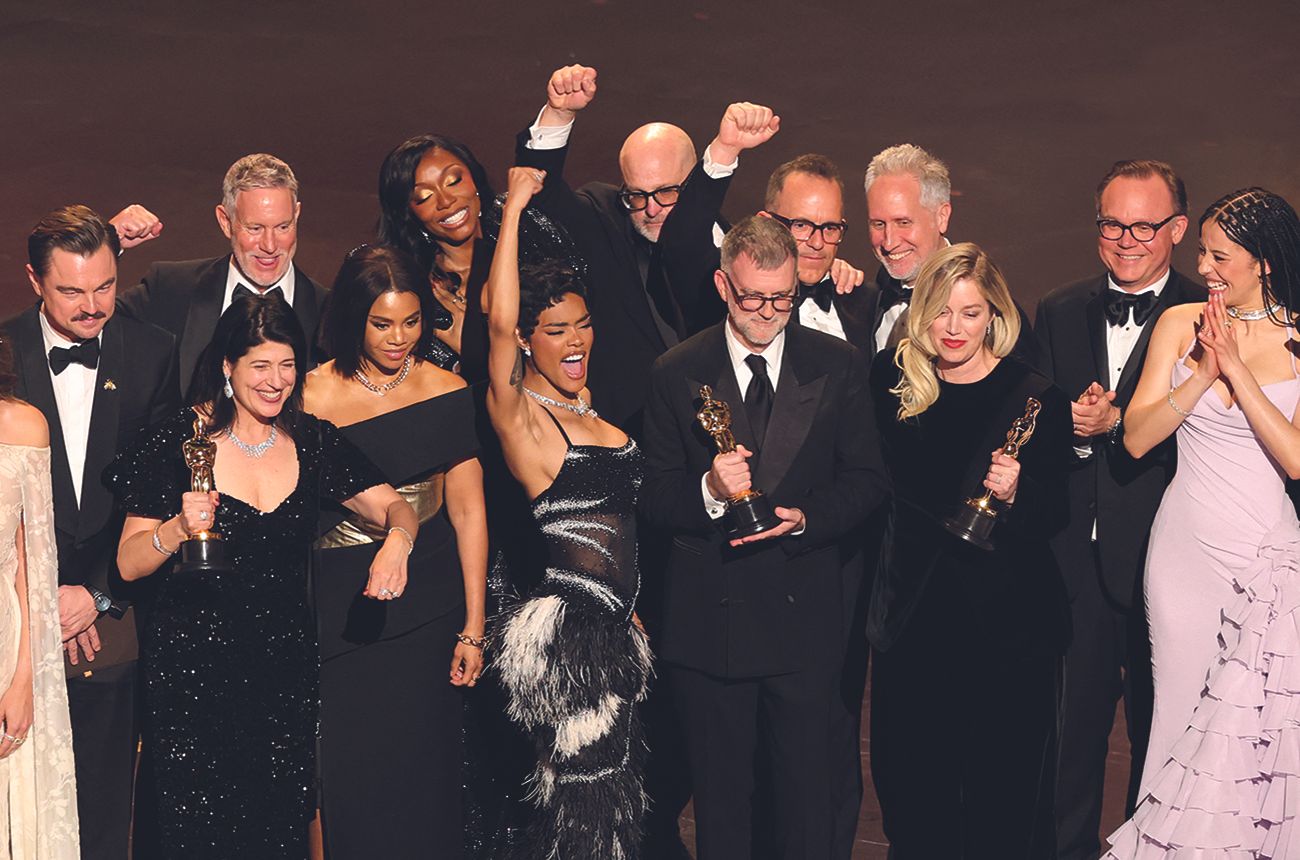
The Academy Awards have long been synonymous with the pinnacle of artistic achievement in the motion picture industry, serving as a global stage where the finest talents in acting, directing, and technical production are honored. In recent years, this celebration of excellence has extended beyond the silver screen to include a sophisticated curation of the culinary and oenological arts. Central to this evolution is the partnership between the Academy of Motion Picture Arts and Sciences and Clarendelle, a premium Bordeaux brand that has become the official wine partner of the Oscars. This collaboration represents a strategic intersection of French viticultural tradition and Hollywood’s modern glamour, bringing the heritage of one of the world’s most prestigious wine-growing regions to the most-watched entertainment event of the year.
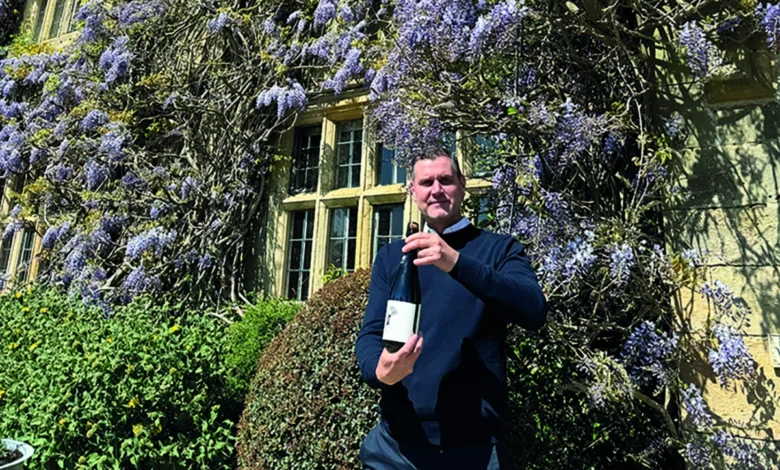
Clarendelle, inspired by the legendary Château Haut-Brion, is the brainchild of Prince Robert of Luxembourg, the Chairman and CEO of Domaine Clarence Dillon. The brand was established to offer a contemporary expression of Bordeaux that maintains the rigorous standards of excellence associated with its parent company while remaining accessible to a broader international audience. By securing a prominent role at the Oscars, Clarendelle has not only elevated its brand profile but has also reinforced the historical link between the fine wines of Bordeaux and the global cultural elite.
The Emergence of Clarendelle on the Global Stage
The selection of Clarendelle as the official wine of the Academy Awards is not merely a sponsorship deal; it is a reflection of the brand’s rapid ascent in the luxury market. Founded in 2005, Clarendelle was named in honor of Clarence Dillon, the American financier who acquired the historic Château Haut-Brion in 1935. For nearly a century, the Dillon family has been a custodian of Bordeaux’s winemaking legacy, and Clarendelle was conceived as a tribute to this heritage. Unlike the "Grand Vin" of Haut-Brion, which is produced in limited quantities and commands high prices at auction, Clarendelle is a "négociant" brand, meaning the wines are blended from high-quality grapes sourced from various growers across the Bordeaux region under the supervision of the Domaine Clarence Dillon winemaking team.
The brand’s presence at the Oscars serves as a testament to its quality. The wines are crafted to be balanced, elegant, and reflective of the classic Bordeaux style—characteristics that align with the sophisticated atmosphere of the Academy’s official events. From the red carpet to the Governors Ball, the wines provide a sensory experience that complements the high-stakes drama and celebration of the evening.
Domaine Clarence Dillon: A Legacy of Oenological Excellence
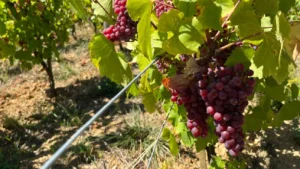
To understand the significance of Clarendelle’s presence at the Oscars, one must look at the pedigree of Domaine Clarence Dillon. The company owns some of the most storied estates in France, including Château Haut-Brion, the only estate outside the Médoc to be included in the 1855 Classification as a First Growth. The portfolio also includes Château La Mission Haut-Brion and Château Quintus in Saint-Émilion.
Prince Robert of Luxembourg, representing the fourth generation of the family, has been instrumental in modernizing the company’s operations while preserving its historical integrity. Under his leadership, the company expanded into the world of fine dining with the opening of Le Clarence in Paris, a two-Michelin-starred restaurant. The partnership with the Oscars is an extension of this mission to promote the French "art de vivre" (art of living) on a global scale. By bringing Clarendelle to Hollywood, the Prince is effectively bridging the gap between the traditional aristocracy of the European wine world and the contemporary royalty of the American film industry.
Chronology of the Partnership: From Bordeaux to Beverly Hills
The relationship between Clarendelle and the Academy has developed through a series of carefully orchestrated steps. While luxury brands have always vied for visibility at the Oscars, the formalization of Clarendelle as a lead partner marked a shift toward a more integrated brand experience.
- Initial Integration (2022-2023): The partnership began to take shape as Domaine Clarence Dillon sought to expand its footprint in the United States. Clarendelle was introduced to the Academy’s event planners as a brand that could provide both the volume required for large-scale events and the prestige necessary for the Oscars.
- The 95th Academy Awards (2023): This marked Clarendelle’s debut as the official wine partner. The brand provided a range of red, white, and rosé wines for the ceremony and the subsequent Governors Ball. The success of this debut established a template for future collaborations.
- The 96th Academy Awards (2024): Building on the previous year’s success, Clarendelle expanded its presence. For the 2024 ceremony, the brand showcased specific vintages, including the Clarendelle Bordeaux Red and the Clarendelle Bordeaux White, alongside wines from Château Quintus.
- Ongoing Collaboration: The partnership is now viewed as a multi-year commitment, with Clarendelle becoming a staple of the "Oscar season," including the Governors Awards and other lead-up events.
The Oenological Selection: What the Stars Sip
The logistics of serving wine at the Oscars are immense. Thousands of bottles are required to satisfy the guests at the Dolby Theatre and the various official after-parties. The selection process for the wines is rigorous, ensuring that the profiles are versatile enough to pair with a wide array of gourmet dishes.

For the most recent ceremonies, the primary selections have included:
- Clarendelle Bordeaux Red: A blend dominated by Merlot, with smaller proportions of Cabernet Sauvignon and Cabernet Franc. This wine is known for its supple tannins, red fruit notes, and a touch of spice, making it an ideal companion for the hearty entrees often served at the Governors Ball.
- Clarendelle Bordeaux White: Primarily a blend of Sémillon and Sauvignon Blanc. This wine offers a balance of citrus acidity and a rounder, waxy texture from the Sémillon, designed to pair with seafood appetizers and salads.
- Château Quintus: In addition to the Clarendelle range, the Academy often features the "Dragon de Quintus," the second wine of Château Quintus. This provides guests with a taste of the "Right Bank" of Bordeaux, characterized by the elegance and plushness of Saint-Émilion terroir.
The winemaking team at Domaine Clarence Dillon treats the Clarendelle blends with the same meticulous attention as their estate wines. The goal is to produce a "consistent" Bordeaux that reflects the vintage’s character while maintaining a recognizable house style that emphasizes harmony over power.
The Governors Ball: A Gastronomic and Viticultural Symphony
The Governors Ball is the official post-Oscars celebration, hosted by the Academy’s Board of Governors. For decades, the menu has been overseen by celebrity chef Wolfgang Puck and his catering team. The marriage of Puck’s innovative California-French fusion cuisine with Clarendelle’s Bordeaux wines is a highlight of the evening.

In recent years, the menu has featured over 50 individual dishes, ranging from the famous smoked salmon Oscars to wagyu beef sliders and vegan specialties. The versatility of the Clarendelle Bordeaux Red is particularly noted here; its moderate alcohol and balanced acidity allow it to complement everything from rich meats to earthy mushroom-based dishes. Meanwhile, the white and rosé selections provide a refreshing counterpoint to the high-energy, often warm environment of a crowded Hollywood ballroom.
Strategic Rationale: Bridging Tradition and Contemporary Culture
The partnership between Clarendelle and the Oscars is a calculated move within the broader context of the global wine market. Bordeaux has historically faced challenges in staying relevant to younger, affluent consumers who may perceive the region as overly formal or inaccessible. By aligning with the Oscars—an event that generates billions of social media impressions—Clarendelle positions itself as a lifestyle brand rather than just a traditional agricultural product.
Furthermore, the United States remains the most important market for premium wine. High-profile visibility in Los Angeles provides a halo effect that influences retail sales and restaurant listings across the country. For Domaine Clarence Dillon, the Oscars serve as a massive marketing megaphone, allowing them to tell the story of their heritage to an audience that might not otherwise be familiar with the nuances of Bordeaux viticulture.

Official Perspectives on the Collaboration
While the Academy of Motion Picture Arts and Sciences maintains a degree of discretion regarding its corporate partnerships, representatives have frequently emphasized the importance of quality and "thematic alignment." The choice of a family-owned, historically significant wine producer like Domaine Clarence Dillon aligns with the Academy’s own mission of honoring tradition while fostering innovation.
Prince Robert of Luxembourg has been vocal about his enthusiasm for the partnership. In various statements, he has noted that both the film industry and the wine industry are built on the foundation of "storytelling." Just as a director blends various shots and performances to create a cohesive narrative, a winemaker blends different grape varieties and vineyard parcels to create a wine that tells the story of a specific place and time.
"We are proud to share the excellence of Bordeaux with the world’s most talented storytellers," Prince Robert has remarked during past Oscar seasons. This sentiment highlights the mutual respect between the two industries, both of which rely on a combination of technical mastery and creative inspiration.

Broader Implications for the Bordeaux Wine Market
The success of Clarendelle at the Oscars has broader implications for the Bordeaux region as a whole. It serves as a case study in "premiumization"—the trend of consumers opting for higher-quality, brand-recognized products even if they drink less frequently.
- Market Perception: The visibility of Bordeaux at the Oscars helps to counteract the rise of competing regions like Napa Valley or Tuscany in the minds of American luxury consumers. It reaffirms Bordeaux’s status as the "gold standard" for fine wine.
- Cultural Integration: The partnership demonstrates that traditional European products can successfully integrate into American pop culture without losing their soul. This paves the way for other luxury sectors, such as French fashion or spirits, to deepen their ties with the entertainment industry.
- Economic Impact: Increased brand recognition for Clarendelle translates into stronger demand for Bordeaux exports. As a "négociant" brand that sources grapes from many growers, the success of Clarendelle provides a direct economic benefit to the wider viticultural community in Bordeaux.
Conclusion: The Future of Luxury Partnerships in Entertainment
As the curtain falls on each Academy Awards ceremony, the bottles of Clarendelle are emptied, but the brand’s association with cinematic excellence remains. The partnership has proven to be a symbiotic relationship: the Oscars gain a partner that brings a sense of history and European elegance to the festivities, while Clarendelle gains unparalleled access to the world’s most influential cultural tastemakers.
Looking forward, the trend of luxury wine brands seeking high-profile entertainment partnerships is likely to grow. However, few brands possess the pedigree and the direct link to a First Growth estate that Clarendelle enjoys. This unique positioning ensures that for the foreseeable future, when the stars of Hollywood gather to celebrate their greatest achievements, they will do so with a glass of Bordeaux in hand, continuing a tradition of excellence that spans from the vineyards of France to the red carpets of Los Angeles. The fusion of these two worlds—the ancient soil of Bordeaux and the modern magic of the movies—remains one of the most compelling narratives in the modern luxury landscape.