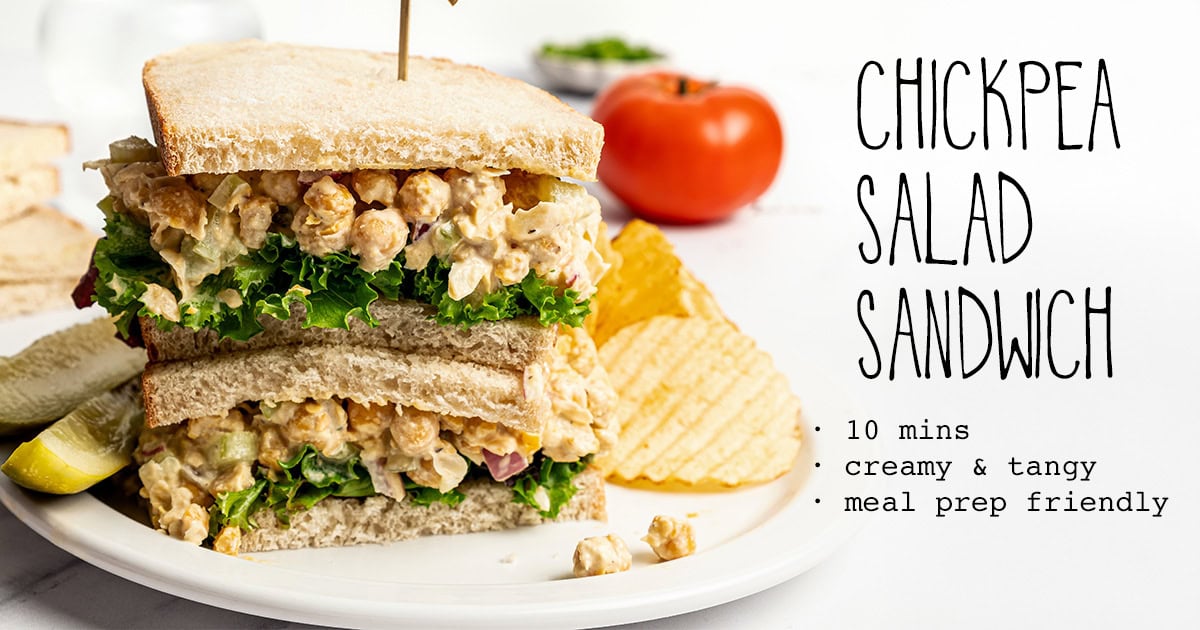
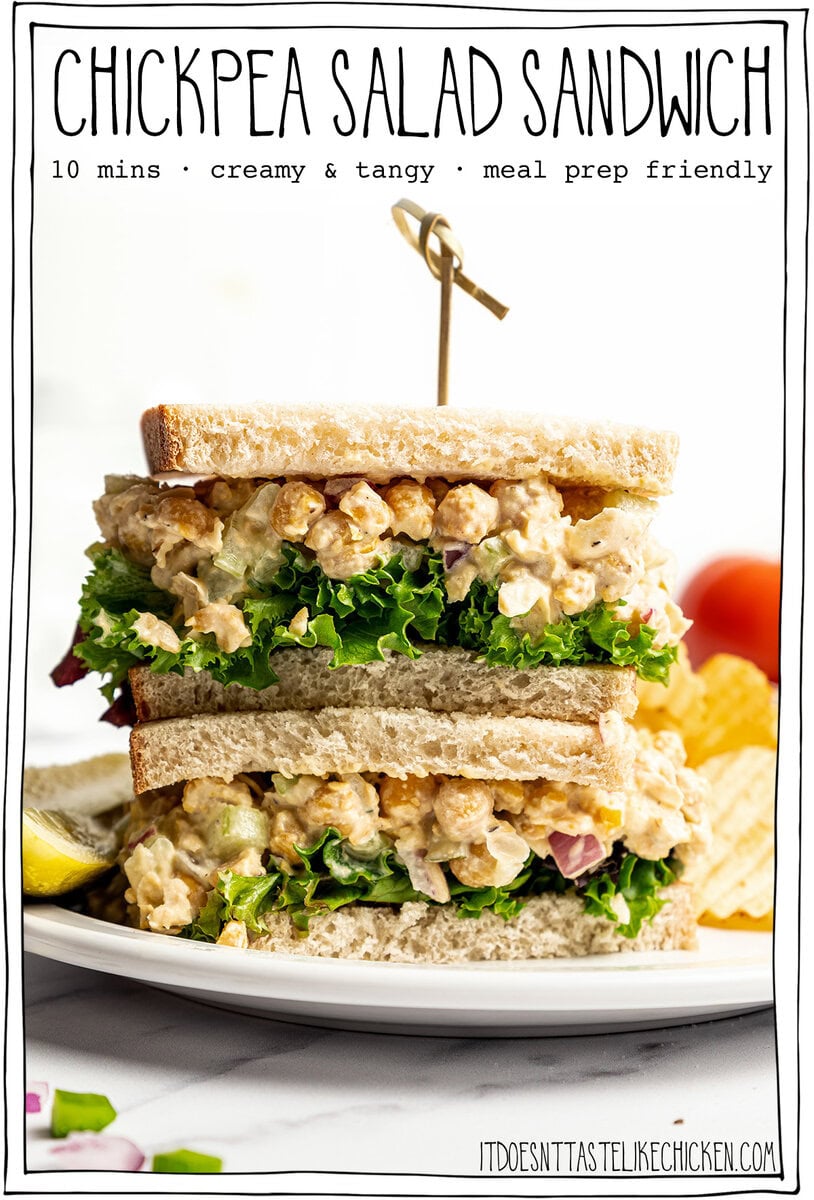
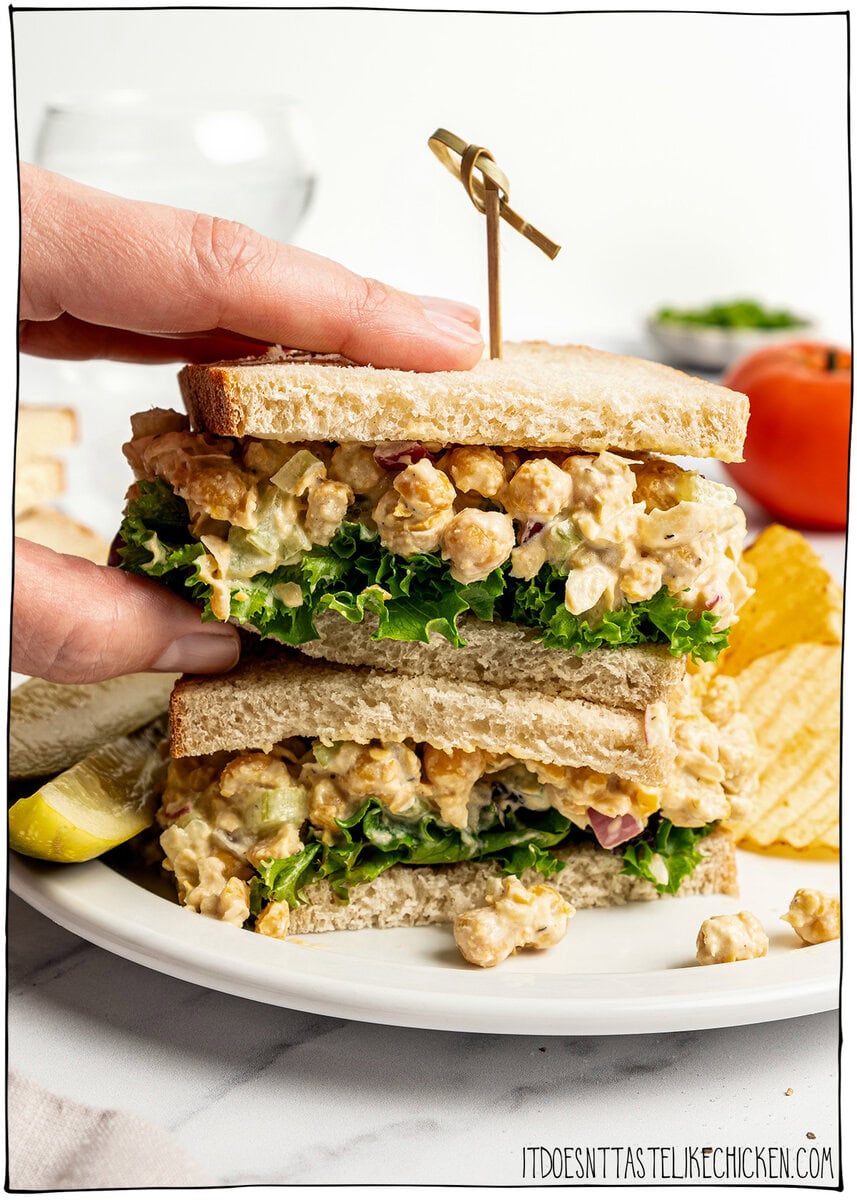
A culinary innovation that champions simplicity and speed, the Chickpea Salad Sandwich has emerged as a go-to option for busy individuals seeking a nutritious and flavorful meal. This plant-based alternative to traditional chicken or tuna salad offers a creamy texture and a tangy zest, all achievable within a mere 10 minutes. Its accessibility and minimal preparation time have cemented its status as a staple for quick lunches, efficient meal prepping, and even effortless no-cook dinners, catering to a growing demand for convenient, wholesome food solutions.
The genesis of this recipe can be traced to the burgeoning vegan food movement, where resourceful home cooks began exploring plant-based alternatives to classic dishes. The humble chickpea, a legume renowned for its versatility and protein content, was identified as an ideal base. By mimicking the texture and flavor profiles of beloved meat-based salads, the chickpea salad sandwich offers a satisfying experience without compromising dietary preferences or ethical considerations. This recipe represents a significant development in the landscape of plant-based cuisine, demonstrating that familiar comfort foods can be reimagined using plant-derived ingredients.
The Rise of Plant-Based Alternatives
The popularity of the chickpea salad sandwich is indicative of a broader trend: the increasing adoption of plant-based diets. Globally, consumers are re-evaluating their food choices, driven by concerns for health, environmental sustainability, and animal welfare. The market for plant-based foods has experienced exponential growth in recent years. According to a report by the Good Food Institute, the U.S. retail market for plant-based foods reached a record $8 billion in 2022, with plant-based meat alternatives seeing a 10% increase in sales. This surge highlights a significant shift in consumer behavior and culinary innovation, with dishes like the chickpea salad sandwich playing a pivotal role in making plant-based eating more accessible and appealing.
Key Ingredients and Flavor Profile
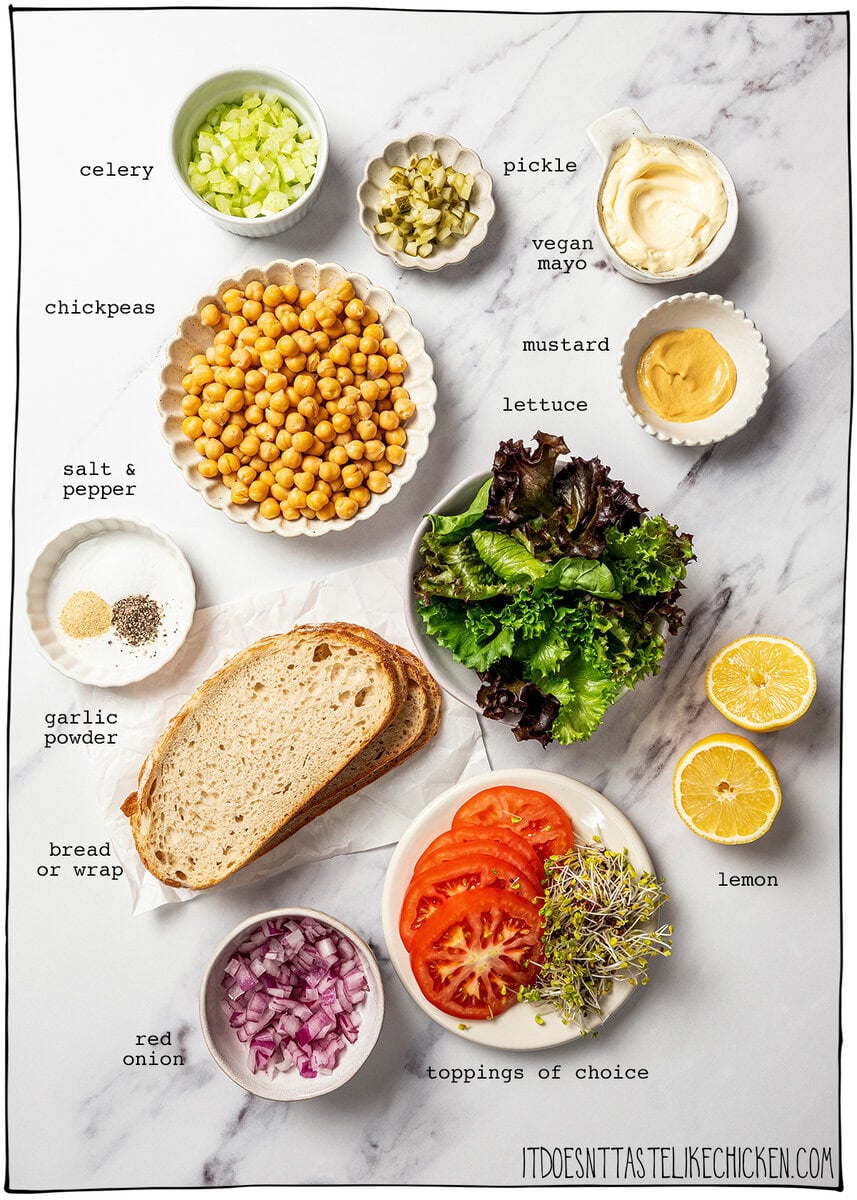
At its core, the chickpea salad sandwich relies on a few fundamental ingredients to achieve its characteristic taste and texture. The primary component, chickpeas, provides a hearty and satisfying base. When mashed, they create a texture remarkably similar to traditional chicken or tuna salad. This is then enlivened by a combination of creamy vegan mayonnaise, sharp Dijon mustard, and bright lemon juice. This trinity of ingredients is crucial for delivering the desired tanginess and creamy mouthfeel that defines the sandwich.
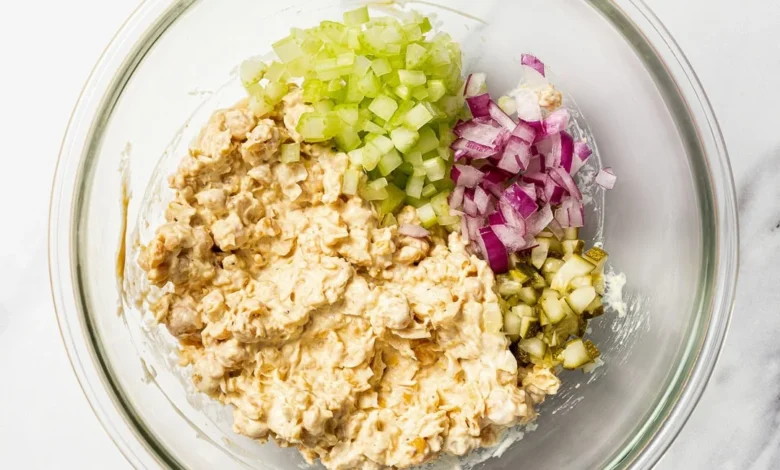
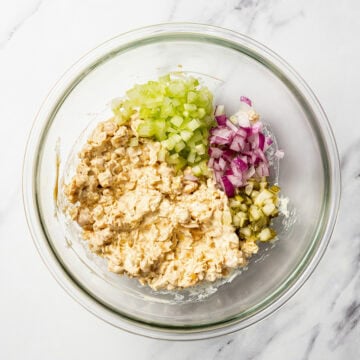
Beyond the foundational elements, the recipe encourages customization through optional additions that contribute texture and depth. Chopped celery, red onion, and pickles are frequently cited as excellent choices for adding a satisfying crunch and a burst of freshness. These ingredients not only enhance the sensory experience but also introduce a complex interplay of flavors, ranging from the crispness of celery to the pungent notes of red onion and the briny kick of pickles. The inclusion of these elements transforms the basic chickpea salad into a more nuanced and sophisticated dish, demonstrating the adaptability of the recipe to individual palates.
Preparation: A Model of Efficiency
The hallmark of the chickpea salad sandwich is its remarkable speed of preparation. The process typically involves a few straightforward steps, making it an ideal option for individuals with limited time or cooking experience.
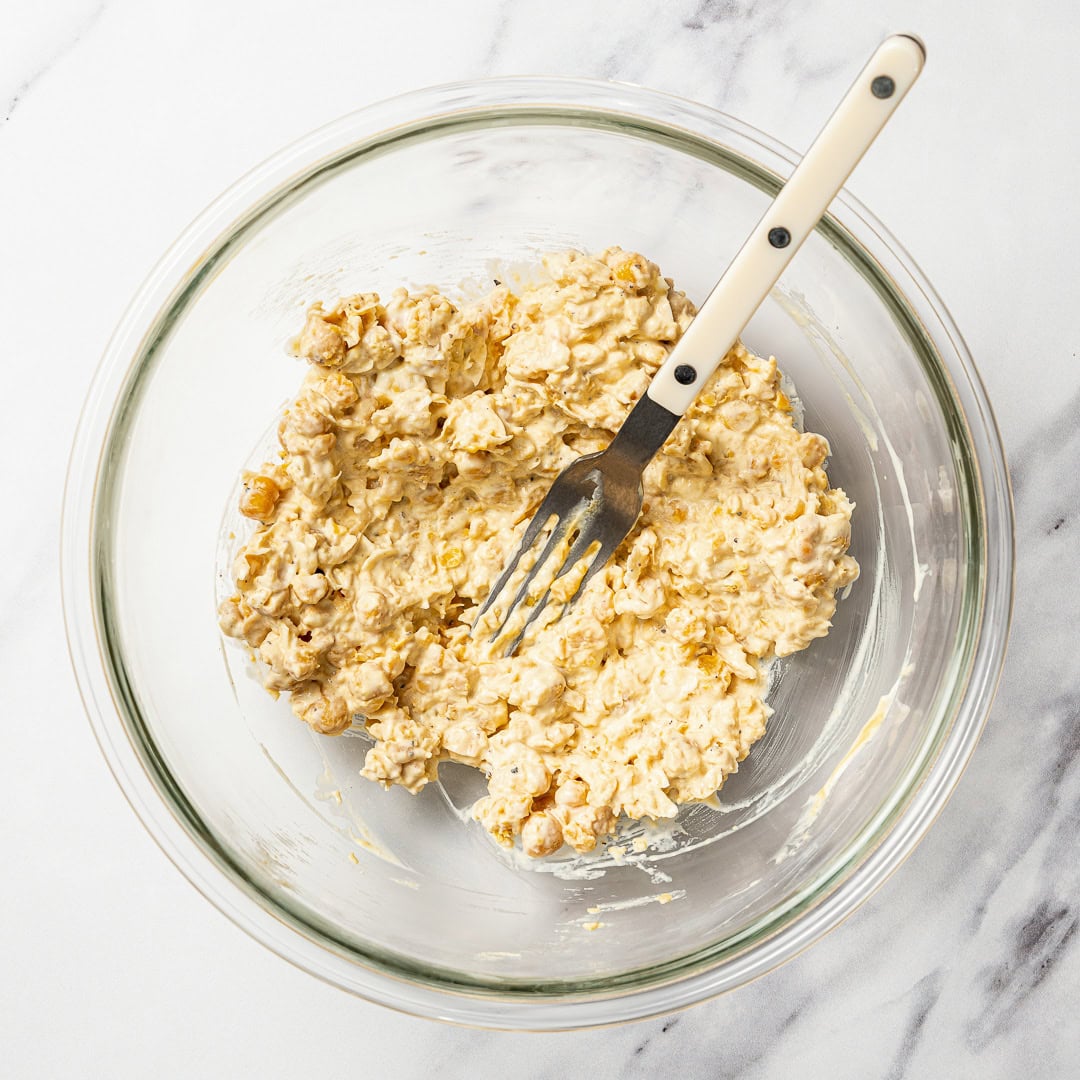
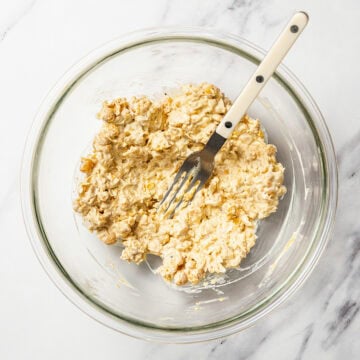
- Mashing the Chickpeas: The first step usually involves draining and rinsing canned chickpeas, followed by mashing them in a bowl. A fork is often employed for this task, achieving a texture that is neither completely smooth nor entirely whole, thus retaining a pleasing bite. This manual approach underscores the recipe’s accessibility, requiring no specialized equipment.
- Incorporating Flavorings: Once the chickpeas are mashed to the desired consistency, the wet ingredients – vegan mayonnaise, Dijon mustard, and lemon juice – are added. These are thoroughly mixed into the chickpea base, ensuring an even distribution of flavor.
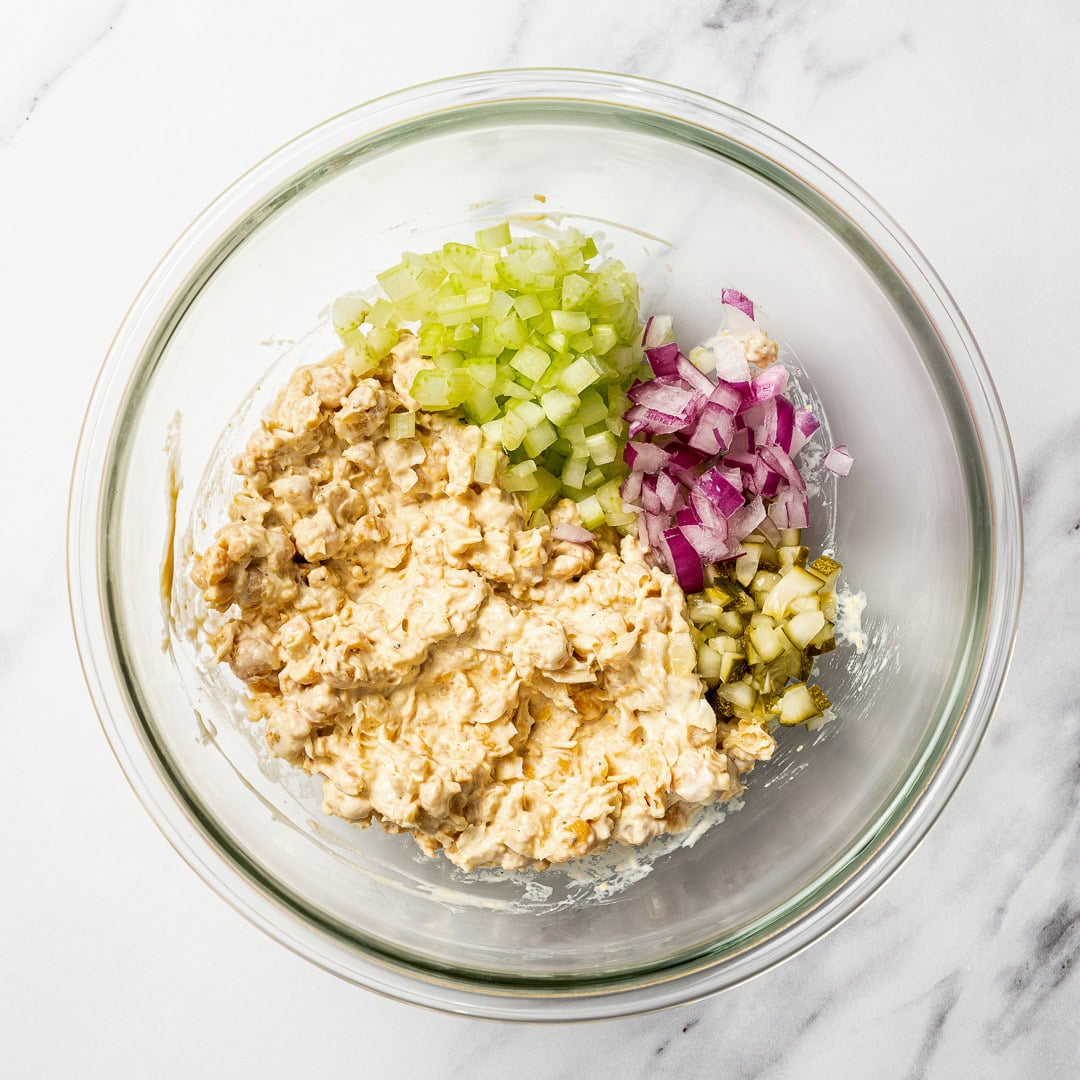
- Adding Texture Elements: If chosen, finely chopped vegetables such as celery, red onion, or pickles are then folded into the mixture. This stage allows for personal preference to dictate the final texture and flavor profile.
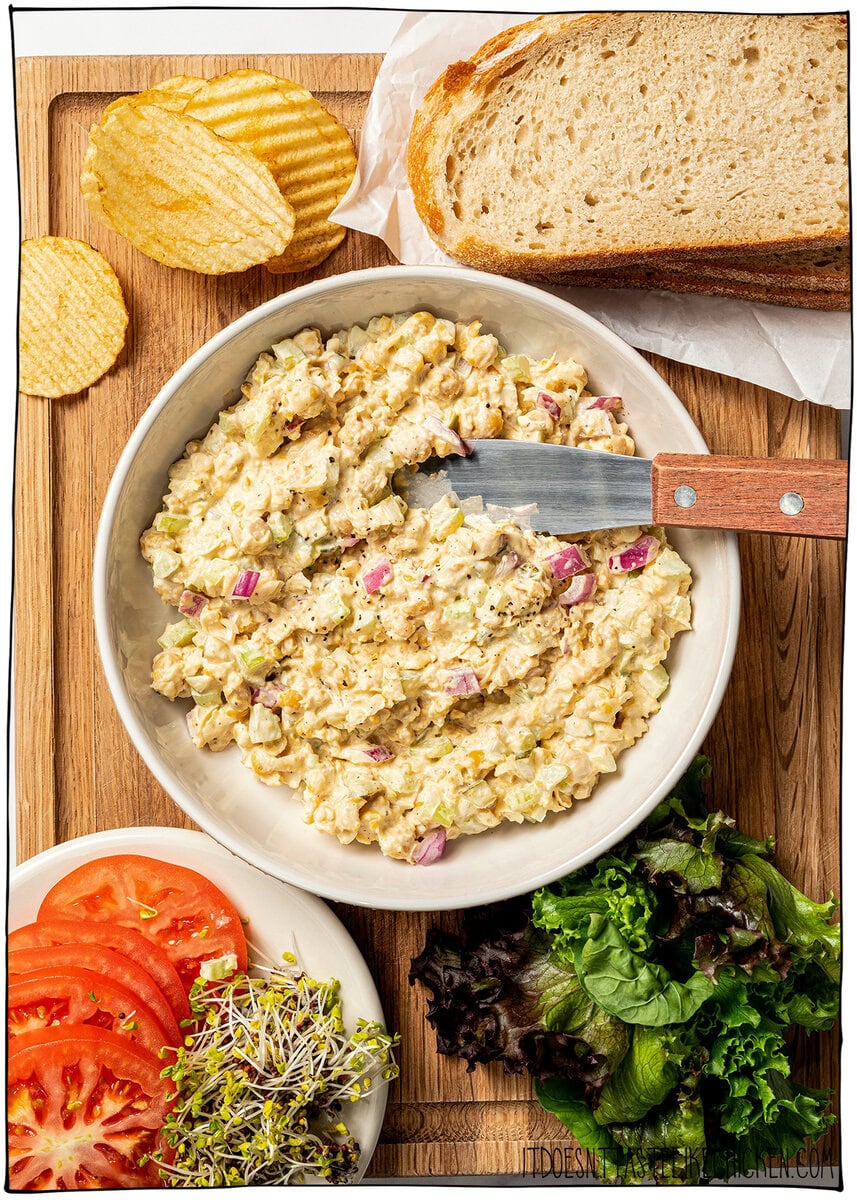
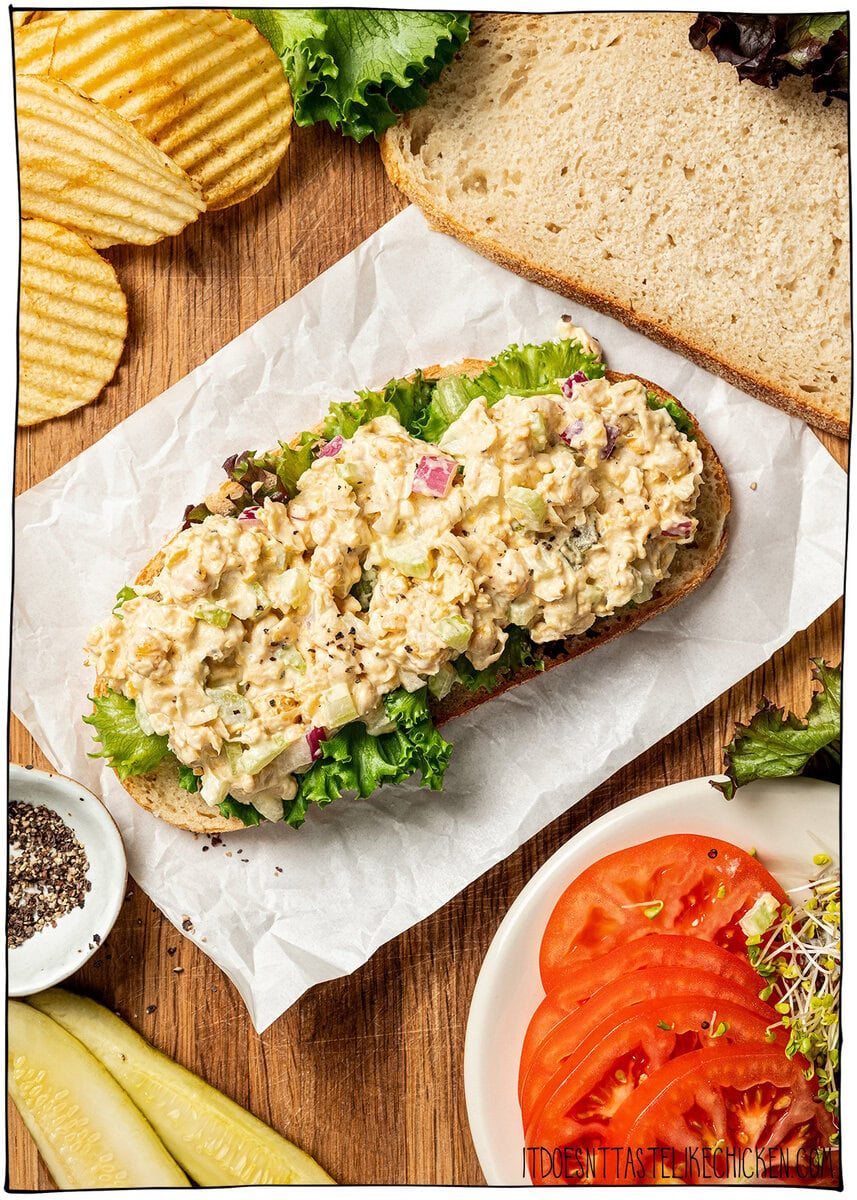
- Seasoning and Serving: The salad is typically seasoned with salt and pepper to taste. It is then ready to be served, most commonly on slices of bread, but also as a filling for wraps, served atop salads, or enjoyed with crackers.
The entire process, from opening a can of chickpeas to assembling the finished sandwich, can realistically be completed in under 10 minutes, a testament to its efficiency.
Nutritional Profile and Health Benefits
From a nutritional standpoint, the chickpea salad sandwich offers several advantages. Chickpeas are a rich source of plant-based protein and dietary fiber, both of which are essential for satiety, digestive health, and blood sugar regulation. A typical serving of chickpeas can provide a significant portion of the daily recommended fiber intake, aiding in weight management and reducing the risk of chronic diseases.
The use of vegan mayonnaise as a binder contributes healthy fats, depending on the specific brand and its ingredients. Opting for mayonnaise made with healthier oils, such as avocado or olive oil, can further enhance the nutritional value. Lemon juice adds a dose of Vitamin C, an important antioxidant that supports immune function.
While the exact nutritional breakdown can vary based on ingredient choices and portion sizes, a standard chickpea salad sandwich is generally considered a relatively healthy meal option. For instance, a recipe yielding approximately 3-4 sandwiches, with a serving size of one sandwich, can contain around 394 calories, 14g of fat, 10g of fiber, and 14g of protein. These figures position it as a balanced choice, particularly when compared to more processed or calorie-dense lunch options.
Adaptations and Variations
The inherent versatility of the chickpea salad sandwich is one of its most compelling attributes, allowing for numerous adaptations to suit diverse dietary needs and flavor preferences.
- Oil-Free Option: For those seeking to reduce oil intake, vegan mayonnaise can be substituted with plain unsweetened plant-based yogurt, blended silken tofu, or mashed avocado. While avocado may impart a green hue, it offers a creamy texture and healthy fats. These alternatives, while potentially altering the final creaminess, still deliver a delicious and satisfying result.
- Gluten-Free Adaptation: Individuals managing gluten intolerance or celiac disease can easily enjoy this sandwich by opting for gluten-free bread or serving the chickpea salad in lettuce wraps. This ensures the dish remains accessible to a wider audience.
- Flavor Enhancements: Beyond the standard additions, adventurous eaters can experiment with a variety of other ingredients. Finely chopped herbs like parsley or cilantro can introduce a fresh, aromatic element. A pinch of smoked paprika can add a subtle smokiness, while a dash of hot sauce can provide a spicy kick. Other popular additions include chopped bell peppers for sweetness and crunch, or capers for a salty, briny flavor.
- Serving Versatility: The chickpea salad is not limited to being a sandwich filling. It can be served in numerous other ways, expanding its utility:
- As a dip: Serve with a variety of crackers, pita bread, or vegetable sticks.
- On a salad: Spoon a generous portion onto a bed of fresh greens for a hearty salad.
- In wraps or pitas: A convenient and portable option for on-the-go meals.
- Stuffed in bell peppers or avocados: Offers a unique and visually appealing presentation.
Meal Prep and Storage Guidelines
The chickpea salad sandwich is an excellent candidate for meal preparation, a strategy that has gained significant traction among individuals aiming to streamline their weekly routines and maintain healthy eating habits. Its ability to be made ahead of time significantly contributes to its appeal.
- Make-Ahead Potential: The chickpea salad mixture can be prepared several hours or even a day in advance. In fact, many proponents suggest that the flavors meld and deepen when allowed to sit, resulting in an even more delicious outcome. This makes it an ideal candidate for weekend meal prep sessions.
- Storage Recommendations: To maintain optimal freshness, it is recommended to store the chickpea salad in an airtight container in the refrigerator. Properly stored, it can remain fresh for up to four days. For the best sandwich experience, it is advisable to assemble the sandwiches just before serving to prevent the bread from becoming soggy. This means storing the chickpea salad filling separately from the bread or other serving vehicles. A quick stir before assembly is usually all that’s needed to reincorporate any separated ingredients.
Broader Implications and Consumer Trends
The widespread adoption and enduring popularity of the chickpea salad sandwich reflect several key consumer trends in the modern food landscape. Firstly, it underscores the demand for convenient, quick, and easy meal solutions that do not sacrifice nutritional value or taste. In an era characterized by busy lifestyles, recipes that require minimal time and effort are highly valued.
Secondly, it signifies the growing acceptance and integration of plant-based ingredients into mainstream diets. The chickpea salad sandwich is a prime example of how legumes can effectively replace animal-based proteins in familiar dishes, offering a sustainable and ethical alternative that appeals to both vegans and omnivores alike. This trend suggests a broader culinary shift towards greater inclusivity and dietary flexibility.
Furthermore, the adaptability of the recipe, allowing for numerous variations and customizations, speaks to a consumer desire for personalized food experiences. Whether it’s an oil-free option, a gluten-free preparation, or the incorporation of unique flavor enhancers, the chickpea salad sandwich can be tailored to meet individual needs and preferences, reinforcing its status as a truly accessible and adaptable culinary creation. The ease with which it can be prepared and its inherent health benefits position it as a continuing favorite in the evolving world of convenient and conscious eating.