Nutritional Profile and Culinary Evolution
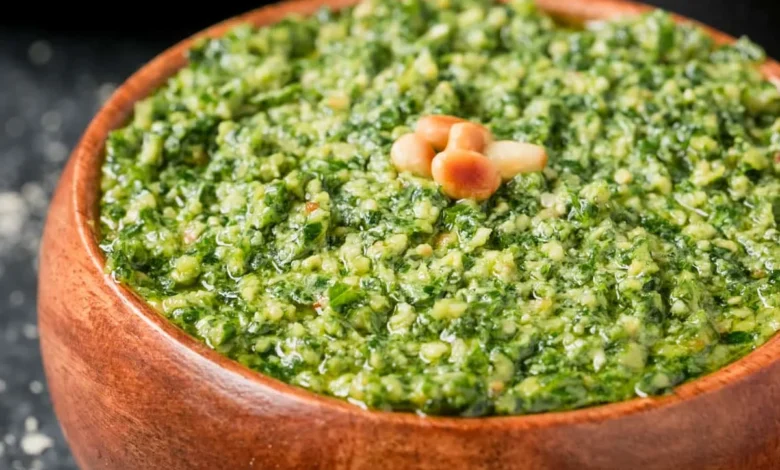
The evolution of pesto—historically defined by the Genoese pesto alla genovese—has undergone significant adaptation in recent years to accommodate shifting consumer preferences toward vegan and plant-based diets. While traditional recipes rely heavily on basil, pine nuts, olive oil, garlic, and hard cheeses like Pecorino or Parmesan, contemporary versions have pivoted to utilize nutrient-dense greens such as kale.

From a nutritional perspective, kale is recognized as a "superfood," offering high concentrations of Vitamin K, Vitamin C, and beta-carotene. By replacing dairy-based cheese with nutritional yeast, this recipe maintains a savory flavor profile while significantly reducing saturated fat content and eliminating cholesterol. A standard serving of this vegan kale pesto contains approximately 183 calories, with 17 grams of healthy fats derived primarily from olive oil and pine nuts, and 4 grams of plant-based protein. The addition of Dijon mustard acts as an emulsifier and provides a subtle, acidic sharpness that counteracts the inherent earthiness of the kale.

Standardized Preparation and Methodological Workflow
The preparation process for this pesto is designed for efficiency and consistency. The procedure is summarized in a five-step chronological workflow:

- Acidification of Aromatics: The process commences by soaking minced garlic in fresh lemon juice. This step, often referred to as "macerating," neutralizes the harsh, sulfurous bite of raw garlic, resulting in a more mellow and integrated flavor profile.
- Toasting of Lipids: Pine nuts are introduced to a heated skillet and toasted until they reach a golden-brown hue. This thermal process releases the natural oils within the nuts, enhancing their nuttiness and creating a more aromatic foundation for the sauce.
- Mechanical Emulsification: The kale—stripped of its tough, fibrous stems—is combined with the prepared garlic, toasted pine nuts, and nutritional yeast within a high-speed food processor.
- Oil Integration: As the machine processes the ingredients, extra-virgin olive oil is drizzled in a steady stream. This technique is critical for the formation of an emulsion, which transforms the mixture from a coarse paste into a smooth, cohesive, and vibrant green sauce.
- Refinement: The process concludes with a manual scraping of the processor’s interior walls to ensure all particles are incorporated, followed by a final pulse to achieve the desired consistency.
Broader Implications for Plant-Based Consumption
The rising popularity of kale-based sauces reflects a broader trend in the food industry: the "veggie-forward" movement. As food costs fluctuate and supply chain transparency becomes a priority for consumers, the ability to utilize hardy, shelf-stable greens like kale provides a practical solution for home cooks.

Market analysis indicates that the demand for vegan condiments has grown by over 15% annually since 2020. This shift is not solely driven by dietary restrictions but by an increased awareness of the environmental impact of dairy production. By adopting plant-based alternatives like this pesto, households can reduce their reliance on animal-derived products, contributing to a lower carbon footprint in their daily culinary practices.

Versatility and Industrial Utility
Beyond its primary use as a pasta sauce, this vegan kale pesto serves as a multifunctional ingredient. Its application ranges from a sophisticated spread for artisan breads, such as ciabatta or sourdough, to a flavor-enhancing base for vegan pizza. Furthermore, the inclusion of lemon juice and olive oil allows it to function effectively as a salad dressing or a finishing element for roasted vegetables.

In a professional kitchen setting, the ability to produce this in bulk and store it effectively is a major advantage. When housed in an airtight container, the sauce maintains its organoleptic properties for up to seven days in refrigerated conditions. For longer-term storage, the pesto is highly compatible with freezing; when kept at or below zero degrees Fahrenheit, it remains viable for up to three months without significant loss of texture or color.

Strategic Storage and Quality Assurance
To maintain the integrity of the sauce, specific storage protocols are recommended. The oxidation process—which turns the bright green of the kale into a dull, brownish color—can be minimized by ensuring the surface of the pesto is covered with a thin layer of olive oil before sealing the container. This creates an airtight barrier that preserves the vibrancy of the chlorophyll and prevents the development of "off" flavors associated with oxidation.

For individuals with dietary sensitivities, this recipe is inherently gluten-free and soy-free, provided that the chosen pasta or bread pairings are selected accordingly. The absence of tree nuts (if pine nuts are replaced with sunflower seeds or hemp hearts) also allows this recipe to be easily modified for allergy-conscious environments, such as schools or institutional dining facilities.

Future Perspectives in Vegan Culinary Arts
As the culinary landscape continues to innovate, the focus is shifting toward "functional foods"—dishes that provide not just caloric sustenance but also health-promoting properties. The vegan kale pesto acts as a prime example of this synthesis. It is a dish that aligns with the requirements of the modern consumer: it is fast, affordable, environmentally sustainable, and nutritionally dense.

As more home cooks and professional chefs incorporate such plant-based staples into their repertoires, the distinction between "vegan" cuisine and "standard" cuisine continues to blur. The acceptance of such recipes into the mainstream suggests that the future of home cooking will be increasingly defined by ingredients that offer both high flavor impact and positive long-term health outcomes. By mastering simple, efficient techniques for creating such condiments, the average household can improve their dietary quality while maintaining the convenience necessary for a modern, fast-paced lifestyle.