The Rise of Nutrient-Dense Meal Prep
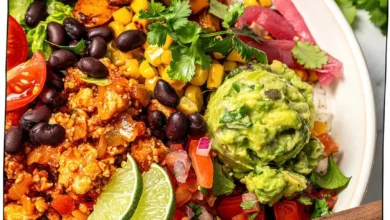
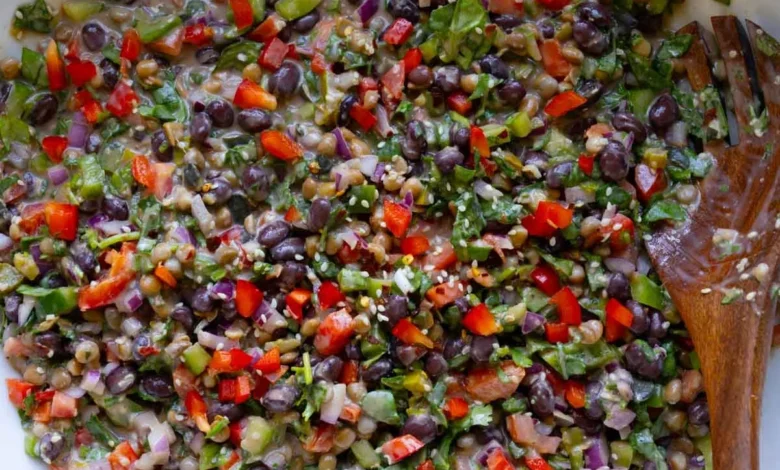
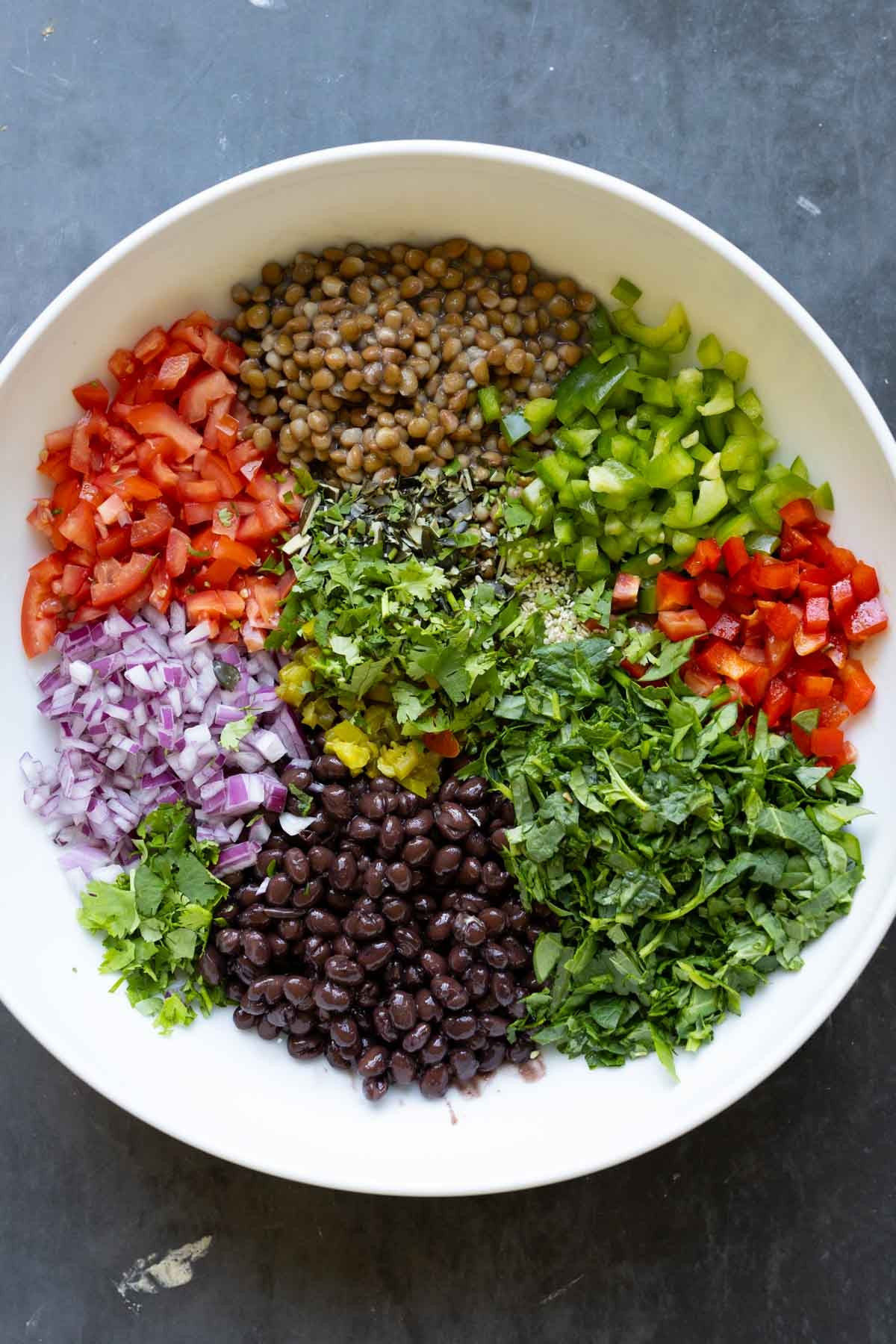
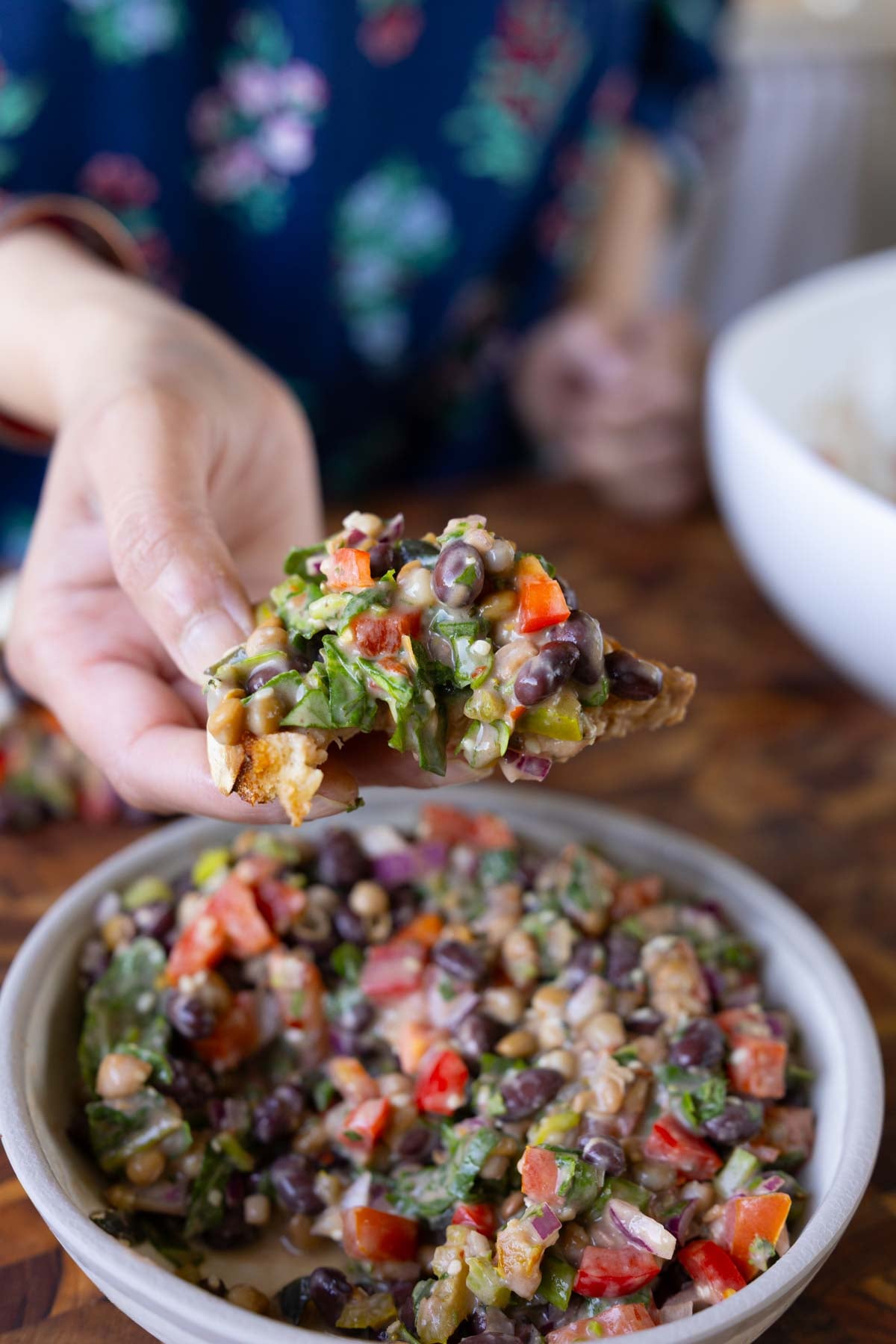
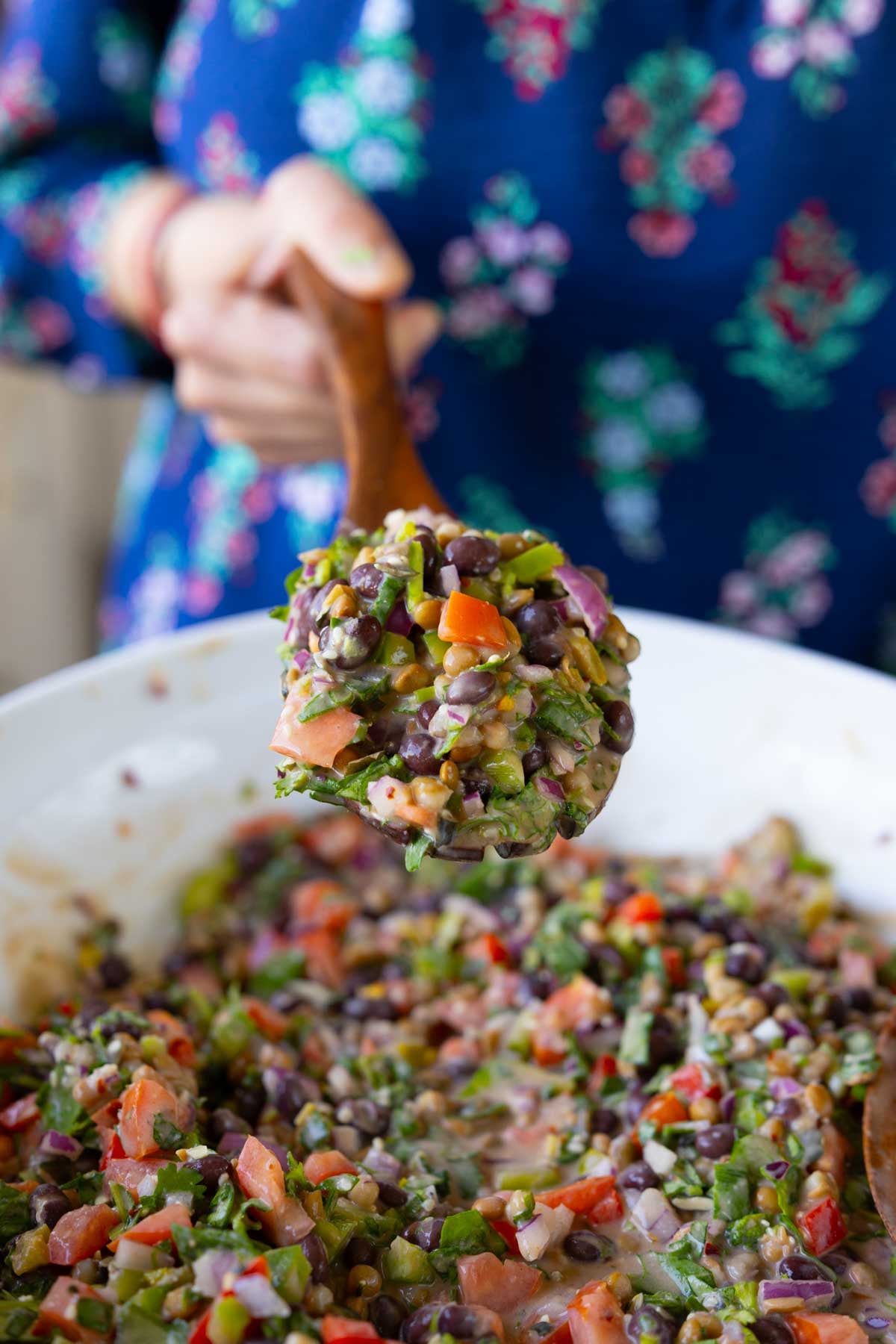
In recent years, the concept of the "dense bean salad" has transitioned from niche social media trend to a staple in wellness-focused kitchens. The fundamental principle of this dish is the systematic combination of high-fiber legumes—such as black beans and lentils—with a diverse array of chopped vegetables and seeds. By creating a uniform texture where ingredients are diced to a similar size, the salad ensures a balanced intake of nutrients in every spoonful.
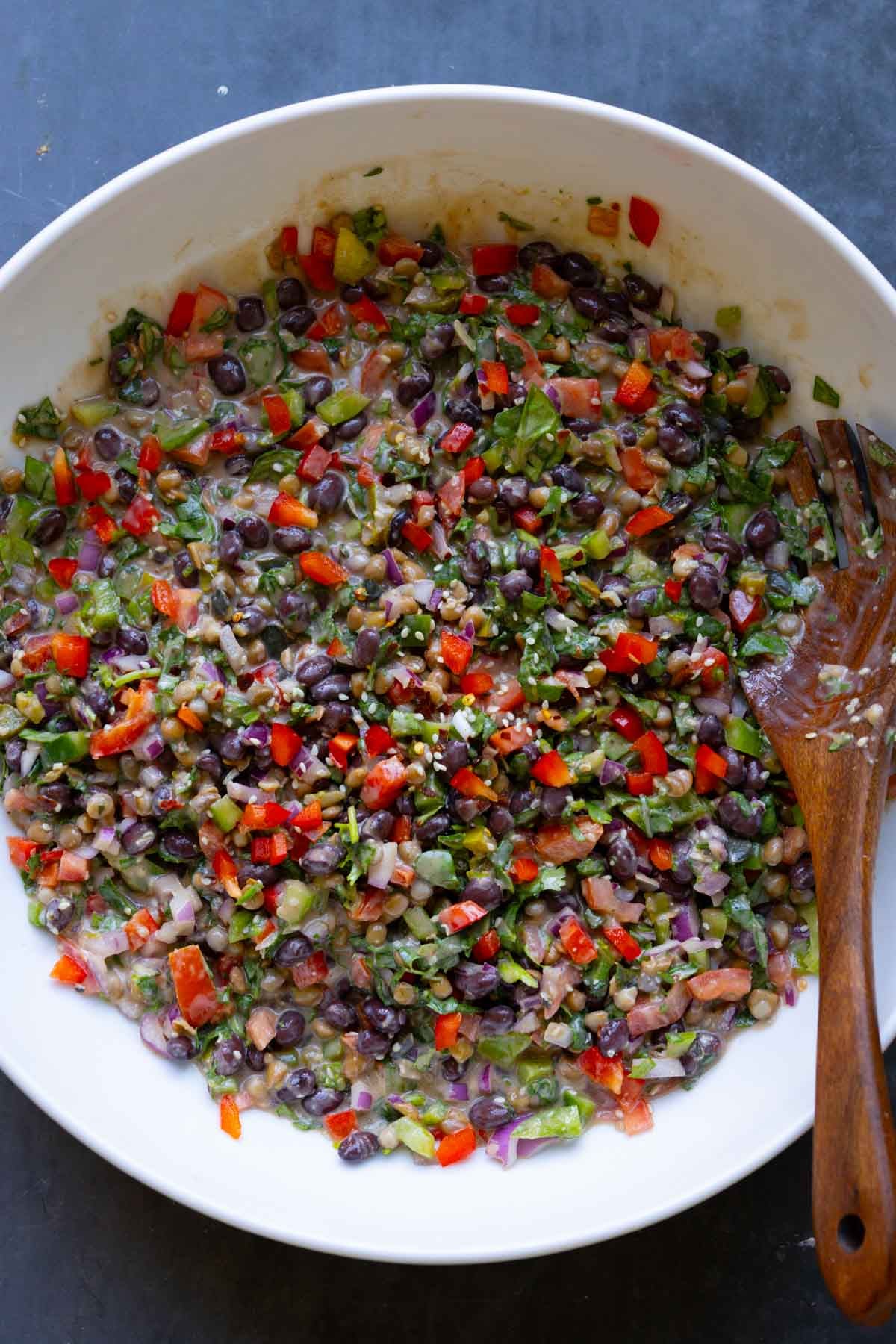
From a nutritional perspective, the salad provides a robust profile: approximately 17 grams of plant-based protein and 14 grams of dietary fiber per serving. When prepared in bulk, a single bowl can yield over 65 grams of protein and 50 grams of fiber, positioning it as a highly efficient source of sustained energy. The inclusion of omega-3 fatty acids via hemp and pumpkin seeds, coupled with iron and zinc from the legumes, offers a comprehensive nutritional package that aligns with anti-inflammatory dietary patterns recommended by many health organizations.
Nutritional Composition and Health Implications
The efficacy of this salad lies in the synergy of its components. The body’s ability to absorb non-heme iron—found in plant sources like beans and lentils—is significantly enhanced by the presence of Vitamin C. By incorporating fresh tomatoes, peppers, and lemon juice into the recipe, the dish maximizes iron bioavailability.
Furthermore, the integration of a creamy, lemon-based yogurt dressing serves a functional purpose beyond flavor. Yogurt, particularly when using non-dairy alternatives like blended silken tofu or cashew cream, provides the necessary acidity to break down the complex starches in the beans while adding a probiotic-rich element to the meal. This combination of fiber, healthy fats, and high-quality protein helps stabilize blood glucose levels, potentially reducing the likelihood of mid-afternoon energy crashes.
Chronology of Preparation and Culinary Versatility
The preparation process is characterized by its simplicity, requiring no active cooking if pre-cooked or canned legumes are utilized. The standard methodology follows a four-stage process:
- Preparation of Legumes: The base consists of rinsed and drained black beans and cooked lentils. For those preferring to prepare from scratch, the process involves soaking dried beans overnight to ensure optimal texture, followed by a controlled boil or pressure cooking cycle—typically 20 minutes in an Instant Pot or one hour on the stovetop.
- Vegetable Processing: The "density" of the salad is achieved by finely chopping vegetables into uniform, bean-sized pieces. This technique ensures that the dressing coats the surface area of every ingredient evenly.
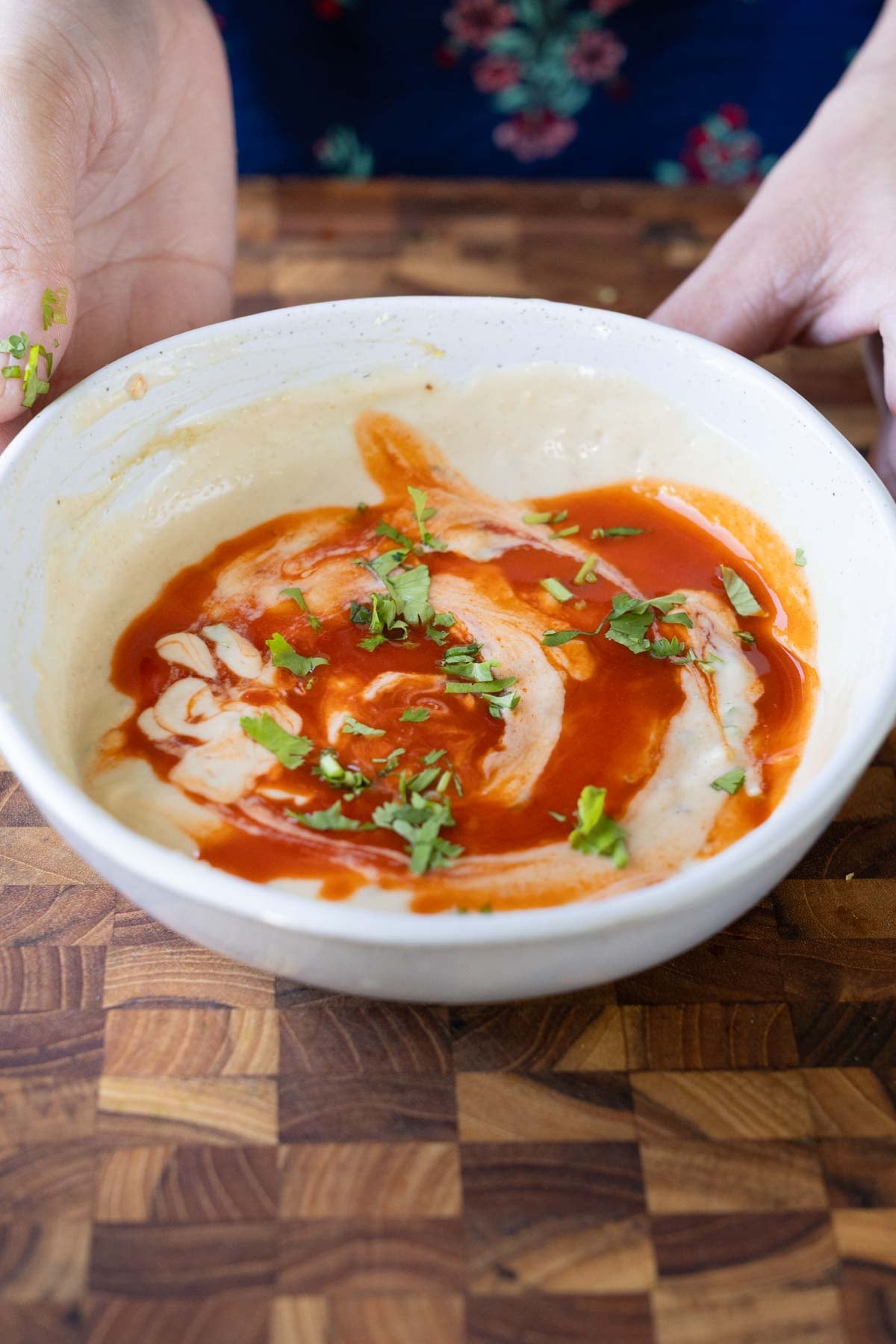
- Emulsification: The dressing is prepared by blending yogurt with lemon zest, juice, and optional seasonings, such as Worcestershire sauce or a soy-based substitute. The dressing is designed to be swirled with hot sauce or chili oil to add a nuanced heat profile.
- Maceration: A critical step in the assembly is the resting period. The salad requires a minimum of one hour of refrigeration to allow the legumes to absorb the moisture and flavor from the dressing. Culinary experts note that the flavor profile actually improves over 24 to 48 hours as the ingredients macerate.
Adaptability and Dietary Inclusivity
The recipe is inherently versatile, allowing for significant modifications based on dietary restrictions or personal preference. It is naturally gluten-free and can be easily adapted to be soy-free or nut-free by substituting specific components in the dressing or selecting alternative seed toppings.
For instance, the use of Worcestershire sauce, which often contains anchovies or gluten, can be substituted with a combination of soy sauce and maple syrup to maintain the umami depth required for the dressing. Similarly, the use of non-dairy yogurt can be swapped for blended white beans or hemp seeds, which provides a creamy consistency without the need for traditional dairy or high-allergen ingredients.
Broader Economic and Environmental Impact
The popularity of the dense bean salad reflects a broader shift toward "conscious consumption." Legumes are among the most cost-effective protein sources available, making this dish a cornerstone for households looking to mitigate the rising costs of groceries. Unlike meat-centric meal prep, which can be susceptible to price volatility and requires specific food safety handling, this bean-based alternative is both shelf-stable and resilient.
Environmentally, the emphasis on legumes is significant. Beans are nitrogen-fixing crops, meaning they improve soil health and require significantly less water to produce than animal-derived proteins. As consumers become more cognizant of the carbon footprint associated with their diets, the transition toward legume-heavy meals is expected to persist as a long-term dietary trend.
Expert Analysis of Future Culinary Trends
Food industry analysts suggest that the "dense salad" category is poised for continued growth. By prioritizing satiety through high-fiber content, these meals address the primary consumer pain point: hunger management. Unlike leafy salads that may leave the consumer unsatisfied, the dense bean salad acts as a comprehensive meal replacement.
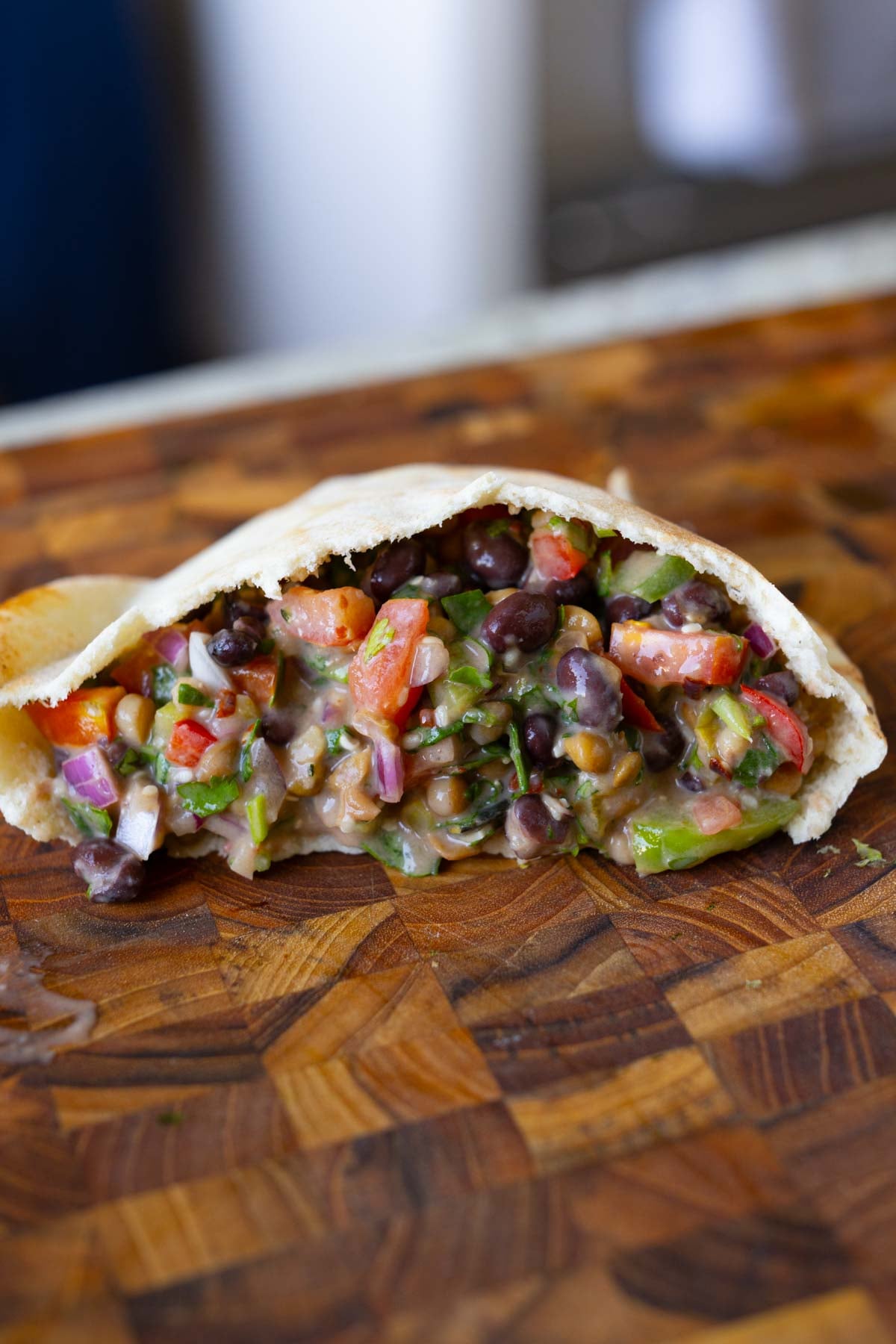
The versatility of serving suggestions—ranging from pairing with sourdough and garlic bread to using the salad as a filling for tacos or pita pockets—demonstrates its utility as a foundational recipe. It functions not just as a salad, but as a "base" ingredient that can be repurposed throughout the week, reducing food waste and simplifying kitchen labor.
In conclusion, the anti-inflammatory dense bean salad represents the intersection of accessibility, health, and sustainability. As culinary habits evolve toward more efficient, nutrient-dense formats, this dish serves as a blueprint for how simple, plant-based staples can be elevated into a robust, flavorful, and nutritionally complete dietary regimen. Whether adopted for its health benefits or its economic value, the model of the dense bean salad offers a practical solution for the modern, time-conscious, and health-oriented consumer.