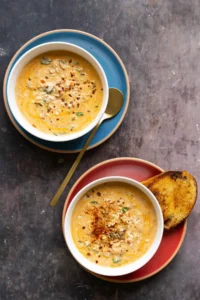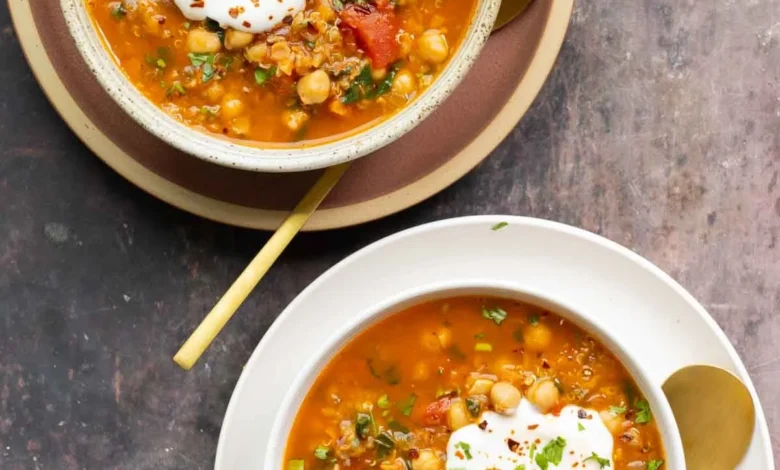
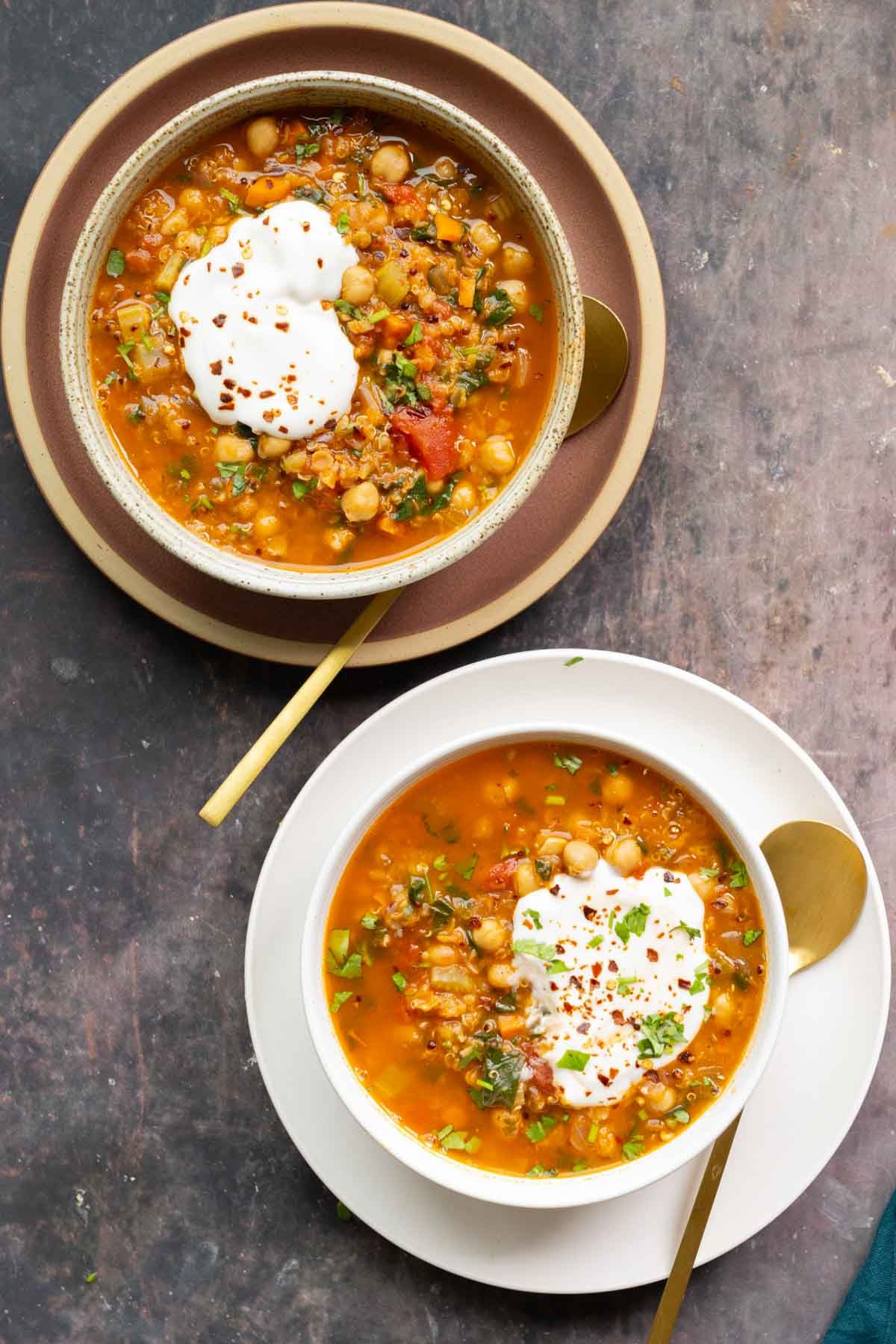
The culinary landscape of North Africa is defined by dishes that balance complex spice profiles with high-density nutritional value, and Harira stands as a quintessential example of this tradition. Traditionally served during the month of Ramadan to break the fast, this Moroccan staple has evolved into a global symbol of plant-based sustenance. A newly refined recipe for a one-pot, vegan-friendly iteration of Harira offers a modern approach to this historical dish, emphasizing efficiency, cost-effectiveness, and significant dietary benefits without sacrificing the authentic, smoky flavor profile that has made the soup a staple in Maghreb cuisine for centuries.
Historical Context and Culinary Significance
Harira is more than just a soup in Moroccan culture; it is a cultural institution. Historically, its preparation varies from region to region, often dictated by the availability of seasonal ingredients and family heritage. The foundation of the soup typically involves a tomato-based broth infused with a precise blend of warming spices—most notably ginger, cinnamon, and cumin—and a thick, hearty base of legumes.
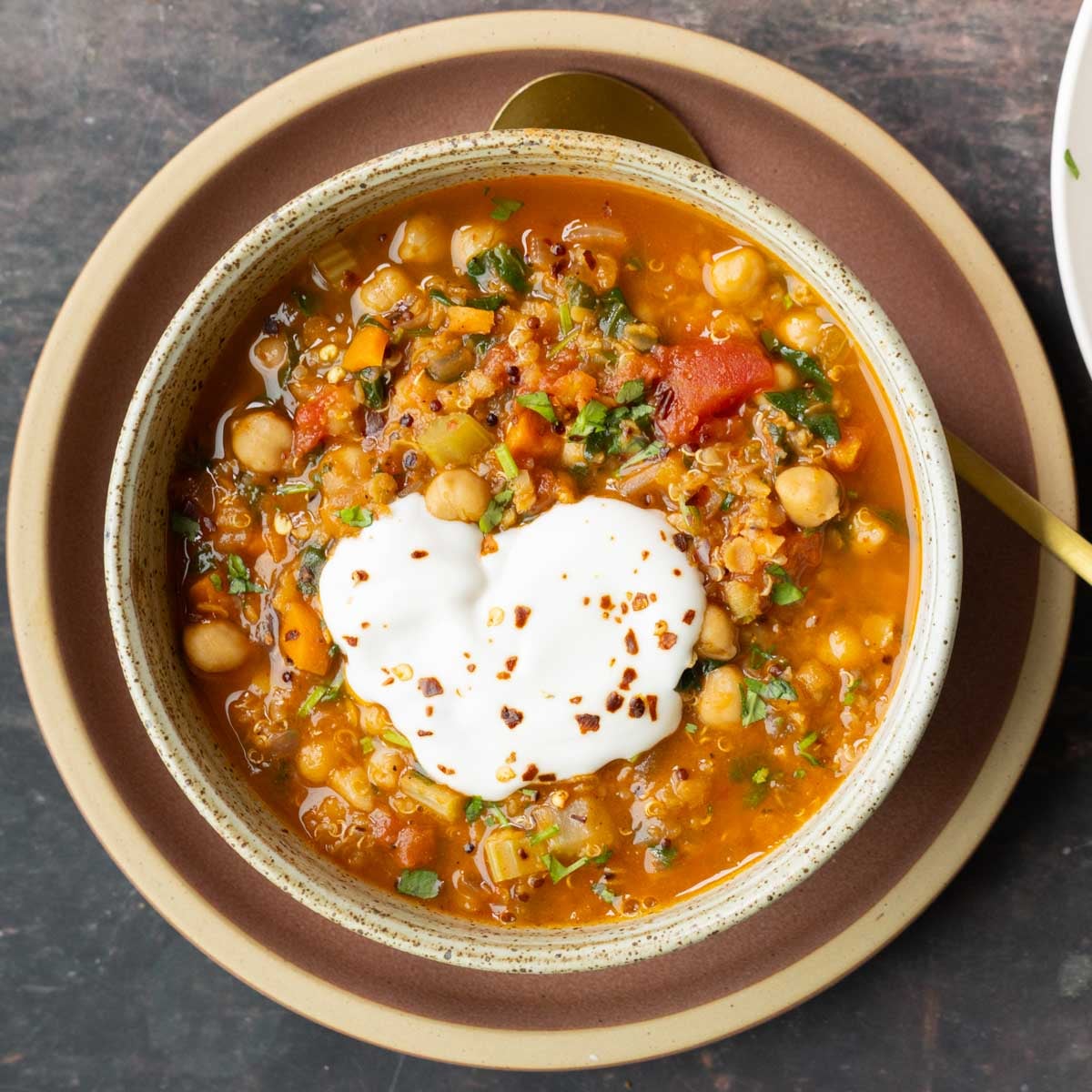
The transition of Harira into Western home kitchens has been marked by a shift toward more accessible ingredients. By integrating red lentils, chickpeas, and quinoa, the modern iteration of this dish provides a complete protein profile, catering to the growing demographic of health-conscious and plant-based consumers. This evolution maintains the essential integrity of the soup while addressing contemporary needs for "one-pot" meal preparation, which minimizes cleanup and maximizes nutrient retention.
Nutritional Profile and Dietary Analysis
The nutritional density of this specific preparation is notable for its efficiency in providing essential macronutrients and micronutrients. A single serving delivers approximately 21 grams of protein and 21 grams of dietary fiber, positioning it as a high-satiety meal that supports digestive health and blood sugar regulation.
Data regarding the micronutrient content of the dish reveals a substantial contribution to daily requirements:
- Iron: Each serving contains approximately 8 mg, which is critical for oxygen transport and energy metabolism.
- Potassium: With 1,387 mg per serving, the dish aids in fluid balance and nerve function.
- Vitamin Content: The inclusion of tomatoes and fresh greens provides significant levels of Vitamin C and Vitamin A (8,293 IU), supporting immune function and ocular health.
From a clinical perspective, the reliance on plant-based proteins such as lentils and chickpeas serves as an effective strategy for reducing cholesterol levels and heart disease risk, as these ingredients are naturally devoid of the saturated fats found in animal-based protein sources.
Economic and Sustainability Implications
In an era of rising food costs, the economic accessibility of traditional, plant-forward meals is a subject of significant interest. The cost-to-nutrient ratio of this Harira recipe is highly competitive, with the total cost for a full pot of soup estimated between $6.50 and $7.00. This places the meal at approximately $2.00 to $2.30 per serving, making it an economically viable option for households seeking to manage food budgets without compromising on nutritional quality.
Furthermore, the environmental footprint of this meal is significantly lower than that of meat-based alternatives. By utilizing pantry staples—canned tomatoes, dried lentils, chickpeas, and quinoa—the dish promotes a reduction in supply chain complexity and carbon emissions associated with large-scale animal agriculture. The shift toward such "pantry-friendly" recipes reflects a broader trend in sustainable consumption patterns.
Preparation Chronology and Methodological Efficiency
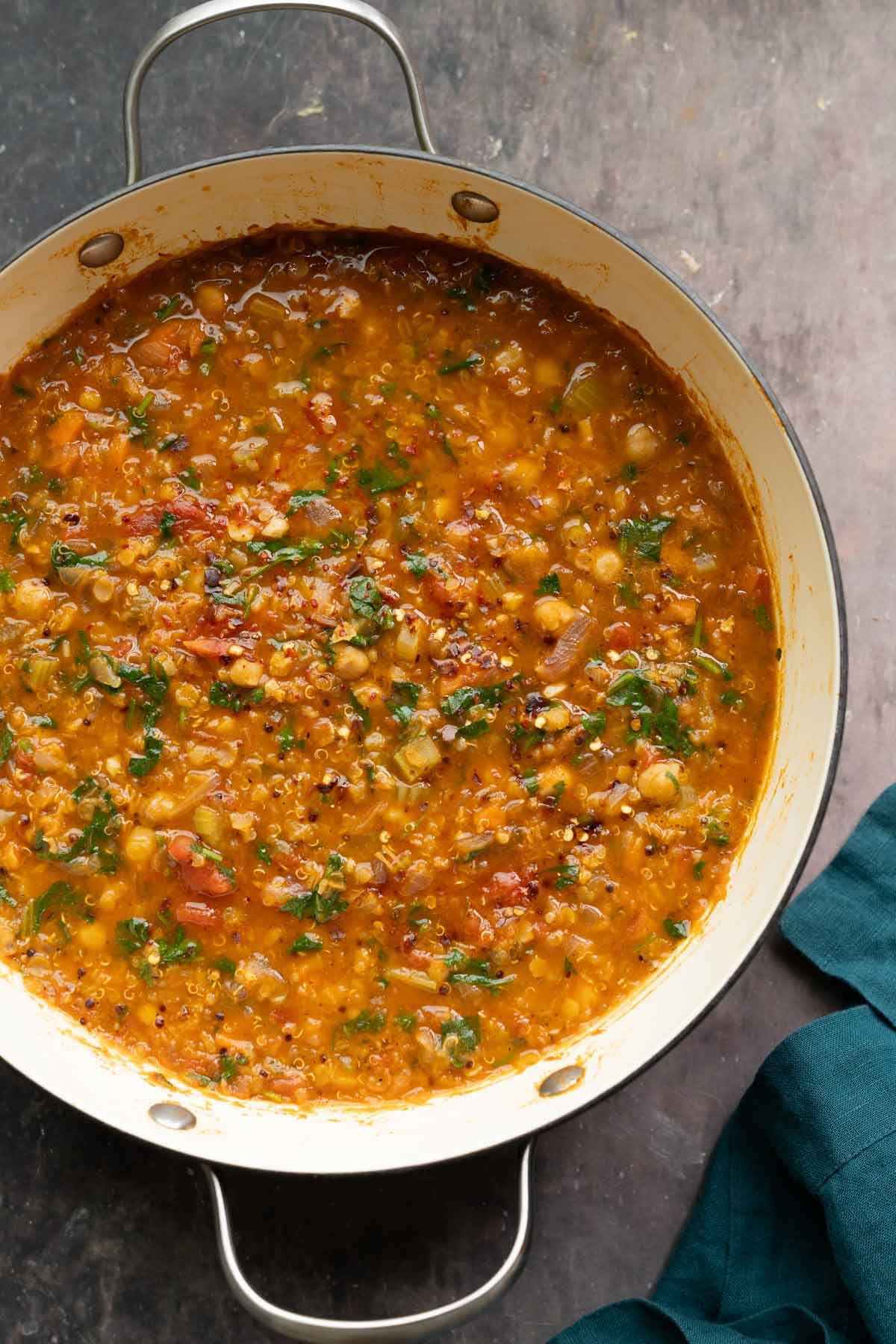
The efficiency of this one-pot method is facilitated by a structured preparation sequence that ensures the development of deep, roasted flavors in a fraction of the time usually required for traditional simmering.
- Aromatic Foundation (Minutes 0–7): The process begins with the gentle sweating of garlic, onions, celery, and carrots. The objective is to achieve translucency and initial caramelization, which creates the flavor base for the soup.
- Spice Infusion (Minutes 7–12): The addition of ginger, tomato paste, and spices is a critical stage. Toasting these ingredients briefly helps release fat-soluble flavor compounds, ensuring that the broth achieves a "roasted" complexity.
- Simmering Phase (Minutes 12–35): Once the liquid, lentils, chickpeas, and quinoa are introduced, the soup enters a rapid simmer. Because red lentils and quinoa cook relatively quickly, the entire base reaches a cooked state within 20 to 25 minutes.
- Finishing Touches (Minutes 35–40): The final stage involves incorporating fresh cilantro, spinach, and lemon juice. These additions provide essential brightness and acidity, which balances the earthy profile of the legumes.
Strategic Adaptation for Modern Kitchens
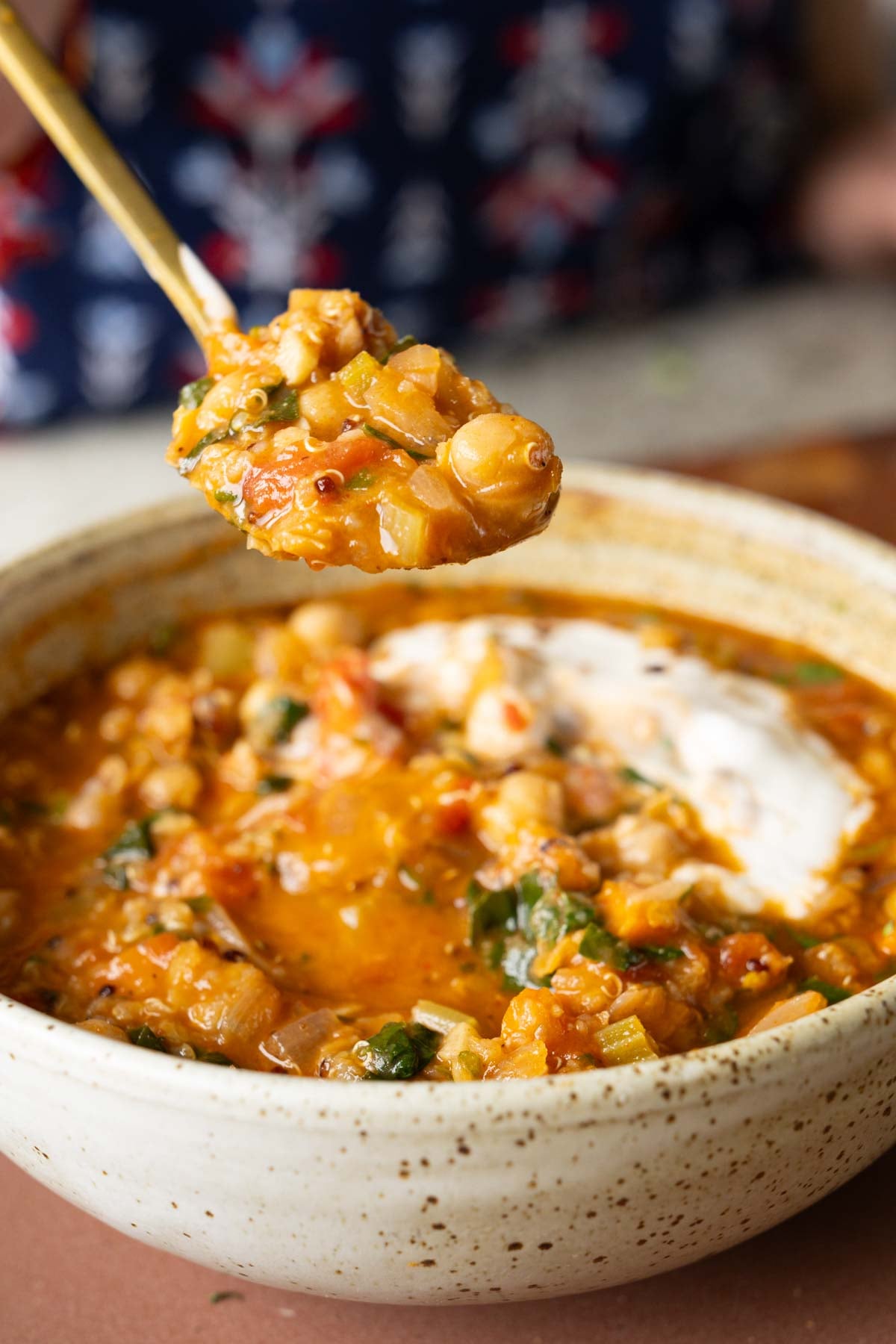
For those adhering to specific dietary requirements, the versatility of the Harira recipe is a primary asset. By design, the soup is gluten-free, soy-free, and nut-free. The inclusion of quinoa serves a dual purpose: it acts as a thickening agent that provides texture while ensuring the soup remains suitable for those with celiac disease or gluten sensitivities.
The "oil-free" adaptation, which involves dry-toasting the aromatics and using vegetable stock for deglazing, demonstrates the flexibility of the recipe for individuals managing conditions such as hypertension or cardiovascular issues that require strict fat and sodium control. Furthermore, the use of an Instant Pot—which involves pressure cooking for only three minutes—highlights the adaptability of the dish to high-speed, modern lifestyles.
Broader Impact and Industry Trends
The popularity of nutrient-dense, plant-based soups like Harira is part of a larger, global shift in consumer behavior toward "functional nutrition." This is the movement toward foods that provide medicinal or health-promoting benefits beyond basic caloric intake.
Industry analysts suggest that the rise of such recipes is linked to the increased availability of information regarding the "Blue Zones"—regions where residents are known to live significantly longer, often on plant-heavy diets. The combination of legumes and grains found in this Moroccan-inspired dish mirrors the dietary patterns of these longevity-focused populations.
As households continue to grapple with the economic pressures of food inflation, recipes that utilize high-protein, low-cost staples are likely to see increased adoption. The ability to prepare this meal in bulk—storing it for up to four days in a refrigerator or freezing it for long-term use—aligns with the "meal prep" movement, which is currently a dominant force in home-cooking trends.
Conclusion
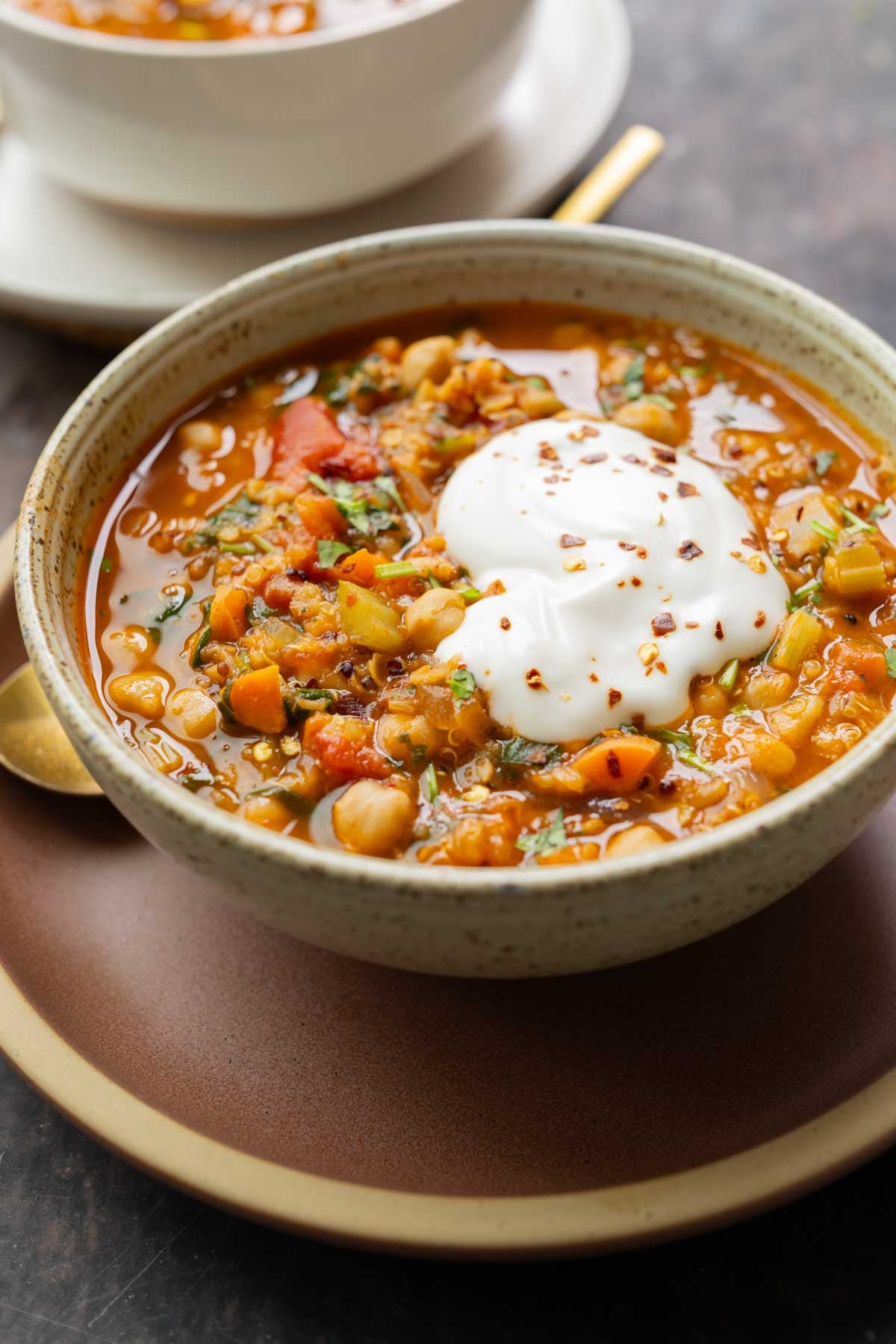
The resurgence of Harira as a staple in the modern, health-conscious home is a testament to the enduring value of traditional recipes. By re-engineering the preparation to fit contemporary, high-speed, and health-focused requirements, this one-pot meal offers a rare combination of cultural authenticity, economic efficiency, and high-performance nutrition. As consumer interest in sustainable and budget-friendly eating continues to grow, dishes like this will likely remain at the forefront of dietary innovation, bridging the gap between historical heritage and the nutritional demands of the 21st century.