The Rise of Plant-Based Comfort Cuisine
In recent years, the culinary landscape has undergone a significant transformation driven by a move toward plant-based nutrition. Market research indicates that a growing percentage of the global population is actively seeking ways to reduce their intake of refined carbohydrates and animal products. The adaptation of classic comfort foods, such as macaroni and cheese, is a strategic response to this trend. By substituting pasta with cruciferous vegetables, home cooks and professional chefs alike have managed to retain the texture and flavor profiles synonymous with comfort while enhancing the nutritional value of the meal.

The nutritional profile of cauliflower is a primary driver behind its popularity in modern diets. Cauliflower is rich in vitamins C, K, and B6, as well as essential minerals like potassium and magnesium. Furthermore, it is significantly lower in glycemic load compared to traditional semolina pasta, making it an attractive option for those managing blood sugar levels or seeking weight management solutions. When combined with a sophisticated vegan "cheese" sauce—often crafted from blended potatoes, onions, nutritional yeast, and various plant-based fats—the result is a dish that mimics the mouthfeel and satiety of traditional dairy-based equivalents.

Culinary Methodology and Preparation
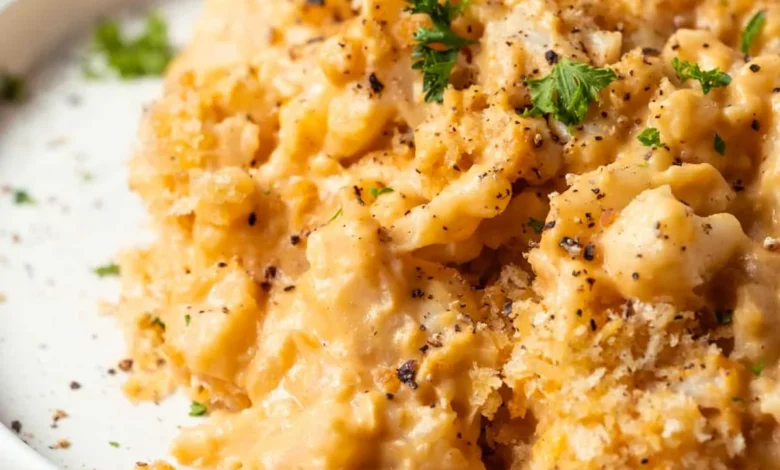
The preparation of vegan cauliflower mac and cheese involves a precise culinary process designed to maximize texture. Unlike traditional pasta, which requires boiling to reach an al dente state, cauliflower must be handled with care to avoid excessive moisture. Standard industry practice for this dish involves either steaming or roasting the florets. Roasting, in particular, introduces a Maillard reaction, which deepens the flavor of the cauliflower, providing a nutty undertone that pairs effectively with savory sauces.

The sauce, which is the cornerstone of the dish, typically utilizes a technique involving emulsification. By boiling potatoes—often starchy varieties like Yukon Gold—alongside aromatics like onions and garlic, a base is formed that, when blended, creates a silky, viscous texture. This emulsion is then seasoned with nutritional yeast, a staple in vegan cooking that provides a naturally savory, "cheesy" flavor without the need for dairy enzymes. The final assembly involves coating the roasted florets in this sauce and finishing with a crisp topping, such as panko breadcrumbs or toasted almond flour, to replicate the texture of a baked casserole.

Data-Driven Nutritional Analysis
A comparative analysis between traditional macaroni and cheese and the cauliflower-based variant reveals distinct nutritional differences. A standard serving of traditional dairy-based mac and cheese often exceeds 400 calories and contains high levels of saturated fats and refined carbohydrates. Conversely, the vegan cauliflower iteration, as noted in recent nutritional breakdowns, typically contains approximately 219 calories per serving.

The fiber content is another critical differentiator. Traditional pasta provides limited dietary fiber, whereas cauliflower provides approximately 6 grams of fiber per serving, contributing to improved digestive health and sustained satiety. The reduction in sodium—often a byproduct of processed cheese powders—is another factor that health-conscious consumers find appealing. By utilizing whole-food ingredients like potatoes and onions for the sauce base rather than synthetic stabilizers or oils, the dish aligns with clean-label dietary trends.

The Gluten-Free and Allergen-Friendly Movement
Beyond the shift to plant-based eating, the rise of gluten-free, allergy-aware cooking has propelled the popularity of cauliflower-based dishes. For individuals with Celiac disease or gluten sensitivity, traditional pasta is an inherent source of dietary stress. Substituting cauliflower removes the need for gluten-containing binders or starches.

To maintain the integrity of the dish for those with specific dietary restrictions, alternative ingredients are frequently utilized. For instance, replacing soy sauce with liquid aminos or tamari allows for a gluten-free savory profile. Furthermore, the breadcrumb topping can be substituted with gluten-free alternatives or even a sprinkle of crushed, nut-based crumbles, ensuring that the dish remains inclusive for diverse dietary requirements without compromising the final result.

Industry Implications and Market Impact
The widespread adoption of vegetable-based pasta alternatives has caught the attention of both home cooks and the food manufacturing industry. Large-scale retailers have noted a marked increase in the sales of cauliflower-based products, ranging from frozen riced cauliflower to pre-made veggie-based pasta sauces. This trend suggests a permanent change in consumer purchasing patterns rather than a passing fad.

Food scientists and chefs are currently exploring how to further refine the texture of these vegetable-based bases to better mimic the elasticity of gluten. While the current home-kitchen approach to cauliflower mac and cheese relies on simple roasting and blending, future advancements in food technology may see the emergence of processed vegetable-based "pastas" that offer an even more realistic mimicry of traditional flour-based products.

Sustainability and Environmental Considerations
A compelling argument for the popularity of this dish is its environmental footprint. Animal-based dairy production is a significant contributor to greenhouse gas emissions and land use. By opting for plant-based alternatives, consumers are participating in a lower-impact food system. Cauliflower is a relatively water-efficient crop compared to dairy production, and the ingredients required for the sauce are primarily earth-grown crops. As sustainability becomes a core pillar for the modern consumer, the "veggie-fication" of classic dishes serves as a tangible way to align personal consumption with environmental stewardship.

Conclusion
The evolution of vegan cauliflower mac and cheese from a niche health-food experiment to a mainstream comfort dish underscores a broader societal commitment to health, inclusivity, and environmental responsibility. By leveraging the natural properties of vegetables to replicate the sensory satisfaction of traditional comfort foods, this dish demonstrates that dietary restrictions need not be synonymous with a lack of flavor or culinary joy. As more individuals continue to experiment with plant-based ingredients, it is likely that dishes of this nature will continue to be refined, eventually becoming staples in the modern culinary repertoire. Whether for the health benefits, the allergen-friendly profile, or the commitment to sustainable living, this dish represents a successful intersection of tradition and modern dietary progress.