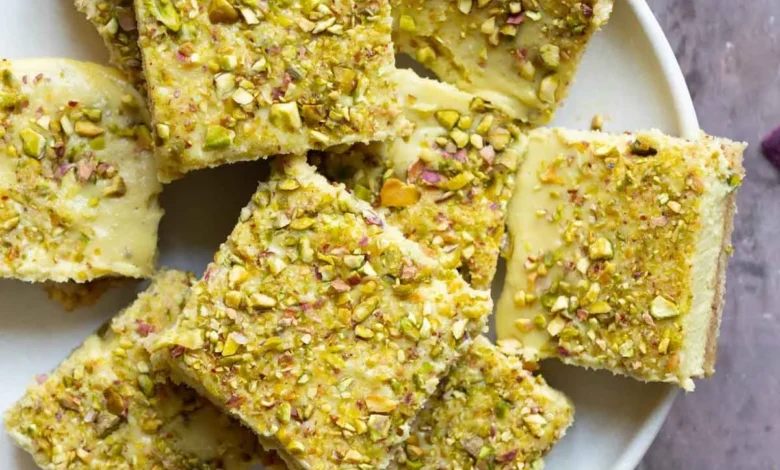
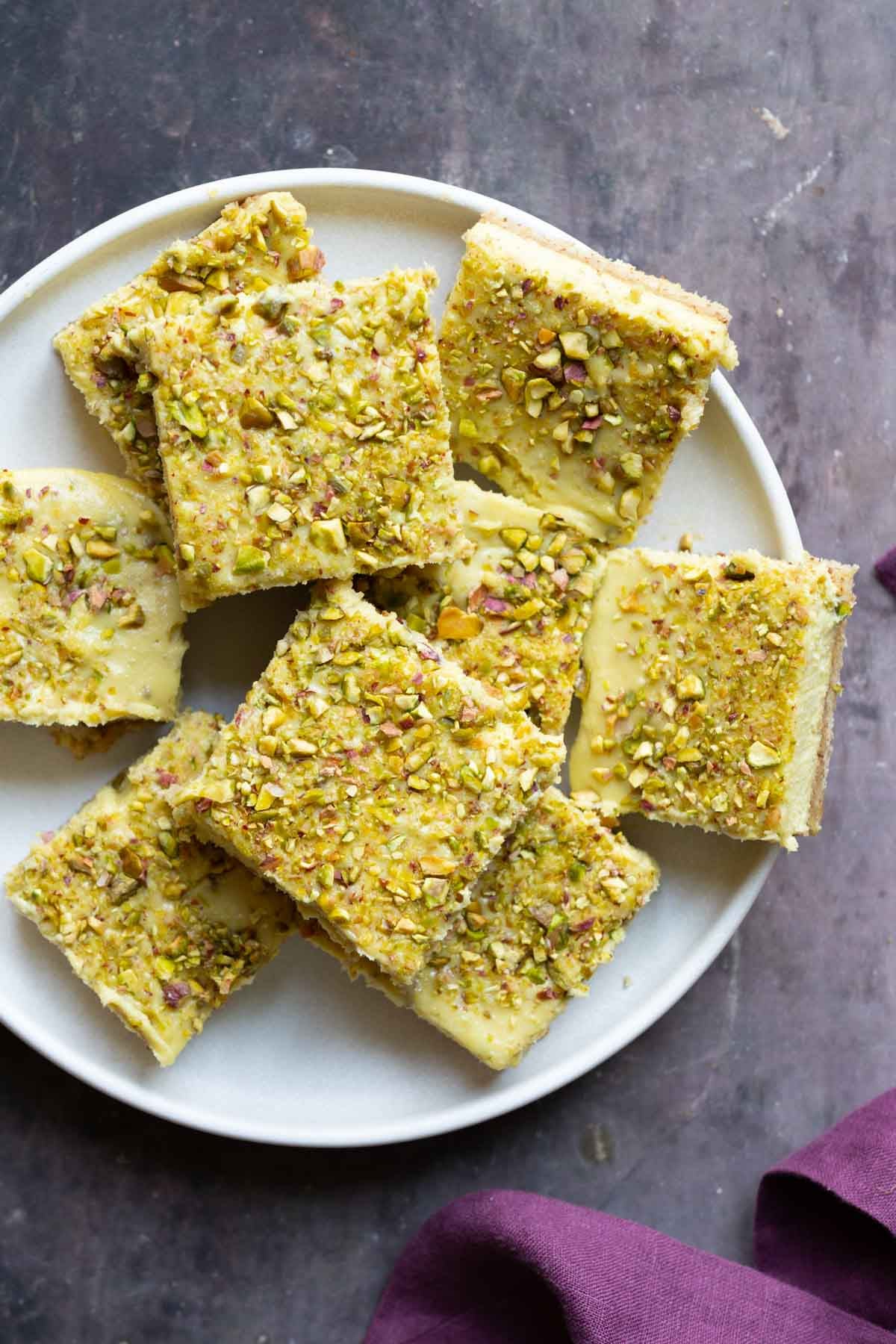
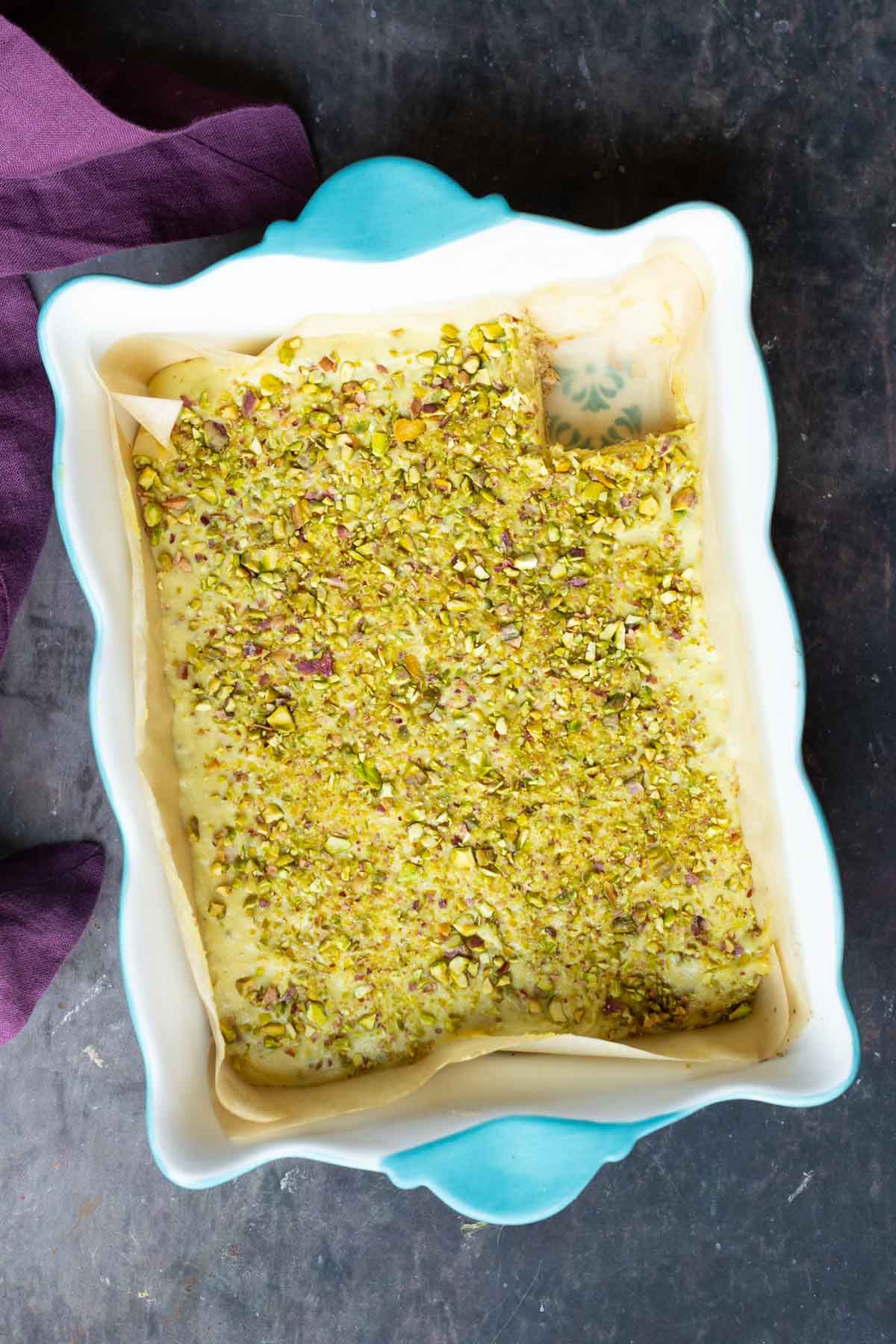
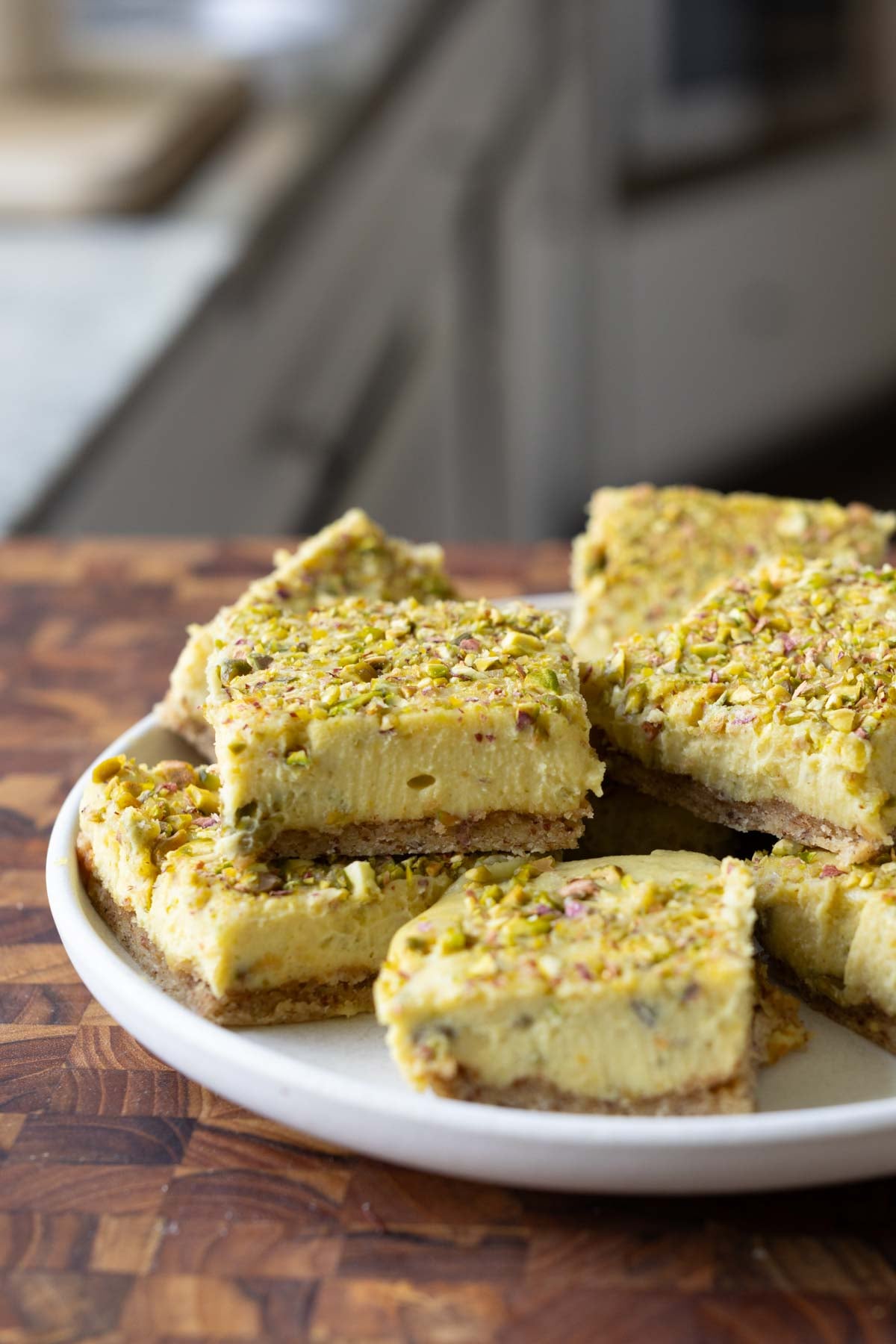
The Kesar Pista bar, a fusion dessert that reimagines classic Indian sweets like Kesar Burfi and Ladoo, has emerged as a significant development in the vegan baking sector. By utilizing a base of almond flour and a cream layer derived from nutrient-dense cashews and coconut milk, this recipe serves as a case study in replacing dairy fats with plant-derived alternatives without compromising on the textural integrity required for traditional confections.
Historical Context and Culinary Evolution
The term "Kesar" refers to saffron, a spice derived from the Crocus sativus flower, which has been prized in South Asian and Middle Eastern cultures for millennia. Historically, saffron was used in royal kitchens to impart a distinct golden hue and a complex, floral aroma to desserts. "Pista," or the pistachio nut, serves as the structural and flavor backbone for many traditional sweets, providing a distinct earthiness that balances the floral notes of the saffron.
Traditionally, Indian mithai (sweets) relies heavily on dairy—specifically milk solids (khoa) and ghee—to achieve the necessary density and richness. The transition toward a vegan, gluten-free, and soy-free version of these treats reflects a broader shift in consumer demographics. Modern consumers, particularly those in the diaspora, are increasingly seeking to reconcile their cultural culinary traditions with dietary requirements such as lactose intolerance, gluten sensitivity, and ethical plant-based lifestyle choices.
Composition and Nutritional Profile
The nutritional profile of the Kesar Pista bar deviates significantly from traditional sugar-heavy Indian sweets. By shifting the protein source to almonds and cashews, each bar provides approximately 7 grams of protein. This is a notable shift from conventional desserts, which often offer high carbohydrate counts with minimal protein or micronutrient density.
Data from the recipe formulation indicates a composition of 21 grams of fat, derived primarily from plant-based sources like coconut and nuts, and 26 grams of carbohydrates. The inclusion of cardamom, a spice known for its digestive properties in Ayurvedic traditions, adds a layer of functionality beyond mere flavor. The reliance on maple syrup as a sweetener further differentiates this product from conventional recipes that typically use refined white sugar, providing a lower glycemic impact, although still classified as an added sugar.
Technical Preparation and Scaling
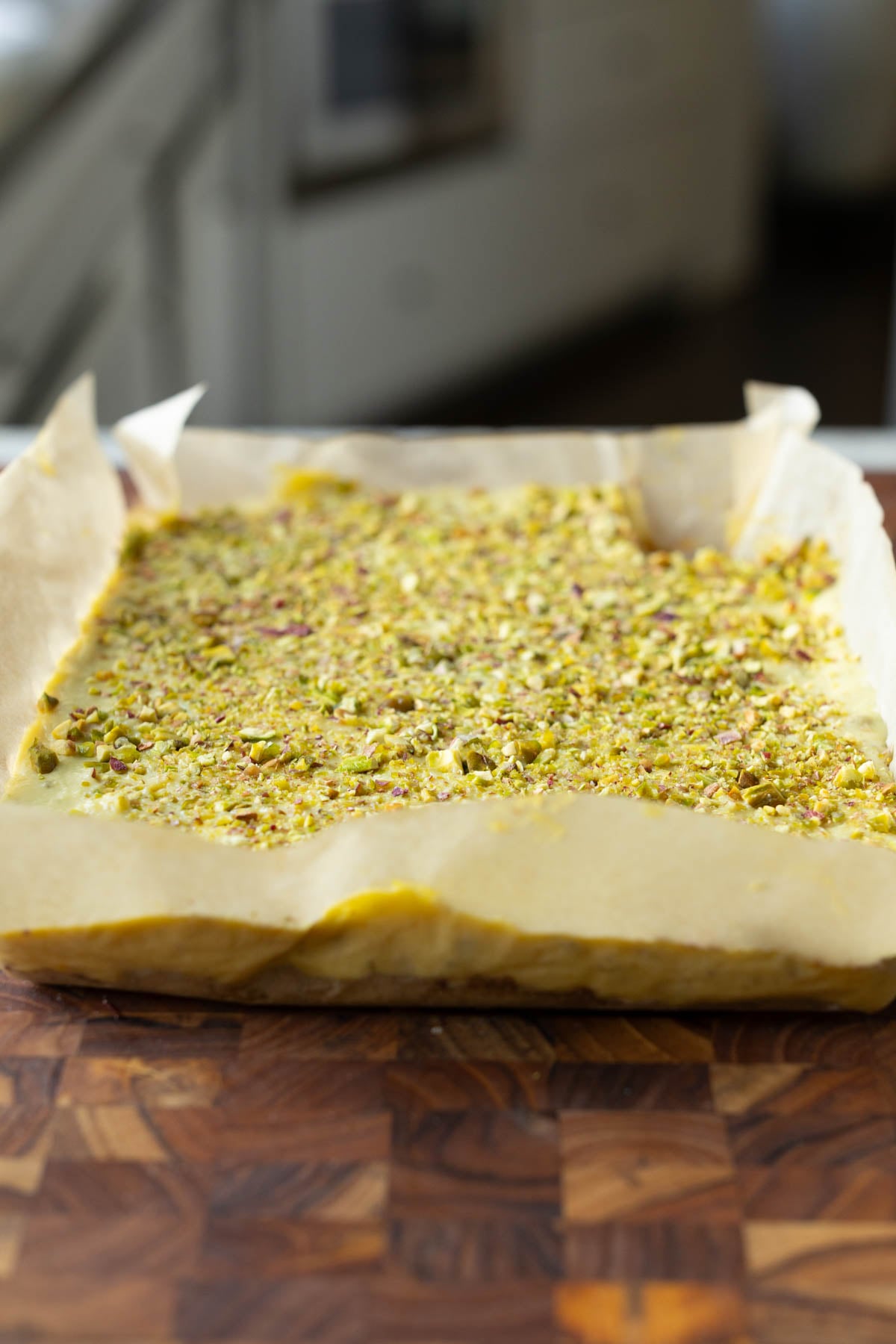
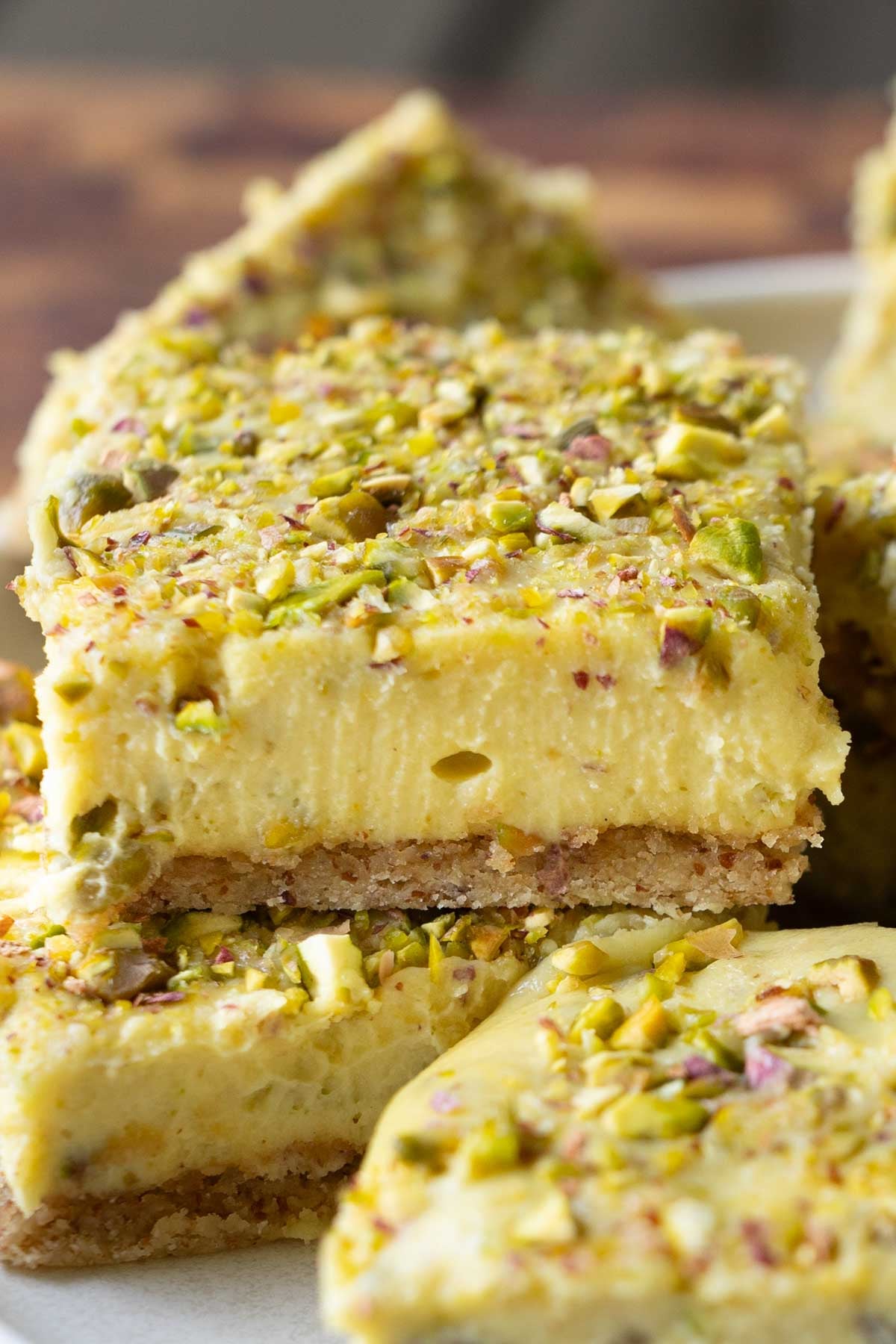
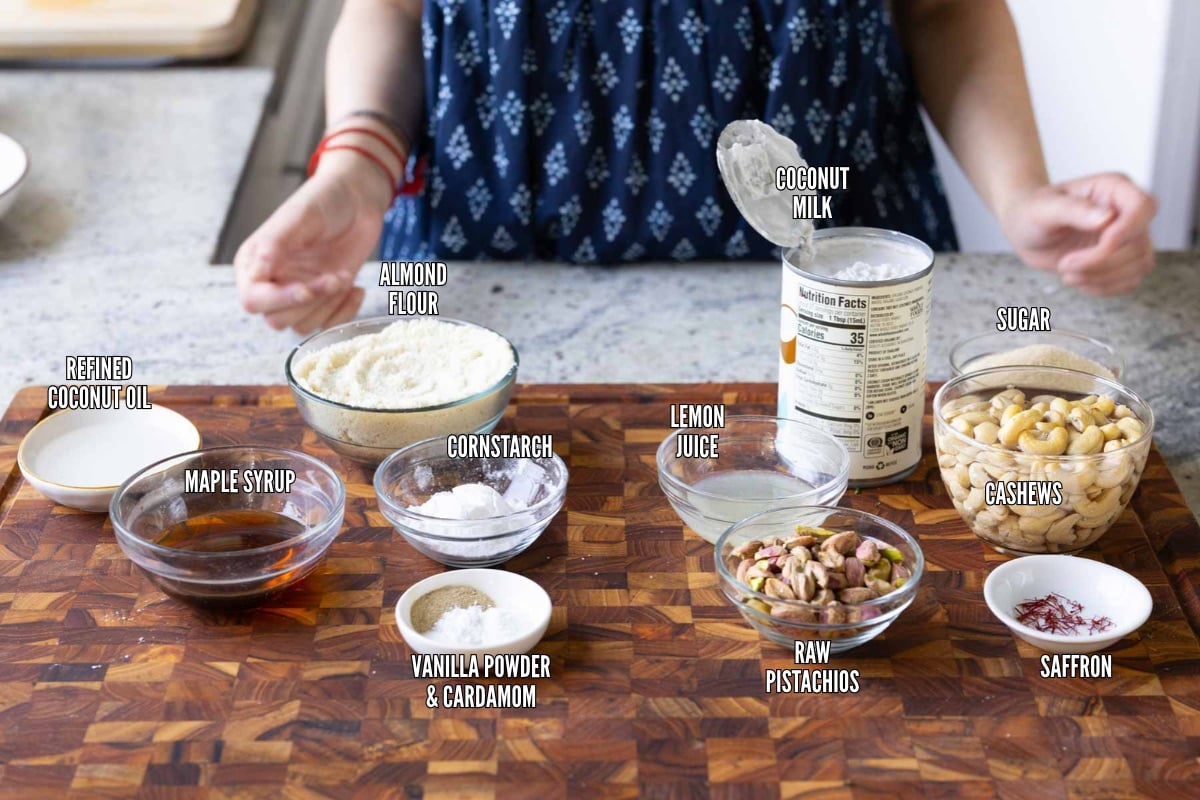
The production process for these bars involves a two-stage culinary technique that mimics professional pastry methods. The crust is constructed from almond flour, tapioca starch, and coconut oil. This specific combination is essential for structural stability in a gluten-free environment; the tapioca starch acts as a binding agent that replaces the elasticity provided by wheat gluten.
The "saffron cream" layer, which forms the centerpiece of the dessert, requires a precise emulsification process. The activation of saffron—a critical step that involves soaking the threads in warm, non-dairy milk—is necessary to extract the safranal and crocin compounds that give the spice its characteristic flavor and color. The subsequent blending of soaked cashews with cornstarch and liquid, followed by a controlled heat application, is essentially a plant-based adaptation of a custard or curd preparation. The thickening process, which occurs at the molecular level as the starch gelatinizes under heat, allows the bar to set into a firm, sliceable form upon cooling.
Market Trends and Consumer Demand
The rise of recipes like the Kesar Pista bar is symptomatic of the "fusion-first" movement in modern gastronomy. Chefs and home cooks are increasingly leveraging the internet to bridge the gap between traditional techniques and modern dietary limitations. According to recent market analysis in the health-food sector, there is a marked increase in search volume for "veganized" cultural staples.
This trend is particularly relevant during festive periods such as Diwali, the Hindu festival of lights. Traditionally, Diwali is marked by the exchange of sweets. As the prevalence of lifestyle-related health conditions and the adoption of plant-based diets rise, the pressure on traditional confectionery shops to offer healthier, inclusive alternatives has grown. The Kesar Pista bar provides a template for how traditional flavors can be maintained while adhering to modern global health standards.
Challenges in Scaling and Alternatives
Despite the success of the almond and cashew-based model, there are inherent challenges in this type of manufacturing. Cashews and almonds represent a higher price point in the global commodities market compared to wheat or dairy solids, impacting the potential for mass-market commercialization.
Furthermore, the requirement for specific, high-quality ingredients—such as raw, unsalted pistachios—highlights the importance of supply chain transparency. The use of salted pistachios, for instance, would disrupt the flavor profile significantly, as the sodium content would clash with the delicate floral notes of the saffron. For consumers looking to scale this recipe or adapt it for larger events, the primary hurdle remains the cost of quality nuts, which are subject to fluctuating climate-driven agricultural yields.
Broader Implications for Plant-Based Gastronomy
The successful integration of these bars into home kitchens serves as an indicator of the maturity of the plant-based ingredient market. A decade ago, obtaining the necessary textures for a "creamy" vegan bar without processed stabilizers would have been significantly more difficult. The current availability of high-quality plant milks and flours has lowered the barrier to entry for complex baking projects.
Moreover, the versatility of the recipe—allowing for the substitution of saffron with turmeric or vanilla—suggests that such fusion desserts are highly adaptable to local ingredient availability. This flexibility is key to the longevity of the recipe as a staple in the modern, diverse household.
As the food industry continues to look toward 2030, the Kesar Pista bar exemplifies the potential for traditional, culturally significant recipes to remain relevant. By focusing on nutrient-dense, whole-food ingredients that honor the historical flavor profiles of South Asian cuisine, this development represents a successful synthesis of tradition and innovation. Whether served at a professional event or a private holiday gathering, the product bridges the gap between historical indulgence and contemporary health consciousness, proving that the future of dessert lies in the intelligent application of plant-based science to ancestral tastes.