Nutritional Profile and Dietary Context
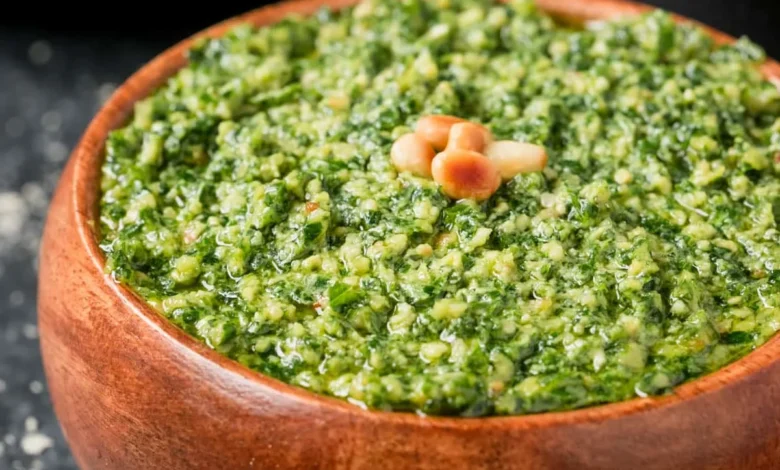
The shift toward plant-based pesto alternatives is largely driven by nutritional awareness. Traditional pesto alla genovese relies heavily on Parmesan or Pecorino Romano, which are dairy-derived. In this vegan iteration, the substitution of nutritional yeast provides a complex, savory, and "cheesy" flavor profile while maintaining a completely dairy-free, cholesterol-free composition.

Data from the International Food Information Council indicates that consumers are increasingly prioritizing "clean labels" and plant-derived nutrient density. Kale, a cruciferous vegetable, is recognized for its high concentrations of vitamins A, K, and C, as well as essential minerals like calcium and potassium. By utilizing raw kale as the primary base for a sauce, this recipe effectively increases the intake of fiber and antioxidants in a format that is palatable to a wider demographic, including those who might otherwise avoid raw greens.

Chronology of Pesto Evolution
The origins of pesto date back to Roman times with a preparation known as moretum, a paste made of cheese, garlic, and herbs. Over the centuries, the recipe evolved, with the Genoese version—incorporating basil, pine nuts, garlic, olive oil, and hard cheese—becoming the global standard in the 19th century.

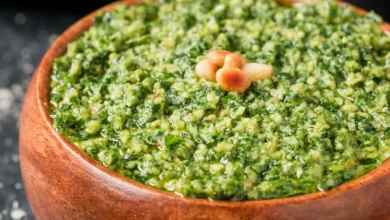
In the contemporary era, the "pesto" category has expanded into a broader classification of emulsion-based sauces. Since approximately 2015, the culinary industry has seen a surge in "green sauces" that utilize seasonal greens—spinach, arugula, ramps, and kale—to combat food waste and extend the utility of leafy vegetables. The development of this specific 10-minute vegan kale pesto reflects the intersection of these traditional techniques with modern, high-speed appliance capabilities, such as the high-powered food processor, which allows for the rapid breakdown of fibrous kale leaves into a smooth, emulsified texture.

Methodological Breakdown and Preparation
The preparation of this pesto follows a standardized culinary technique designed to maximize flavor extraction while minimizing oxidation.

- Flavor Base Preparation: The process begins by marinating garlic in lemon juice. This is a critical chemical step; the acidity of the lemon juice softens the harsh, sulfurous compounds in raw garlic, resulting in a more mellow and refined flavor profile that does not overpower the delicate earthiness of the kale.
- Nutrient Toasting: Pine nuts are subjected to a brief, dry-heat toasting process. This step is essential for activating the natural oils within the nuts, which provides the necessary richness to balance the natural bitterness of the kale.
- Emulsification: The integration of olive oil is performed as a final stage in the food processor. By slowly drizzling the oil into the mixture, the cook achieves a stable emulsion, ensuring the sauce adheres effectively to pasta or other substrates.
Broader Market Implications
The emergence of such recipes serves as a case study for the "democratization of gourmet cooking." Historically, high-quality, fresh pesto was a labor-intensive process requiring a mortar and pestle and expensive, imported cheeses. The transition to plant-based ingredients like nutritional yeast—an inexpensive and shelf-stable product—has lowered the barrier to entry for home-based healthy eating.

Furthermore, the environmental impact of such dishes is noteworthy. Kale is a hardy, cold-weather crop that requires significantly less water and fewer resources to cultivate than many dairy-intensive food products. From an environmental reporting perspective, the promotion of vegetable-centric sauces aligns with broader sustainability goals aimed at reducing the carbon footprint associated with the average household diet.

Expert Perspectives on Plant-Based Culinary Trends
Culinary researchers note that the success of a "substitute" recipe often relies on the successful replication of texture and "mouthfeel." In this recipe, the combination of healthy fats (olive oil and pine nuts) and fiber (kale) creates a sensory experience that mimics the satiety provided by traditional dairy sauces.

"The rise of the ‘vegan pesto’ category is not merely a trend, but a permanent shift in how we define flavor profiles," says a spokesperson from a major food technology consultancy. "When you remove the dependency on animal fats, you are forced to be more creative with acid, salt, and texture. The use of Dijon mustard in this recipe is a professional-grade addition that provides the necessary emulsification and depth of flavor to anchor the dish."

Storage and Logistics
From a logistics standpoint, the recipe’s emphasis on shelf-life—up to one week in the refrigerator and three months in the freezer—addresses the primary concern of the modern consumer: time efficiency. By allowing for batch production, this recipe facilitates meal-prepping habits that reduce the reliance on processed, pre-packaged convenience foods.

The integration of such recipes into the mainstream culinary lexicon marks a significant departure from the perception that vegan cooking is overly complex or restricted. As this trend continues, it is expected that variations utilizing locally sourced greens and nuts will become even more prevalent, further localized to regional availability.

Conclusion: The Future of Home-Made Sauces
The 10-minute vegan kale pesto represents a synthesis of nutrition, speed, and flavor. By leveraging simple, high-impact ingredients, it provides a template for sustainable eating that does not sacrifice culinary satisfaction. As global interest in plant-forward diets remains robust, the adoption of these rapid, nutrient-dense preparations is likely to persist as a staple in the modern kitchen, serving as both a functional food and a testament to the versatility of simple, raw ingredients.

For those looking to integrate more vegetables into their diet without the time commitment associated with complex preparations, this recipe offers a viable, efficient, and scientifically sound approach to modern meal planning. The ease of preparation, combined with the versatility of its applications—from pasta to pizza to spreads—positions it as an essential tool in the contemporary cook’s repertoire.