Exploring the Culinary Heritage and Global Popularity of the Authentic Thai Omelet in Modern Gastronomy

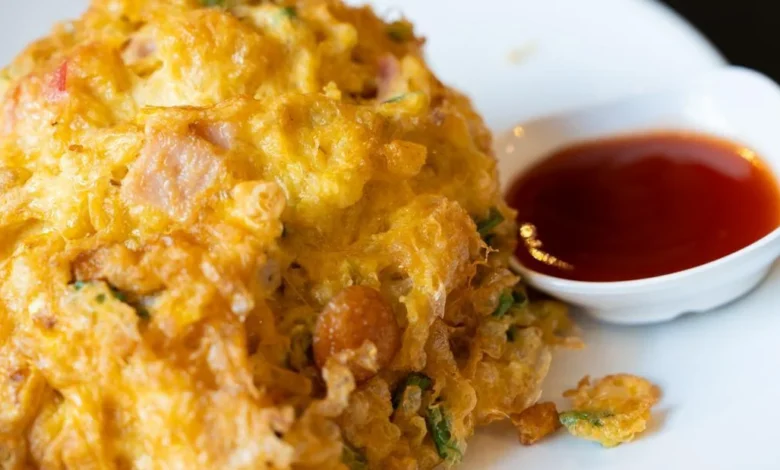
Eggs remain one of the most versatile, universally consumed, and economically accessible ingredients in the global food supply chain, serving as a culinary staple across virtually every continent and cultural boundary. While Western culinary traditions generally favor the delicate, folded French omelet or the fluffy American diner-style variant, and Indonesian households frequently enjoy the crispy, shallot-laden dadar telur, Southeast Asia harbors a deeply rich landscape of regional egg preparations. Among these, the Thai-style omelet—locally known as kai jeow—stands out as a masterclass in textural contrast, combining a deeply golden, ultra-crispy exterior with a dense, savory, and richly flavored interior. In recent years, this humble street food classic has transcended its origins in the bustling night markets of Bangkok to capture the attention of international culinary enthusiasts, fine-dining establishments, and home cooks seeking to elevate everyday pantry staples into extraordinary dining experiences.
The global resurgence of interest in Southeast Asian comfort foods has brought traditional preparations like the Thai omelet under the spotlight of modern gastronomy. Culinary analysts and food historians note that dishes born from economic resourcefulness—such as utilizing leftover seafood, minced meats, and garden aromatics—often resonate most strongly with contemporary consumers who value both authenticity and sustainability in the kitchen. As culinary tourism rebounds and international palates become increasingly sophisticated, traditional recipes that offer a balance of simplicity, speed, and complex flavor profiles are experiencing unprecedented integration into Western and global home-cooking repertoires.
Origins, Cultural Significance, and Evolution of Kai Jeow
To fully understand the culinary mechanics of the Thai omelet, one must examine its deep-rooted cultural significance within Thai society. Historically, kai jeow has served as the ultimate comfort food, deeply embedded in the daily rhythms of Thai life. It is frequently the first dish taught to children learning to cook, a reliable staple for university students living on tight budgets, and a comforting late-night meal served alongside a steaming mound of jasmine rice after a long day of work or travel.
Unlike the delicate whipping required for a French omelet—where air is incorporated to create a soft, uniform custard—the traditional Thai preparation relies on entirely different thermodynamic principles. It utilizes a high volume of intensely hot cooking oil, often deep-frying the egg mixture rather than merely pan-searing it in a thin layer of butter or oil. This technique creates a distinctive pillow-like yet remarkably crunchy structure. Furthermore, the inclusion of acidic and umami-rich components, such as fish sauce, lime juice, or tamarind, distinguishes the flavor profile from its European counterparts, injecting an unmistakable depth that complements the natural richness of the egg yolk and albumen.
As street food culture gained international acclaim through travel documentaries, social media platforms, and prominent chef endorsements, the humble kai jeow evolved beyond its modest origins. Street vendors in Bangkok, most notably the celebrated Michelin-starred street food vendor Jay Fai, elevated the concept by incorporating luxurious ingredients such as jumbo lump crab meat, fresh prawns, and aromatic herbs, proving that high-end gastronomy and street-level comfort food are not mutually exclusive. This evolution paved the way for international food media and culinary publications to introduce standardized, accessible home recipes to global audiences, allowing individuals outside of Thailand to recreate the magic of Southeast Asian night markets in their own kitchens.
Comprehensive Culinary Profile and Technical Specifications
Recreating an authentic Thai-style omelet requires precision regarding ingredient ratios, temperature control, and timing. While the fundamental recipe is remarkably forgiving and adaptable to whatever ingredients happen to be available in the refrigerator, understanding the underlying culinary science ensures consistent, professional-grade results. Below is the standardized culinary profile for preparing an authentic, savory Thai-style omelet suited for modern home preparation.
Culinary Specifications Table
| Metric Category | Specification Detail |
|---|---|
| Preparation Duration | 5 minutes |
| Active Cooking Duration | 15 minutes |
| Total Culinary Time | 20 minutes |
| Difficulty Level | Beginner to Intermediate |
| Serving Yield | 2 servings |
| Geographic Origin | Kingdom of Thailand |
| Primary Ingredient Category | Poultry and Egg Preparations |
| Recommended Cooking Medium | High-smoke-point vegetable oil (e.g., palm, canola, or soybean oil) |
Essential Ingredients for Authentic Flavor
Achieving the characteristic density and robust umami flavor of a proper Thai omelet requires a careful selection of both primary components and flavor enhancers. Professional culinary standards emphasize the importance of balancing the rich protein of the eggs with pungent, salty, and aromatic elements.
- Fresh Eggs: Four large, high-quality chicken eggs. Freshness is vital, as eggs with firm, upright yolks yield a better structural density during the frying process.
- Umami Seasoning: One tablespoon of premium fish sauce (nam pla). This provides the essential sodium and deep fermented umami undertone that salt alone cannot replicate.
- Acidic Balancing Agent: One teaspoon of freshly squeezed lime juice or distilled white vinegar. The acid aids in tenderizing the protein structure and cuts through the richness of the frying oil.
- Aromatics and Fillers:
- Two stalks of fresh scallions (green onions), finely sliced into uniform rings.
- Fifty grams of mixed seafood, such as small shrimp or finely diced squid, cleaned and patted thoroughly dry to prevent oil splattering.
- Fifty grams of pre-cooked savory protein, such as traditional Asian pork sausage or Chinese sausage (lap chang), diced into bite-sized cubes.
- Cooking Medium: One cup of high-smoke-point vegetable oil, necessary for achieving the deep-frying effect that creates the signature exterior crispiness.
- Garnish and Accompaniments: Fresh cilantro leaves, sliced red bird’s eye chilies for those desiring heat, and a generous portion of steaming hot jasmine rice to balance the intensity of the seasoning.
Step-by-Step Professional Preparation Methodology
Executing this recipe demands strict adherence to temperature management. The oil must be sufficiently heated before the egg mixture is introduced; otherwise, the eggs will absorb excess grease rather than rapidly crisping on the outside.
Phase 1: Ingredient Preparation and Mis en Place
Begin by thoroughly prepping all components before lighting the stove. Wash and slice the scallions, dice the sausage, and ensure the seafood is completely thawed and dried using paper towels. Moisture on the surface of the seafood will react violently with hot oil, increasing the risk of burns and lowering the oil temperature prematurely.
Phase 2: Whisking and Aeration
Crack the four large eggs into a deep mixing bowl. Add the tablespoon of fish sauce and the teaspoon of lime juice. Using a fork or a wire whisk, beat the mixture vigorously for approximately 30 to 45 seconds. Unlike Western omelets where whipping incorporates air to make the eggs fluffy, here the goal is to thoroughly homogenize the yolks and whites while blending the seasonings evenly throughout the liquid base. Once the base is uniform, fold in the sliced scallions, diced seafood, and prepared sausage pieces, ensuring they are evenly distributed within the liquid egg matrix.
Phase 3: Thermal Management and Frying
Place a deep wok or a heavy-bottomed skillet over medium-high heat. Pour in the vegetable oil, ensuring there is a depth of at least one to two inches. Allow the oil to reach high heat; a drop of the egg mixture should sizzle and rise to the surface instantly upon contact.
Carefully pour the entire bowl of egg and ingredient mixture into the center of the hot oil from a height of approximately six to eight inches. Pouring from a height helps initiate the rapid coagulation of the outer edges. As the eggs hit the oil, they will immediately puff up, forming a dense, bubbling mass with aggressive sizzling around the perimeter.
Phase 4: Flipping and Drainage
Allow the bottom layer to fry undisturbed for approximately two to three minutes until a deep, golden-brown crust forms. Using a large spatula and a pair of heat-resistant cooking chopsticks or a secondary spatula, deftly flip the omelet over in a single, confident motion. Cook the reverse side for an additional one to two minutes until it achieves the same uniform golden crispness.
Once fully cooked, lift the omelet out of the oil using a slotted metal spatula or a wire spider skimmer, allowing excess oil to drip back into the pan for several seconds. Transfer the finished omelet immediately onto a plate lined with paper towels to absorb any residual surface grease.
Phase 5: Plating and Service
Garnish the hot, crispy omelet with fresh cilantro leaves and sliced red chilies. Serve immediately while piping hot, accompanied by a side of plain jasmine rice, which serves to absorb the rich savory oils and balance the assertive flavors of the fish sauce and aromatics.
Broader Economic, Cultural, and Industrial Implications
The global appreciation of traditional regional dishes such as the Thai omelet highlights larger trends within the modern food and beverage industry. As international supply chains recover and consumers increasingly demand culinary authenticity, food businesses, restaurants, and media platforms are placing greater emphasis on traditional cooking techniques that celebrate cultural heritage.
Furthermore, the adaptability of recipes like kai jeow demonstrates the resilience of traditional gastronomy in an era marked by shifting dietary preferences and economic pressures. Because eggs remain an affordable source of complete protein, recipes that transform basic ingredients into gourmet experiences offer significant economic value to households navigating inflationary pressures. Simultaneously, the growing integration of Southeast Asian flavors into mainstream Western cooking schools and media channels underscores a broader democratization of global cuisine, where traditional street foods are recognized not merely as casual snacks, but as legitimate masterpieces of culinary art and technique.