The culinary landscape of homemade comfort foods has experienced a significant shift in recent years, driven largely by a growing consumer preference for restaurant-quality dishes that can be replicated efficiently within home kitchens. Among the myriad options available for weekend gatherings and family bonding, dimsum—specifically chicken and shrimp variants characterized by their tender, juicy textures—has emerged as a favored culinary project. Originating from the Cantonese tradition of small, bite-sized portions served alongside tea, dimsum has transcended its regional boundaries to become a global comfort food staple. Replicating the delicate balance of a firm yet juicy filling encased in a translucent, pliable wrapper often seems daunting to home cooks. However, with precise measurements, quality ingredients, and straightforward methodologies, professional-grade dimsum can be achieved without commercial equipment.
Culinary experts note that the appeal of homemade dimsum lies not only in its versatility as a snack or appetizer but also in the control it affords over nutritional components and flavor profiles. By utilizing fresh poultry, seafood, and aromatics, home chefs can elevate standard ingredients into gourmet-level creations. The following comprehensive guide details three distinct recipes—Szechuan Shrimp and Chicken Dumplings, Classic Chicken Siomay, and Chicken-Stuffed Bean Curd Rolls—designed to bring the authentic flavors of a dimsum restaurant directly to the family dining table. Each recipe emphasizes structural integrity, moisture retention in the meat, and complementary dipping sauces that elevate the overall dining experience.
The Rise of Home-Based Dimsum Preparation
In the wake of shifting lifestyle patterns, weekend cooking has evolved from a routine chore into an engaging recreational activity for urban families. Culinary data indicates an upward trend in searches for DIY restaurant recipes, with Asian-inspired finger foods leading the category. The appeal of dimsum specifically stems from its interactive assembly process and customizable nature. Families can engage multiple generations in the preparation, from rolling and folding to monitoring steaming times. Furthermore, preparing dimsum at home allows individuals to tailor sodium levels, substitute allergen-sensitive components, and ensure the absolute freshness of proteins such as chicken thighs and wild-caught shrimp.
Achieving the coveted "juicy and tender" texture associated with high-end establishments requires understanding the science of emulsion and protein binding. When minced poultry and seafood are combined with starches, egg whites, and vigorous mixing, the proteins cross-link to trap moisture effectively during the cooking process. This prevents the filling from becoming dry or rubbery—a common pitfall for novice cooks. Paired with regional dipping sauces ranging from fiery chili oils to tangy citrus-soy blends, these dishes offer a sensory-rich experience that rivals commercial dining options.
Recipe 1: Szechuan Shrimp and Chicken Dumplings
The integration of poultry and crustaceans is a hallmark of Cantonese dimsum, providing a dual-texture profile where the firmness of the shrimp complements the softer bite of chicken. This specific preparation incorporates a bold, spicy Szechuan sauce that introduces complex heat, balancing the natural sweetness of the seafood.
Ingredients for the Dumplings:
- 20 ready-made dumpling or siomay wrappers
- 200 grams finely minced chicken meat (preferably thigh meat for optimal fat content)
- 200 grams finely minced fresh shrimp
- 1 teaspoon sesame oil
- 3 cloves garlic, grated
- 2 tablespoons finely sliced scallions
- 2 tablespoons soy sauce
- 2 tablespoons all-purpose flour
- 1/2 teaspoon ground white pepper
- 1 teaspoon mushroom bouillon powder
- 1 teaspoon salt
Ingredients for the Szechuan Sauce:
- 100 milliliters vegetable oil
- 3 cloves garlic, finely minced
- 1 centimeter fresh ginger, finely minced
- 2 tablespoons dried red chili flakes, coarsely crushed
- 2 tablespoons fresh lime juice
- 1 granulated sugar
- 1/2 teaspoon ground white pepper
- 1 teaspoon salt
Step-by-Step Preparation Method:
- In a large mixing bowl, combine the minced chicken and minced shrimp. Add the grated garlic, sliced scallions, sesame oil, soy sauce, all-purpose flour, white pepper, mushroom bouillon powder, and salt.
- Stir the mixture vigorously in one direction until the ingredients are fully homogenized and the meat mixture becomes slightly sticky, indicating proper protein binding.
- Lay out the dumpling wrappers on a clean work surface. Place approximately one tablespoon of the chicken and shrimp filling into the center of each wrapper.
- Fold the wrappers into the desired shape, securing the edges tightly to prevent leakage during the cooking process. Standard configurations include half-moon shapes or pleated money bags.
- Place the formed dumplings onto a heat-resistant plate or steaming basket lined with parchment paper or lightly greased with oil to prevent sticking.
- Steam the dumplings over boiling water for 20 minutes until the filling is thoroughly cooked and opaque.
- While the dumplings steam, prepare the Szechuan sauce. Heat the vegetable oil in a small saucepan over medium heat, sautéing the minced garlic, ginger, and crushed dried chili flakes until fragrant. Remove from heat and stir in the lime juice, sugar, white pepper, and salt. Allow the flavors to meld.
- Serve the hot chicken and shrimp dumplings immediately, accompanied by the prepared Szechuan sauce.
Recipe 2: Classic Chicken Siomay
Siomay represents one of the most recognizable forms of dimsum globally. While often incorporating pork in traditional settings, the domestic adaptation utilizing chicken thighs offers a succulent, culturally versatile alternative that appeals to a broader demographic. The inclusion of tapioca starch aids in binding the ingredients, while a delicate balance of sesame oil and white pepper provides a classic aromatic profile.
Ingredients for the Siomay:
- 10 square siomay wrappers (approximately 8×8 centimeters)
- 300 grams chicken thigh meat (divided: half finely minced, half coarsely chopped for texture contrast)
- 1 stalk scallion, finely sliced
- 2 cloves garlic, grated
- 1/2 teaspoon sesame oil
- 1 tablespoon tapioca starch
- 1 small chicken egg
- 1/2 teaspoon ground white pepper
- 1 tablespoon chicken bouillon powder
- 1 teaspoon salt
Ingredients for the Dipping Sauce:
- 4 tablespoons bottled chili sauce
- 2 tablespoons bottled tomato ketchup
- 1 clove garlic, grated
- 1 teaspoon fresh lime juice
Step-by-Step Preparation Method:
- Prepare the meat base by combining the finely minced and coarsely chopped chicken thigh meat in a mixing bowl.
- Incorporate the grated garlic, ground white pepper, tapioca starch, scallion, sesame oil, chicken egg, bouillon powder, and salt into the meat mixture.
- Knead the mixture thoroughly by hand or with a spatula until the components form a cohesive, unified paste.
- Take a siomay wrapper and position one tablespoon of the chicken mixture in the exact center. Gently pleat the outer edges upward, pressing them against the filling to create an open-topped cylinder shape.
- Repeat the process until all wrappers and filling are utilized.
- Prepare a steamer by greasing a heat-resistant container or tray with cooking oil to prevent adhesion. Arrange the siomay pieces with adequate spacing.
- Steam the siomay over high heat for approximately 30 minutes, or until the internal temperature reaches safety thresholds and the meat is fully firm.
- In a separate bowl, whisk together the bottled chili sauce, tomato ketchup, grated garlic, and lime juice until smooth.
- Serve the steamed chicken siomay warm alongside the prepared dipping sauce.
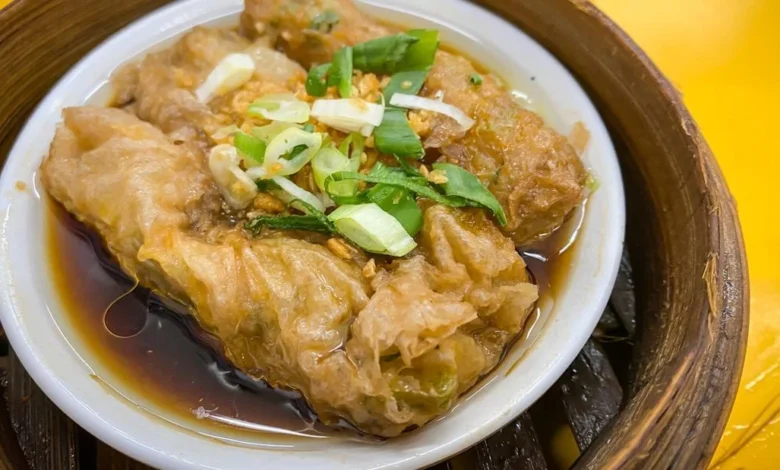
Recipe 3: Chicken-Stuffed Bean Curd Rolls
Bean curd skin (yuba) offers a distinct textural contrast to wheat-based dumpling wrappers, providing a slightly chewy exterior that absorbs savory gravies and sauces effectively. This recipe incorporates carrots for a subtle sweetness and color contrast, along with chopped coriander leaves for an herbal lift. These rolls offer flexibility in preparation, as they can be either steamed or deep-fried depending on dietary preferences.
Ingredients for the Bean Curd Rolls:
- 10 sheets of dried bean curd skin (softened according to package instructions)
- Vegetable oil (for frying, if applicable)
- 3 sheets of nori seaweed, cut into 1-centimeter strips (optional for garnish and structure)
Ingredients for the Chicken Filling:
- 250 grams finely minced chicken meat
- 50 grams carrots, finely minced
- 1 tablespoon fresh coriander leaves, finely chopped
- 2 cloves garlic, grated
- 1 tablespoon tapioca starch
- 1 tablespoon oyster sauce
- 1/2 teaspoon ground white pepper
- 1 teaspoon salt
Ingredients for Accompaniments:
- Bottled mayonnaise
- Chili sauce
- Chili oil
Step-by-Step Preparation Method:
- In a mixing bowl, combine the minced chicken, tapioca starch, finely minced carrots, grated garlic, oyster sauce, ground white pepper, and salt.
- Fold in the finely chopped coriander leaves, mixing gently until evenly distributed throughout the chicken paste.
- Gently rehydrate the bean curd sheets if necessary, cutting them into manageable rectangles. Place one tablespoon of the chicken filling onto the lower edge of a bean curd sheet.
- Fold the sides inward and roll the sheet upward into a tight, elongated cylinder. Secure the final edge with a dab of water or remaining starch slurry. Optional: wrap a narrow strip of nori seaweed around the center of each roll for enhanced visual appeal and umami depth.
- Choose the cooking method: either steam the rolls in a heat-resistant container for 20 minutes, or shallow-fry them in heated vegetable oil over medium heat until the bean curd skin turns golden brown and crispy.
- Serve the bean curd rolls hot, accompanied by a selection of bottled mayonnaise, chili sauce, or chili oil.
Nutritional and Culinary Implications of Homemade Dimsum
Preparing dimsum at home carries notable implications for modern dietary management and culinary skill development. From a nutritional standpoint, commercial dimsum options frequently contain elevated levels of sodium, saturated fats, and chemical preservatives designed to extend shelf life during commercial distribution. By preparing these items domestically, home cooks retain total oversight over ingredient quality, opting for lean cuts of poultry, fresh seafood, and reduced-sodium condiments. Furthermore, incorporating vegetables such as carrots and scallions introduces essential dietary fiber and micronutrients into an otherwise protein-dense dish.
From a socio-economic perspective, the resurgence of interest in scratch-made comfort foods reflects a broader cultural appreciation for mindful consumption. Rather than relying entirely on convenience foods or dining out, consumers are investing time in mastering foundational culinary techniques. The skills acquired through rolling, stuffing, and steaming dimsum translate directly to other culinary genres, fostering self-sufficiency and creativity in the kitchen. As families continue to seek engaging, cost-effective weekend activities, recipes that balance traditional flavor profiles with accessible modern methods will remain a cornerstone of contemporary home cooking.
Related posts: