Jakarta – In an era where efficiency and health consciousness increasingly shape daily routines, the humble egg continues to stand out as an indispensable staple in kitchens worldwide. Beyond its traditional fried or scrambled preparations, the egg offers remarkable versatility, capable of transforming into a comforting, nutrient-dense meal with minimal effort. This adaptability makes it a prime candidate for innovative breakfast solutions, particularly in the form of warm, savory soups that promise both satiety and a gentle start to the day.
The global culinary landscape has witnessed a steady shift towards quick, nutritious, and comforting breakfast options. Consumers, balancing demanding schedules with a desire for wholesome eating, are constantly seeking meals that are easy to prepare yet rich in essential nutrients. Eggs, lauded for their high-quality protein, essential vitamins, and minerals, fit this criterion perfectly. Their economic accessibility further cements their status as a go-to ingredient for households across diverse socio-economic strata. While fried eggs remain a perennial favorite, the exploration of egg-based soups offers an exciting alternative, delivering warmth, flavor, and a balanced nutritional profile that can energize one for the day ahead. These soups are not merely a deviation from the norm but represent a conscious choice for a breakfast that is both practical and profoundly satisfying.
The Enduring Appeal of Eggs in Global Cuisine
Eggs have been a cornerstone of human diets for millennia, valued for their complete protein, essential amino acids, choline, and a spectrum of vitamins including A, D, E, K, and B vitamins. Their affordability and widespread availability contribute significantly to food security, particularly in developing nations where protein sources can be scarce. Nutritionally, a single large egg provides approximately 6 grams of protein and about 70 calories, making it an excellent component for weight management and muscle building.
The trend towards home cooking, significantly amplified during recent global health crises, has rekindled interest in simple yet impactful recipes. People are looking for ingredients that are easy to store, have a long shelf life, and can be quickly transformed into various dishes. Eggs excel in all these aspects. Furthermore, the emphasis on a warm breakfast, especially in cooler climates or during colder seasons, is rooted in cultural practices across Asia and Europe, where soups and porridges are common morning fare. This tradition aligns perfectly with the concept of a savory egg soup, offering both physical warmth and a psychological sense of comfort.
Three Innovative Egg Soup Recipes for a Nutritious Start
Moving beyond conventional egg preparations, here are three distinct recipes that leverage the egg’s versatility to create flavorful, nutritious, and easy-to-prepare breakfast soups. Each recipe offers a unique taste profile and nutritional benefits, demonstrating the expansive potential of this simple ingredient.
1. Resep Sup Telur Tomat (Tomato Egg Drop Soup)
Tomato Egg Drop Soup is a classic comfort food, particularly popular in various East Asian cuisines. Its appeal lies in its simplicity, the vibrant color of tomatoes, and the delicate texture of "dropped" eggs. This soup is a testament to how minimal ingredients can yield maximum flavor and nutrition in a short span, making it an ideal choice for a busy morning.
Nutritional Profile and Benefits:
This soup is a powerhouse of essential nutrients. Tomatoes are rich in lycopene, a powerful antioxidant known for its potential benefits in heart health and cancer prevention. They also provide significant amounts of Vitamin C, potassium, and Vitamin K. When combined with the protein and vitamins from eggs, this soup becomes a robust meal that supports immune function, bone health, and overall vitality. The addition of ginger (optional but highly recommended) can further enhance its anti-inflammatory properties and aid digestion.
Ingredients:
- 2 medium-sized red tomatoes
- 4 tablespoons vegetable oil
- 750 ml chicken broth (or vegetable broth for a vegetarian option)
- 1 tablespoon soy sauce
- 1/2 teaspoon sesame oil
- 1 teaspoon salt (adjust to taste)
- 2 large chicken eggs
- 1 tablespoon cornstarch, dissolved in 2 tablespoons water
- 1 stalk scallion, coarsely sliced
- 1 tablespoon chopped celery leaves
Preparation Chronology:
- Tomato Preparation: Begin by thoroughly washing the tomatoes. Dice or roughly chop them into manageable pieces. The rustic cut allows the tomatoes to break down and release their flavor more effectively.
- Sautéing Aromatics: Heat the vegetable oil in a medium saucepan over medium heat. Add the chopped tomatoes and sauté until they soften and begin to break down, releasing their juices and creating a flavorful base. This step is crucial for developing the soup’s depth.
- Broth Infusion: Pour in the chicken broth, bringing the mixture to a gentle boil. Season with soy sauce, sesame oil, salt, and a pinch of black pepper. Allow it to simmer for 5-7 minutes to let the flavors meld.
- Egg Dropping Technique: In a separate bowl, lightly beat the two eggs. To achieve the signature delicate strands, slowly pour the beaten egg mixture into the simmering broth from a slightly elevated position (about 6-8 inches above the pot) while continuously stirring the soup rapidly in one direction. This process ensures the egg coagulates into fine, feathery threads rather than large clumps.
- Thickening the Soup: Stir in the dissolved cornstarch slurry. Continue stirring gently until the soup thickens to your desired consistency. The cornstarch provides a velvety texture that coats the palate beautifully.
- Garnishing and Serving: Remove the soup from heat. Garnish generously with the coarsely sliced scallions and chopped celery leaves. Serve immediately while hot.
Expert Insights and Variations:
Culinary experts often highlight the importance of fresh, ripe tomatoes for this recipe, as they contribute significantly to the soup’s natural sweetness and acidity. For an added layer of flavor, a small piece of ginger can be finely grated and added during the sautéing phase. Some variations include adding a dash of white pepper for a subtle kick or incorporating finely chopped spinach during the final minutes of cooking for extra greens. This soup is incredibly versatile and can be adapted to personal taste preferences or dietary requirements.
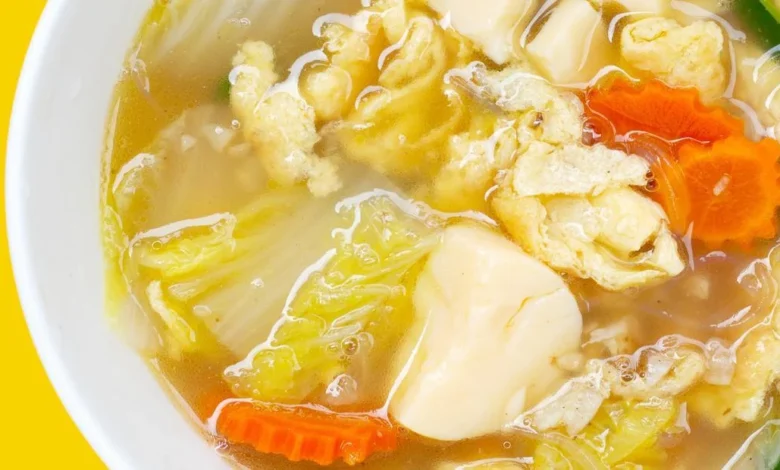
2. Resep Sup Telur Tofu (Tofu Egg Soup)
This recipe introduces a delightful combination of two protein powerhouses: eggs and tofu. Tofu, often referred to as "Japanese tofu" or silken tofu in this context, offers a delicate, custard-like texture that beautifully complements the richness of eggs. Paired with a simple yet flavorful chicken broth and fresh vegetables, this soup presents a balanced and highly nutritious meal, suitable for any time of day but especially invigorating for breakfast.
Ingredient Spotlight: Tofu and its Health Benefits:
Tofu, made from condensed soy milk, is an excellent source of plant-based protein, iron, and calcium. It is also low in calories and saturated fat, making it a heart-healthy choice. The specific type, egg tofu (which actually contains egg for texture and color, despite its name), is particularly soft and smooth, melting in the mouth. Combining it with chicken eggs creates a complete protein profile, offering all nine essential amino acids necessary for human health.
Ingredients:
- 2 large chicken eggs
- 3 tablespoons vegetable oil
- 1 tablespoon sesame oil
- 2 cloves garlic, finely minced
- 1/4 medium onion, finely minced
- 1 stalk scallion, coarsely sliced
- 1.5 liters chicken broth
- 50 g carrots, peeled and thinly sliced diagonally
- 1 piece egg tofu, cut into 1 cm thick rounds
- 100 g Napa cabbage (sawi putih), coarsely chopped
- 1/2 teaspoon ground white pepper
- 2 teaspoons salt (adjust to taste)
Preparation Chronology:
- Egg Omelette Preparation: Crack the eggs into a bowl, add a pinch of salt and pepper, and whisk until slightly frothy. Heat a small amount of vegetable oil in a non-stick pan and pour in the egg mixture to create a thick omelette. Cook until set, then carefully remove and let it cool. Once cooled, cut the omelette into large, bite-sized pieces and set aside. This method introduces a different textural element compared to the "egg drop" technique.
- Sautéing Aromatics: In a large pot, heat the remaining vegetable oil and sesame oil over medium heat. Add the minced garlic, minced onion, and coarsely sliced scallion (reserving some for garnish). Sauté until the aromatics are fragrant and softened, about 2-3 minutes.
- Broth Integration: Pour in the chicken broth and bring it to a rolling boil.
- Adding Vegetables and Tofu: Once the broth is boiling, add the thinly sliced carrots. Cook for a few minutes until they begin to soften. Then, gently add the egg tofu slices and the chopped Napa cabbage.
- Final Seasoning and Simmer: Incorporate the ground white pepper and salt. Reduce the heat to low and let the soup simmer for another 5-7 minutes, allowing all the flavors to meld and the vegetables to cook through without becoming overly soft.
- Combining and Serving: Gently add the pre-cut omelette pieces into the soup. Stir once to combine. Remove from heat and serve immediately, garnished with any reserved scallions.
Expert Insights and Dietary Adaptations:
Nutritionists often praise this soup for its balanced macro-nutrient profile, providing ample protein and fiber. For those seeking a vegetarian option, mushroom broth or vegetable broth can easily replace chicken broth. Spice enthusiasts might consider adding a dash of white pepper or a few slices of fresh chili for an extra kick. The beauty of this soup lies in its gentle flavors and the harmonious blend of textures from the soft tofu, tender vegetables, and savory omelette.
3. Resep Sup Telur Dadar (Omelette Egg Soup with Beef Tendon Broth)
This recipe offers a richer, more robust experience, elevating the simple egg omelette into a hearty soup, particularly distinctive with its beef tendon broth base. While perhaps less conventional for a quick morning meal, its profound flavors and nourishing qualities make it an excellent choice for a leisurely weekend breakfast or a comforting brunch, providing sustained energy and warmth.
The Richness of Beef Tendon Broth:
Beef tendon, or "tetelan sapi berlemak," refers to fatty beef scraps or tendons, which, when slow-cooked, yield an incredibly rich, gelatinous, and flavorful broth. This type of broth is highly prized in many cuisines for its umami depth and its purported health benefits, including collagen for joint health and skin elasticity. The slow rendering of fat and connective tissues imbues the broth with an unparalleled mouthfeel and savory intensity that a lean broth cannot replicate.
Ingredients:
For the Omelette:
- 3 large chicken eggs
- 1 tablespoon mushroom broth powder (kaldu jamur)
- 1/2 teaspoon ground white pepper
- 1/2 teaspoon salt
For the Broth:
- 150 g fatty beef tendon, cut into small pieces
- 2.5 liters water
- 2 tablespoons unsalted butter
- 1/2 medium onion, finely minced
- 2 cloves garlic, coarsely minced
- 1 stalk scallion, coarsely sliced
- 1/2 nutmeg seed, roughly crushed
- 1 teaspoon ground white pepper
- 2 teaspoons salt
For Garnish:
- 3 tablespoons chopped celery leaves
Preparation Chronology:
- Omelette Preparation: In a bowl, crack the three eggs and whisk until light and frothy. Add the mushroom broth powder, salt, and pepper, mixing until well combined. Heat a lightly oiled non-stick pan and pour a portion of the egg mixture to create 2-3 thick omelettes. Cook until golden and set. Once cooked, slice the omelettes into coarse, transverse strips and set aside.
- Beef Tendon Broth Base: Place the beef tendon pieces in a large pot with approximately 2.5 liters of water. Bring to a boil, then reduce heat to low, cover, and simmer for at least 1.5 to 2 hours, or until the beef tendon is very tender and the broth has reduced to about 1.5 liters. Skim off any impurities that rise to the surface during the initial boiling phase. This slow simmering process is key to extracting maximum flavor and collagen.
- Sautéing Broth Aromatics: While the tendon simmers, melt the unsalted butter in a separate frying pan over medium heat. Add the finely minced onion and coarsely minced garlic, sautéing until they are translucent, fragrant, and slightly golden. This step builds the aromatic foundation of the broth.
- Combining Aromatics with Broth: Carefully transfer the sautéed onion and garlic mixture into the simmering beef tendon broth.
- Seasoning the Broth: Season the broth with ground white pepper, the roughly crushed nutmeg seed, salt, and an additional tablespoon of mushroom broth powder (if desired, to enhance umami). Continue to simmer on low heat for another 15-20 minutes, allowing the flavors to deepen and meld.
- Final Assembly and Serving: Just before serving, add the prepared omelette strips and the coarsely sliced scallions into the hot broth. Stir gently to combine. Turn off the heat. Ladle the soup into bowls and garnish generously with chopped celery leaves. Serve hot.
Expert Insights and Broader Implications:
This hearty soup reflects a fusion of traditional broth-making techniques with a simple egg preparation. Food historians might point to similar robust broths being staples in various cultures for their restorative properties. While the inclusion of fatty beef tendon makes this a richer dish, leaner cuts of beef or even chicken can be used for a lighter version, though the depth of flavor will differ. The use of nutmeg, a spice with a long history in Indonesian and Southeast Asian cuisine, adds a unique aromatic complexity. This recipe demonstrates that breakfast can indeed be a grand affair, offering warmth, sustenance, and a sophisticated flavor profile to start the day.
The Broader Impact: Eggs as a Culinary Solution for Modern Lifestyles
The versatility and nutritional completeness of eggs make them an invaluable asset in addressing contemporary dietary needs and lifestyle challenges. As highlighted by these three distinct soup recipes, eggs are not merely a convenient protein source but a canvas for culinary creativity.
- Addressing Time Constraints: In an increasingly fast-paced world, these recipes offer practical solutions for individuals and families struggling to prepare nutritious meals amidst busy schedules. The preparation times, ranging from 15 minutes for the Tomato Egg Drop Soup to the more involved but largely passive cooking time for the Beef Tendon Broth, cater to different levels of time availability.
- Promoting Health and Wellness: By encouraging home cooking and the consumption of whole, unprocessed ingredients, these recipes contribute to better public health outcomes. They provide balanced macronutrients and micronutrients, essential for maintaining energy levels, supporting cognitive function, and bolstering the immune system. Nutritionists consistently advocate for breakfasts rich in protein and fiber, and these egg soups align perfectly with such recommendations.
- Economic Accessibility and Food Security: The relative affordability of eggs ensures that nutritious meals remain accessible to a wider demographic. This aspect is particularly crucial in times of economic uncertainty, positioning eggs as a sustainable and reliable protein source globally.
- Culinary Innovation and Tradition: These recipes showcase how traditional ingredients can be reimagined and combined with diverse flavors and techniques. From the classic simplicity of tomato egg drop to the hearty depth of beef tendon broth, they represent a dynamic interplay between culinary heritage and modern innovation, inspiring home cooks to experiment further.
- Sustainability Considerations: Eggs generally have a lower environmental footprint compared to many other animal proteins, making them a more sustainable choice for protein consumption. Promoting egg-based meals can thus indirectly contribute to more environmentally conscious dietary habits.
In conclusion, the evolution of breakfast from a mere necessity to a moment of culinary expression continues, driven by demands for health, convenience, and flavor. These three egg soup recipes—Tomato Egg Drop, Tofu Egg, and Omelette Egg with Beef Tendon Broth—exemplify how a humble ingredient like the egg can be transformed into diverse, comforting, and profoundly nutritious meals, proving that a practical breakfast can also be a gourmet experience. Their enduring appeal lies not just in their taste but in their ability to provide a wholesome and satisfying start to the day, reflecting a broader trend towards thoughtful and enriching food choices.
Related posts: