The Rise of Pepes Tahu: How a Humble Sundanese Plant-Based Protein is Capturing Modern Culinary and Nutritional Attention


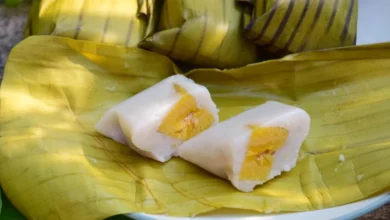
JAKARTA — Amid a global shift toward sustainable eating, plant-based diets, and budget-friendly nutrition, traditional Indonesian gastronomy continues to offer innovative solutions rooted in centuries-old culinary wisdom. One such treasure is pepes tahu, a quintessential Sundanese delicacy originating from the fertile regions of West Java. Combining protein-rich white tofu with aromatic lemon basil, shallots, garlic, and chili peppers, wrapped securely in banana leaves and cooked via steam-roasting, this dish exemplifies the intersection of health, affordability, and rich cultural heritage. As modern households navigate economic pressures and heightened health consciousness, food scientists, culinary historians, and nutritionists are directing renewed attention toward this traditional cooking method, recognizing its alignment with contemporary dietary demands for low-fat, high-protein meals.
The historical and cultural roots of pepes, known locally as pais in certain parts of West Java, stretch back generations. Developed long before the advent of modern refrigeration, the technique of wrapping ingredients in banana leaves served a dual purpose: it preserved perishable foods while infusing them with the subtle, earthy aroma of heated chlorophyll. Originally utilized by agrarian communities in the priangan highlands to preserve and enhance the flavor of freshwater fish, mushrooms, and indigenous proteins, the method naturally evolved to incorporate tofu following the historical introduction of soybean-based foods by Chinese immigrants to the archipelago centuries ago. Tahu putih, or white tofu, quickly became a staple across the island of Java due to its high availability, affordability, and versatile texture.
Nutritional science has increasingly validated the wisdom of traditional Indonesian food preservation and preparation techniques. According to nutritional profiling data from agricultural and health research institutions, white tofu is an exceptional source of plant-based protein, containing essential amino acids necessary for muscle maintenance, cellular repair, and overall metabolic health. A standard 100-gram serving of firm white tofu provides a substantial amount of protein while remaining exceptionally low in saturated fats and entirely free of cholesterol. Furthermore, when combined with fresh herbs such as kemangi (lemon basil), which contains antioxidant compounds, and anti-inflammatory spices like turmeric and shallots, pepes tahu transforms from a simple rural side dish into a functional food item that supports cardiovascular health and immune function.
From a culinary perspective, achieving the optimal texture and flavor profile in pepes tahu requires precision and adherence to traditional preparation standards. Professional chefs and culinary instructors emphasize that the selection of the primary ingredient is paramount. Ideal white tofu must possess a delicate yet cohesive texture—firm enough to hold its shape during the wrapping process, yet soft enough to absorb the intricate spice paste, known locally as bumbu halus. Culinary experts recommend a preliminary rinsing step using warm water to eliminate any residual surface acidity or fermentation byproducts often found in commercially produced artisanal tofu. Crucially, excess moisture must be carefully pressed and drained from the curd before mixing with aromatics; failure to do so results in a watery consistency that compromises the structural integrity of the final dish.
The preparation methodology of pepes highlights the unique thermodynamic advantages of banana leaf wrapping. Unlike aluminum foil or plastic packaging, which are sometimes scrutinized for chemical leaching or environmental degradation, fresh banana leaves undergo a structural softening when exposed to heat, sealing in natural juices while allowing excess moisture to evaporate selectively. This creates an internal steaming environment that concentrates the flavors of the blended shallots, garlic, candlenuts, bird’s eye chilies, and aromatic leaves. For modern urban consumers seeking enhanced sensory profiles, contemporary adaptations frequently incorporate a brief post-steaming charring phase on a cast-iron skillet or open flame. This secondary process introduces a subtle smokey complexity that elevates the rustic profile of the dish without necessitating the addition of animal fats or oils.
The broader implications of the renewed popularity of pepes tahu extend deeply into contemporary socioeconomic and environmental discourses. As inflation and global supply chain disruptions impact the cost of animal-derived proteins such as beef and poultry, government health agencies and consumer advocacy groups have intensified campaigns promoting locally sourced vegetable proteins. Tofu remains one of the most cost-effective protein sources available in Southeast Asia, requiring significantly fewer natural resources—such as water and arable land—to produce compared to livestock farming. Environmental economists note that scaling up the consumption of indigenous plant-based preparations like pepes tahu directly supports domestic soybean farmers and traditional cottage industries, thereby strengthening local food security networks.
Culinary trade associations and food business incubators have also observed a notable commercial trend: traditional Indonesian dishes are increasingly finding a place on the menus of modern urban cafes and fine-dining establishments. Once relegated to home kitchens and humble neighborhood warungs, pepes tahu is being reinterpreted by contemporary chefs who pair it with artisanal grains, microgreens, and sophisticated plating techniques. This gastronomic evolution reflects a broader cultural pride in Indonesian culinary heritage, driven largely by younger generations of urbanites who value both authenticity and sustainability. Food historians suggest that this renaissance is part of a larger decolonization of the palate, wherein indigenous cooking techniques are recognized for their inherent sophistication rather than viewed solely as peasant food.
To meet the demands of modern home cooks, standardized preparation frameworks have been developed to ensure consistency and accessibility. The standardized recipe for traditional West Javanese pepes tahu is calibrated to yield six balanced portions, requiring approximately 45 minutes of active preparation and cooking time. The process begins with the careful mashing of high-quality white tofu, combined with a finely ground paste of shallots, garlic, fresh red chilies, turmeric, and galangal. Whole bird’s eye chilies and quartered tomatoes are often folded into the mixture just before assembly to provide sudden bursts of heat and acidity, respectively. The seasoned mixture is then divided, portioned onto cleaned banana leaf sheets alongside handfuls of fresh kemangi leaves, secured with bamboo toothpicks or thin wooden skewers, and subjected to a 30-minute steaming process.
Public health nutritionists have responded positively to the mainstream media coverage surrounding traditional recipes like pepes tahu, emphasizing that such dishes provide a practical blueprint for combating nutritional deficiencies without imposing financial burdens on lower-income households. In statements released by community wellness coalitions, experts have stressed that chronic lifestyle diseases—such as type 2 diabetes and hypertension—can be effectively mitigated by replacing heavy, oil-saturated fried foods with steamed or boiled alternatives. Because pepes requires virtually no added cooking oil, it bypasses the cardiovascular risks associated with trans fats commonly found in street food snacks, offering a clean, nutrient-dense profile suitable for individuals managing metabolic disorders.
Looking forward, agricultural economists and food security analysts project that consumer demand for traditional, plant-based processing techniques will continue its upward trajectory. The convergence of economic necessity, environmental awareness, and a cultural resurgence in local gastronomy ensures that recipes like pepes tahu will remain relevant across generations. Whether served alongside a steaming portion of red or white rice, accompanied by traditional stir-fried vegetables and clear tamarind-based vegetable soups like sayur asem, pepes tahu stands as a testament to the enduring ingenuity of Indonesian culinary traditions—proving that simplicity, flavor, and nutrition can coexist harmoniously within a single banana leaf wrapper.
Related posts: