Mastering the Art of Indonesian Home Cooking: The Cultural Significance, Nutritional Profile, and Culinary Evolution of Cah Kangkung Teri

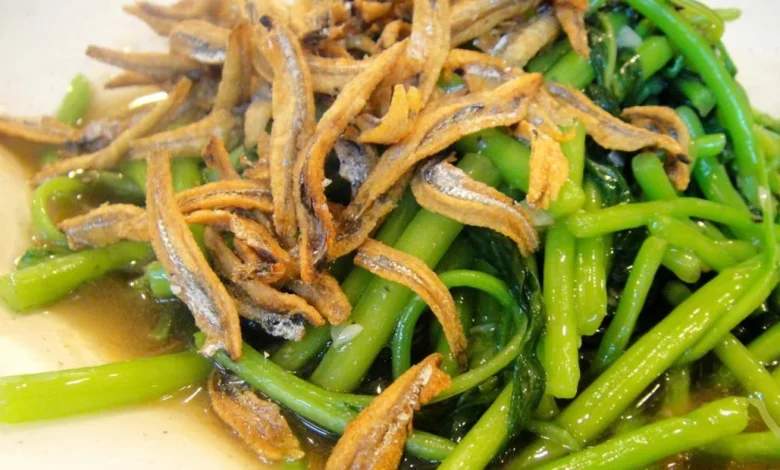
Jakarta — In the rich tapestry of Southeast Asian gastronomy, few culinary traditions celebrate the harmonious balance of simplicity, sustainability, and bold flavors quite like Indonesian home cooking. Among the myriad vegetable preparations that grace the archipelago’s dining tables, water spinach—universally known as kangkung—holds a revered position. As urban lifestyles accelerate and the demand for quick, nutritious, and economically accessible meals surges, traditional dishes like cah kangkung (stir-fried water spinach) continue to anchor culinary identity. When elevated with the savory crunch of crispy fried anchovies, commonly referred to as teri, this humble green transforms into an extraordinary dish that bridges the gap between historical heritage and contemporary nutritional needs.
The enduring popularity of water spinach in Indonesian households is not merely a matter of taste; it is a testament to the resourcefulness of generations who transformed readily available local produce into masterpieces of flavor. From the bustling food stalls of urban Jakarta to quiet rural kitchens across Java, stir-fried kangkung represents the pinnacle of everyday comfort food. By examining the cultural context, the nutritional science behind the ingredients, the practical mechanics of its preparation, and the broader socio-economic implications of traditional dining choices, one gains a profound appreciation for this seemingly simple vegetable dish.
Historical Background and Cultural Context of Indonesian Leafy Greens
The cultivation and consumption of water spinach (Ipomoea aquatica) in maritime Southeast Asia date back centuries. Thriving in the tropical climate, particularly in swampy areas, riverbanks, and flooded rice paddies, kangkung became a staple crop due to its rapid growth cycle and remarkable resilience. Historically, agricultural communities along the river basins of Java integrated water spinach into their daily subsistence strategies long before modern commercial farming systems were established.
In traditional Javanese culinary philosophy, meals are constructed around the concept of balance—pairing a dominant carbohydrate, usually steamed white rice, with a variety of complementary side dishes known as lauk pauk. Within this framework, vegetables serve a dual purpose: they provide essential dietary fiber and micronutrients while adding contrasting textures and fresh flavor profiles to offset heavier proteins. Stir-frying, a technique heavily influenced by early Chinese maritime trade and migration to the archipelago, was rapidly adopted by local populations because it preserved the vibrant green color and crisp texture of leafy vegetables while infusing them with aromatic spices such as shallots, garlic, and chili peppers.
The inclusion of dried anchovies (ikan teri) in vegetable stir-fries reflects an ancient preservation method necessitated by the tropical climate before the advent of mechanical refrigeration. Coastal fishing communities developed salting and sun-drying techniques to store surplus catches, which were then traded inland. Over generations, the pungent, umami-rich flavor of dried anchovies became an indispensable flavor enhancer in inland cuisine, perfectly complementing the earthy, mild taste of fresh water spinach. Varieties such as the slender teri jengki, prized for its ability to retain a satisfying crunch when deep-fried, became the gold standard for adding textural contrast to soft or crisp-tender vegetable dishes.
Nutritional Profile and Dietary Implications
From a nutritional standpoint, the combination of water spinach and fried anchovies offers a surprisingly robust array of macro- and micronutrients, making it a valuable component of a balanced diet. Modern nutritional science increasingly validates the traditional wisdom embedded in Indonesian home cooking.
Water spinach is exceptionally nutrient-dense while remaining low in calories. It is an abundant source of dietary fiber, which promotes gastrointestinal health, regulates blood sugar levels, and enhances satiety. Furthermore, kangkung is rich in vitamins A, C, and K, as well as several B-complex vitamins. Vitamin A, present in the form of carotenoids, supports ocular health and immune function, while vitamin C acts as a powerful antioxidant, neutralizing free radicals and supporting collagen synthesis. Additionally, water spinach contains essential minerals such as iron, calcium, and potassium. Iron is particularly crucial for preventing anemia, a prevalent public health concern in developing regions, while calcium contributes to bone density and skeletal integrity.
When paired with ikan teri, the nutritional profile shifts to include high-quality animal protein and essential fatty acids. Small pelagic fish like anchovies are exceptionally rich in calcium and phosphorus, especially when consumed whole with their bones intact, making them an excellent dietary source for strengthening bones and teeth. Moreover, anchovies provide a concentrated dose of omega-3 fatty acids, which play a vital role in cardiovascular health, reducing systemic inflammation, and supporting cognitive function.
Dietitians and public health researchers frequently highlight such traditional dishes as models of sustainable, nutrient-dense eating. In an era dominated by ultra-processed convenience foods, the reliance on whole, minimally processed ingredients like fresh leafy greens, aromatic roots, and protein-rich dried fish offers a scientifically supported pathway to better metabolic health and disease prevention.
Anatomy of a Classic Recipe: Ingredients and Flavor Architecture
The preparation of authentic cah kangkung teri relies on an intricate balance of fundamental aromatics and precise cooking techniques. Unlike complex sauces that require hours of simmering, a proper stir-fry depends on high heat, fast execution, and the harmonious interaction of a few key components.
The foundation of the dish begins with the aromatics: shallots and garlic. Sliced thinly and introduced to hot oil, these ingredients release volatile sulfur compounds that form the aromatic base of the dish. Shallots provide a sweet, pungent depth, while garlic contributes a savory punch that permeates the oil. To introduce heat, red or green bird’s eye chilies (cabai rawit) are sliced and tossed into the pan. The capsaicin in the chilies not only adds a sharp, invigorating kick but also stimulates the palate, enhancing the perception of other flavors.
The primary green element, the water spinach, requires careful handling. The stems and leaves are typically separated, as the thicker lower stems require slightly longer cooking times than the delicate leafy tops. In professional and home kitchens alike, chefs ensure the kangkung is thoroughly washed and drained; excess moisture can cause the pan to steam rather than sear, resulting in a soggy texture rather than the desired crisp-tender bite.
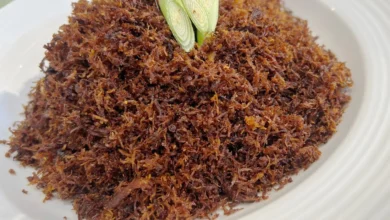
The protein element, teri jengki, is treated with distinct care. Before being combined with the vegetables, the dried anchovies are typically rinsed to remove excess surface salt, patted dry, and fried separately in hot oil until they achieve a deep golden-brown hue and a brittle, crunchy texture. By frying them independently and adding them either at the very end of the cooking process or as a final garnish, the cook preserves their crucial crunch, preventing them from dissolving into the vegetables.
Culinary Chronology: The Step-by-Step Methodology
Preparing a restaurant-quality plate of cah kangkung teri at home requires adherence to a precise chronological sequence. Because stir-frying is an instantaneous cooking method governed by thermal dynamics, preparation must precede execution entirely.
Phase 1: Ingredient Preparation and Mise en Place
Before igniting the heat, all components must be washed, chopped, and measured. One bundle of fresh water spinach is separated into tender leaves and crisp stem segments, cut into manageable lengths of approximately five centimeters. Five shallots and three cloves of garlic are peeled and sliced into uniform rounds. Three to five bird’s eye chilies are sliced obliquely to maximize surface area release. A half-cup of high-quality teri jengki is measured, rinsed briefly in cold water, and drained thoroughly.
Phase 2: Frying the Anchovies
A wok or large skillet is placed over medium heat with two tablespoons of neutral cooking oil. Once the oil shimmers, the drained anchovies are introduced. Stirring continuously to prevent burning, the anchovies are fried for approximately three to four minutes until they turn crisp and golden brown. They are then removed from the pan using a slotted spoon and drained on paper towels, leaving behind the flavorful, fish-infused oil.
Phase 3: Slicing and Sautéing the Aromatics
Using the remaining infused oil in the wok, the heat is increased to medium-high. The sliced shallots and garlic are added immediately, stirred vigorously for thirty to forty-five seconds until they become translucent and emit a rich, fragrant aroma. The sliced bird’s eye chilies are then tossed into the aromatic blend, releasing their volatile oils into the pan.
Phase 4: Incorporating the Water Spinach
The prepared water spinach stems are added to the wok first, as they require a slightly longer cooking duration. Stirring rapidly, the cook tosses the stems for approximately one minute. Immediately afterward, the delicate leafy portions of the spinach are introduced. A splash of water or vegetable broth, along with minimal seasoning—such as a pinch of salt, sugar, and optional fish sauce or oyster sauce—is added to create a light glaze. The entire vegetable mixture is tossed over high heat for no more than ninety seconds, ensuring the greens collapse slightly while retaining their vibrant emerald hue and crisp structural integrity.
Phase 5: Final Assembly and Plating
Just before removing the wok from the heat, half of the previously fried crispy anchovies are folded directly into the stir-fry, allowing them to absorb a hint of moisture while maintaining their structural bite. The finished dish is transferred immediately to a serving platter and garnished with the remaining reserved crispy anchovies on top.
Socio-Economic Implications and the Modern Food Landscape
The resilience and enduring appeal of dishes like cah kangkung teri offer fascinating insights into contemporary socio-economic dynamics within Indonesia and the broader Southeast Asian region. As inflationary pressures and economic fluctuations impact household budgets, consumers increasingly seek culinary solutions that maximize nutritional value and flavor without imposing a heavy financial burden.
Water spinach remains one of the most economically accessible vegetables in local markets, cultivated widely by smallholder farmers who rely on domestic supply chains. Similarly, dried anchovies represent an affordable, shelf-stable protein source that requires no complex cold-chain logistics, reducing retail costs and minimizing food waste. The accessibility of these ingredients democratizes good nutrition, ensuring that families across various income brackets can enjoy a meal that is both wholesome and deeply satisfying.
Furthermore, the resurgence of interest in traditional home cooking reflects a broader global movement toward culinary preservation and sustainable eating. Urban gastronomy trends increasingly celebrate regional recipes that utilize local biodiversity rather than imported, resource-intensive commodities. Culinary educators, food historians, and social media content creators play a pivotal role in documenting and transmitting these traditional cooking methods to younger generations, ensuring that the heritage of Indonesian street and home food continues to thrive in a digitalized world.
The Broader Cultural Impact of Communal Dining
Beyond its nutritional and economic dimensions, cah kangkung teri embodies the deeply communal nature of Indonesian dining culture. In traditional settings, a meal is rarely constructed around a single isolated dish; rather, it features a spread of communal plates placed at the center of the table, inviting family members or guests to customize their plates according to personal preference.
A plate of freshly prepared cah kangkung teri, with its contrasting elements of earthy greens, fiery chili heat, and intensely savory, crunchy anchovies, serves as a versatile companion to various staples. When paired with a steaming mound of fragrant jasmine rice and complemented by simple side dishes such as crispy tempeh goreng (fried fermented soybean cakes) or fluffy telur dadar (seasoned omelets), the dish completes a thoroughly balanced culinary experience. This sensory interplay of textures—the softness of rice, the crunch of vegetables, the crispness of protein, and the warmth of spices—creates a memorable dining experience that reinforces social bonds and familial identity.
Conclusion
The journey of cah kangkung teri from a simple riverbank plant and preserved sea catch to a celebrated staple of Indonesian domestic cuisine is a testament to human ingenuity and cultural heritage. By examining its historical roots, nutritional benefits, precise preparation methods, and socio-economic significance, one recognizes that true culinary excellence does not always require rare ingredients or elaborate techniques. Instead, it flourishes where fresh, local produce meets time-tested wisdom. As modern society navigates an increasingly complex food landscape, honoring and preserving such foundational recipes ensures that the rich, flavorful traditions of the past continue to nourish future generations.
Related posts: