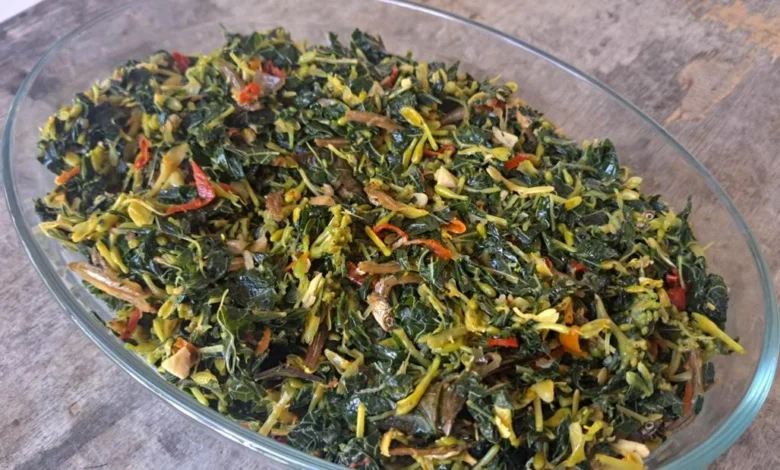
Jakarta — Known widely for its distinct and robust bitterness, the papaya leaf remains a cornerstone of traditional Southeast Asian gastronomy, particularly prized when transformed into savory stir-fries enhanced with regional aromatics. Despite its challenging flavor profile, this fibrous green vegetable has maintained a resilient presence in domestic kitchens across Indonesia, where culinary heritage often turns natural astringency into a sought-after delicacy. Recent culinary trends and traditional practices continue to highlight innovative ways to prepare this nutritious foliage, frequently pairing it with papaya blossoms and salty dried anchovies to balance its intense natural compounds.
Culinary Profile and Characteristics of Papaya Foliage
Papaya leaves (Carica papaya) possess unique botanical and textural characteristics that set them apart from standard leafy greens such as spinach or kale. Structurally, the leaves feature a high concentration of plant fibers, rendering them remarkably durable during the cooking process. Unlike delicate greens that wilt and dissolve rapidly under high heat, papaya leaves retain their structural integrity, making them exceptionally well-suited for aggressive cooking methods such as prolonged boiling, sautéing, and intense stir-frying.
The defining sensory attribute of the papaya leaf is its potent bitterness. This bitterness is primarily attributed to naturally occurring alkaloids and glycosides, specifically carpain, which serves as the plant’s defense mechanism against herbivores. While carpain exhibits various bioactive properties in scientific literature—including potential anthelmintic and cardiovascular effects—it presents a formidable barrier to the uninitiated palate. Consequently, culinary traditions across the Indonesian archipelago have developed sophisticated kitchen techniques designed to neutralize or mitigate this astringency without stripping the vegetable of its essential character and nutritional value.
Traditional and Modern Methods for Reducing Bitterness
Over generations, home cooks and professional chefs have engineered multiple distinct methodologies to tame the assertive bitterness of papaya leaves. These techniques rely on chemical reactions, heat application, and physical manipulation to break down or extract the bitter alkaloids before the final seasoning and cooking phases.
The most common baseline method involves thermal extraction through boiling. Submerging the leaves in boiling water for an extended duration—typically between 15 to 20 minutes—effectively leaches out a significant portion of the water-soluble bitter compounds into the cooking liquid, which is subsequently discarded.
An alternative mechanical technique involves physical maceration. Cooks frequently massage raw papaya leaves vigorously with coarse salt until the cellular walls begin to break down and the leaves achieve a semi-wilted state. The abrasive action of the salt, combined with physical pressure, helps express the bitter juices trapped within the fibrous tissue, which are then rinsed away prior to cooking.
In various regional traditions, more specialized culinary agents are employed. One historical method involves boiling the leaves alongside ampo—a sterilized, edible clay traditionally consumed or used in specific Javanese food preparations. The colloidal properties of the clay adsorb and neutralize bitter compounds. Similarly, modern kitchens occasionally utilize baking soda (sodium bicarbonate) introduced into the boiling water. The alkaline nature of baking soda accelerates the breakdown of plant cell walls and alters the chemical structure of the bitter alkaloids, though culinary experts advise caution to prevent the leaves from becoming excessively mushy.
The Synergy of Ingredients: Pairing with Blossoms and Anchovies
Once the bitterness has been successfully managed to the desired threshold, papaya leaves are frequently prepared using the oseng or tumis method—a rapid sautéing technique utilizing oil, shallots, garlic, chilies, and various savory pastes.
To elevate the dish, culinary practitioners often incorporate papaya blossoms (bunga pepaya). While the blossoms also carry a mild bitterness, their delicate, clustered texture contrasts sharply with the fibrous nature of the leaves, adding visual appeal and mouthfeel complexity to the vegetable platter.
The inclusion of dried anchovies (ikan teri) serves a critical flavor-balancing function. The natural umami and high sodium content of the anchovies provide a savory counterpoint to any lingering bitterness in the botanical ingredients. Cooks typically utilize specific varieties such as teri jengki or small-scale Medan anchovies (teri Medan), which crisp up during the stir-frying process, offering both a textural crunch and an intense saline depth that anchors the dish’s flavor profile.
Nutritional Value and Broader Health Implications
Beyond its role in traditional gastronomy, the incorporation of papaya leaves and blossoms into the regular diet carries notable nutritional and health implications. Dietary analyses of Carica papaya foliage indicate a rich profile of micronutrients, including significant concentrations of vitamins A, C, and E, which function as potent antioxidants combating cellular oxidative stress.
Furthermore, the presence of papain—a proteolytic enzyme concentrated in various parts of the papaya plant—aids in protein digestion. While much of the papain is denatured during high-heat cooking processes, the residual fibrous content of the leaves acts as an effective dietary fiber, promoting gastrointestinal motility and supporting a healthy gut microbiome.
Public health nutritionists note that traditional preparations of indigenous greens play a vital role in local food systems by providing affordable, nutrient-dense alternatives to commercially farmed vegetables. The practice of foraging or cultivating backyard papaya trees ensures continuous access to micronutrients across diverse socioeconomic strata.
Standardized Recipe: Stir-Fried Papaya Leaves and Blossoms with Anchovies
To preserve and propagate these culinary techniques, standardized institutional recipes have been developed for home kitchens seeking authentic regional flavors. The following preparation reflects traditional Javanese methodology categorized under vegetable side dishes (kategori masakan: sayur), designed to yield approximately two portions with a minimal difficulty rating.
Recipe: Oseng Daun dan Bunga Pepaya Campur Teri
Preparation and Cooking Duration: 30 minutes
Difficulty Level: Easy
Yield: 2 Portions
Origin: Java, Indonesia
Category: Vegetable Dish
Ingredients Required:
- Papaya leaves (cleaned and de-stemmed)
- Papaya blossoms
- Dried anchovies (teri Medan or teri jengki), rinsed and drained
- Shallots, thinly sliced
- Garlic, finely minced
- Red and bird’s eye chilies, sliced according to preferred heat level
- Cooking oil for sautéing
- Salt, sugar, and traditional savory seasonings to taste
- Water for initial boiling
Step-by-Step Cooking Instructions:
- Initial Treatment: Prepare the papaya leaves by thoroughly washing them. Submerge the leaves in a pot of boiling water for 15 to 20 minutes to reduce the baseline bitterness. Alternatively, massage the raw leaves with coarse salt until wilted, then rinse thoroughly.
- Blossom Blanching: Briefly blanch the papaya blossoms in hot water to remove excess bitterness, then drain and set aside alongside the boiled leaves.
- Aromatic Sautéing: Heat a moderate amount of cooking oil in a wok over medium heat. Sauté the sliced shallots, minced garlic, and chilies until fragrant and translucent.
- Anchovy Integration: Add the prepared dried anchovies into the aromatic mixture. Stir continuously until the anchovies become crisp and golden brown, releasing their savory oils into the pan.
- Combining Elements: Chop the pre-treated papaya leaves into manageable bite-sized pieces. Add both the leaves and the blanched blossoms into the wok, tossing them vigorously with the aromatics and anchovies.
- Seasoning and Finalizing: Season the mixture with salt and a touch of sugar to harmonize the flavor profile. Continue to stir-fry the entire composition over medium-high heat for 3 to 5 minutes until all components are thoroughly heated and integrated.
- Serving: Remove from heat and serve warm as a primary vegetable accompaniment to steamed white rice.
Cultural Significance and Economic Impact
The enduring popularity of stir-fried papaya leaves underscores a broader cultural appreciation for resourceful cooking within Indonesian culinary history. By transforming wild or easily accessible garden foliage into celebrated centerpieces of the daily meal, local food traditions demonstrate an advanced understanding of botanical processing and flavor balancing. As modern urban populations rediscover these heritage recipes, traditional ingredients like papaya leaves and blossoms continue to bridge the gap between historical agricultural practices and contemporary nutritional awareness.
Related posts: