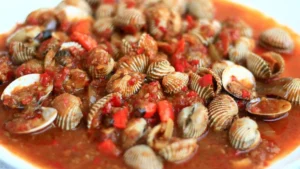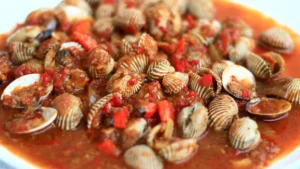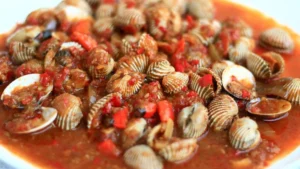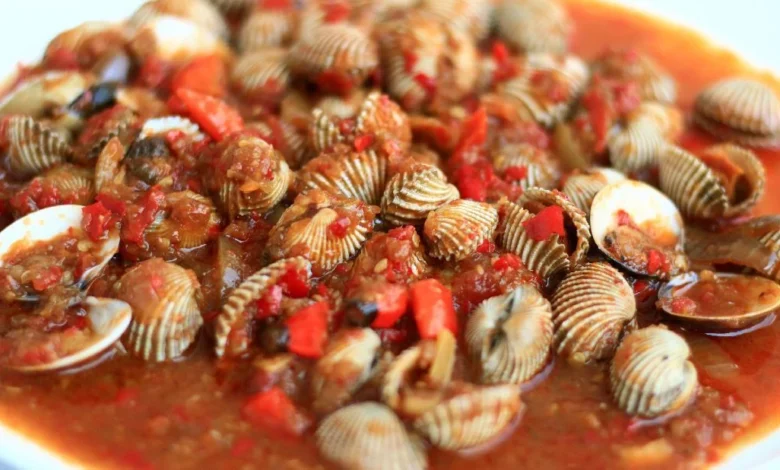
The vibrant culinary landscape of Jakarta and its surrounding metropolitan areas has long been defined by the ubiquitous presence of street-side seafood stalls, locally known as warung seafood tendaan. Among the myriad offerings that draw patrons to these bustling nocturnal culinary outposts, blood cockles, or kerang dara, occupy a position of enduring popularity. While traditional preparations often rely on simple boiling followed by a sharp, chili-infused dipping sauce, modern Indonesian gastronomy has embraced richer, more complex flavor profiles. Chief among these is the ubiquitous Padang sauce—a robust, fiery, and slightly sweet reduction that transforms humble seafood into a sensory experience. As urban consumers increasingly seek to replicate the distinct flavors of street food within their own kitchens, mastering the art of cooking blood cockles in Padang sauce has become a sought-after culinary skill for home cooks across the archipelago.
Background Context and Cultural Significance of Indonesian Seafood Culture
The appreciation for bivalves, particularly blood cockles, is deeply rooted in the coastal traditions of the Indonesian archipelago. Historically harvested by artisanal fishers from the shallow, nutrient-rich mudflats that line the coasts of Java, Sumatra, and Sulawesi, cockles have served as an accessible source of high-quality protein for generations. As urbanization accelerated throughout the late twentieth century, coastal culinary traditions migrated inland, finding a permanent home in the sprawling street food economy of Jakarta.
Street-side seafood vendors revolutionized the way these ingredients were consumed, shifting the perception of cockles from a humble subsistence meal to a communal delicacy enjoyed across socioeconomic divides. The introduction of regional flavor profiles, particularly the Padang-style sauce—borrowed from the Minangkabau culinary heritage of West Sumatra—demonstrated the adaptability of local seafood. Although Minangkabau cuisine traditionally relies on coconut milk and intricate spice pastes known as bumbu for meats and freshwater fish, the street-food adaptation of Padang sauce incorporates elements suited for seafood: a tomato base combined with chili, shallots, garlic, ginger, and aromatic leaves, designed to neutralize the natural metallic tang of bivalves while providing a lingering, warming heat.
Nutritional Profile and Market Demand for Blood Cockles
From a nutritional standpoint, blood cockles are an exceptionally dense source of essential micronutrients, making them a subject of interest for public health advocates and culinary nutritionists alike. Rich in elemental iron, vitamin B12, selenium, and lean protein, inclusion of bivalves in the diet supports cognitive function, red blood cell production, and metabolic health. According to agricultural and fisheries market data in Southeast Asia, the demand for locally sourced bivalves remains consistently high, driven by both traditional wet markets and modern hypermarkets supplying urban centers like Jakarta.
Despite their nutritional benefits, preparing blood cockles requires meticulous attention to food safety and handling protocols. Because bivalves are filter feeders, they accumulate suspended matter from their aquatic environments, necessitating thorough purging and cleansing before cooking. Culinary experts emphasize that the boiling phase prior to sauce integration serves not only a textural purpose but also functions as a critical sanitary measure to ensure consumer safety.
Step-by-Step Culinary Methodology: Blood Cockles in Padang Sauce
Preparing an authentic rendition of this dish at home requires precision, timing, and a carefully balanced selection of ingredients. Below is the comprehensive preparation framework for a standard four-portion recipe, designed to achieve the signature balance of spicy, sweet, and savory notes characteristic of premier Indonesian seafood establishments.
Preparation and Cooking Parameters
- Duration: 45 minutes
- Difficulty Level: Intermediate
- Yield: 4 servings
- Culinary Region: Nusantara (Indonesia)
- Food Category: Seafood
Comprehensive Ingredient Inventory
To execute this recipe successfully, the following components must be assembled prior to initiating the cooking process:
- Primary Ingredient: 1 kilogram of fresh blood cockles (kerang dara), thoroughly scrubbed under cold running water and soaked to remove residual sand.
- Aromatic Base (Bumbu Halus): 8 shallots, 4 cloves of garlic, 5 large red chilies (deseeded for a milder profile or left intact for elevated heat), 3 bird’s eye chilies (cabai rawit) for sharp localized spice, and a 2-centimeter piece of fresh ginger.
- Aromatics and Herbs: 2 stalks of fresh lemongrass (sereh), bruised; 3 kaffir lime leaves (daun jeruk), central veins removed; 2 centimeters of galangal (laos), bruised.
- Sauce Modifiers: 3 tablespoons of chili sauce (sambal botol), 2 tablespoons of tomato ketchup or puree, 1 tablespoon of oyster sauce, and 1 tablespoon of sweet soy sauce (kecap manis) to balance the acidity.
- Seasoning and Cooking Medium: 100 milliliters of fresh water or light chicken stock, 1 teaspoon of granulated sugar, salt to taste, white or black pepper, and cooking oil for sautéing.
Detailed Chronological Cooking Instructions
Step 1: Cleansing and Pre-Boiling
Begin by immersing the fresh blood cockles in a basin of salted water for approximately 30 minutes to encourage the expulsion of trapped grit. Rinse the shells rigorously under cold running water using a stiff brush to remove external debris. Bring a large pot of water to a rolling boil. Introduce the cleaned cockles and blanch them for precisely 2 to 3 minutes, or until the shells begin to open naturally. Drain the cockles immediately and set them aside. Discard any specimens that remain tightly closed after boiling, as this indicates they were not viable prior to cooking.
Step 2: Preparing the Aromatic Paste
Using a traditional stone mortar and pestle or an electric food processor, grind the shallots, garlic, large red chilies, bird’s eye chilies, and ginger until a smooth, uniform paste is achieved. Ensure that no large particulate matter remains, as a fine paste ensures even distribution of flavor throughout the reduction process.
Step 3: Sautéing and Releasing Aromas
Heat two tablespoons of cooking oil in a wide wok or deep skillet over medium heat. Introduce the ground aromatic paste, bruised lemongrass, kaffir lime leaves, and bruised galangal to the pan. Stir continuously for 4 to 6 minutes until the raw pungent aroma of the shallots and garlic dissipates and the mixture deepens in color, indicating that the natural oils have separated from the paste.
Step 4: Constructing the Padang Sauce
Reduce the heat to low. Incorporate the chili sauce, tomato ketchup, oyster sauce, and sweet soy sauce directly into the aromatic mixture. Stir thoroughly to combine. Pour in the 100 milliliters of water or light stock to create a cohesive sauce consistency. Season with salt, pepper, and sugar, adjusting the balance according to personal preference. Allow the mixture to simmer gently for 3 to 5 minutes, permitting the flavors to meld and thicken into a glossy glaze.
Step 5: Integration and Final Reduction
Add the pre-boiled blood cockles into the wok, tossing them vigorously to ensure every shell is thoroughly coated in the Padang sauce. Increase the heat to medium-high and allow the cockles to cook in the sauce for an additional 3 to 5 minutes. This brief final phase ensures that the deep flavors of the reduction penetrate the meat within the shells without overcooking the bivalves, which can cause the protein to become rubbery.
Step 6: Plating and Service
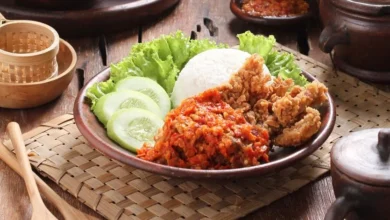
Transfer the finished blood cockles in Padang sauce onto a wide serving platter, garnishing with freshly chopped scallions or fried shallots if desired. The dish is best served immediately while hot, accompanied by a generous portion of steaming white rice. To complete the culinary experience, traditional Indonesian dining protocol suggests pairing the meal with fibrous green vegetables such as stir-water spinach (cah kangkung) or blanched bean sprouts (tauge) to counterbalance the rich, spicy profile of the primary dish.
Broader Economic and Culinary Implications
The enduring popularity of dishes like blood cockles in Padang sauce underscores the vital role that street food culture plays in shaping national culinary identity and supporting micro-economies across Indonesia. From independent fishermen and wet market vendors to urban culinary entrepreneurs operating street-side tents, the supply chain for seafood remains a significant driver of localized commerce. Furthermore, the accessibility of these recipes in the digital age empowers consumers to recreate restaurant-quality dining experiences within domestic environments, ensuring that traditional flavors continue to evolve and persist in modern households. As culinary documentation becomes increasingly sophisticated, traditional Indonesian street food continues to transition from informal nocturnal fare into a celebrated pillar of the nation’s diverse gastronomic heritage.