The Ultimate Guide to Making Crispy and Savory Stuffed Tofu At Home With Three Authentic Regional Recipes

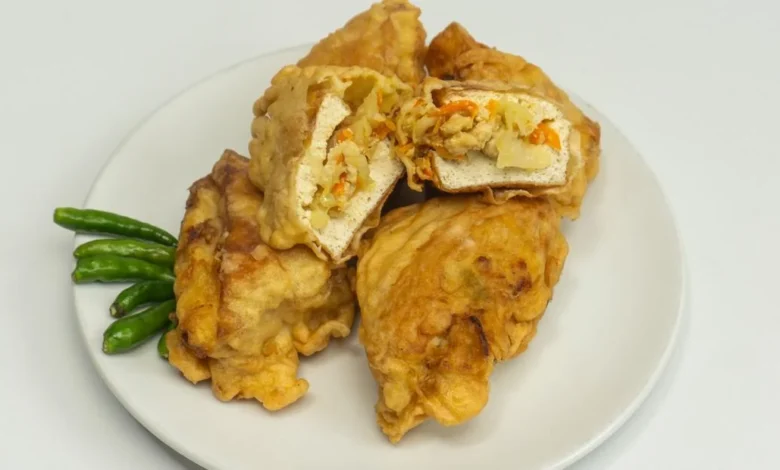
The culinary landscape of Southeast Asia boasts an impressive array of fried street foods, locally known as gorengan, which serve as foundational comfort foods across various socioeconomic strata. Among the pantheon of crispy, savory delicacies, tahu isi—or stuffed tofu—occupies a position of enduring popularity. Traditionally crafted from hollowed-out fried tofu skin (tahu kulit) or firm tofu puffs (tahu pong), this ubiquitous snack is distinguished by its contrasting textures: a shatteringly crisp exterior batter encasing a warm, flavorful, and often aromatic interior. While street food vendors across Indonesia have perfected the art of mass-producing these savory parcels for afternoon snacking, replicating or elevating the experience within a home kitchen has become an increasingly popular culinary endeavor for families seeking both hygiene and customization.
The historical evolution of tahu isi in the Indonesian archipelago reflects a broader tradition of culinary adaptation, where Chinese-influenced soy products merged seamlessly with local agricultural abundance and spice profiles. Tofu, originally introduced to the region centuries ago by Chinese traders and immigrants, quickly integrated into local diets due to its affordability and versatility. Over generations, home cooks and culinary artisans began experimenting with stuffing the neutral canvas of fried tofu with localized ingredients—most notably julienned root vegetables, protein-rich glass noodles, and robust spice pastes. Today, the snack exists in numerous regional iterations, stretching from the traditional vegetable-packed versions of Central and East Java to the meat-and-potato-stuffed variations inspired by neighboring Malaysia, known regionally as tahu bergendil.
From a nutritional and gastronomic standpoint, the appeal of homemade tahu isi lies heavily in the precise control over ingredients, cooking oils, and frying temperatures. Commercial street vendors frequently prioritize speed and cost-efficiency, which can occasionally lead to the use of reused frying oils and heavy sodium profiles. Conversely, preparing tahu isi at home allows culinary enthusiasts to select premium plant-based proteins, fresh organic vegetables, and high-smoke-point oils, transforming a simple street food into a wholesome, customizable appetizer. Furthermore, mastering the science of the batter—achieving the optimal ratio of all-purpose flour to rice flour or cornstarch—ensures that the final product maintains its structural integrity and crunch long after exiting the frying pan.
Culinary experts and home economics researchers often emphasize that the success of any fried snack hinges upon thermodynamics and moisture management. When preparing stuffed tofu, excess moisture from blanched vegetables or soaked glass noodles represents the primary enemy of crispiness. Professional chefs recommend thoroughly pressing and draining vegetable fillings and ensuring that glass noodles are meticulously tossed with aromatics before encasing them within the tofu cavity. Additionally, the coating batter must maintain a viscosity similar to heavy cream—thick enough to cling evenly to the porous tofu surface, yet thin enough to prevent a doughy, heavy crust. Maintaining a consistent frying temperature between 175°C and 180°C ensures that the exterior achieves a golden-brown Maillard reaction without burning before the interior reaches optimal serving temperature.
To provide a comprehensive blueprint for culinary enthusiasts, the following sections detail three distinct, thoroughly tested recipes for crafting exceptional stuffed tofu at home. These recipes range from the classic vegetable-stuffed variety native to Javanese culinary traditions to the savory glass noodle variation and the cross-cultural Malaysian-inspired tahu bergendil. Each recipe has been carefully calibrated for home kitchens, complete with precise measurements, step-by-step preparation methodologies, and traditional accompaniment suggestions designed to elevate the dining experience.
Recipe 1: Classic Javanese Vegetable Stuffed Tofu (Tahu Isi Sayur)
Rooted deeply in the agrarian traditions of Java, the vegetable-stuffed tofu remains the quintessential baseline for all modern iterations. The filling relies on a harmonious balance of sweet carrots, crisp cabbage, and earthy bean sprouts, bound together by a subtle yet aromatic garlic and shallot base.
Cooking Duration and Metrics
- Preparation and Cooking Time: 45 minutes
- Difficulty Level: Easy
- Yield: 5 servings
- Regional Origin: Java, Indonesia
- Culinary Category: Tofu Appetizers
Essential Ingredients for Vegetable Filling
- 15 to 20 pieces of ready-to-use hollow fried tofu (tahu pong or tahu kulit)
- 100 grams white cabbage, shredded thinly
- 2 medium carrots, peeled and cut into fine matchsticks (julienne)
- 100 grams fresh mung bean sprouts (tauge), washed and drained
- 2 stalks spring onions, finely chopped
- 2 tablespoons vegetable oil for sauteing
Aromatic Spice Paste for Filling
- 4 cloves garlic, minced
- 5 cloves shallots, minced
- 1 teaspoon white pepper powder
- 1 teaspoon sea salt
- 1/2 teaspoon mushroom bouillon or chicken powder
Batter Coating Ingredients
- 100 grams all-purpose flour
- 2 tablespoons rice flour (to enhance crispiness)
- 1/2 teaspoon ground turmeric (optional, for a golden hue)
- 1/2 teaspoon sea salt
- 1/2 teaspoon garlic powder
- 250 to 300 milliliters cold water (adjusted gradually to achieve coating consistency)
Step-by-Step Preparation Method
- Prepare the Aromatic Base: Heat two tablespoons of vegetable oil in a wok over medium heat. Add the minced shallots and garlic, sauteing continuously until the aromatics become translucent and release a fragrant aroma.
- Incorporate the Vegetables: Introduce the carrot matchsticks into the wok, stirring for approximately two minutes until they begin to soften. Follow with the shredded cabbage and continue to saute until the vegetables reduce in volume and reach a tender-crisp texture.
- Finalize the Filling: Lower the heat, then fold in the fresh mung bean sprouts, chopped spring onions, salt, white pepper powder, and bouillon. Stir rapidly for no more than one minute to prevent the bean sprouts from becoming overly soggy. Remove the wok from the heat and allow the vegetable mixture to cool completely at room temperature.
- Stuff the Tofu: Take each piece of tofu pong and make a neat horizontal slit along one side, creating a pocket. Carefully stuff each pocket with the cooled vegetable mixture using a small spoon, pressing gently to ensure the cavity is densely packed without tearing the delicate tofu skin. Repeat until all tofu pieces are filled.
- Mix the Batter: In a mixing bowl, combine the all-purpose flour, rice flour, turmeric, salt, garlic powder, and cold water. Whisk vigorously until the batter is completely smooth and free of lumps, ensuring it possesses a medium-bodied consistency that coats the back of a spoon.
- Frying Process: Pour sufficient cooking oil into a deep skillet or wok and heat over medium-high flame until it reaches 175°C. Dip each stuffed tofu parcel individually into the batter, ensuring total coverage of the exterior surface. Gently slide the battered tofu into the hot oil.
- Drainage and Presentation: Fry the stuffed tofu in batches, turning occasionally, until the coating turns an even golden-brown and develops a rigid, crunchy crust (approximately 4 to 5 minutes per batch). Remove with a slotted spoon, drain thoroughly on a wire rack or paper towels, and serve immediately while hot alongside raw bird’s eye chilies or authentic Indonesian soy-chili dip.
Recipe 2: Savory Glass Noodle Stuffed Tofu (Tahu Isi Bihun)
For those desiring a heartier, more substantial filling, the glass noodle variation offers a delightful textural contrast. The delicate transparency of mung bean or corn vermicelli absorbs the savory spices and rendered vegetable juices, creating a comforting, flavorful core wrapped within the crispy outer shell.
Complete Ingredient Manifest
- 15 to 20 pieces of ready-to-use hollow fried tofu (tahu pong)
- 1 package (approximately 50 grams) dried corn vermicelli or glass noodles (bihun), soaked in hot water until softened, then drained and coarsely chopped
- 1 medium carrot, cut into fine matchsticks
- 1 stalk celery, finely chopped
- 1 stalk spring onion, thinly sliced
- Cooking oil for deep frying
Vermicelli Seasoning Components
- 5 shallots, finely minced
- 3 cloves garlic, finely minced
- 1/2 teaspoon ground black or white pepper
- 1/2 teaspoon fine sea salt
- 1/2 teaspoon chicken or mushroom bouillon powder
- 3 tablespoons water
Batter Coating Formulations
- 8 to 10 tablespoons all-purpose flour
- 1 to 2 tablespoons cornstarch or rice flour
- 1/2 teaspoon fine sea salt
- 1/2 teaspoon ground pepper
- Approximately 300 milliliters water (mixed gradually)
Methodical Cooking Instructions
- Saute the Aromatics: Heat a small amount of oil in a skillet. Add the minced shallots and garlic, stirring until aromatic and lightly golden.
- Build the Flavor Base: Add the carrot matchsticks and cook for two minutes. Pour in the three tablespoons of water, salt, pepper, and bouillon powder, stirring until the carrots are half-cooked and the seasonings are evenly distributed.
- Integrate the Noodles: Add the soaked and drained glass noodles into the skillet. Toss continuously using tongs or chopsticks until the noodles absorb the liquid and seasonings uniformly. Turn off the heat.
- Finish the Filling: Stir in the chopped celery and spring onions for an aromatic herbal finish. Transfer the noodle mixture to a bowl to cool.
- Assembly: Slice open each piece of tofu pong. Stuff the cavities generously with the seasoned glass noodle mixture until well-packed.
- Prepare Batter and Fry: Whisk the batter ingredients together in a bowl until smooth. Heat ample oil in a deep frying pan. Dip the stuffed tofu into the batter to coat evenly, then drop carefully into the hot oil.
- Final Cooking: Fry until golden brown and crispy. Drain excess oil and serve hot with sweet chili sauce or fresh bird’s eye chilies.
Recipe 3: Malaysian-Inspired Tahu Bergendil with Spicy Sweet Soy Dip
Representing a fascinating cross-cultural fusion, tahu bergendil merges the traditional deep-fried tofu of the Nusantara region with the rich, spiced potato patty concepts found in Malaysian cuisine. Each bite delivers a dual gastronomic experience: the crisp exterior of the tofu yielding immediately to a rich, savory filling composed of mashed potatoes, minced meat, and aromatic spices.
Comprehensive Ingredients List
- 20 pieces of firm fried Sumedang tofu (tahu sumedang)
- Cooking oil for frying
Filling Formulation
- 2 medium potatoes (approximately 300 grams), peeled and sliced into 1/2-centimeter thick rounds
- 100 grams minced beef or chicken meat
- 1 large egg
- 1 teaspoon chicken bouillon powder
- Cooking oil for frying potatoes
Fine Spice Paste (Bumbu Halus)
- 1/8 portion of a whole nutmeg seed
- 1 tablespoon crispy fried shallots
- 1/2 teaspoon whole peppercorns
- 1 teaspoon fine sea salt
Coating Layer
- 2 large chicken eggs, beaten thoroughly with 2 tablespoons of water
Accompanying Sweet Chili Soy Dip (Sambal Kecap Rawit)
- 150 milliliters sweet soy sauce (kecap manis)
- 5 red bird’s eye chilies, thinly sliced
- 1 tablespoon fresh lime juice
Step-by-Step Preparation Protocol
- Prepare the Tofu Shells: Make a small incision on one side of each Sumedang tofu piece. Gently scoop out and reserve the soft white interior flesh. Set the hollowed tofu shells aside.
- Cook the Potatoes: Soak the potato slices in cold water for ten minutes to remove excess surface starch, then drain thoroughly. Heat oil in a skillet and fry the potato slices until cooked through and lightly golden brown on the edges. Remove while warm and mash thoroughly until smooth.
- Combine the Filling: In a mixing bowl, combine the mashed potatoes, minced meat, reserved white tofu flesh, chicken bouillon powder, beaten egg, and the finely ground spice paste (nutmeg, fried shallots, peppercorns, and salt). Mix vigorously until all components form a unified, cohesive dough.
- Stuff the Tofu: Firmly pack the potato and meat mixture into the hollowed Sumedang tofu shells until slightly mounded at the opening.
- Coat and Fry: Heat abundant cooking oil in a deep pan over medium-high heat. Dip each stuffed tofu piece into the beaten egg wash, ensuring the exposed filling is completely sealed by the egg coating. Immediately lower into the hot oil.
- Fry to Perfection: Cook until the exterior egg coating and tofu turn deep golden brown and crispy. Remove, drain thoroughly on absorbent paper, and serve hot.
- Prepare Dip: Whisk together the sweet soy sauce, sliced bird’s eye chilies, and fresh lime juice in a small bowl. Serve alongside the warm tahu bergendil for an exceptional balance of savory, spicy, and tangy flavors.
Related posts: