Transforming the Humble Fried Egg: The Rise of Spicy Balado Telur Ceplok as an Economic and Culinary Stapal in Modern Indonesian Households

The economic pressures faced by urban residents, particularly students and young professionals residing in metropolitan areas such as Jakarta, have continuously driven culinary innovation within the confines of modest kitchens. Among the myriad quick-fix meals that characterize the modern budget-conscious lifestyle, the humble fried egg—locally known as telur ceplok—has undergone a significant transformation. No longer relegated to a mere breakfast staple or a last-resort meal, the fried egg is increasingly being elevated through the application of traditional Indonesian spice pastes, most notably sambal balado. This culinary adaptation represents more than just a passing trend; it serves as a practical response to inflation, rising food costs, and the ongoing demand for efficient, high-protein nutrition among budget-dependent demographics.
Main Facts of the Culinary Adaptation
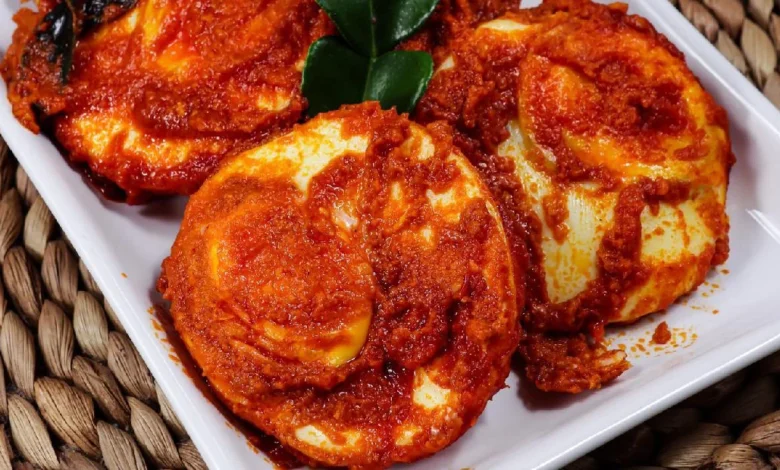
The preparation of telur ceplok balado involves frying chicken eggs until the edges and surfaces achieve a crisp texture, allowing them to thoroughly absorb a rich, spicy chili paste. This method diverges from traditional soft-yolked preparations by prioritizing structural integrity, ensuring that the egg can withstand the robust, oil-rich balado seasoning without disintegrating. Culinary experts and home cooks alike have identified this dish as an ideal solution for end-of-the-month financial constraints—colloquially referred to in Indonesia as tanggal tua—when household budgets are typically exhausted.
The standard recipe requires basic, accessible ingredients: five fresh chicken eggs, cooking oil, ground pepper, mushroom bouillon, granulated sugar, and salt. The defining element, the chili seasoning or bumbu cabe, consists of 100 milliliters of vegetable oil combined with a finely ground mixture of curly red chilies, bird’s eye chilies, shallots, garlic, and fresh tomatoes. The dish is typically garnished with coarsely chopped scallions and served alongside a steaming portion of white rice, occasionally accompanied by fried tempeh or eggplant to enhance both volume and nutritional value.
Socioeconomic Context and the Student Budget Phenomenon
To understand the proliferation of recipes like telur ceplok balado, one must examine the socioeconomic landscape of Indonesia’s major urban centers. Millions of students, commonly referred to as anak kos, migrate from various regions to cities like Jakarta, Yogyakarta, and Bandung to pursue higher education or early-career employment. Living independently in rented rooms equipped with minimal kitchen facilities, these individuals must navigate tight monthly allowances amidst fluctuating consumer price indices for staple goods.
Data from Indonesia’s Central Statistics Agency (BPS) historically highlights the sensitivity of urban households to price volatility in staple commodities such as chili peppers, shallots, and cooking oil. When inflation rates rise or supply chain disruptions cause spikes in the prices of beef and poultry, consumers pivot toward eggs as their primary, cost-effective source of animal protein. Consequently, culinary experimentation with eggs has become a matter of both economic necessity and cultural preservation, allowing young urbanites to recreate the comforting flavors of home-cooked Indonesian cuisine on a restricted budget.
Chronology of the Balado Culinary Tradition
The incorporation of balado into daily Indonesian cooking is deeply rooted in the culinary heritage of the Minangkabau people of West Sumatra. Historically, balado was developed as both a flavor profile and a preservation technique, utilizing copious amounts of chili, shallots, and hot oil to coat various proteins and vegetables, thereby extending their shelf life in a tropical climate.
Over the decades, as regional Indonesian cuisine disseminated nationally through migration and the restaurant industry, balado evolved from a distinct West Sumatran specialty into a pan-Indonesian flavor base. Initially applied primarily to beef, fish, and hard-boiled eggs (known as telur balado), the seasoning gradually found its way into modern, simplified household repertoires. The adaptation of balado specifically for fried eggs (telur ceplok) gained significant traction with the advent of digital recipe sharing, food blogging, and social media platforms. Throughout the 2010s and 2020s, online culinary content creators popularized quick, step-by-step guides tailored to apartment dwellers and students, cementing the dish as a digital-age staple of resourceful cooking.
Nutritional and Economic Implications
From a nutritional perspective, eggs remain one of the most complete and bioavailable sources of high-protein nutrition available to consumers. A single large chicken egg provides essential amino acids, choline, and various vitamins, making it a critical dietary component for growing students and young professionals maintaining active schedules. When paired with chili peppers—which are rich in capsaicin, vitamin C, and antioxidants—the dish offers metabolic and immune-boosting properties, albeit accompanied by elevated sodium and oil levels depending on the preparation method.
Economically, the reliance on such home-cooked preparations reflects broader trends in consumer behavior during periods of economic uncertainty. Financial analysts and consumer behavior researchers note that when purchasing power tightens, dining out is frequently replaced by home preparation of high-yield, low-cost meals. The versatility of the telur ceplok balado recipe—allowing for the inclusion of low-cost complementary ingredients like tempeh, tofu, or locally sourced vegetables—maximizes caloric intake per rupiah spent. This adaptability ensures that households can maintain dietary diversity without increasing their overall food expenditure.
Culinary Insights and Expert Perspectives
While formal culinary institutions rarely issue policy statements on student meals, food historians and gastronomy experts frequently comment on the cultural significance of adaptive cooking. Culinary sociologists observe that dishes like telur ceplok balado exemplify the resilience of traditional flavor profiles in contemporary urban settings. Rather than abandoning complex traditional seasonings due to a lack of time or equipment, modern consumers adapt these techniques to fit fast-paced, resource-limited lifestyles.
Professional chefs have also weighed in on the mechanics of achieving the ideal fried egg balado. According to culinary guidelines, the secret lies in the frying technique: the oil must be sufficiently heated to crisp the exterior of the egg white while maintaining a manageable yolk consistency, depending on personal preference. Furthermore, allowing the ground spice paste to simmer adequately in the oil until the raw aroma of the shallots and garlic dissipates is critical to achieving a balanced flavor profile that complements, rather than overpowers, the egg.
Broader Impact on Food Culture and Digital Media
The popularity of recipes designed for budget-conscious demographics extends far beyond individual kitchens, significantly influencing digital food media in Southeast Asia. Content creators focusing on practical, low-cost recipes frequently report high engagement metrics, indicating a robust public appetite for content that addresses daily financial realities through creative cooking. This digital ecosystem fosters a sense of shared community among urban migrants, who exchange tips, modifications, and personal anecdotes related to surviving financial constraints in metropolitan areas.
Moreover, the commercial impact of such viral recipes ripples through traditional markets and neighborhood grocery stalls (warung). Demand for staples such as shallots, garlic, chilies, and eggs remains consistently high, driven by the recurring need for accessible meal solutions. Local vendors benefit from this steady, predictable consumption pattern, which anchors the micro-economy of residential neighborhoods across Indonesian cities.
Conclusion
The enduring appeal of telur ceplok balado transcends its status as a mere internet recipe or a convenient student meal. It represents a successful synthesis of traditional Indonesian culinary heritage and modern economic pragmatism. By transforming basic ingredients into a flavorful, satisfying dish, urban consumers continue to demonstrate resourcefulness in the face of financial challenges. As economic pressures and lifestyle demands continue to evolve, the ability to innovate within the kitchen using accessible staples will remain a defining characteristic of contemporary Indonesian food culture, ensuring that humble dishes like the balado-spiced fried egg retain their prominent place on dining tables nationwide.
Related posts: