Cucumber Salad with Sesame and Rice Vinegar Takes Center Stage in Modern Home Cooking Amid Rising Summer Heatwaves

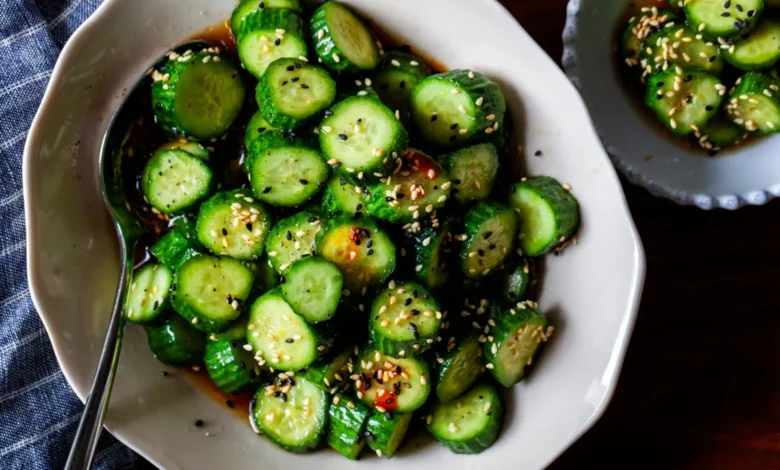
The culinary landscape is witnessing a notable shift toward minimalist, highly refreshing side dishes as communities navigate consecutive summer heatwaves marked by elevated temperatures. At the forefront of this seasonal shift is the humble cucumber salad, a staple that has recently garnered renewed attention across digital culinary archives and home kitchens alike. While cucumbers have long served as a dietary staple consumed globally on a frequent basis, their formal representation in structured recipe databases has historically remained disproportionately low relative to their actual household consumption. Culinary experts attribute this gap to the innate simplicity of the ingredient, which traditionally requires little systematic fine-tuning or complex operational steps compared to elaborate multi-course meals.
Background Context and Culinary Origins
The preparation methods gaining widespread traction draw heavily from traditional Japanese culinary practices, specifically a category of dishes known as sunomono, which translates literally to "vinegared things." Historically, sunomono encompasses a broad spectrum of raw vegetables or seafood marinated in a balanced, sweet and tangy rice vinegar dressing. In contemporary home applications, however, culinary practitioners have begun adapting these foundational techniques to match modern lifestyle constraints and flavor preferences.

Unlike traditional iterations that frequently incorporate refined sugars and prolonged salting phases, modern adaptations often streamline the process. The technique typically involves cutting cucumbers into more substantial, robust shapes and applying a brief salting process. By allowing the salt to draw out excess moisture over a short window—ranging from as little as ten minutes to several hours—the cellular structure of the cucumber undergoes a controlled osmotic shift. This moisture deficit creates an internal environment highly receptive to subsequent marinades, enabling the vegetable to absorb complex flavor profiles more efficiently without
losing its characteristic structural crunch.
Integration with Weeknight Dining and Household Dynamics
Within domestic settings, vinegared cucumber salads function as a versatile accompaniment to a wide variety of global cuisines, most notably complementing stir-fries, noodle dishes, and traditional potstickers. Nutritional and culinary analysts note that dishes offering high water content, crunch, and acidity play an essential sensory role in balancing heavy or carbohydrate-dense meals.

The widespread adoption of these recipes aligns with broader post-pandemic trends emphasizing home-prepared meals that require minimal active cooking time. With consumers increasingly seeking efficient ways to incorporate fresh produce into daily routines, preparations utilizing readily accessible pantry staples—such as rice vinegar, sesame oil, soy sauce, and toasted seeds—have surged in popularity. Home cooks frequently scale these recipes upward to accommodate family consumption patterns, noting that leftover portions often develop a deeper, gently pickled profile after resting in refrigerated storage for forty-eight to seventy-two hours.
Community Outreach and Educational Support Initiatives
Parallel to culinary developments, prominent digital food platforms have increasingly leveraged their reach to support broader philanthropic and educational initiatives. The launch of the annual Classroom Wishlist Project exemplifies a growing intersection between digital community platforms and public education support. This nationwide initiative connects educators facing resource shortages with community donors willing to purchase essential classroom supplies, including books, writing instruments, and organizational materials.
Data compiled from educational non-profits indicate that public school teachers routinely spend hundreds of dollars out of pocket annually to furnish learning environments adequately. By utilizing centralized digital directories and standardized spreadsheets, community-driven projects facilitate targeted contributions, allowing donors to support specific geographic regions, historically significant institutions, or classrooms addressing specialized learning needs. Organizers emphasize that contributions of varying scales collectively alleviate financial burdens on educators, directly impacting student engagement and classroom efficacy at the commencement of the academic year.

Standardized Preparation Methodology
For culinary professionals and home cooks seeking to replicate or standardize the preparation of sesame and rice vinegar cucumber salads, structured methodology focuses on precise component integration and timing control.
Ingredients and Proportions:
- Fresh cucumbers (such as English or Persian varieties), sliced or chunked
- Kosher or fine sea salt, adjusted to volume
- Rice vinegar, unseasoned
- Toasted sesame oil
- Soy sauce or tamari
- Black pepper or white pepper
- Chili oil or crisp (optional, for heat)
- Toasted sesame seeds for final presentation
Step-by-Step Chronology of Preparation:

- Combination and Osmosis: Combine the sliced or chunked cucumbers with salt in a non-reactive mixing vessel. Allow the mixture to rest at room temperature for a minimum of 10 to 15 minutes, or refrigerate for up to two hours depending on scheduling constraints.
- Drainage: Thoroughly drain all accumulated liquid released from the cucumbers during the resting phase to prevent dilution of the final dressing.
- Dressing Integration: Introduce the rice vinegar, sesame oil, soy sauce, and pepper directly to the drained cucumbers. Toss thoroughly to ensure uniform distribution across all surfaces.
- Finishing: Incorporate chili oil and a generous garnish of toasted sesame seeds immediately prior to service.
- Storage and Preservation: Store any remaining portions in an airtight container within a refrigerated environment. Consumption within two to three days is recommended to maintain optimal texture while allowing the secondary light-pickling effect to mature.
Broader Implications and Market Outlook
The resurgence of simple, vegetable-forward side dishes reflects a broader consumer movement toward functional nutrition, minimal food waste, and efficient domestic resource management. As supply chains fluctuate and grocery expenditures remain a primary concern for households, versatile produce items like cucumbers offer high nutritional yields and cost-effectiveness. Furthermore, the integration of culinary content with charitable community projects demonstrates the evolving role of digital food media as a catalyst for civic engagement, uniting widespread consumer audiences around shared domestic practices and philanthropic causes.