The Ultimate 5-Minute High-Protein Mediterranean Cottage Cheese Bowl: A Dietitian’s Modern Take on a Retro Classic


The culinary landscape of the twenty-first century has witnessed a remarkable resurgence of retro ingredients, none more surprising than the widespread rehabilitation of cottage cheese. Once dismissed as a bland, watery emblem of 1970s and 1980s restrictive diet culture, the mild-curd cheese has transitioned from a punchline to a powerhouse staple of modern high-protein nutrition. Spearheading this gastronomic evolution is registered dietitian and nutrition expert Elena Paravantes, MS, RDN, who has formulated a contemporary, no-cook culinary application that marries American high-protein dietary trends with the robust, heart-healthy principles of the traditional Mediterranean diet: the Mediterranean Cottage Cheese Bowl.
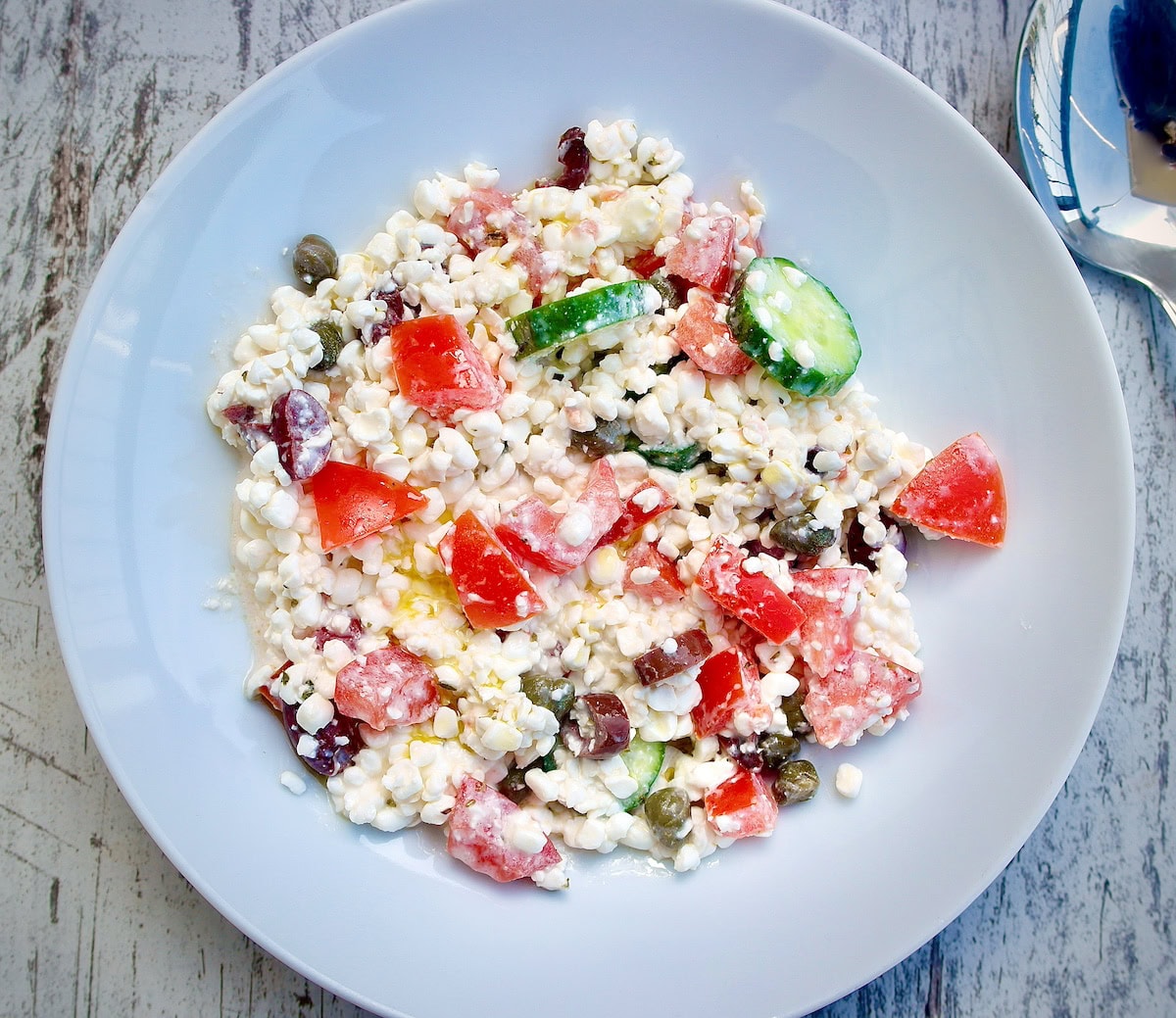
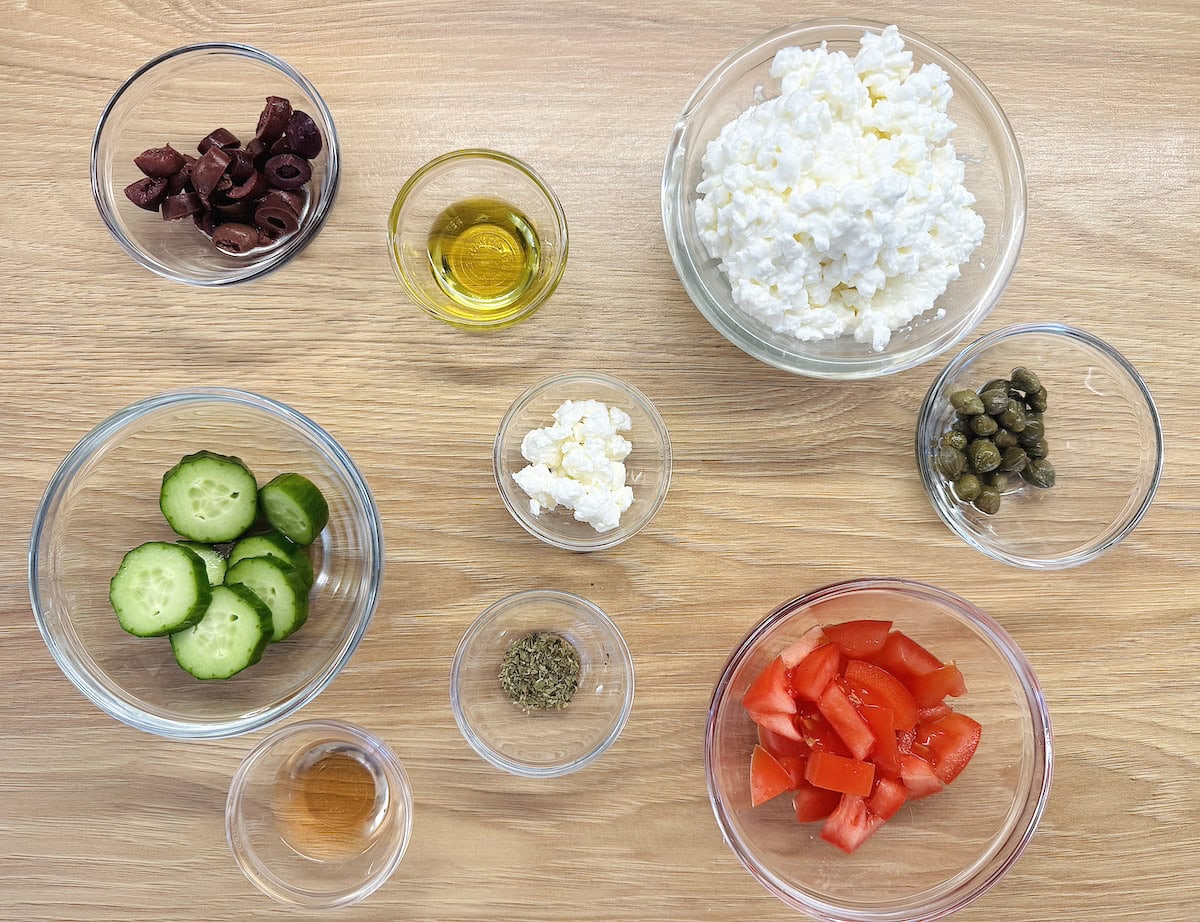
Ready in a mere five minutes and clocking in at approximately 310 calories while delivering an impressive 25 grams of protein, this dish has captured the attention of health-conscious consumers seeking convenience without sacrificing nutritional integrity. By pairing the creamy, neutral base of cottage cheese with crisp cucumbers, juicy tomatoes, briny Kalamata olives, capers, savory feta cheese, and a generous drizzle of extra-virgin olive oil, the recipe transcends its mid-century origins to offer a balanced, satiating meal that fits seamlessly into contemporary fast-paced lifestyles.
The Evolution of Cottage Cheese: From Diet Fad to Nutritional Heavyweight
To understand the current popularity of the Mediterranean cottage cheese bowl, one must examine the cultural trajectory of the cheese itself. In the mid-to-late twentieth century, cottage cheese became deeply entrenched in the American consciousness as the quintessential "diet food." It was routinely served on a lettuce leaf alongside a canned peach half, marketed primarily to women seeking rapid weight loss through caloric restriction. While effective for reducing calorie intake, this presentation did little to elevate the culinary appeal of the product, leading to a generational association with blandness and deprivation.
However, the recent cultural obsession with dietary protein has fundamentally shifted consumer perceptions. Fitness enthusiasts, athletes, and everyday consumers looking to stabilize blood sugar, maintain muscle mass, and improve satiety have reevaluated protein sources. Cottage cheese has emerged as a primary beneficiary of this trend. Unlike many protein powders or heavily processed bars, cottage cheese is a minimally processed whole food that delivers substantial protein alongside vital micronutrients.
According to nutritional data highlighted by Paravantes, a standard serving of approximately 200 grams of cottage cheese provides roughly 25 grams of complete protein. Furthermore, it serves as an excellent dietary source of calcium and vitamin B12, both of which are critical for maintaining structural bone integrity and supporting efficient cellular energy metabolism.
Deconstructing the Mediterranean Adaptation
While cottage cheese is not a traditional element of the historic Mediterranean diet—which typically relies on regional cheeses such as feta, halloumi, pecorino, or fresh goat cheese—Paravantes argues that it fits comfortably within a Mediterranean-style nutritional framework when sourced and prepared correctly. The foundational requirement for incorporating cottage cheese into this dietary pattern is ingredient purity; consumers are advised to select products containing only milk and active cultures, avoiding unnecessary additives, gums, or excessive sodium.
The genius of the Mediterranean Cottage Cheese Bowl lies in its synergistic combination of flavors and macronutrients. The dish is meticulously balanced to activate various sensory profiles—creamy, crunchy, juicy, salty, and briny—while providing a complete nutritional profile that satisfies hunger for hours.

The ingredient breakdown highlights a deliberate nutritional strategy:
- The Base: 200 grams of plain, quality cottage cheese, providing a high-protein foundation.
- The Crunch and Hydration: Diced crisp cucumbers and juicy tomatoes, which introduce dietary fiber, vitamin C, and essential antioxidants while adding volume and texture.
- The Flavor Enhancers: Briny Kalamata olives and capers, which provide intense savory notes without requiring heavy sodium additions.
- The Finish: Crumbled feta cheese for a sharp, tangy contrast, and a drizzle of extra-virgin olive oil to unify the dish.
Nutritional Analysis and the Dietitian’s Perspective
From a clinical and nutritional standpoint, the Mediterranean Cottage Cheese Bowl represents a masterclass in functional meal design. At roughly 300 to 310 calories per serving, the dish offers a high nutrient density relative to its energetic value.
Dietetic experts emphasize the importance of healthy fats in a balanced diet, particularly monounsaturated fatty acids found in extra-virgin olive oil and olives. These fats not only enhance the absorption of fat-soluble vitamins (such as vitamins A, D, E, and K) present in the raw vegetables, but they also trigger the release of satiety hormones in the gut, effectively preventing post-meal energy crashes and reducing the likelihood of untimely snacking.
Furthermore, the inclusion of fresh vegetables introduces significant quantities of water-soluble vitamins, potassium, and phytochemicals. When combined with the slow-digesting casein protein inherent in cottage cheese, the meal delivers a sustained release of amino acids into the bloodstream, supporting muscle protein synthesis and stabilizing glycemic response.
Preparation and Customization in the Modern Kitchen
Designed for maximum efficiency, the preparation method requires zero cooking equipment, making it an ideal option for remote workers, busy professionals, and college students. The assembly process is straightforward:
- Portion the cottage cheese into a wide bowl to create a uniform base.
- Evenly distribute diced cucumbers and tomatoes across the surface.
- Scatter the Kalamata olives and capers over the vegetables.
- Top with crumbled feta cheese and a scattering of fresh or dried Mediterranean herbs such as oregano or mint.
- Finish with a high-quality drizzle of extra-virgin olive oil just before serving.
For individuals looking to tailor the recipe to specific dietary needs or flavor preferences, Paravantes outlines several nutrient-boosting alternative toppings. Roasted chickpeas can be added for extra complex carbohydrates and plant-based crunch; toasted pine nuts or walnuts provide an additional dose of omega-3 fatty acids; and fresh lemon zest or a squeeze of lemon juice can brighten the overall flavor profile.
Broader Market Implications and Consumer Trends
The viral success of elevated cottage cheese recipes across digital platforms underscores a broader shift in consumer behavior. Modern consumers are increasingly rejecting ultra-processed convenience foods in favor of "assembly-style" cooking—meals that require no cooking appliances or lengthy preparation times yet offer the visual appeal and nutritional complexity of a home-cooked dish.

Nutritionists note that recipes like the Mediterranean Cottage Cheese Bowl serve a vital public health function by demonstrating how traditional, wholesome ingredients can be repackaged in exciting, modern formats. By bridging the gap between historical dietary wisdom—such as the heart-healthy fats and fresh produce of the Mediterranean region—and modern nutritional demands for high-protein intake, culinary experts are reshaping how everyday people approach quick lunches and healthy snacks.
As the market for functional, high-protein foods continues to expand, dishes that prioritize whole-food ingredients over artificial isolates are expected to dominate culinary trends. The rehabilitation of cottage cheese from a dated diet symbol to a versatile canvas for Mediterranean flavors serves as a testament to the enduring power of smart, nutrient-dense recipe innovation.