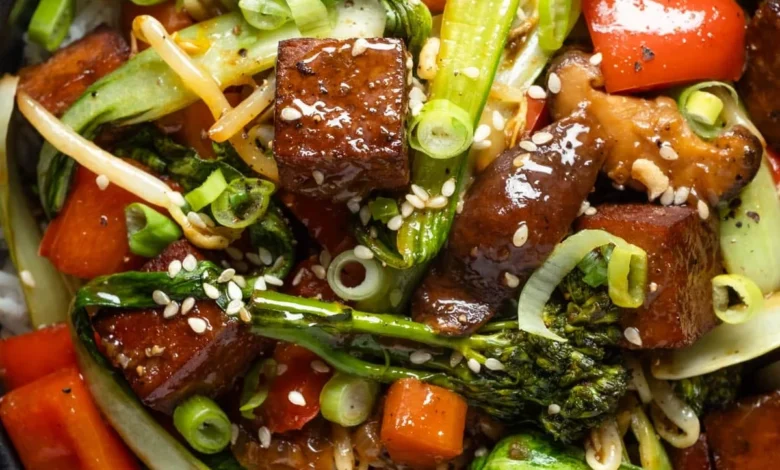
The culinary landscape has seen a significant shift toward plant-based alternatives in recent years, with traditional comfort dishes being re-engineered to accommodate modern dietary preferences. Among these, the emergence of vegan chop suey represents a noteworthy development in home cooking, blending historical fusion influences with contemporary nutritional trends. This dish, which relies on a foundation of marinated tofu and a high-volume vegetable medley, serves as a primary example of how classic, quick-service cooking can be adapted for a vegan demographic without sacrificing traditional flavor profiles.

Historical Context and Cultural Evolution
Chop suey, a staple of Chinese-American cuisine, has been a subject of historical debate regarding its origins. While frequently associated with the late 19th-century immigration wave in the United States, its versatility has allowed it to transcend its original form. Traditionally featuring a protein source bound by a thickened, savory sauce and served with stir-fried vegetables, the dish is inherently adaptable.

The current trend of the vegan iteration reflects a broader movement in the food industry. According to industry analysis from the Plant Based Foods Association, the market for plant-based meat alternatives and tofu-based proteins has grown consistently over the last decade. The adoption of tofu—a processed soy product originating from ancient Chinese methods—as a primary protein in such dishes underscores a return to foundational plant-based staples, elevated by modern culinary techniques such as marination and high-heat wok frying.
Nutritional Profile and Dietary Implications

A standard serving of this vegan chop suey contains approximately 305 kilocalories, providing a macronutrient balance that appeals to health-conscious consumers. The dish is characterized by a high concentration of fiber (5g per serving) and a protein content of 12g, derived primarily from the tofu.
From a nutritional standpoint, the incorporation of varied vegetables—typically bell peppers, onions, carrots, and bok choy—ensures a diverse intake of micronutrients, including Vitamin C, Vitamin A, and potassium. The reliance on tofu as the central protein source is significant; tofu is a complete protein, containing all nine essential amino acids. Furthermore, by utilizing sesame oil and soy-based sauces, the dish achieves a savory profile, or "umami," which is critical for maintaining consumer satisfaction in the absence of animal-derived proteins.

The Process: Culinary Methodology
The preparation of vegan chop suey is defined by its efficiency, a key factor in its popularity for weekday meal preparation. The methodology follows a standardized sequence:

- Preparation of the Marinade: The base is typically a combination of soy sauce, aromatics (garlic and ginger), and often a starch-based thickening agent. This mixture serves the dual purpose of flavoring the protein and creating the final sauce.
- Protein Marination: Tofu requires a minimum duration of exposure to the marinade to ensure the interior of the bean curd absorbs the flavor profile.
- Thermal Processing: The cooking sequence is rapid. First, the tofu is seared to achieve a golden, crisp exterior. The vegetables are then introduced in a high-heat environment, ensuring they retain their structural integrity—a state often described as "crisp-tender."
- Synthesis: The final stage involves reintroducing the protein to the pan and deglazing or finishing with the residual sauce to create a cohesive, glossy coating.
This method aligns with professional techniques used in high-volume kitchens to maintain texture and flavor intensity.
Market Impact and Consumer Trends

The rise of recipes like vegan chop suey is not merely a trend but a reflection of changing consumer behavior. Data suggests that home cooks are increasingly seeking "quick-prep" solutions that allow for flexibility, particularly the use of remaining ingredients to reduce food waste. The versatility of the recipe—allowing for the substitution of various seasonal vegetables—addresses the growing consumer demand for sustainable, low-waste cooking practices.
Industry experts note that the democratization of such recipes through online platforms has empowered consumers to explore veganism without the need for specialized equipment or high-cost ingredients. The "clean out the fridge" approach to this specific dish has been lauded by culinary educators as an effective method for introducing vegetable-heavy meals into standard household diets.

Strategic Advantages for Home Meal Prep
For those operating under strict time constraints, the dish offers significant advantages. The ability to prepare components in advance—specifically the marination of the tofu and the chopping of vegetables—allows for a streamlined "assemble and heat" process during the work week. This functionality is supported by the shelf-life of the prepared dish; stored in airtight containers, the meal retains its quality for up to four days in a refrigerated environment and remains viable for up to three months in a frozen state.

The role of technology in this culinary shift cannot be understated. Digital platforms providing step-by-step imagery and structured guidance have reduced the barrier to entry for novice cooks. The widespread availability of gluten-free alternatives, such as liquid aminos or tamari, further broadens the accessibility of the dish to those with specific dietary restrictions, such as celiac disease.
Looking Ahead: The Future of Plant-Based Comfort Food

The continued interest in dishes like vegan chop suey signals a shift toward a more nuanced understanding of plant-based eating. It is no longer about the replication of meat, but about the elevation of vegetables and soy-based proteins into standalone culinary experiences. As the cost of animal proteins continues to fluctuate due to global supply chain pressures, the economic appeal of tofu and seasonal produce is likely to solidify the position of such dishes in the standard domestic repertoire.
Furthermore, the environmental implications of adopting such recipes are noteworthy. Studies consistently show that a plant-centric diet reduces an individual’s carbon footprint significantly compared to one reliant on animal protein. As public awareness of these environmental impacts grows, the prevalence of recipes that prioritize plant-based ingredients while maintaining the familiarity of traditional dishes will likely continue to expand.

In conclusion, the evolution of vegan chop suey serves as a micro-case study of broader dietary trends. By blending the efficiency required by modern lifestyles with the nutritional benefits of plant-based ingredients and the flavor profiles of international cuisine, this dish occupies a secure place in the future of home cooking. Its simplicity, combined with its capacity for modification, ensures its longevity as a staple for both casual home cooks and those looking to adhere to a strictly plant-based diet.