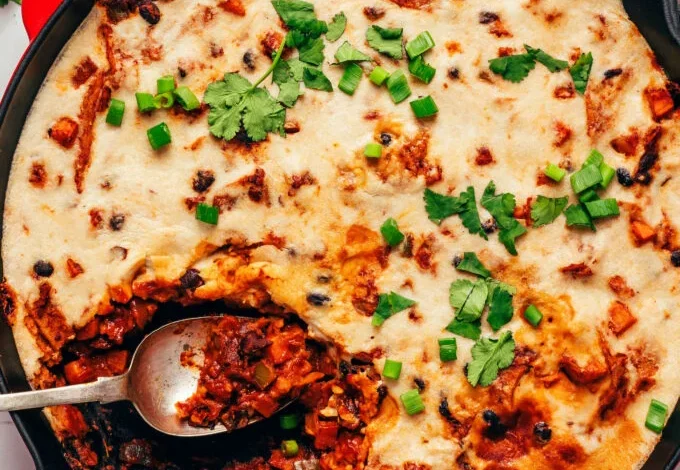
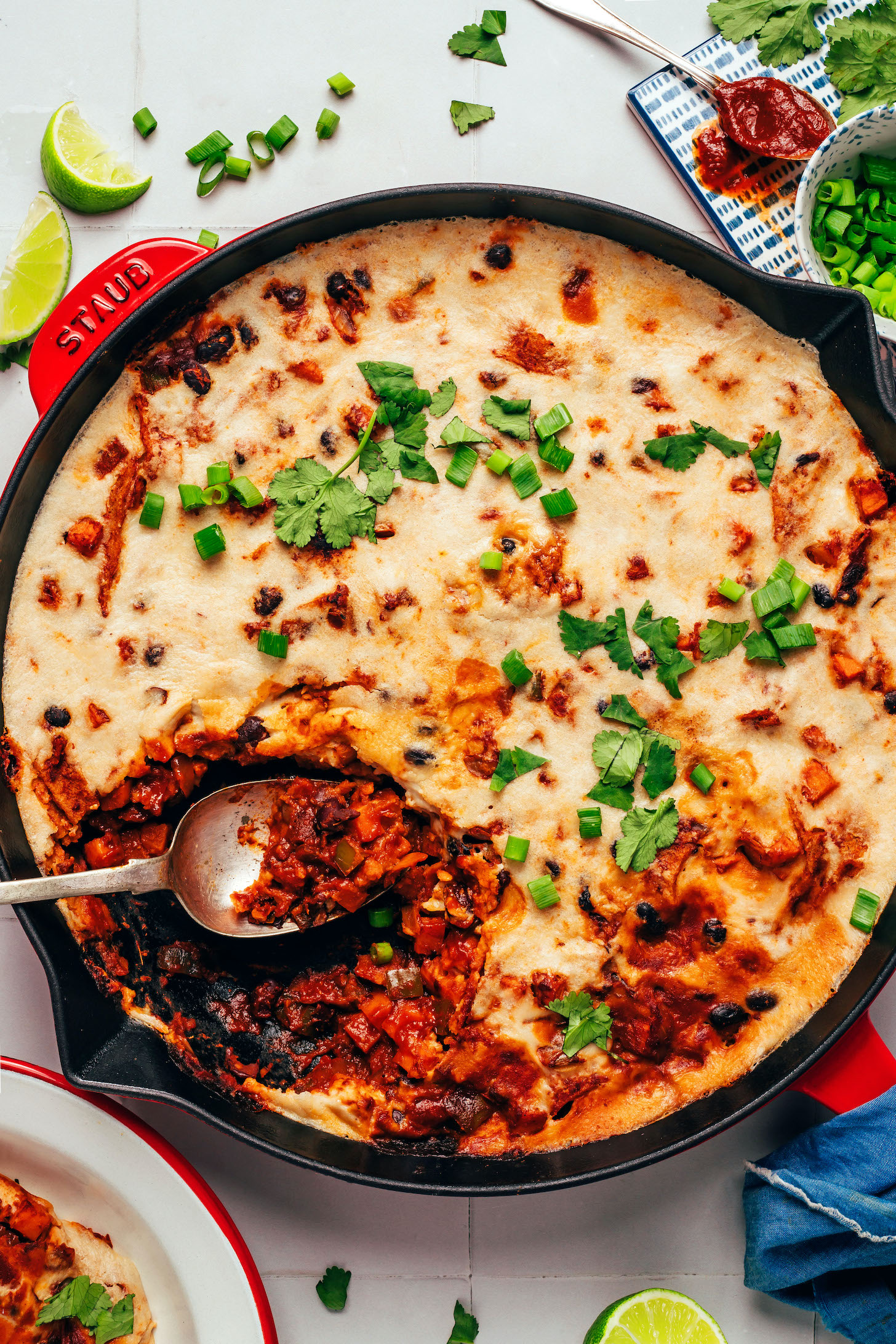
The culinary landscape has witnessed a significant shift toward plant-based convenience over the past decade, driven by consumer demand for meals that minimize preparation and cleanup time without sacrificing dietary preferences or flavor profiles. Culinary creators and recipe developers continue to innovate around traditional comfort foods, adapting time-honored dishes to fit contemporary lifestyles. Among the latest entries in this category is a 30-minute vegan enchilada skillet introduced by the Minimalist Baker platform, which reimagines the labor-intensive assembly of traditional rolled enchiladas into a streamlined, single-pan stovetop preparation. This recipe reflects a broader consumer trend toward efficiency, nutrient density, and inclusive dining options that accommodate vegan, gluten-free, and dairy-free diets simultaneously.
Historical Context and Culinary Evolution of the Enchilada
To understand the mechanics of modern recipe adaptation, it is helpful to examine the origins of the dish itself. Historical documentation suggests that the foundational concept of the enchilada—derived from the Nahuatl word chīllapītzalli, meaning "chili-fluted"—dates back to Mayan times. Ancient populations in the Valley of Mexico consumed corn tortillas folded or rolled around small fish or vegetables, drenched in a chili-based sauce. The first formal written recipe for the modern iteration appeared in the 1831 Mexican cookbook El Cocinero mexicano (The Mexican Cook), establishing the blueprint for stuffing corn tortillas with a variety of ingredients, including meats, cheeses, potatoes, and beans, before baking or frying them under a blanket of savory red or green sauce.
Over generations, the enchilada migrated across international borders, evolving into a staple of Tex-Mex and regional American cuisine. However, the traditional preparation method—in which individual tortillas are softened, filled, rolled tightly, arranged in a baking dish, coated in sauce, and baked—presents practical hurdles for weeknight cooking. It requires multiple steps, generates numerous dishes, and demands precise temperature control to prevent the tortillas from tearing or becoming soggy. The development of the skillet enchilada concept bypasses these structural hurdles entirely. By slicing corn tortillas directly into a pan alongside aromatic vegetables, legumes, and sauce, home cooks achieve the familiar flavor profile of baked enchiladas while cutting active preparation time by more than half.
Nutritional Profile and Ingredient Mechanics
The 30-minute vegan enchilada skillet is engineered around a balanced matrix of complex carbohydrates, plant-based proteins, and healthy fats. A standard single-serving portion yields approximately 416 calories, containing 68.2 grams of carbohydrates, 13.6 grams of protein, and 12.2 grams of total fat, with a minimal saturated fat content of 1.8 grams. Notably, the dish provides 14.3 grams of dietary fiber per serving, surpassing the nutritional benchmarks of many traditional meat-and-cheese-heavy counterparts due to its reliance on nutrient-dense whole foods.
The primary structural components of the dish include:
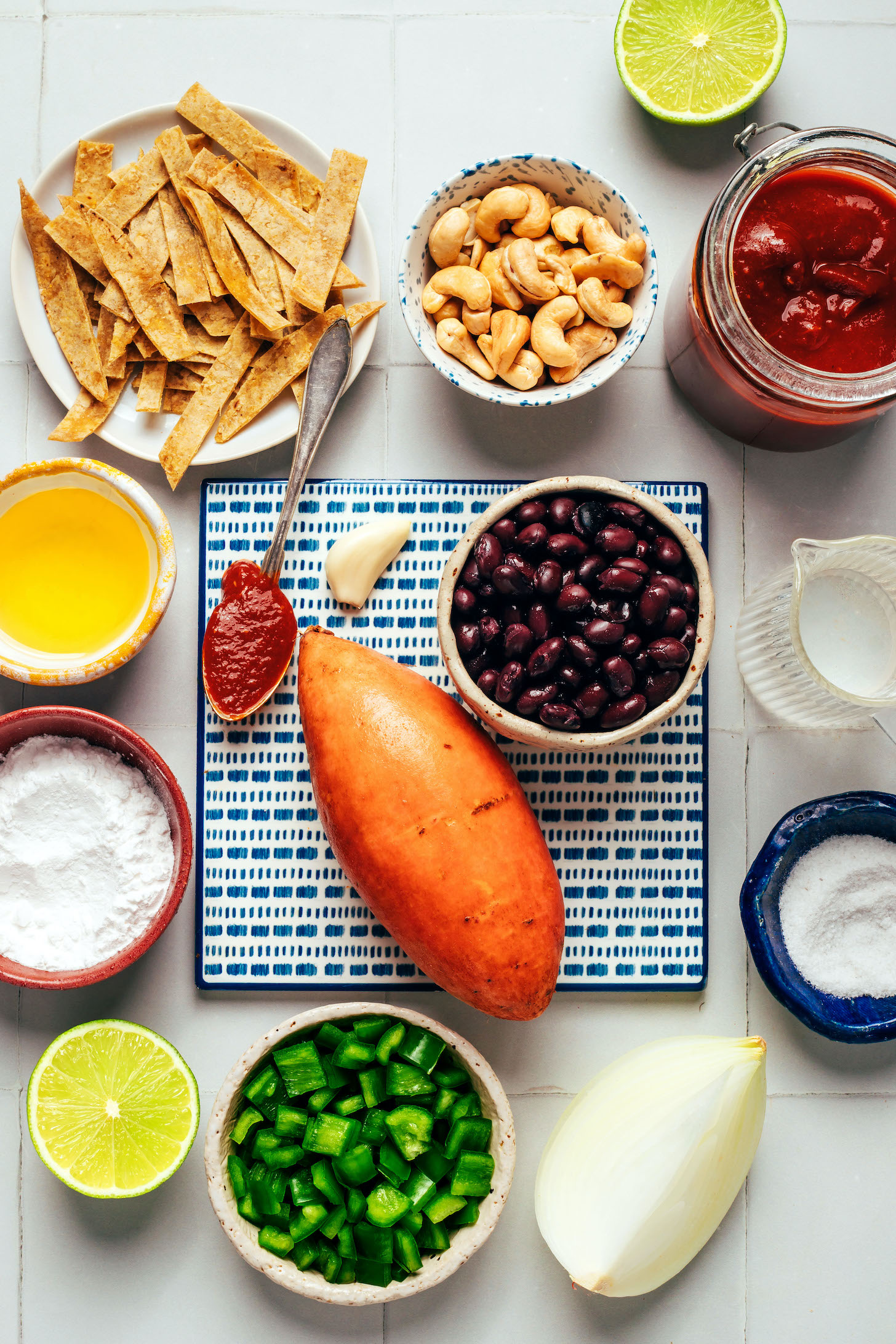
- Complex Carbohydrates: Cubed sweet potatoes or winter squashes, such as kabocha or butternut, which supply dietary fiber, potassium, and significant levels of Vitamin A (providing over 5,300 International Units per serving).
- Plant-Based Protein and Minerals: Black beans, offering a dense source of soluble fiber, iron (4.9 mg per serving), and plant protein.
- Aromatics and Produce: Yellow onions, garlic, and poblano peppers, which build the foundational flavor profile through initial sautéing. Bell peppers can serve as an alternative when poblanos are unavailable.
- Starch and Sauce: Sliced corn tortillas that absorb the surrounding liquid to mimic the texture of rolled enchiladas, combined with a traditional red enchilada sauce.
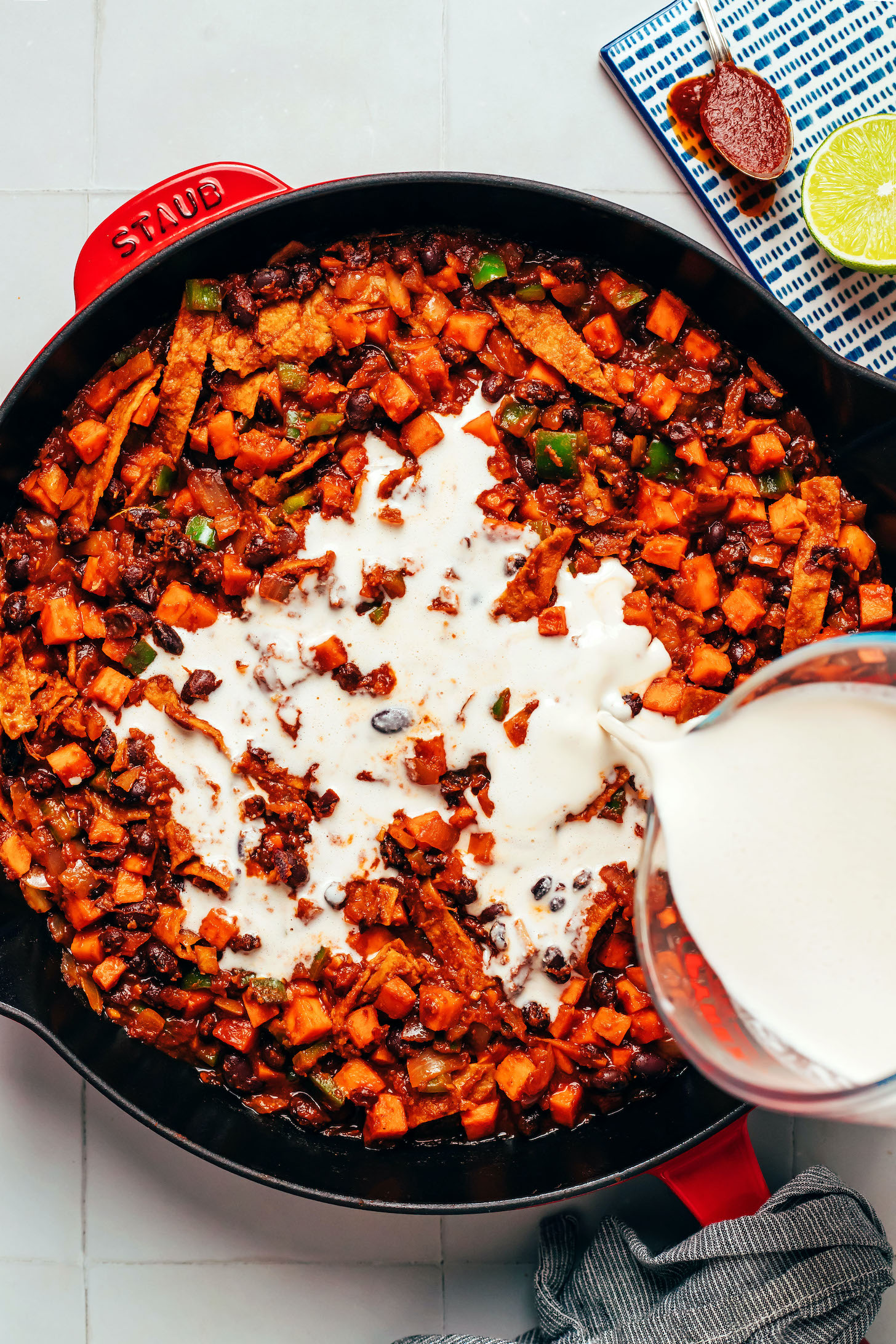
A distinguishing feature of the recipe is its dairy-free cheese alternative: a blended cashew sauce. Unlike commercial vegan cheeses that often rely on processed oils and starches, this homemade emulsion utilizes raw cashews, water, fresh lime juice, garlic, sea salt, and tapioca starch. When heated in a covered skillet, the tapioca starch gelatinizes, interacting with steam and heat to create a stretchy, viscous texture that visually and texturally emulates melted dairy cheese.
Preparation Timeline and Methodology
The streamlined workflow of the 30-minute skillet is structured to maximize efficiency in a home kitchen setting:
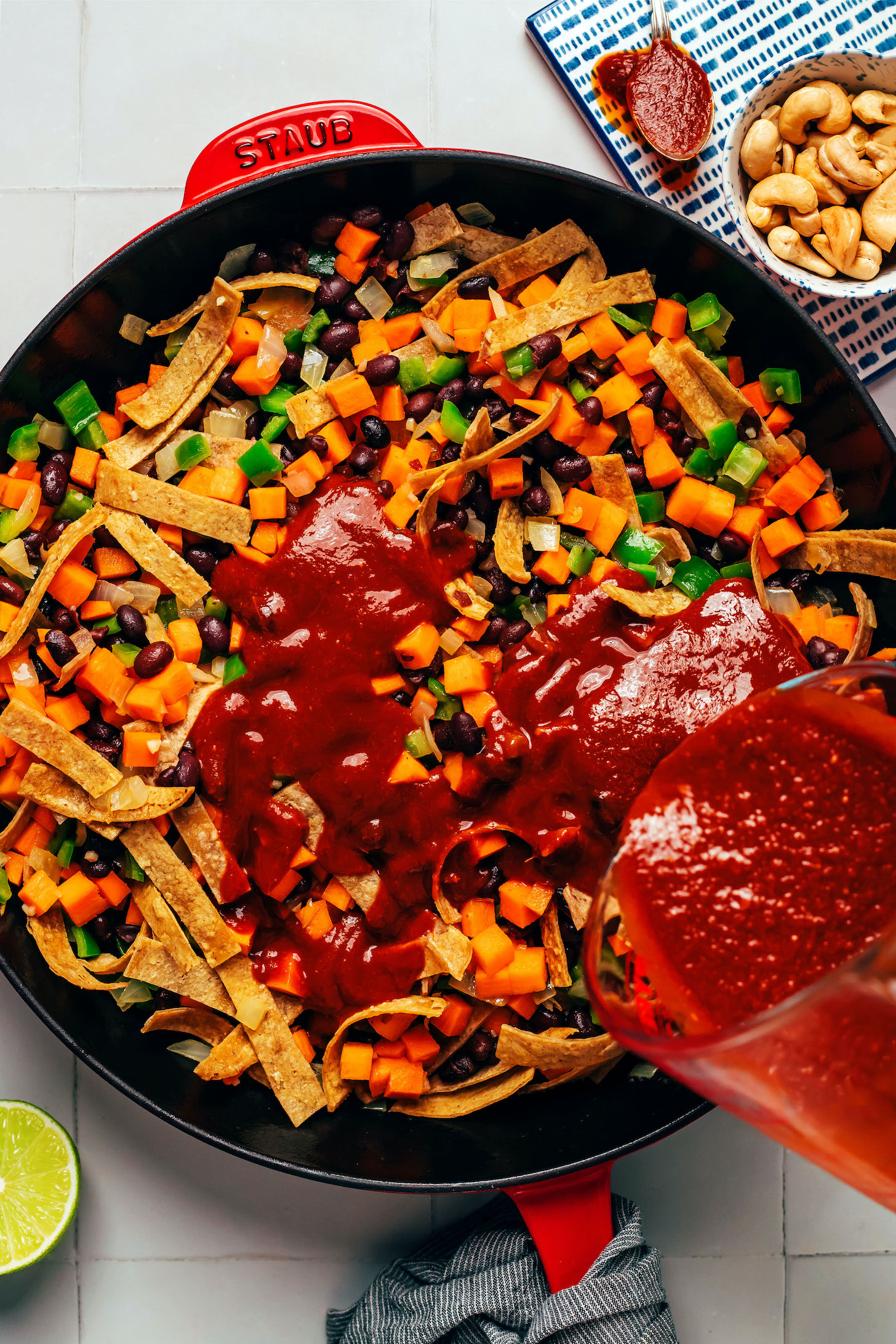
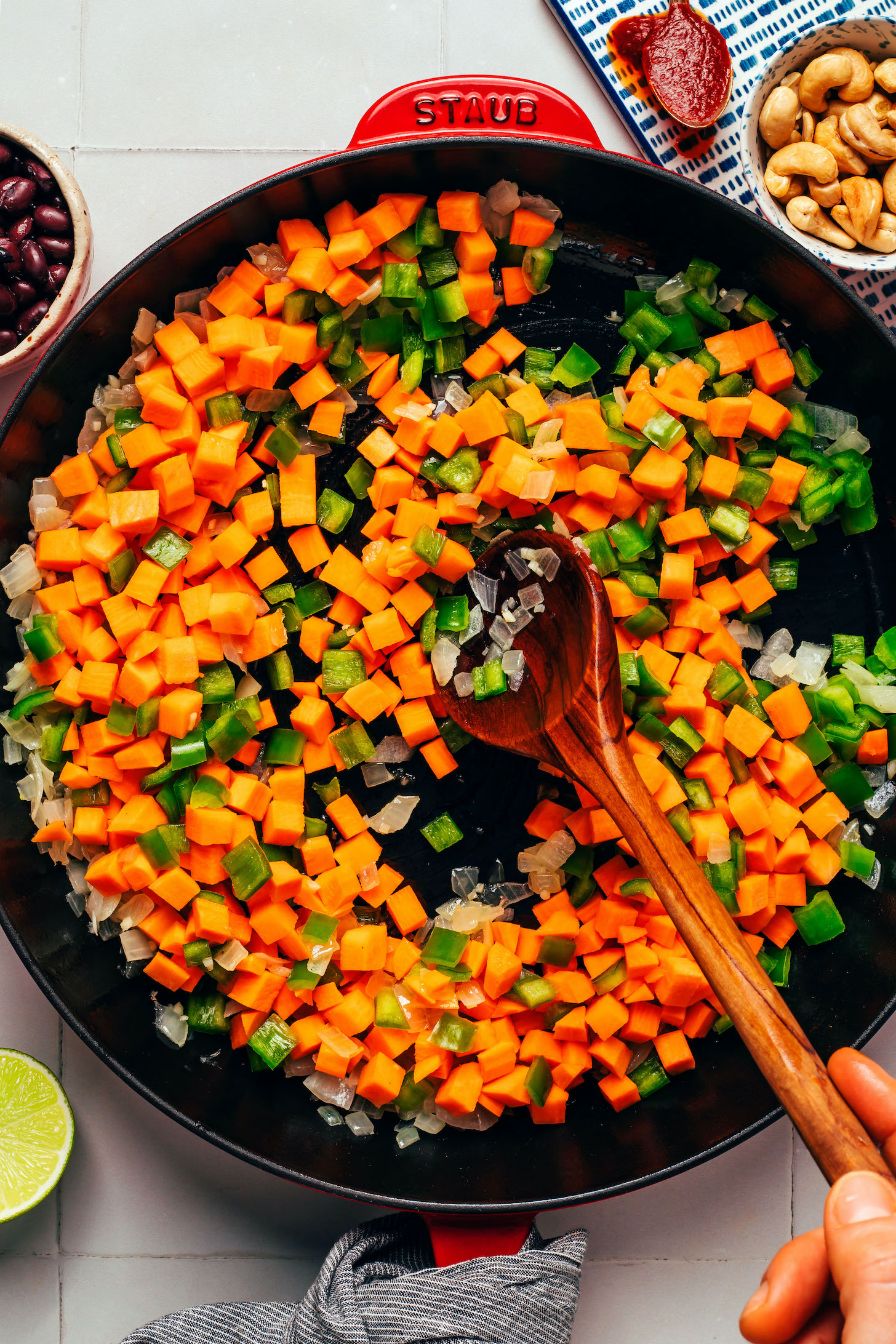
- Minute 0–10 (Preparation and Sautéing): The process begins with dicing sweet potatoes or winter squash into small, uniform cubes (approximately one-quarter to one-half inch in thickness) to ensure rapid cooking. Onions, garlic, and poblano peppers are sautéed in a single skillet until the onions are tender and the squash begins to soften.
- Minute 10–20 (Simmering): Canned black beans and sliced corn tortillas are folded into the vegetable base. Red enchilada sauce—either homemade and frozen in advance or sourced from commercially available brands—is poured over the mixture, allowing the liquid to reduce and the starches within the tortillas to thicken the sauce.
- Minute 20–30 (Emulsion and Finishing): The raw cashew sauce is blended until smooth and poured evenly across the top of the simmering skillet. Covered with a lid, the pan retains ambient heat, activating the tapioca starch to form a cohesive, melty layer. The dish is then portioned and garnished with optional toppings such as fresh cilantro, diced avocado, or lime wedges.
Dietary Adaptability and Ingredient Substitutions
Nutritional analysts and recipe developers note that flexibility is a key driver in the modern adoption of plant-based recipes. The enchilada skillet accommodates various dietary restrictions and kitchen constraints without compromising the integrity of the finished meal. For instance, while raw cashews provide a rich, neutral base for the "cheese" sauce, home cooks with nut allergies can substitute commercial dairy-free shredded cheeses or traditional dairy pepper jack cheese.
Similarly, the carbohydrate base can be modified based on seasonal availability. While sweet potatoes are the standard recommendation, winter squashes like kabocha or butternut yield comparable starch levels and moisture absorption rates. For individuals seeking higher protein thresholds, recipe formulations suggest incorporating approximately one and a half cups of smoky shredded tofu taco "meat" or pre-cooked Mexican shredded chicken directly into the skillet alongside the black beans, requiring minor adjustments to the volume of enchilada sauce to maintain proper moisture balance.
Broader Impact on Home Cooking Trends
The proliferation of single-pan recipes like the vegan enchilada skillet reflects broader shifts in urban demographics and consumer behavior. With a growing percentage of the workforce balancing remote and hybrid schedules, time allocated for daily meal preparation has faced competing demands. Consequently, culinary content that emphasizes minimal equipment usage—specifically reducing post-meal cleanup to a single skillet—has gained substantial traction across digital media platforms.
Furthermore, the integration of nutrient-dense, whole-food plant ingredients addresses public health initiatives aimed at reducing cardiovascular disease risks associated with high saturated fat consumption. By utilizing unrefined fats from nuts and fiber-rich legumes, recipes of this nature demonstrate that plant-based adaptations of comfort foods can align with preventative nutritional guidelines. As food technologists and recipe creators continue to refine techniques like the tapioca-starch cashew emulsion, the gap between traditional comfort food and health-conscious dietary alternatives continues to narrow, expanding the appeal of plant-based eating to a broader demographic of mainstream consumers.