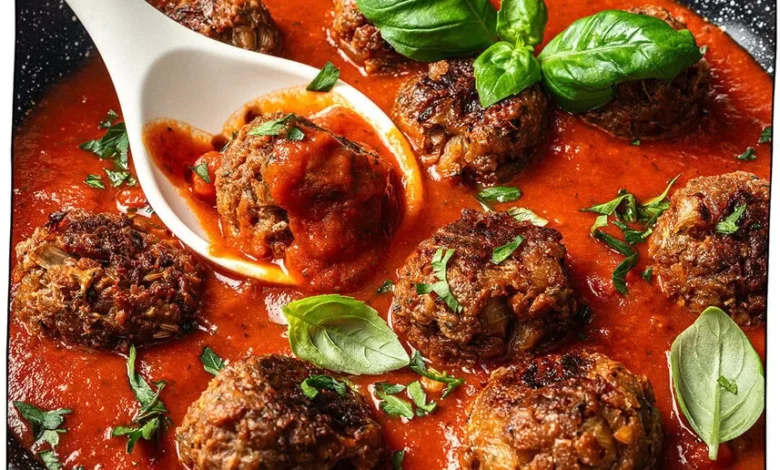
A new culinary innovation is making waves in the plant-based food scene, offering a delicious and protein-rich alternative to traditional meatball recipes. These meticulously crafted vegan meatballs, developed with a focus on accessible ingredients and superior texture, promise to satisfy discerning palates across a variety of dining occasions. Utilizing textured vegetable protein (TVP) as a foundational ingredient, this recipe aims to overcome common challenges associated with plant-based meat substitutes, such as mushiness or an unappealing mouthfeel.
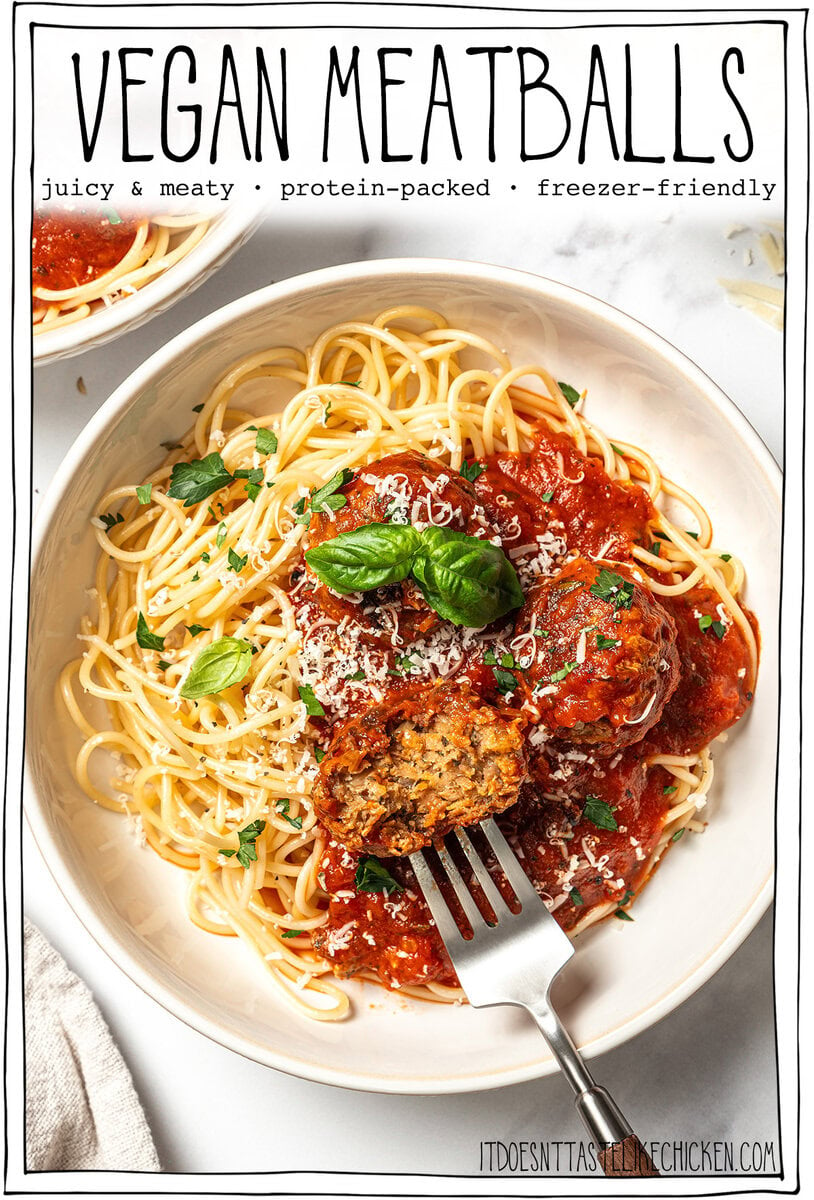
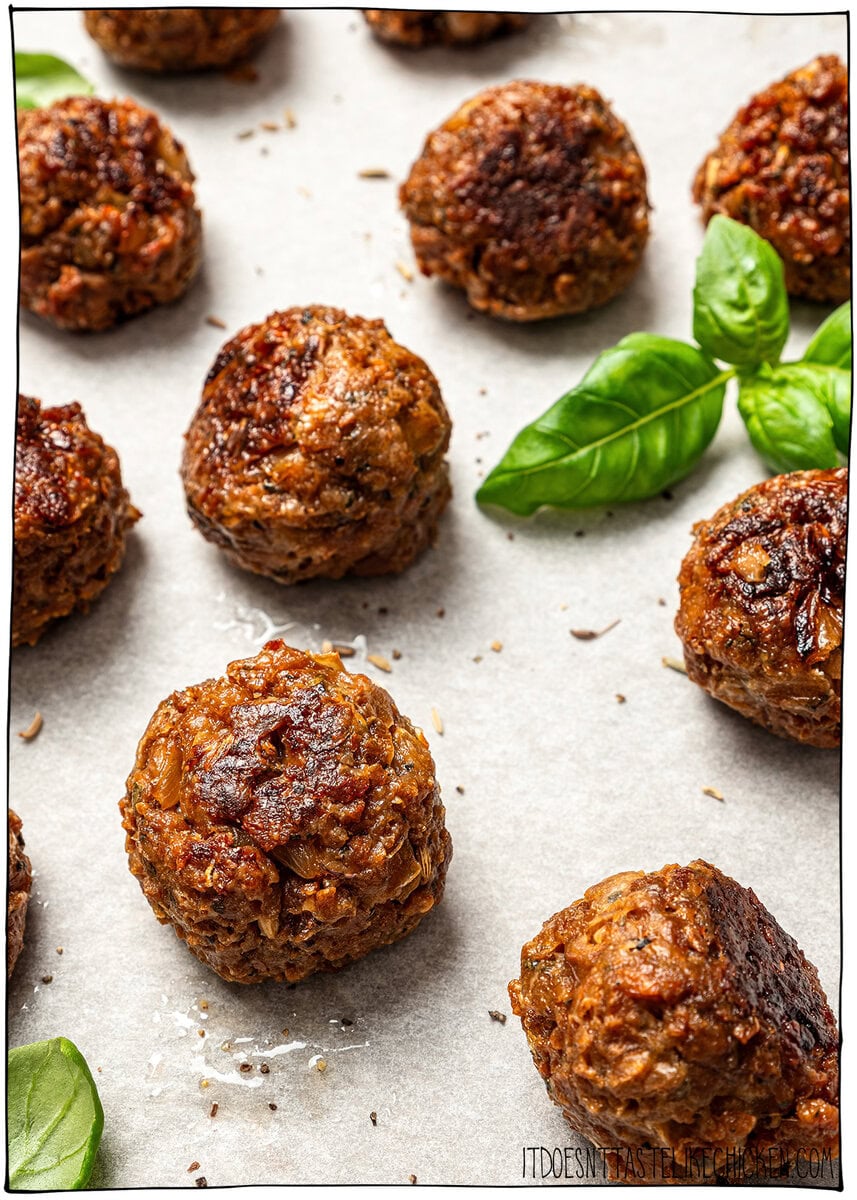
The genesis of this recipe lies in a desire to provide a versatile and health-conscious option for those seeking to reduce or eliminate meat from their diets. Unlike many existing vegan meatball recipes that rely on beans or lentils, which can sometimes result in a less desirable texture, or expensive store-bought alternatives that may contain a host of additives, these meatballs leverage the humble yet powerful TVP. This ingredient, derived from a single source – soy flour – is lauded for its shelf-stable nature, high protein content, and remarkable ability to mimic a chewy, hearty, and genuinely meaty texture. The result is a meatball that achieves a delightful crispness on the exterior while maintaining a tender core, making it an ideal candidate for a multitude of culinary applications.
The development of this recipe represents a significant step forward in the accessibility and appeal of plant-based cooking. Textured vegetable protein, while perhaps not the most evocative term, is an economical and widely available pantry staple that has been transformed into a star ingredient. Its inherent properties lend themselves perfectly to replicating the satisfying chew and bite of traditional meatballs. This focus on TVP not only addresses textural concerns but also aligns with a growing consumer interest in whole-food, minimally processed ingredients. The recipe’s creator notes that TVP is a consistent presence in their kitchen, also featuring in other popular plant-based recipes, underscoring its reliability and broad utility.
The Science Behind the Success: Textured Vegetable Protein
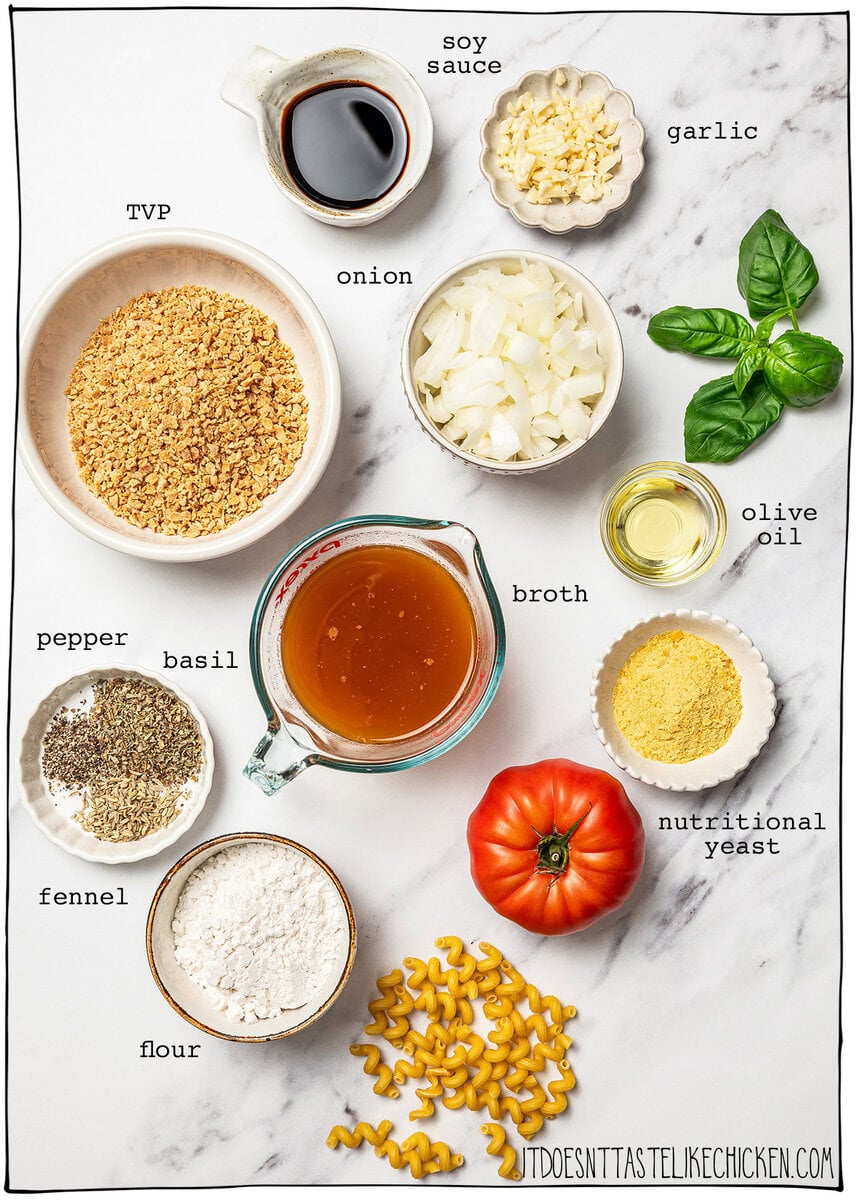
Textured vegetable protein, a byproduct of soybean processing, undergoes a transformation that results in its characteristic fibrous and porous structure. When rehydrated, TVP absorbs flavors exceptionally well and develops a texture that can be manipulated to resemble various types of ground meat. Its high protein content, typically around 50%, makes it an excellent choice for individuals seeking to boost their protein intake, particularly those following vegetarian or vegan diets. A standard serving of TVP can offer a substantial amount of essential amino acids, contributing to muscle repair and satiety. Furthermore, its low fat content and the absence of cholesterol make it a heart-healthy option. The simplicity of its composition—pure soy flour—also appeals to consumers looking for cleaner ingredient lists.
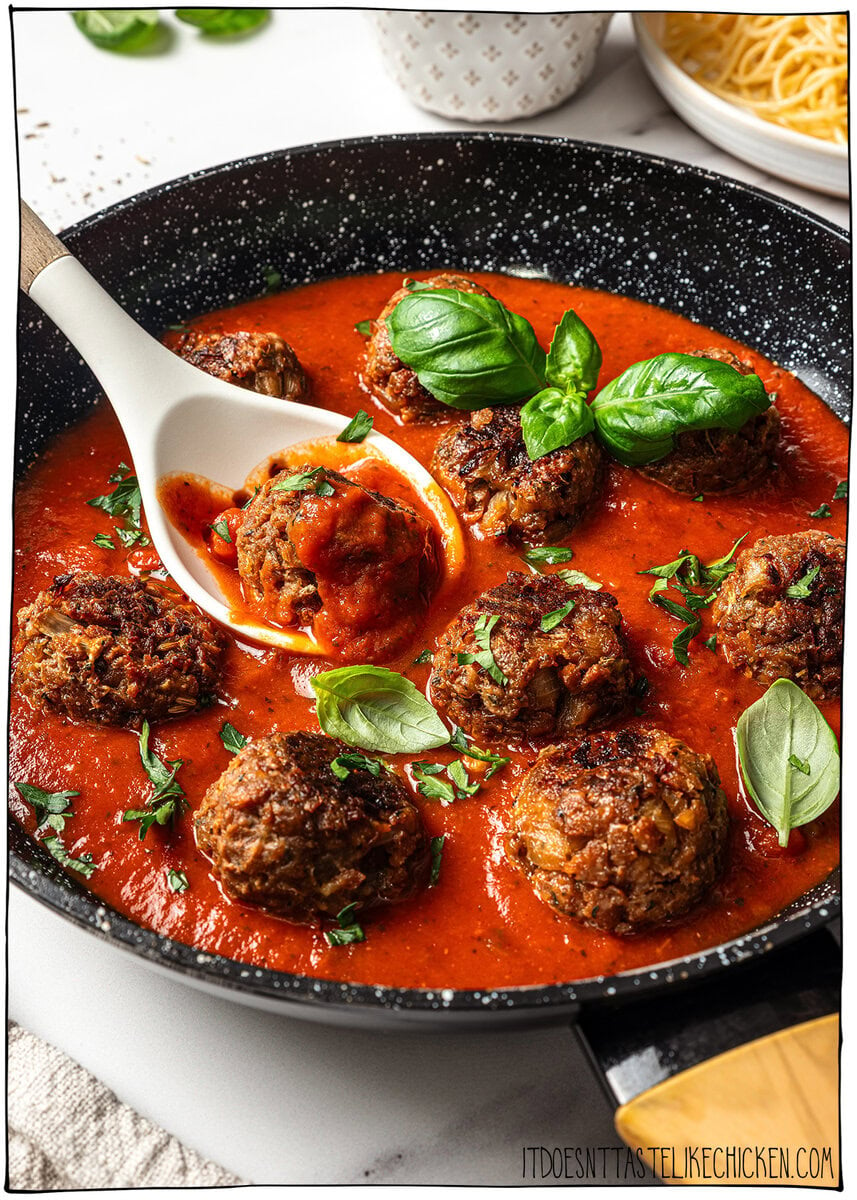
Culinary Versatility: Beyond the Spaghetti Bowl
The appeal of these vegan meatballs extends far beyond the classic pairing with spaghetti and marinara sauce. Their robust texture and savory flavor profile make them exceptionally adaptable to various dishes. Imagine them served in hearty meatball subs, nestled within vibrant grain bowls, or presented as irresistible appetizers at gatherings. The recipe’s design also prioritizes convenience, with a strong emphasis on their ability to freeze beautifully. This makes them an ideal component for meal prepping, allowing busy individuals and families to have a delicious and nutritious meal option readily available. The ease with which they can be prepared and stored suggests a practical solution for weeknight dinners and quick lunches.
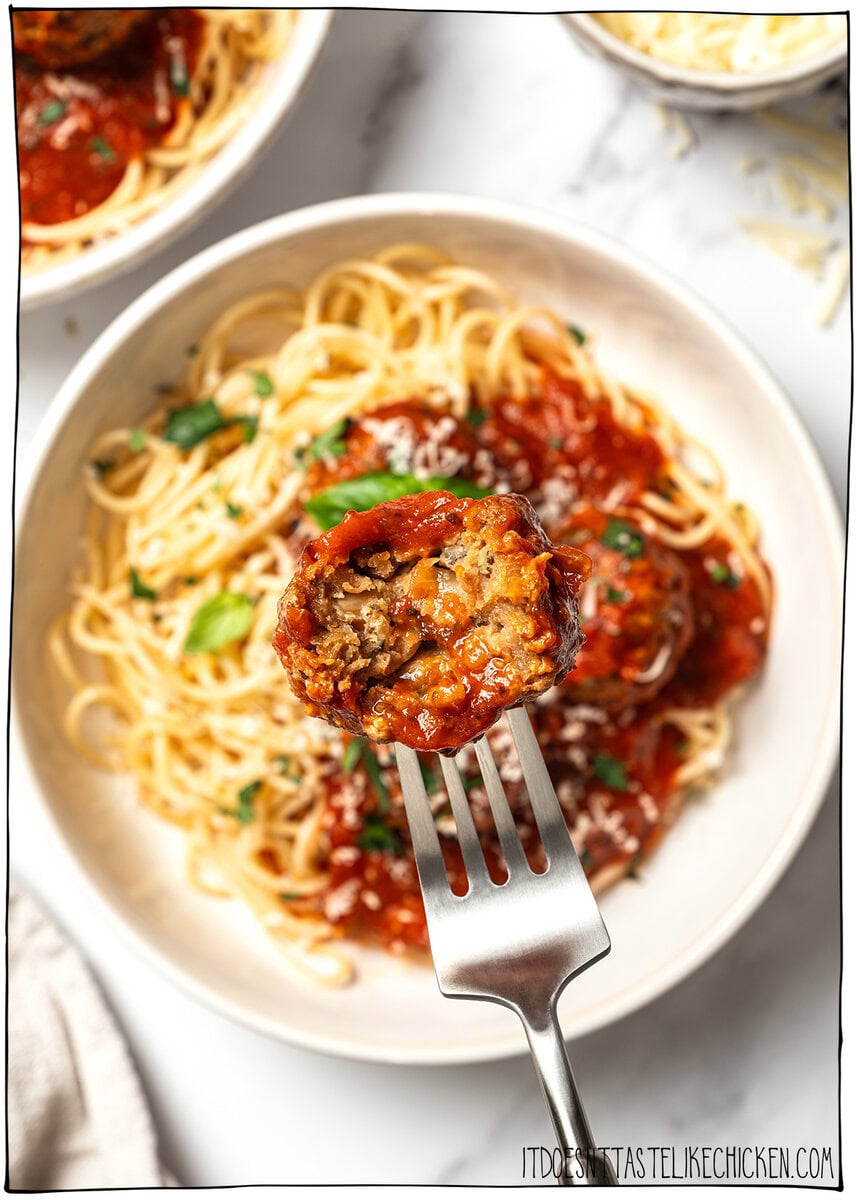
A Glimpse into the Preparation Process
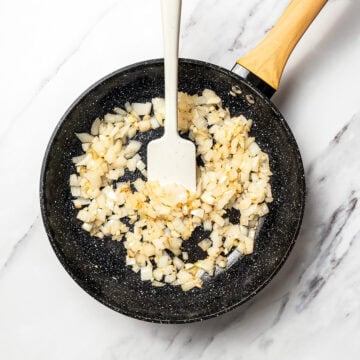
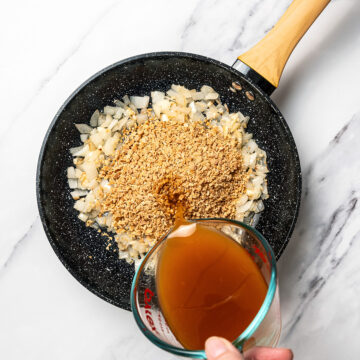
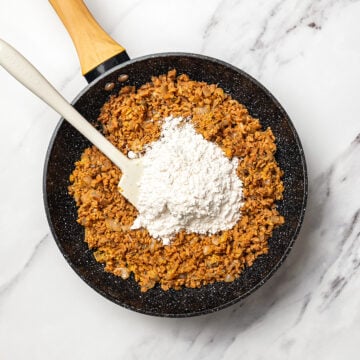
The creation of these remarkable vegan meatballs involves a straightforward process that even novice cooks can master. The core ingredients are combined to form a cohesive mixture, which is then shaped into individual meatballs. Baking is the primary cooking method, a technique chosen for its ability to promote even cooking and develop the desired crispy exterior. This approach also minimizes the need for excessive oil, aligning with healthier cooking practices. The recipe provides detailed instructions, ensuring that each step is clear and manageable, from initial preparation to the final bake. The inclusion of tips and variations further empowers cooks to customize the recipe to their specific preferences and dietary needs.
Nutritional Powerhouse: Protein and Beyond
In an era where plant-based diets are gaining significant traction for their health and environmental benefits, the protein content of these vegan meatballs stands out. Each serving delivers a significant amount of plant-based protein, crucial for muscle development, immune function, and overall well-being. Beyond protein, the recipe incorporates ingredients that contribute to a balanced nutritional profile. The use of whole food components and the absence of artificial additives further enhance their health appeal. For individuals managing specific dietary requirements, such as gluten intolerance or a desire for oil-free meals, the recipe offers readily adaptable variations, demonstrating a commitment to inclusivity and dietary flexibility.
Storage and Sustainability: A Forward-Thinking Approach
The emphasis on storability and freezing capabilities highlights a thoughtful approach to food consumption and waste reduction. The ability to prepare a batch of these meatballs and freeze them for later use is a testament to their stability and enduring quality. This not only simplifies meal planning but also encourages a more sustainable approach to cooking by minimizing food waste. The instructions for reheating, whether from frozen or as part of a sauce, are designed to maintain the meatballs’ integrity and flavor. This practical consideration makes them a valuable addition to any kitchen, offering convenience without compromising on taste or nutritional value.
Broader Implications: The Evolution of Plant-Based Cuisine
The success of recipes like these vegan meatballs signifies a broader trend in the culinary world: the ongoing evolution and refinement of plant-based cuisine. As culinary science advances and consumer demand for innovative plant-based options grows, ingredients like TVP are being reimagined and elevated. This development is not merely about replicating meat but about creating entirely new and exciting food experiences that stand on their own merits. The increasing sophistication of plant-based alternatives is making it easier than ever for individuals to embrace a more sustainable and health-conscious lifestyle without feeling like they are sacrificing flavor or satisfaction. This recipe, with its focus on accessibility, texture, and versatility, is a prime example of this positive trajectory.
The journey from a simple ingredient like textured vegetable protein to a dish that can grace a family dinner table or a sophisticated appetizer spread is a testament to culinary ingenuity. The developer’s commitment to creating a recipe that is both easy to make and incredibly satisfying is likely to resonate with a wide audience. As plant-based eating continues to move from a niche market to a mainstream choice, recipes like these vegan meatballs will play a crucial role in shaping the future of food, offering delicious, nutritious, and sustainable options for everyone. The inherent adaptability of the recipe, coupled with its focus on core nutritional benefits, positions it as a valuable resource for anyone looking to explore the vibrant world of plant-based cooking.