Culinary Evolution and the Rise of Plant-Based Baking
The demand for high-quality, plant-based alternatives in the baking industry has seen an unprecedented surge over the last decade. Market analysis from industry analysts indicates that the global plant-based snack market is projected to reach significant valuation milestones by 2030, driven largely by consumer health awareness and environmental concerns. Within this context, the development of the vegan butter pecan cookie is not merely a niche pursuit but a response to a broader culinary shift.

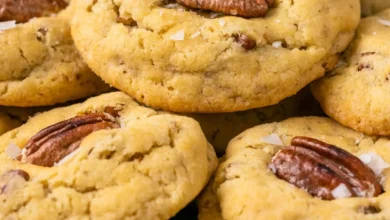
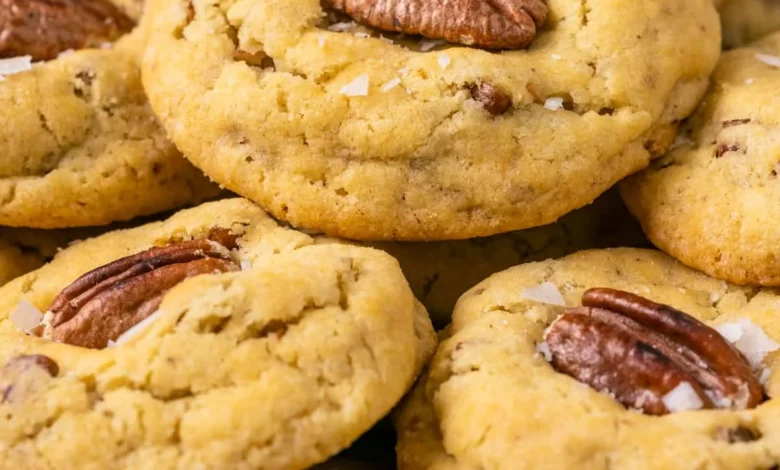
Traditionally, butter pecan cookies rely heavily on high-fat dairy butter to provide the necessary structure and flavor depth. The transition to vegan alternatives requires a precise balance of fats, proteins, and sugars. Modern plant-based butters, typically formulated from a blend of oils such as coconut, sunflower, and canola, have reached a level of sophistication where their melting point and water-to-fat ratio closely mimic dairy butter. This allows for the creation of cookies that maintain a soft, chewy interior while providing the characteristic crunch of toasted pecans.

Chemical Composition and Preparation Methodology
The science behind these cookies centers on the Maillard reaction—a chemical reaction between amino acids and reducing sugars that gives browned food its distinctive flavor. When pecans are toasted before being incorporated into the dough, the natural oils in the nuts are released, intensifying their flavor profile.

The preparation process involves several distinct stages that ensure consistency:

- Preparation of the Base: The process begins by creaming vegan butter with a combination of granulated and brown sugars. The brown sugar, which contains molasses, is essential for achieving the required moisture level and a slight caramel undertone.
- Dry Ingredient Integration: A mixture of all-purpose flour, baking powder, baking soda, and a touch of cornstarch serves as the foundation. The inclusion of cornstarch is a common professional technique used to soften the flour proteins, resulting in a more tender cookie crumb.
- The Emulsion: The incorporation of non-dairy milk, such as soy, is carefully managed to maintain the structural integrity of the dough.
- Temperature Control: A critical step in the procedure is the chilling of the dough. By cooling the shaped dough balls, the fats (specifically the solid components of the vegan butter) are allowed to solidify, which significantly reduces the spread of the cookie during the baking phase.
Chronology of the Baking Process
For home bakers and professionals alike, the timeline for production follows a strict logic to ensure quality control. The initial toasting of the pecans should take approximately five minutes in a dry pan over medium heat. Once cooled, these are folded into the dough. Following the mixing phase, the dough requires a resting period in a refrigerated environment. This resting period, which can range from thirty minutes to several hours, is essential for the hydration of the flour and the stabilization of the fats.

Baking should occur at a consistent temperature, typically around 350°F (175°C). A professional recommendation is to bake in small batches on separate trays. Overcrowding a baking sheet leads to uneven airflow, which can result in inconsistent browning and texture. By baking one tray at a time, the baker ensures that the heat distribution remains uniform throughout the duration of the bake.

Supporting Data and Nutritional Profile
From a nutritional perspective, these cookies provide an alternative to traditional recipes while maintaining a comparable caloric density. A single standard serving (approximately 1 cookie) contains roughly 194 kcal, with 11 grams of fat and 2 grams of protein. The sodium content is calibrated at 268mg, which serves to enhance the nutty notes of the pecans.

The inclusion of pecans is particularly notable for their health profile. Pecans are rich in monounsaturated fats and antioxidants. When integrated into a plant-based dessert, they provide a nutrient density that differentiates this cookie from those made with empty-calorie fillings. The 22 grams of carbohydrates per serving reflect a standard sugar-to-flour ratio, which provides the necessary energy density required for a classic cookie profile.

Scaling and Practical Considerations
As the popularity of such recipes grows, so does the interest in dietary inclusivity, particularly regarding gluten sensitivity. While the base recipe utilizes all-purpose wheat flour, many home bakers are experimenting with gluten-free, all-purpose flour blends. While professional kitchens caution that results may vary based on the specific hydrocolloid content (such as xanthan gum) in these blends, the shift toward a 1:1 substitution ratio has proven effective in many consumer trials.

Storage and shelf-life management remain key factors for both home bakers and commercial producers. The presence of nuts introduces a risk of rancidity if exposed to air for extended periods. Consequently, these cookies should be stored in airtight containers at room temperature for up to seven days. For longer-term storage, the cookies—and indeed the raw dough—are exceptionally freezer-stable. The dough can be frozen in individual portions for up to three months, allowing for on-demand baking without compromising quality.

Industry Impact and Future Directions
The success of these recipes signals a wider trend where "vegan" is no longer considered a restrictive label but a standard of high-quality, inclusive baking. By utilizing readily available, high-quality plant-based ingredients, the barrier to entry for vegan baking has been significantly lowered.

Future developments in this space are likely to focus on further reducing the reliance on processed sugars and exploring alternative sweeteners, such as monk fruit or stevia-based blends, to cater to diabetic-friendly diets. Furthermore, as the quality of plant-based milks continues to improve—with options like oat and almond milk gaining wider usage—the texture and flavor profiles of these cookies will likely continue to evolve.

In conclusion, the vegan butter pecan cookie stands as a testament to the versatility of modern ingredients. By balancing scientific principles of fat, sugar, and protein, bakers can produce a high-quality product that meets the expectations of traditionalists while satisfying the ethical and health-conscious requirements of the modern consumer. Whether for holiday gifting or daily consumption, the methodology behind these treats provides a framework for successful, plant-based confectionery.