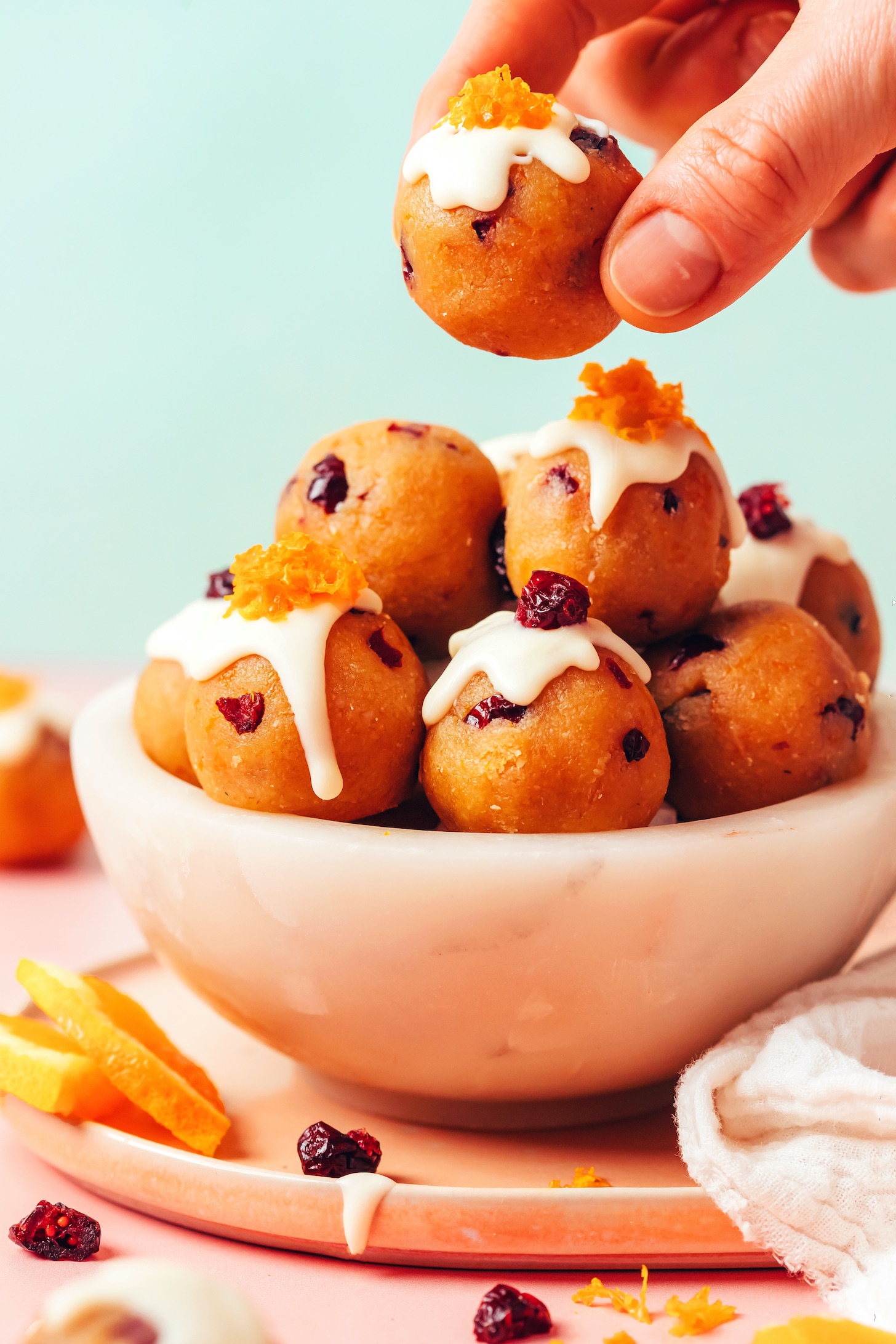
As the holiday baking season reaches its annual peak, home cooks and dessert enthusiasts frequently encounter a common seasonal dilemma: the demand for festive, high-quality confections weighed against a severe deficit of time and energy. In response to this widespread culinary bottleneck, recipe developers have increasingly focused on streamlined, zero-cook alternatives that capture complex holiday profiles without requiring hours of oven time or intensive kitchen cleanup. A prominent recent addition to this genre is the No-Bake Cranberry Orange Bliss Bite, a culinary adaptation modeled after the commercially popular Starbucks Cranberry Bliss Bar. Developed as a quick, accessible snack or dessert, these bite-sized treats offer a strategic solution for consumers seeking traditional holiday flavors through a modern, health-conscious framework.
The culinary genesis of the Cranberry Orange Bliss Bite stems from the mainstream popularity of commercial coffeehouse seasonal pastries, specifically the iconic blondie-based bars featuring cream cheese frosting, dried cranberries, white chocolate, and fresh orange zest. Translating these rich, complex flavors into a simplified, no-bake format required a restructuring of traditional ingredients. Food scientists and home economists note that transitioning baked goods into no-bake formats typically relies on nutrient-dense binder flours and natural fats to replicate the mouthfeel and structural integrity of traditional doughs.
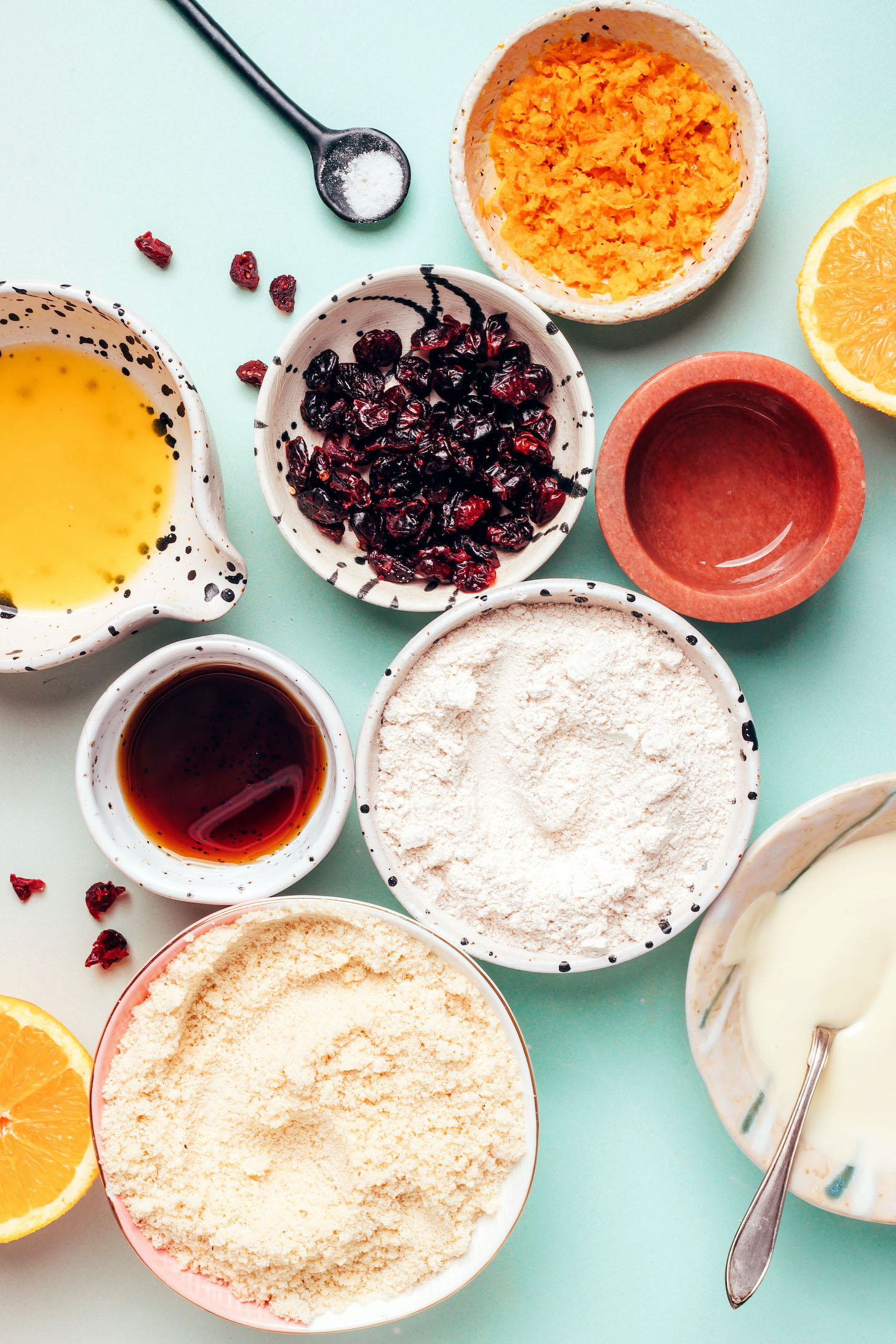
In this specific formulation, the base relies on a balanced combination of oat flour and almond flour, providing a structural foundation that is naturally gluten-free. Natural liquid sweeteners, specifically maple syrup, supply both binding moisture and carbohydrate-based sweetness, while unrefined coconut oil assists in solidifying the dough mixture at room temperature or under refrigeration. The defining flavor profile—characterized by a tart-and-sweet dichotomy—is achieved through the incorporation of fresh orange juice, finely grated orange zest, and dried cranberries. This combination mimics the citrus-forward brightness of the original coffeehouse pastry while avoiding artificial flavorings or preservatives.
From a nutritional and dietary standpoint, the formulation of these bliss bites aligns closely with contemporary consumer preferences for plant-based and allergen-friendly options. Certified as vegan, dairy-free, and gluten-free, the recipe addresses the expanding market sector of individuals managing dietary restrictions or actively seeking whole-food-based snack alternatives during the winter holiday period.
According to nutritional estimates provided for a standard serving size of one bliss bite (based on a yield of 14 servings), the profile is relatively moderate compared to traditional holiday cookies and pastries. A single piece contains approximately 113 calories, 12.1 grams of carbohydrates, 2.9 grams of protein, and 6.3 grams of total fat, of which 2 grams are saturated fat. The inclusion of oat and almond flours introduces minor amounts of dietary fiber (1.5 grams) and plant-based protein, distinguishing the snack from hyper-processed commercial confections that offer negligible nutritional value. Furthermore, the absence of animal-derived dairy ensures zero dietary cholesterol and minimal sodium content, registering at roughly 46 milligrams per serving.
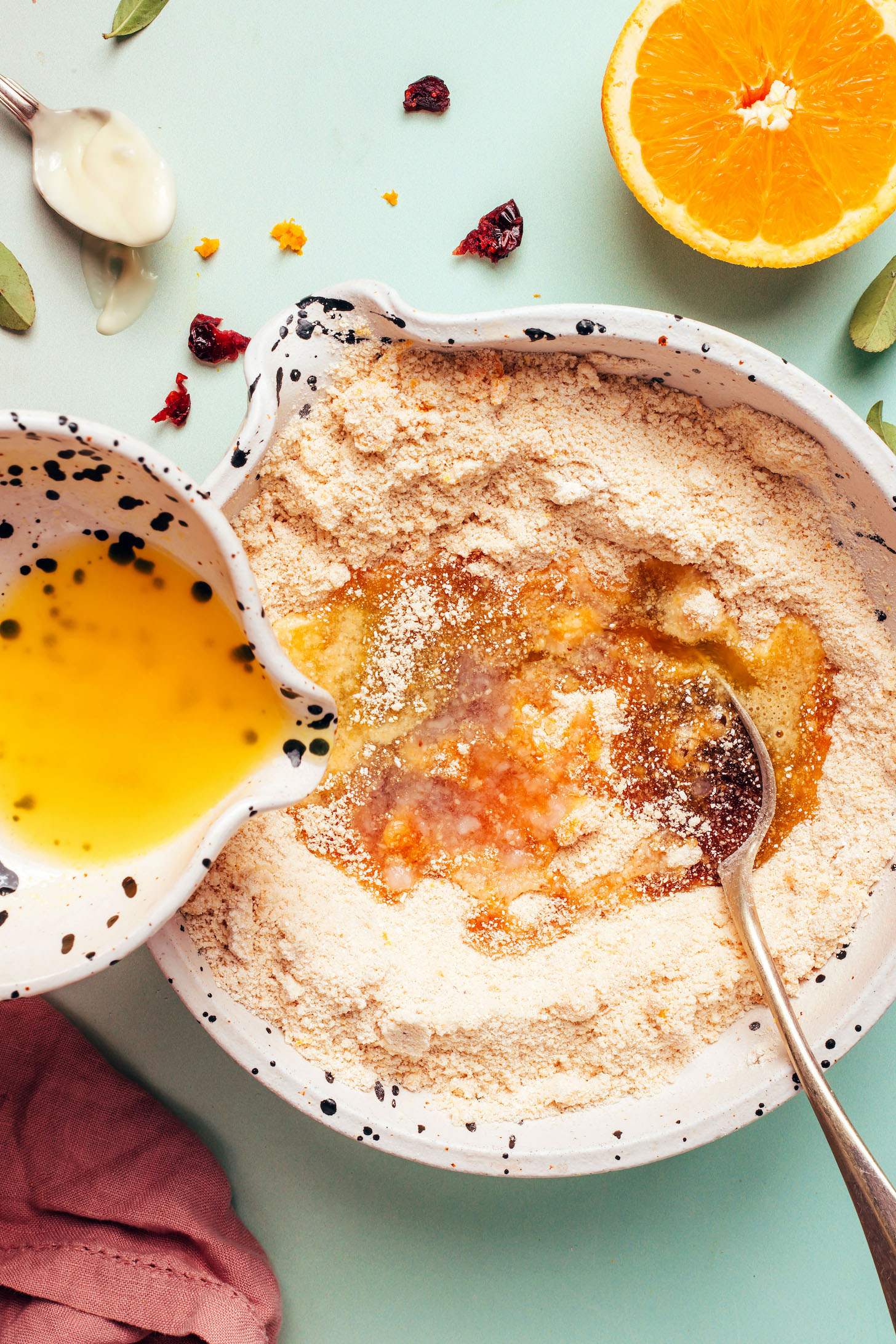
The preparation methodology is designed for maximum efficiency, requiring a total active time of approximately 25 minutes from ingredient assembly to final shaping. The chronological workflow is divided into distinct operational phases:
- Dry Ingredient Integration: Oat flour, almond flour, and a pinch of sea salt are combined in a mixing bowl to establish a uniform dry base.
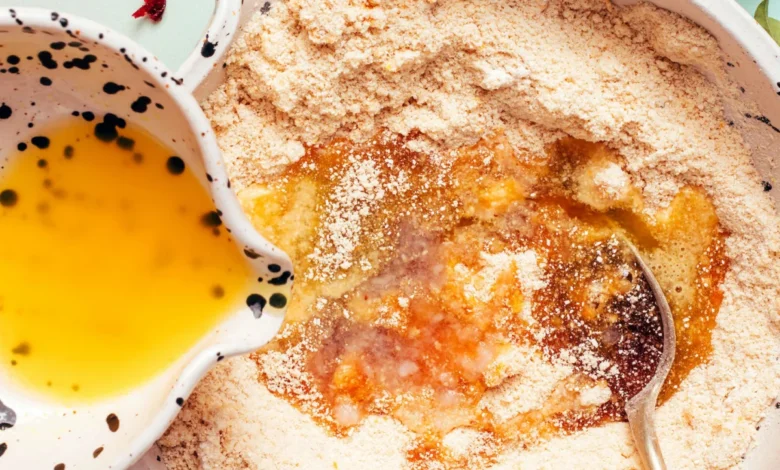
- Wet Ingredient Emulsification: Maple syrup, vanilla extract, melted coconut oil, fresh orange juice, and orange zest are whisked together to form a cohesive liquid phase.
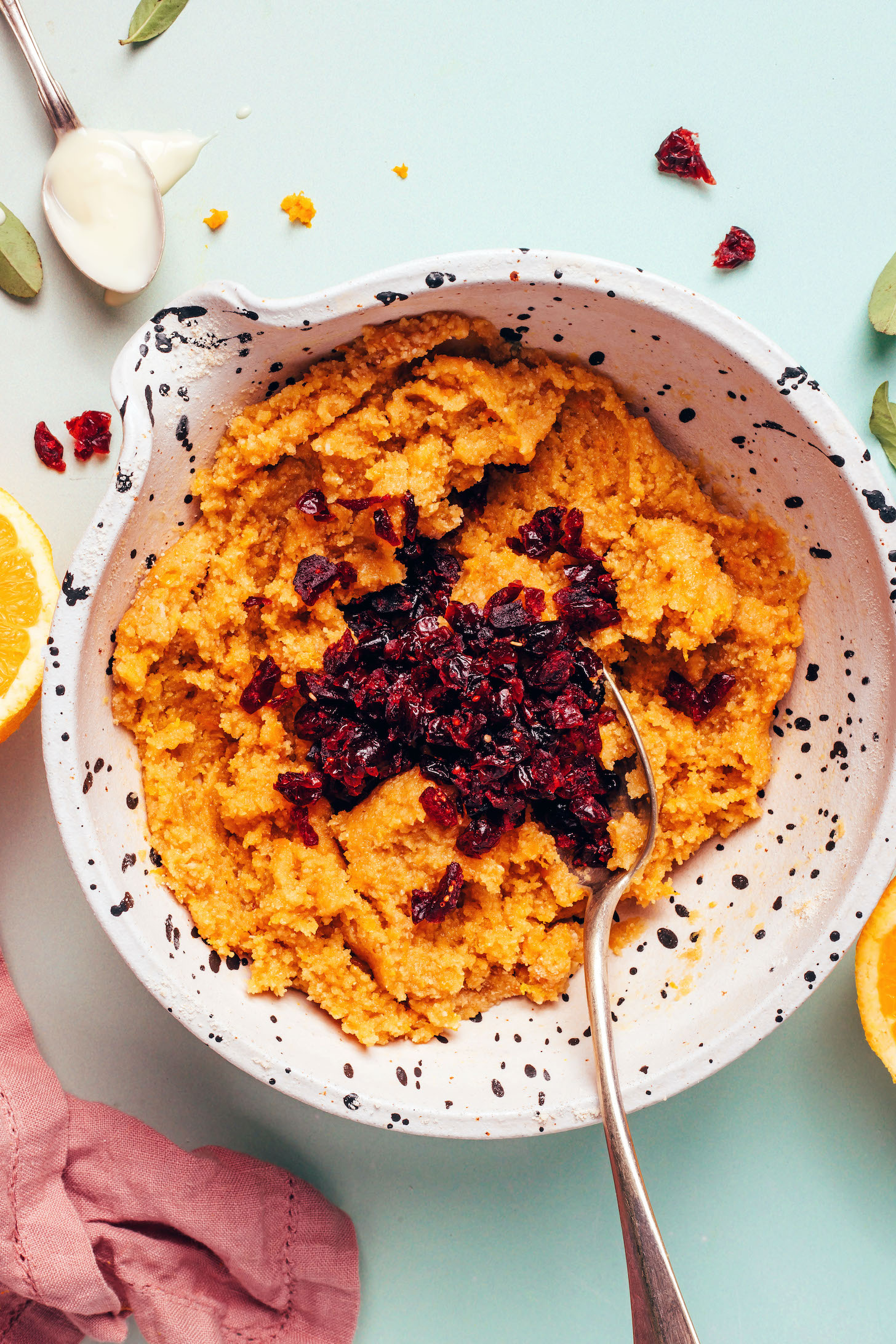
- Dough Formation: The wet mixture is folded into the dry flour blend until a moldable, cohesive dough forms. Dried cranberries are then gently folded into the mixture to ensure even distribution throughout the batch.
- Portioning and Shaping: The dough is divided into 14 uniform portions, typically rolled by hand into compact bite-sized spheres.
- Finishing and Topping: An optional decorative and textural element is applied via a drizzle of melted white chocolate chips, pure coconut butter, or a hybrid blend of both. This step introduces a contrasting richness that mirrors the signature frosting layer of traditional bliss bars. Alternatively, some preparations involve rolling the formed bites in miniature white chocolate chips to eliminate the melting and drizzling steps.
The timeline for storage and preservation adds commercial and domestic practicality to the recipe. Once prepared, the bliss bites maintain optimal texture and flavor for up to one week when stored properly in a sealed container under refrigeration. For long-term meal preparation or holiday event planning, the items demonstrate freezer-friendly characteristics, remaining stable for up to one month without significant degradation in flavor or structural integrity. This extended shelf life provides hosts and busy professionals with a reliable make-ahead option for seasonal gatherings, office parties, or weekly meal-prep regimens.
Culinary analysts and food industry observers note that the proliferation of no-bake, health-conscious holiday recipes reflects a broader shift in consumer behavior. As modern lifestyles become increasingly fast-paced, traditional multi-step baking projects are frequently deprioritized in favor of low-effort, high-reward culinary shortcuts. Recipes that successfully emulate nostalgic, high-end flavors—such as coffeehouse pastries or seasonal comfort foods—while accommodating dietary preferences like veganism and gluten intolerance occupy a resilient market niche.
Moreover, the versatility of the topping options (such as choosing between pure coconut butter for a pronounced tropical profile, white chocolate for traditional sweetness, or a composite blend of the two) demonstrates how home cooks can easily customize foundational recipes to suit individual palate preferences and dietary tolerances. As consumer interest in functional, accessible home cooking continues to expand during the autumn and winter holiday seasons, streamlined variations like the Cranberry Orange Bliss Bite illustrate a practical evolution in everyday dessert preparation.