Air Fryer Mofongo Recipe Brings Lighter Twist to Traditional Caribbean Cuisine

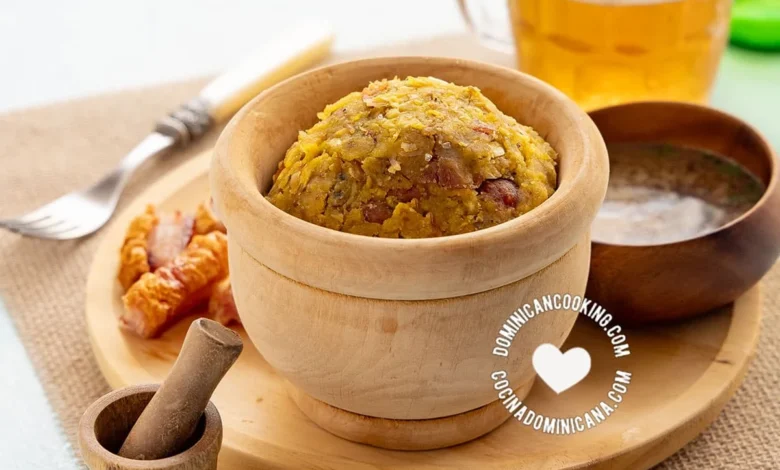
The culinary landscape of the Caribbean is undergoing a quiet revolution as home cooks and professional chefs alike find innovative ways to honor traditional flavors while accommodating modern dietary preferences. Among the latest adaptations capturing public attention is an air-fryer iteration of mofongo, a beloved staple of both Dominican and Puerto Rican gastronomy. Developed by culinary educator Clara Gonzalez, this modern take on the iconic plantain dish seeks to preserve the rich, savory profile of the original preparation while eliminating the heavy oil and cumbersome cleanup traditionally associated with deep-frying.
For generations, mofongo has reigned as one of the most prominent expressions of plantain culture across the Antilles, celebrated for its robust texture, deep umami notes, and distinct garlic infusion. However, the conventional cooking process—which requires peeling, chopping, and twice-frying green plantains in substantial quantities of oil—has increasingly presented a barrier for health-conscious consumers and those seeking streamlined kitchen routines. The newly introduced air-fryer methodology addresses these challenges directly, offering a streamlined approach that maintains the dish’s culinary integrity.
Background and Cultural Significance of Mofongo
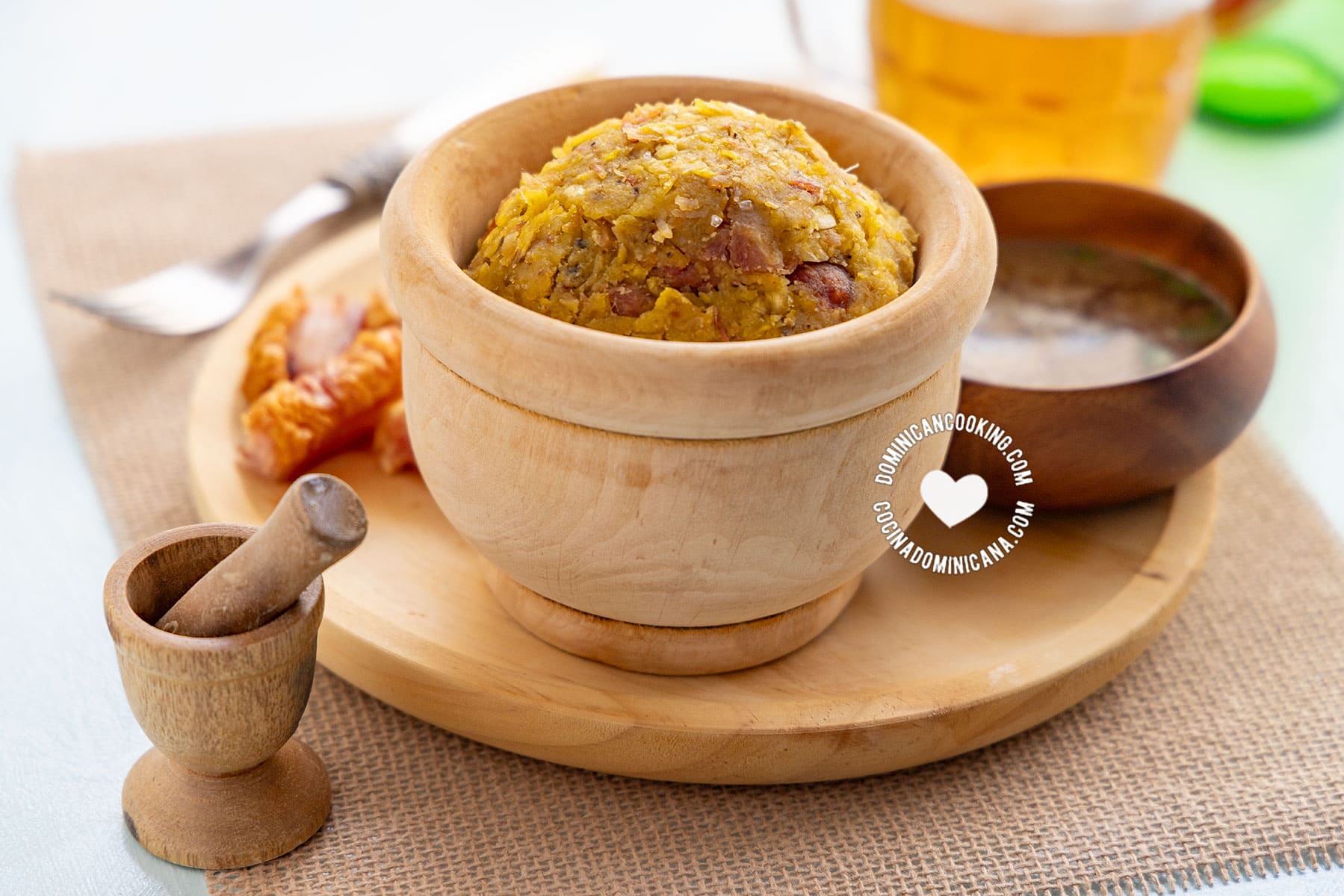
Plantains occupy a central role in Caribbean agriculture, identity, and culinary heritage, often encapsulated by the regional cultural ethos known as plátano power. While varieties of plantain dishes span breakfast, lunch, and dinner, mofongo stands out as a centerpiece of evening dining and celebratory gatherings. Traditionally, the dish traces its historical roots back to African culinary traditions brought to the Caribbean during the colonial era, bearing strong similarities to fufu—a West African staple made from mashed starchy vegetables.
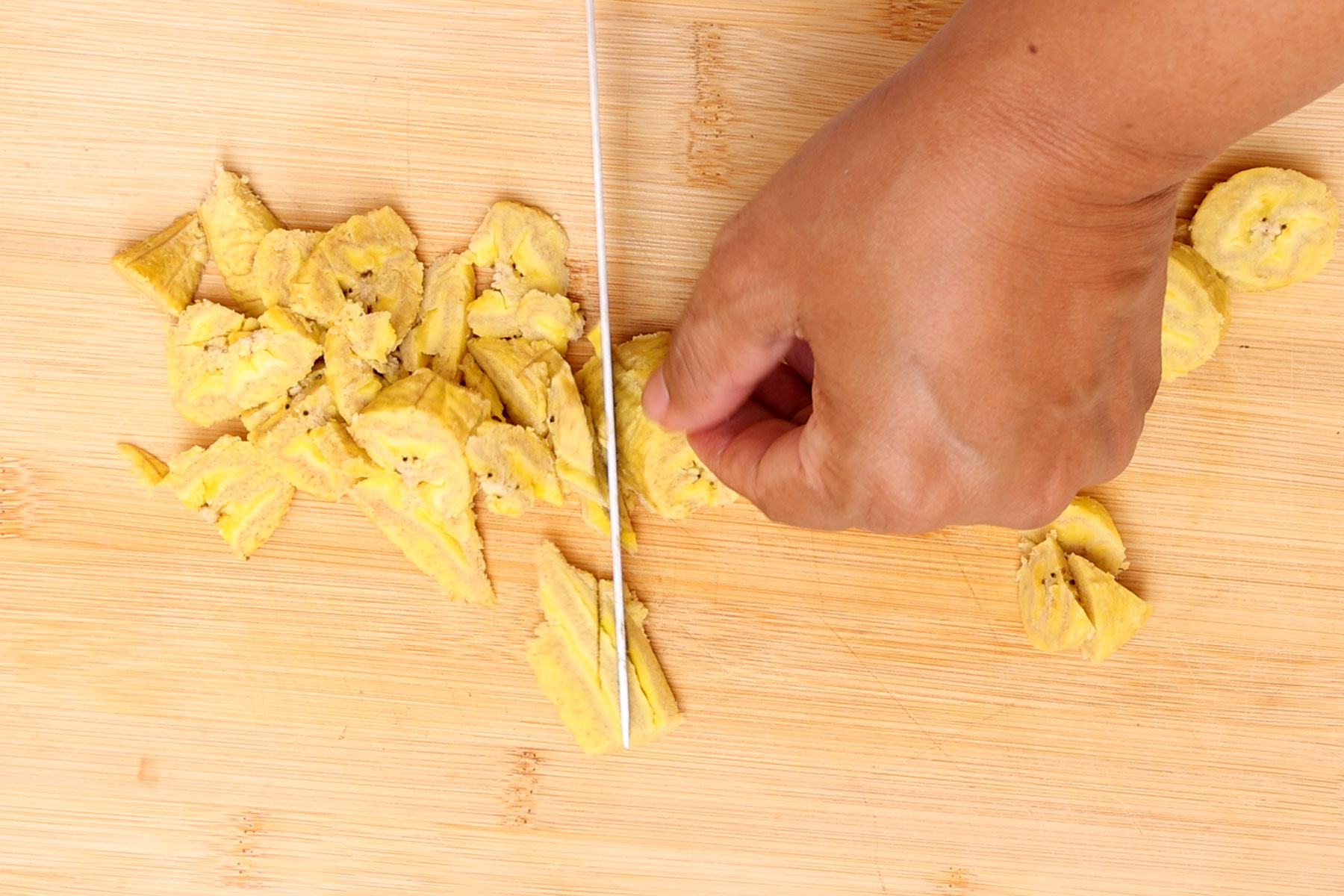
In its classic preparation, green plantains are sliced and fried until golden, then transferred to a traditional wooden mortar, known as a pilón. There, they are pounded together with crispy pork skin (chicharrón), massive quantities of garlic, and a seasoned broth or oil mixture. The resulting mash is shaped into a dense, dome-shaped cylinder, frequently served alongside savory broths, stews, or seafood such as garlic shrimp (camarofongo).

Despite its widespread popularity, traditional mofongo is a calorie-dense dish, often exceeding 700 to 900 calories per serving depending on the amount of oil and pork fat absorbed during the frying process. Furthermore, deep-frying at home involves significant preparation management, potential safety hazards from oil splatters, and extensive post-cooking kitchen maintenance. The integration of modern kitchen appliances, particularly air fryers, into Latin American households represents a broader global trend of adapting heritage recipes for contemporary lifestyles without sacrificing cultural authenticity.
Chronology and Development of the Air-Fryer Adaptation
The movement toward air-frying traditional criollo dishes began to accelerate in the late 2010s as air fryers transitioned from novelty kitchen gadgets to ubiquitous household appliances across North America and Latin America. Culinary platforms dedicated to Dominican and Puerto Rican cooking began experimenting with the convection-based technology to replicate the crispy exterior and tender interior characteristic of fried plantain products, such as tostones and maduros.
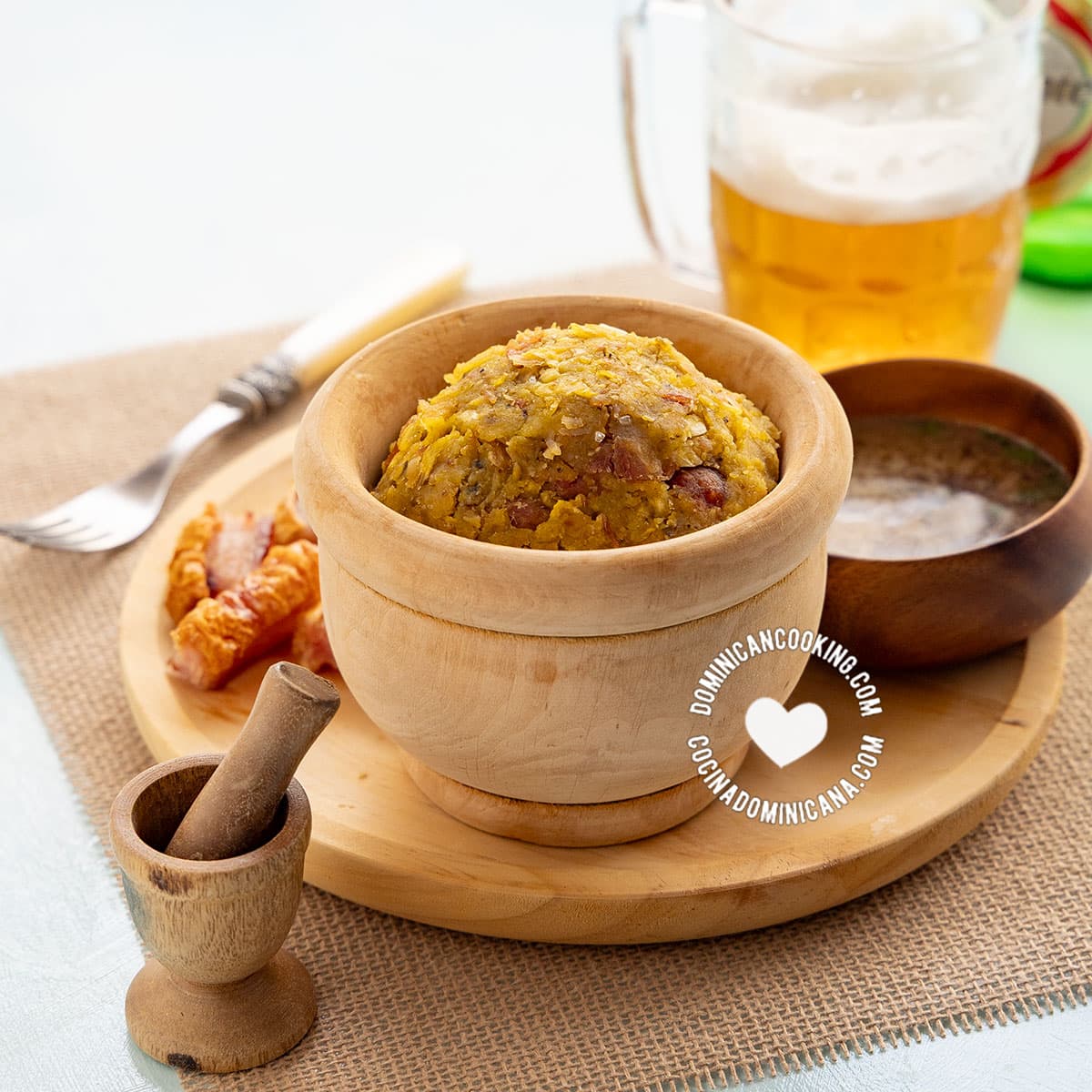
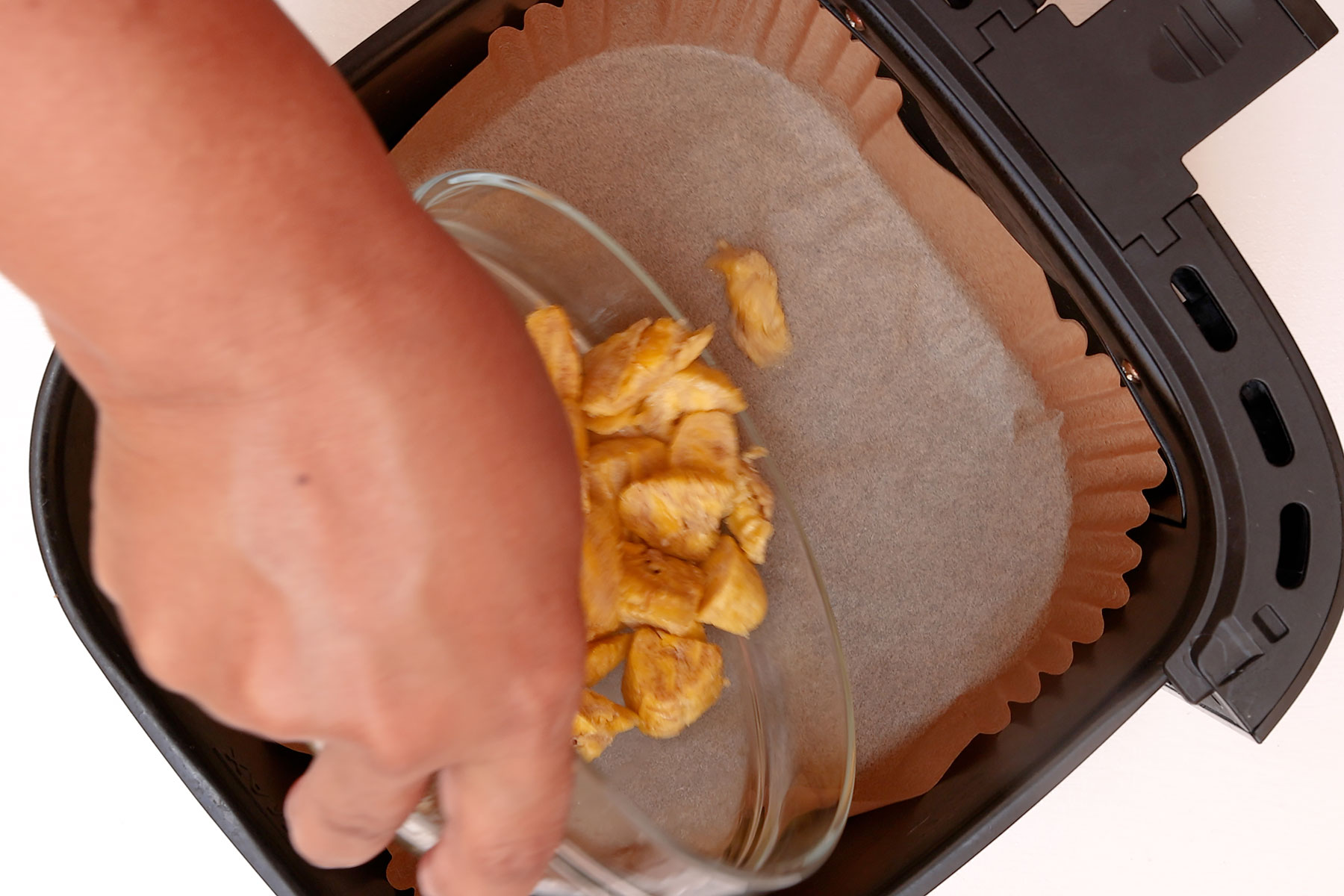
The specific air-fryer mofongo formulation developed by Gonzalez draws inspiration from an even older, pre-frying historical precedent: the roasting of plantains over open coals or in hot ashes, a technique historically utilized before deep-frying became the dominant method of preparation. By substituting the deep-fryer with a high-heat air-frying cycle, the recipe achieves a comparable cellular breakdown in the plantain starch, allowing it to be effectively mashed in a pilón while utilizing a fraction of the added fats.
Nutritional Profile and Dietary Implications
A comparative analysis of the nutritional data between traditional fried mofongo and the air-fryer variant highlights notable shifts in macronutrient composition. A standard serving of the air-fryer recipe yields approximately 690 kilocalories, featuring 58 grams of carbohydrates, 37 grams of protein, and 36 grams of total fat, of which 9 grams are saturated fat.
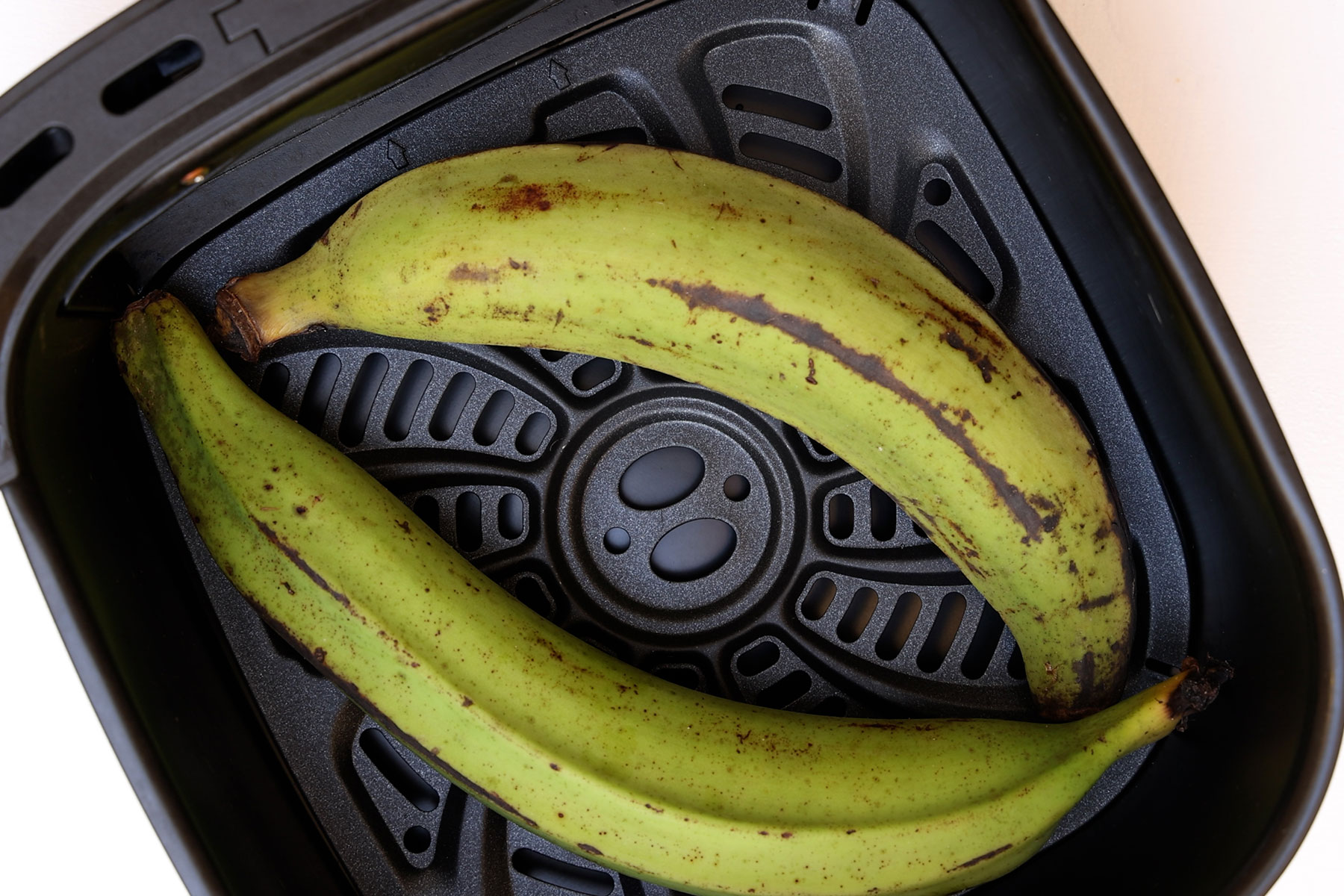
While the dish remains a substantial main course—largely due to the inclusion of protein-rich pork chicharrón and cooking oils—the air-frying method significantly reduces the absorption of excess cooking oils compared to immersion frying. This reduction lowers the overall glycemic load and decreases the presence of trans fats and lipid oxidation compounds typically generated during prolonged high-temperature deep-frying.
Dietary experts note that while plantains are an excellent source of complex carbohydrates, dietary fiber, vitamin C, potassium, and vitamin A, the health profile of mofongo is heavily dictated by its preparation fats and sodium content. The air-fryer adaptation allows cooks to exercise precise control over the amount of oil sprayed onto the plantains prior to cooking, empowering individuals to tailor the sodium and lipid levels to their specific dietary requirements.
Broader Industry Impact and Culinary Trends
The introduction of air-fryer-compatible Caribbean recipes reflects a wider commercial and cultural shift within ethnic food blogging and digital media. As diaspora communities and culinary creators document their heritage online, there is a growing demand for recipes that bridge the gap between ancestral authenticity and modern kitchen efficiency.
Food historians and cultural analysts observe that this trend helps preserve traditional cooking techniques among younger generations who may lack the time, space, or inclination to manage traditional deep-frying setups in urban apartments. By lowering the barrier to entry, recipes for air-fryer mofongo, mangú, and tostones ensure that these cornerstone dishes remain active components of daily home cooking rather than being relegated solely to restaurant dining.
Moreover, the commercial success of these digital recipes underscores the adaptability of Latin American cuisine. Manufacturers of kitchen appliances have increasingly taken note of how traditional recipes are driving appliance adoption, leading to targeted marketing campaigns highlighting multicultural cooking capabilities.
Future Outlook for Caribbean Fusion and Home Cooking
As culinary technology continues to evolve, the intersection of heritage foods and modern appliances is expected to expand further. Chefs specializing in Caribbean gastronomy anticipate continued experimentation with combination cooking methods, smart-kitchen integration, and plant-based alternatives to traditional animal fats.
For home cooks navigating busy schedules, the ability to produce dishes like mofongo in under an hour—with a total preparation time of 15 minutes and a cook time of 35 minutes—demonstrates that culinary tradition and contemporary convenience are not mutually exclusive. As platforms like Dominican Cooking and similar cultural food archives continue to catalog and refine these recipes, the global footprint of Caribbean cuisine is poised for continued appreciation, adaptation, and growth.